Best Time to Sail the Greek Islands: A Month-by-Month Guide
Choose the right month: for warm water and long days sail June–September; for quieter anchorages pick late May–early June or September–October. This guide gives sea temps, daylight, wind and crowd detail by month.

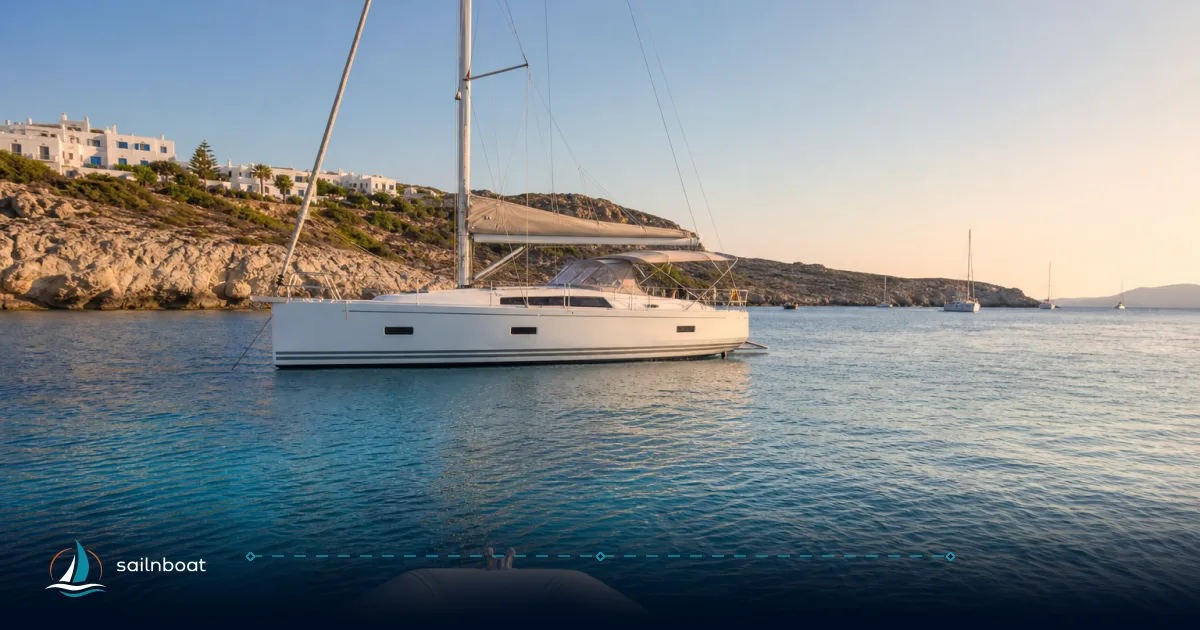
For swimming and the longest sunny days, the best time to sail Greek islands is June through September; for quieter anchorages and easier winds choose late May–early June or September–early October. The sea is at its warmest in late August–early September, while the meltemi (Aegean northerly) is strongest in July–August and affects route choice in the Cyclades. Below is a month-by-month breakdown of sea temperature, daylight, winds and crowding so you can pick the exact month that matches your priorities.
January to March: Off-Season Insights
H3 Sea Temperatures and Weather Sea-surface temperatures are at their annual low in these months — long-term coastal averages sit around 14–16°C in January and generally 15°C through February–March, colder in the north and a touch milder off Crete and the Dodecanese. Days are short (about 9.5–12 hours of daylight depending on month and latitude), rain and unsettled weather are more likely than in summer, and some marinas and island services operate reduced hours or remain closed in smaller ports. These months give solitude, but expect cool water and a higher chance of passages with wind and swell.
H3 Crowd Levels and Anchorages Tourist numbers are very low: marinas are mostly empty and many popular anchorages are peaceful. That makes January–March an excellent time for solitude and winter delivery repositioning, but you should plan on limited provisioning, fewer tavernas open on smaller islands, and check marina services (fuel, mechanics) before relying on them. For most charterers these months are practical only for experienced crews or long-term repositioning.
April to June: Transition to Sailing Season
H3 Sea Temperatures and Swimming Sea temperatures rise steadily through spring. Typical long-term monthly means run roughly 16–17°C in April, about 19–20°C in May and 22–23°C by June; southern islands and sheltered bays warm sooner than the central Aegean. Many crews find May still a little brisk for long swims without a short wetsuit; June becomes comfortable for most swimmers. These figures are multi-year monthly climatologies; local coves can be warmer or colder on any given day.
H3 Wind Patterns and Sailing Conditions Winds are generally gentler than high summer: in the Cyclades you may see the first meltemi episodes from late June onward but with lower frequency and strength than July–August. The Ionian is more sheltered and tends to offer lighter, more predictable northerlies or west-northwest breezes — a good training ground if you want easier beat legs and protected anchorages. Plan day legs conservatively as sea state still varies in spring.
H3 Crowd Levels Tourist traffic ramps up through May and June. Early May still feels quiet on many islands; by late June marinas — especially at main hubs (Mykonos, Santorini, Naxos, Corfu) — start filling. For mooring you will find more availability and easier walk-ins in April–early June than in peak months.
July to August: Peak Season Challenges
H3 Sea Temperatures and Swimming Conditions Sea temperatures are at their warmest habitually — long-term averages cluster around 24–26°C in July and August (with some southern locations rising slightly higher). That makes July and August unbeatable for swimming and water-sports comfort. However, warm water coincides with the busiest travel period.
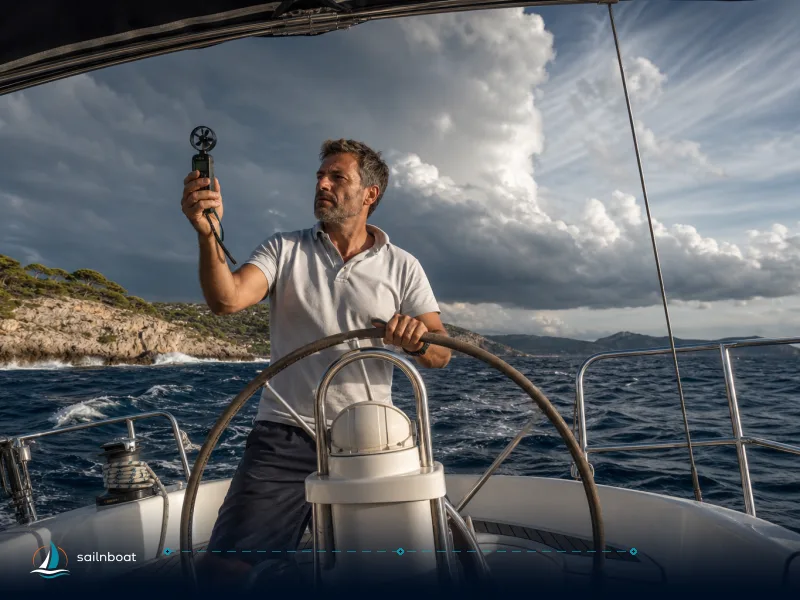
H3 Wind Patterns: The Meltemi This is meltemi season. The northerly Aegean wind typically strengthens from June into July and August and can produce frequent force 4–7 episodes (and sometimes higher gusts) in exposed channels and the central Cyclades; the wind often peaks in mid‑day and eases at night. That wind gives excellent downwind sailing when routed correctly but can make some passages uncomfortable, and popular anchorages get rougher on windward sides. If you want steady cruising without strong northerlies, the Ionian and sheltered Saronic/Sporades routes are better choices in July–August.
H3 Crowd Levels and Marina Occupancy July and August are busiest by far — marinas and popular anchorages can be full, and cruise‑ship calls add congestion to islands such as Santorini and Mykonos. Expect to pre-book berths well in advance, arrive early to secure a good anchoring spot in the most popular bays, or plan to shift to lesser-known coves after midday when wind funnels make exposed bays uncomfortable. August 15 (Assumption Day) is an especially busy domestic holiday across Greece.
September to October: Ideal Shoulder Season
H3 Sea Temperatures and Weather Sea temperatures remain warm into September (often 24–25°C as the water lags the air) and only start cooling more noticeably in October (~22°C average), especially in the northern Aegean. Daylight shortens but you still have comfortable afternoons for swimming in September and early October. Many charterers prize this window for warmth and lighter crowds.
H3 Wind Patterns and Sailing Conditions The meltemi typically subsides through September and is much less persistent by October, giving gentler and more variable breezes — generally a more relaxed sailing experience in the Cyclades. In the Ionian you keep sheltered, predictable conditions later into autumn. That makes September and early October the easiest months for mixed-ability crews who want long days and calmer seas.
H3 Crowd Levels and Quieter Anchorages Crowds fall sharply after the first half of September; many day-trip operations reduce frequency and smaller island tavernas begin to close around late October. This is the best practical window to visit less-touristy islands while still finding most services open — you will commonly find anchorages that were busy in August almost empty by mid‑September. Late September to early October is the top recommendation if your priority is warm water plus quiet coves.
Comparative Analysis: Island Groups by Month
Use the table below to compare the Cyclades, Ionian and Dodecanese across the season. Entries show the practical sailing recommendation and how sea, wind and crowds typically behave in each group.
| Island group | Best months (practical) | Sea temp & swim window | Wind / meltemi impact | Crowd pattern |
|---|---|---|---|---|
| Cyclades (Mykonos, Paros, Naxos, Santorini) | Late May–early June, Sept–early Oct for quiet; July–Aug for heat/sun | Warmer June–Sep (June ~22°C → Aug ~24–26°C); swimmable June–Sep. | Strongest meltemi impact in Jul–Aug — frequent northerlies and choppy sea; plan routes to lee islands or morning sails. | Very busy Jul–Aug; shoulder months far quieter. |
| Ionian (Corfu, Paxos, Kefalonia) | May–Oct (best balance May–Jun and Sep) | Warms slightly later but comfortable June–Sep; sheltered bays can be warmer. | More sheltered year-round; less affected by meltemi — calmer seas for novice crews. | Quieter overall than Cyclades in peak months; peak still in July–Aug on main islands. |
| Dodecanese (Rhodes, Kos, Symi) | May–Oct; long swim season into Oct (Crete/Rhodes warm longest) | Often the warmest extended swim window (May–Nov pockets), Rhodes and south Crete especially warm. | Less severe meltemi than central Cyclades but exposed channels exist; winds moderate compared with Cyclades. | Large islands busy in Aug but many smaller islands remain relatively calm compared with Cyclades. |
(Values are long-term monthly climatologies and operational patterns — check local forecasts and marina notices for day-of decisions.)
Month-by-month quick reference (sea °C, average daylight, crowd note)
Below is a concise month table you can scan when planning. Sea temperatures are long‑term monthly means (broad national average); local variation is common — southern islands remain warmer and sheltered bays heat earlier.
| Month | Typical sea temp (°C, mean) | Avg daylight (hours, Athens as proxy) | Practical note |
|---|---|---|---|
| January | 15–16°C | ~9.9 h | Very quiet, cool water; limited services. |
| February | 15°C | ~10.8 h | Quiet; occasional bad weather. |
| March | 15°C | ~12.0 h | Spring arrivals; still cool for long swims. |
| April | 16–17°C | ~13.2 h | Season opening; many small islands still partially closed. |
| May | ~19–20°C | ~14.2 h | Shoulder month — good tradeoff of warmth and lower crowds. |
| June | ~22–23°C | ~14.8 h | Warm water, growing crowds; first meltemi episodes possible late month. |
| July | ~24–25°C | ~14.5 h | Peak sun and sea; meltemi frequent and strong in Cyclades. |
| August | ~25–26°C | ~13.6 h | Warmest water; busiest month and strongest meltemi days. |
| September | ~24–25°C | ~12.4 h | Top shoulder pick: warm sea, far fewer crowds, gentler winds. |
| October | ~22°C | ~11.2 h | Comfortable early, services start closing late month; wind more variable. |
| November | ~20°C | ~10.1 h | Cooling waters and reduced services; good for quieting down. |
| December | ~17°C | ~9.6 h | Quiet; short days and cooler water. |
Planning Your Trip: Key Considerations
H3 Local Events and Holidays Domestic holidays dramatically affect crowds and ferry capacity: mid‑August (Assumption Day, 15 Aug) is the single busiest domestic travel day and can cause full ferries and scarce marina space. Expect local festivals in late-summer villages — they can be pleasant but sometimes disruptive to berth availability. Book key berths and inter-island connections early if you must travel on peak dates.
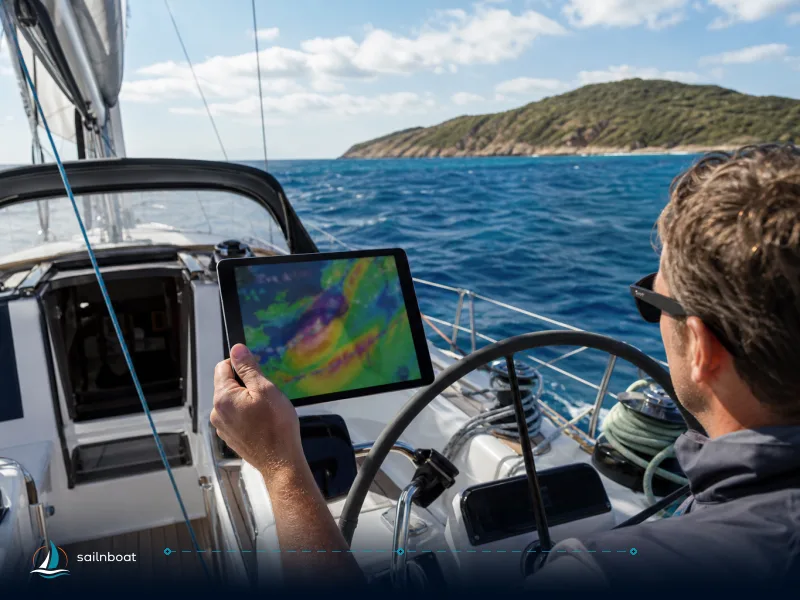
H3 Consult Local Forecasts and Marine Notices Meltemi strength and timing vary year to year and by channel. Use Hellenic NMS marine bulletins and local port authorities for day-by-day decisions; a forecast can change whether a planned crossing is a pleasant reach or a bumpy passage. Many charter teams re-plan legs daily around morning forecasts and local harbour-master advice. For safety, treat land wind reports as indicative but rely on marine forecasts for wind strength and sea-state.
H3 Route choices by objective
- If your priority is calm sailing and sheltered anchorages: choose the Ionian or Saronic in May–June or Sept.
- If swimming and maximum daylight are primary: plan June–September; expect crowds and meltemi in the Cyclades in July–Aug.
- If you want the warmest sea with fewer people: early September often combines both.
Quick operational checklist before you book
- Pick the island group to match your wind tolerance (Cyclades = exposed, meltemi-prone; Ionian = sheltered).
- Book marinas early for July–August; in shoulder months you can often anchor first and marina later.
- Confirm local service hours (fuel, provisioning, mechanics) for smaller islands in May and October — they vary by island and operator.
- Check multi‑year sea-temperature climatologies if you need precise monthly means for a specific island (NOAA OISST and seatemperature datasets are common sources).
Plan your sailing trip to the Greek islands with our expert insights — choose the month that matches your crew’s priorities (sun/swim, winds, or seclusion) and leave a day or two spare in your schedule to absorb weather-driven changes.
Ready to pick dates? Use this month-by-month matrix to choose a base and route, then ask your broker about marina availability and a local weather briefing for the week of your charter.
Frequently Asked Questions
Long-term coastal averages run roughly: Jan 15–16°C, Feb–Mar 15°C, Apr 16–17°C, May ~19–20°C, Jun ~22–23°C, Jul 24–25°C, Aug 25–26°C, Sep 24–25°C, Oct ~22°C, Nov ~20°C, Dec ~17°C (values vary by island; southern islands and Crete stay warmest).
The Meltemi (Etesian) blows across the Aegean mainly from June to September, and is typically strongest and most persistent in July and August.
Most sailors find June through September best for swimming; August and late August/September usually give the warmest surface temperatures.
Crowds peak in July–August (15 August is a heavy domestic holiday date); May, early June and September–early October are noticeably quieter with many services still open.
Smaller Cycladic islands (Serifos, Sifnos, Folegandros, Amorgos) and many Ionian ports see far fewer visitors in late May/June and September/October; the Dodecanese can also be quieter than Cyclades in peak months.
May through October offers the best mix of sheltered winds, warm air and sea temperatures for the Ionian islands, with May–June and September especially pleasant.
Written by
Sailnboat Editorial
The Sailnboat editorial desk covers yacht and boat chartering worldwide — routes, bases, seasons, boat types, paperwork and the practical costs that decide a trip. We are a charter marketplace, not a boat owner or a local agency: what we sell is judgement and support, so our guides are written to help you make a decision, not to sell you a specific boat. Every guide is checked against live operator and marina data before it goes out.
Fact-checked against live operator and marina data, and published under our editorial standards. Last reviewed: .