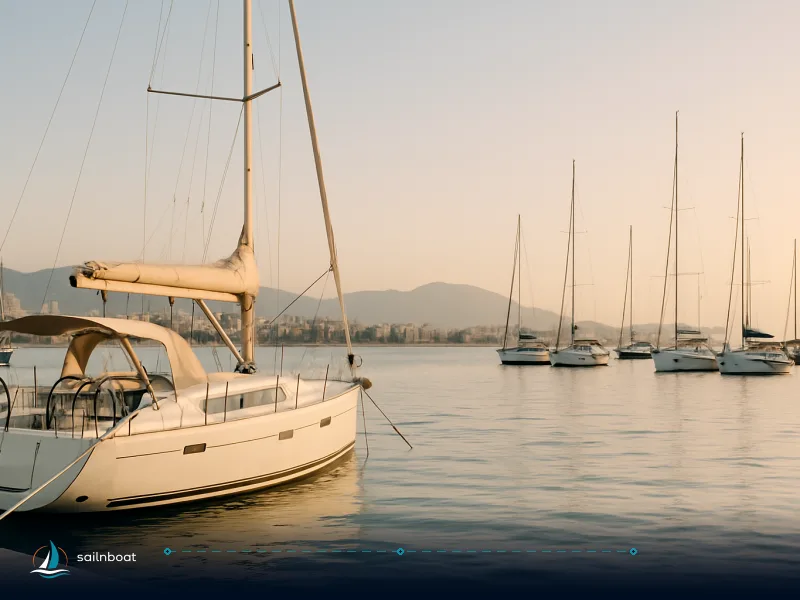
Best Time to Sail the Sporades: Winds, Traffic & Anchorages
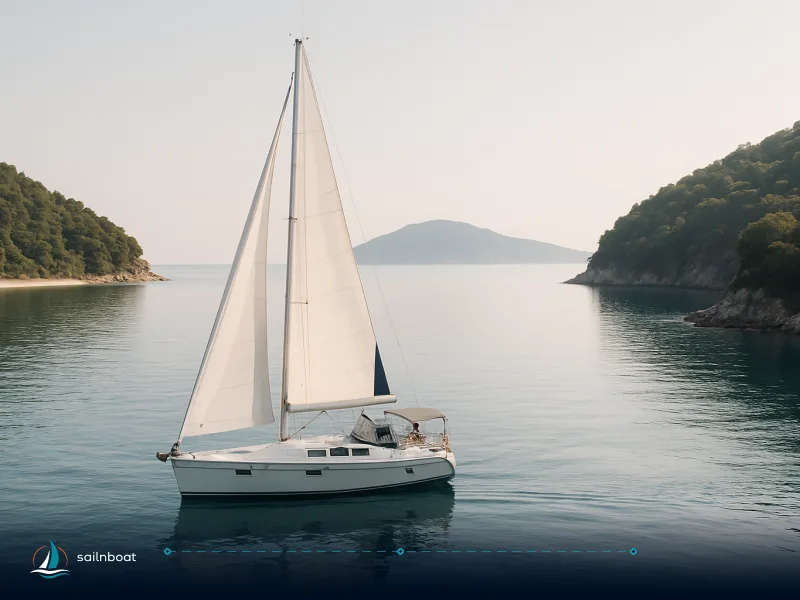
For most charterers the best time to sail the Sporades is the shoulder months (May–June and September): lighter Meltemi, warm water and far fewer ferries than July–August.

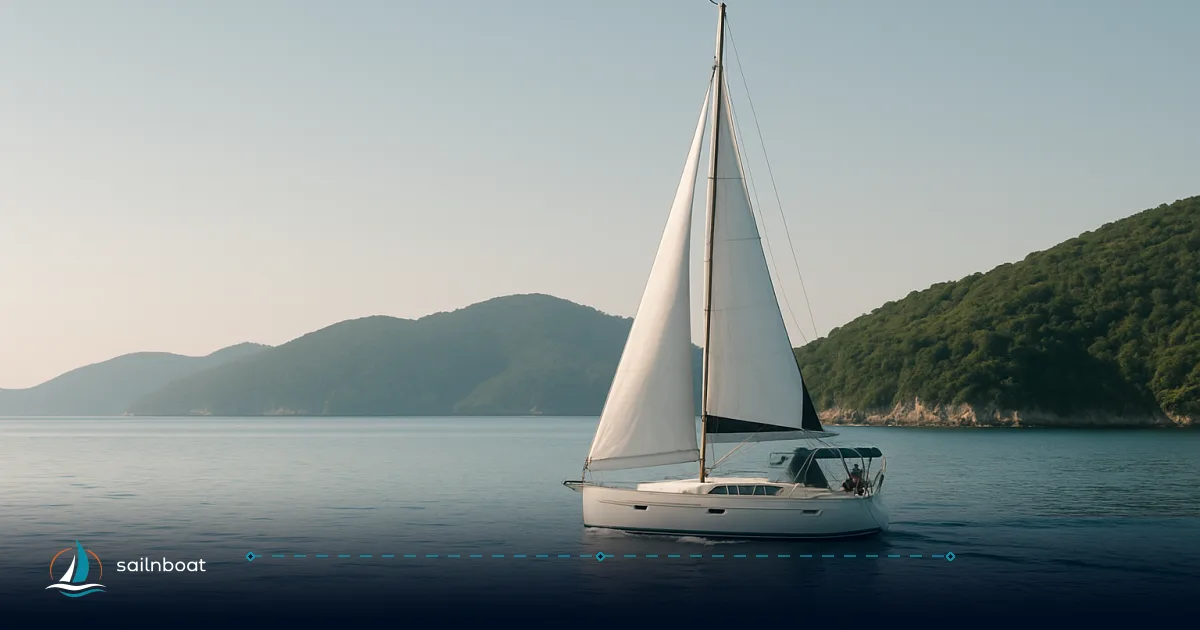
The clearest decision: pick May–June or September if you want manageable winds, warm water and quiet anchorages; pick July–August if you want the liveliest atmosphere and are prepared for stronger Meltemi and heavy ferry traffic. That choice — shoulder months for solitude and ease, high season for predictable beach weather and full services — defines every route and berth decision you will make in the Sporades.
Understanding Seasonal Wind Patterns
The Aegean's summer wind system (the Meltemi or etesians) dominates sailing in the Sporades. It develops in late spring, builds through June and reaches its highest frequency and strength in July and August, then eases in September and typically fades by October. In practical terms this means afternoons with steady northerly to northeasterly winds are common in the islands between midsummer months.
Wind behaviour by month (practical read):
- May: generally light to moderate winds, good for exploration and anchoring in exposed bays.
- June: winds become more regular; many days are excellent sailing with daytime sea breezes and fewer extreme gusts.
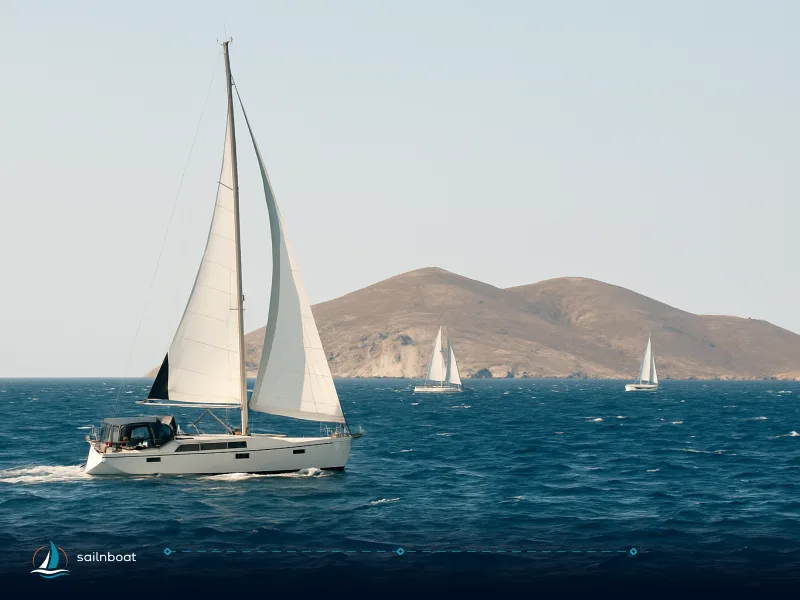
- July–August: Meltemi most frequent and strongest; expect sustained winds often in the Force 4–6 range (11–27 kt) and occasional stronger episodes. Plan to avoid long exposed fetches in the afternoon.
- September: Meltemi subsides in frequency and strength; many days offer warm, stable conditions and pleasant afternoons for anchorages.
- October: weather becomes more changeable and rain chances rise; good for experienced crews prepared for variable conditions.
Why this matters operationally
- Sailing legs in July–August should be shorter or planned for early/late-day passages to avoid the peak afternoon winds.
- Choose lee anchorages (southern or protected coves) for overnighting during strong Meltemi days — exposed northern shores become uncomfortable and wind-driven swell can make small bays uncomfortable. Use local pilotage and charts to confirm shelter for your boat type.
Impact of Ferry Traffic on Anchorages
Ferry and high-speed craft schedules increase noticeably in July and August: daily arrivals and departures to/from Skiathos, Skopelos and Alonissos concentrate passenger flows and day-trippers into town quays and the most accessible bays. Many island timetables add services in high season, increasing daytime movements and wake in narrow approaches.
Consequences for your charter
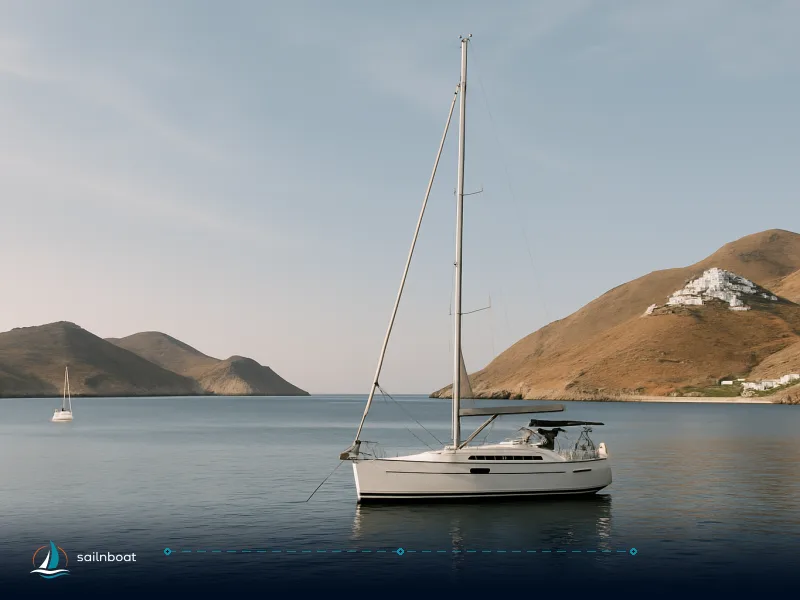
- Town quays (Skiathos Town, Skopelos Town, Patitiri on Alonissos) are often busiest during the day in high season; berthing availability can decline and harbormasters may allocate berths tightly. Arriving early or after the main ferry periods may improve your chances of securing a town berth.
- Popular beaches and bays adjacent to ports fill with day-boats; anchorage space in Steni Vala, Panormos or Koukounaries can be limited in the peak season. Consider anchoring in slightly more remote bays and tendering ashore.
Recommendations for avoiding busy anchorages
- Use early-morning arrivals to secure town quays or prime berths.
- Keep an alternate plan for the nearest quieter bay within a few nautical miles — many charterers anchor in a calm bay and pick up groceries by tender.
- If you want solitude, move to smaller islands or protected coves during July–August and accept longer tender rides ashore.
High-Season vs. Shoulder-Season Sailing
The trade-offs between July/August and the shoulder months are predictable and actionable.
Comparison table: months, crowding, wind, ferries, anchorages
| Month(s) | Crowd level | Wind character | Ferry traffic | Anchorage availability |
|---|---|---|---|---|
| May | Low | Light–moderate, good for exploration | Low | High — many quiet coves |
| June | Moderate | More regular sea breezes, generally manageable | Moderate | Good — town berths easier |
| July–August | High | Strongest Meltemi frequency and strength | High — extra services & day trips | Reduced — many bays busy |
| September | Moderate | Winds ease; many calm days | Moderate | High — quieter afternoons |
| October | Low–moderate | Variable; more changeable systems | Low | Variable — some services reduce |
Advantages and disadvantages — concise
- High season (July–August): reliable beach weather, full island services (restaurants, rentals, water taxis), but expect strong winds, crowded bays, limited berthing and heavy daytime ferry traffic. This is the time for beach-focused charters who accept the bustle.
- Shoulder season (May–June, September): quieter anchorages, easier berthing in towns, and generally more pleasant planning margins for cruising; services are widely available in June and September but start/finish of season means some small businesses may operate reduced hours.
Costs and availability
- Charter rates and berth prices are often highest in July–August; booking earlier and accepting flexible base options helps. In shoulder months you will usually find more boat types available and better negotiating room on extras.
Best Months for Quiet Coves and Secluded Bays
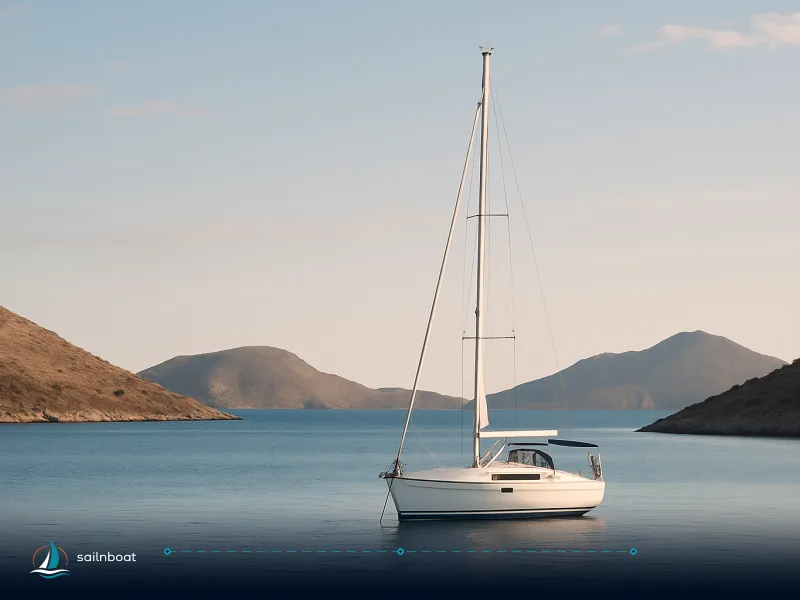
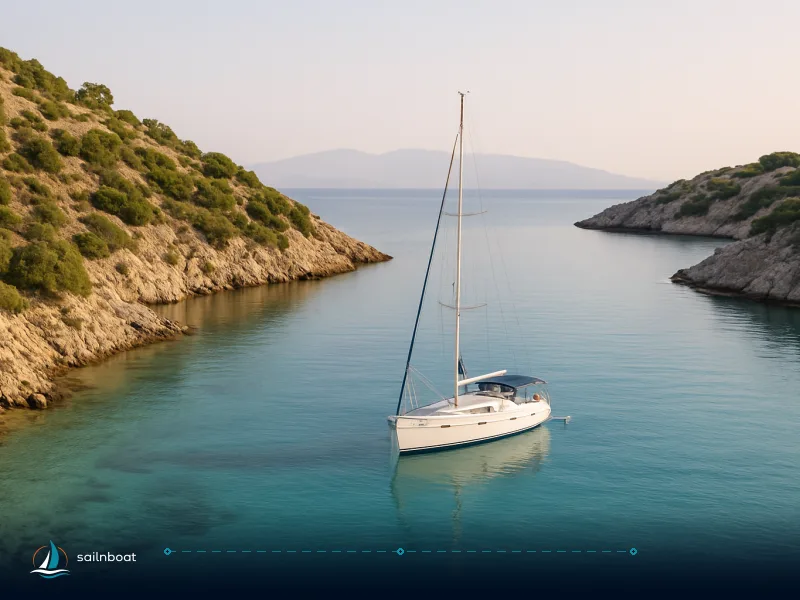
If your priority is finding empty anchorages and long afternoons ashore, aim for May, June or September.
Why these months work
- Tourist boat numbers are lower, marinas and town quays are less crowded, and the Meltemi is either not yet at full strength (May–June) or is easing (September). That combination gives you the best chance of a private cove by mid-afternoon.
Locations that often reward shoulder-season visits
- West and southern bays of Skopelos (Panormos, small southern coves) are calmer in northerly winds and quieter outside August.
- Southern coves around Skiathos (tucked behind Koukounaries headland) are more protected from prevailing northerlies.
- Alonissos and the islets inside the National Marine Park offer solitude, but note specific anchoring rules (see next section).
Operational note on "quiet": availability can change with local events, flotillas and daily ferry schedules; don’t assume an empty bay — have two alternatives within easy reach and target morning moves rather than afternoon hops.
Practical Tips for Navigating the Sporades
Anchoring and mooring strategies
- Afternoon shelter: plan to be anchored in a protected bay by midday if you expect a Meltemi build-up; long transits during the height of the wind increase crew fatigue and margin for error.
- Anchor scope and holding: use 6:1–7:1 scope when you expect swell or gusting winds and pick sandy or weed-free patches when possible; in confined bays pick a spot clear of tender traffic and day-boat swinging circles. (Scope guidance is typical practice—adjust for your boat and anchor system.)
- Town quays: in July–August don’t assume you can pick up a town berth without a plan — arrive early or request a pre-booked berth through your base if you need to stay ashore overnight.
Avoiding crowded areas
- If a bay fills with day-boats, move to a smaller adjacent cove where local knowledge suggests better shelter; tender ashore rather than trying to fight for a quay.
- Respect the Marine Park zones and avoid anchoring in prohibited areas (particularly near monk seal haul-outs and sensitive habitats). Plan your itinerary to use the few permitted bays inside protected zones.
Local logistics and kit checklist
- Daily weather briefings: check a reliable Aegean forecast each morning and again before departure; forecast changes can be fast in the Meltemi season.
- Communications: ensure your VHF works, store local port numbers, and keep the harbormaster app or contacts for Skiathos, Skopelos and Alonissos ready. Ferry traffic and local patrols will often reassign berths.
Seasonal Considerations for Your Sailing Trip
Safety and contingency planning
- During July–August, accept that wind-driven seas and stronger gusts are part of the plan; shorten legs, pick sheltered anchorages and carry contingency fuel/time for longer sheltered routes.
- For May/June and September, expect cooler mornings and occasional unsettled days; still have a plan B for shelter and confirm small-business opening hours for provisioning and restaurants.
Regulated areas and conservation
- The National Marine Park of the Northern Sporades imposes zoning and anchoring rules—overnighting in some A-zone bays is specifically regulated (for example, only certain bays are allowed for overnight stays). Read the park guidance before your trip and plan anchorages accordingly.
Final planning checklist
- Choose shoulder months if you want quiet anchorages and easier berthing.
- If sailing in July–August, shorten passages, prioritise sheltered southern coves and plan for ferry-peak disruptions.
- Always check up-to-date local ferry timetables and the National Marine Park rules when finalising your day plan.
Plan your week by selecting a base with easy access to both sheltered anchorages and the services you need. For most charterers the best time to sail the Sporades is May–June or September — those months give you the widest choice of quiet coves, manageable winds and full but not crowded island services. If you want peak social life and guaranteed beach weather, take July–August but accept the trade-offs: stronger Meltemi, more ferries and the need for earlier arrivals and better contingency planning.
Plan your sailing trip to the Sporades with these insights.
Frequently Asked Questions
The Sporades see the Aegean Meltemi from late spring to early autumn, with highest frequency and strength in July–August; winds are often force 4–6 and can occasionally rise to force 7–8 during strong events.
Ferry schedules peak in July and August, bringing frequent daytime arrivals at Skiathos, Skopelos and Alonissos and making town quays and nearest bays crowded—plan morning arrivals or use quieter anchorages nearby.
Shoulder months (May–June, September–October) offer fewer crowds, easier access to prime berths and anchorages, more manageable Meltemi winds, and generally lower charter prices.
May, June and September are the best months for quiet coves: sea temperature is comfortable, tourist traffic is low, and many bays are empty in the afternoons when the Meltemi is moderate.
Check daily local forecasts, plan afternoon shelter for Meltemi winds, respect Marine Park anchoring rules around Alonissos, arrive early to busy ports, and use town quays only when necessary in high season.
Written by
Sailnboat Editorial
The Sailnboat editorial desk covers yacht and boat chartering worldwide — routes, bases, seasons, boat types, paperwork and the practical costs that decide a trip. We are a charter marketplace, not a boat owner or a local agency: what we sell is judgement and support, so our guides are written to help you make a decision, not to sell you a specific boat. Every guide is checked against live operator and marina data before it goes out.
Fact-checked against live operator and marina data, and published under our editorial standards. Last reviewed: .