Best Time to Sail the Dodecanese: A Month-by-Month Guide
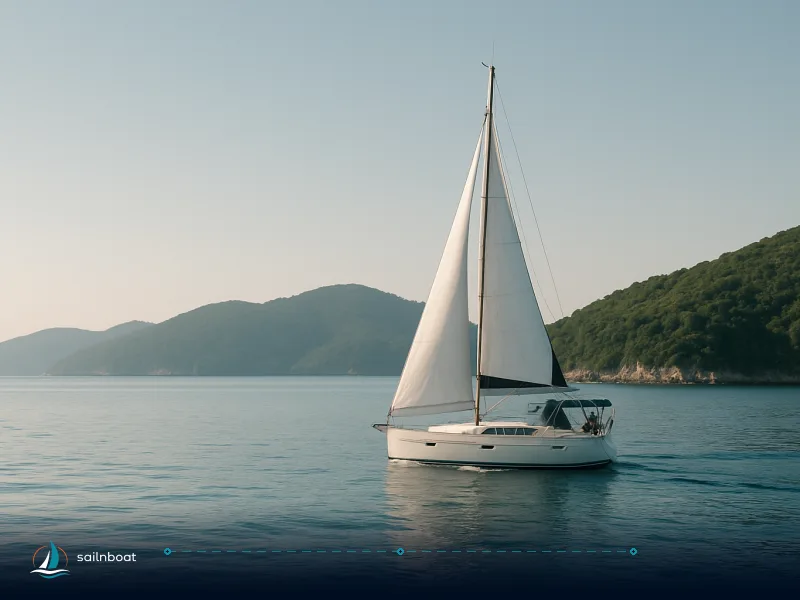
Late May–early October is the practical charter season; May and October give the gentlest winds and quietest anchorages while July–August bring the strongest Meltemi. Plan passages early, pick east‑facing bays and use sheltered loops.

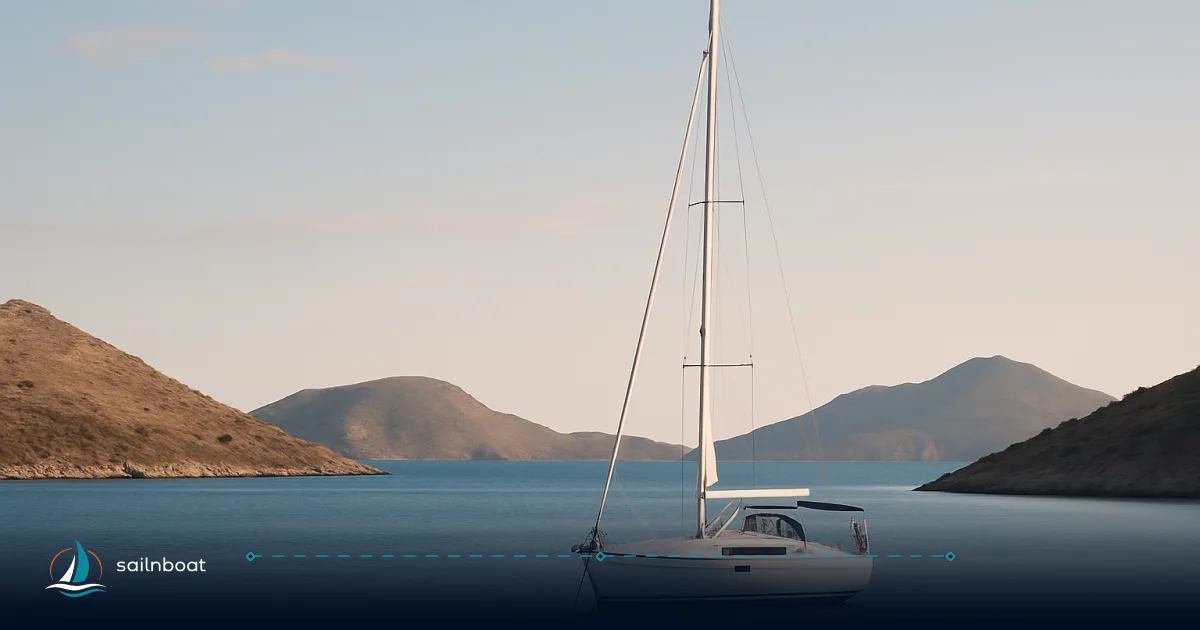
The practical charter season in the Dodecanese runs late May through early October; if you want the quietest anchorages and the mildest winds, aim for May or October, while July–August deliver reliable, often strong Meltemi northerlies that shape every passage and overnight choice.
Understanding the Meltemi Wind
The Meltemi (also called the Etesian winds) is the Aegean’s defining summer wind and it controls how you move through the Dodecanese in high season. It is a dry northerly flow that becomes synoptically organised by pressure patterns over the Balkans and Anatolia; locally it is channelled by island gaps, so conditions can change quickly as you pass between islands. Scientifically and operationally, the wind is most frequent and strongest in midsummer — the climatology and multiple charter guides agree that outbreaks are most abundant in July–August, with a distinct peak often in early August.
Meltemi Onset and Duration
Typical timing for the Meltemi in the eastern Aegean is roughly mid‑June through mid‑September, with the most reliable, persistent events in July and August; it usually weakens through September and into October, making late season a practical window for calmer sailing. Year‑to‑year variation is normal — some summers start earlier or linger longer — so treat these dates as the working norm you plan around.
Wind Strength and Patterns
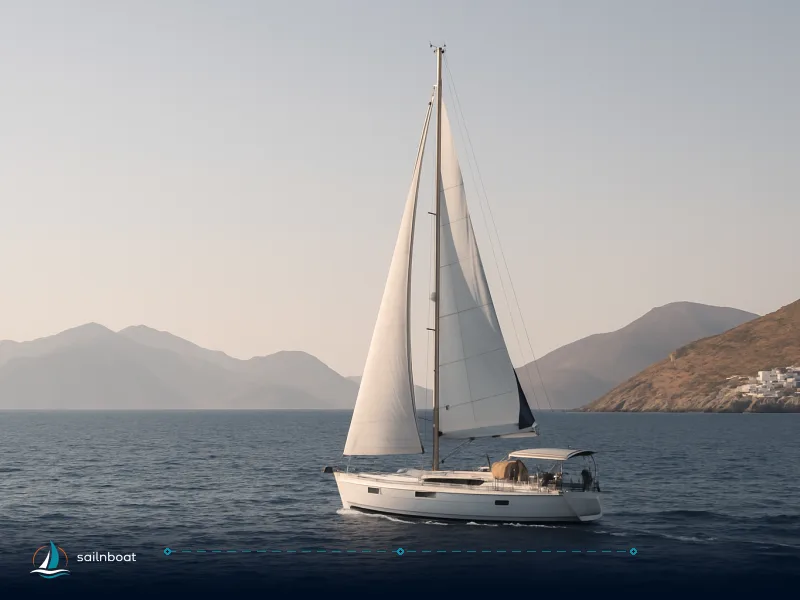
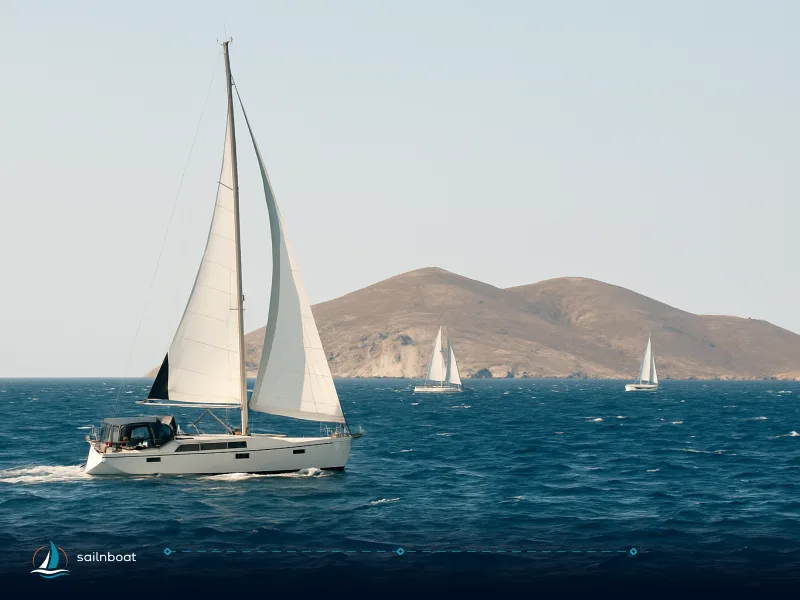
During active Meltemi spells the Aegean commonly sees winds in the Beaufort 4–6 range on average during the day, with frequent Force 7 gusts in channels and funnels; central Aegean channels can push gusts higher on occasion. The wind has a distinct diurnal tendency: it often builds through the morning and peaks in the early to mid‑afternoon, easing overnight and into early morning. That daily rhythm is why many experienced skippers schedule exposed passages before 10:00.
Month-by-Month Sailing Conditions
Below is a focused month‑by‑month picture of what to expect in the Dodecanese and how to plan your week‑long itinerary. Each month entry gives the wind character, Meltemi exposure and practical routing advice.
| Month | Typical winds & Meltemi exposure | Practical sailing advice |
|---|---|---|
| May | Light to moderate northerlies; Meltemi intermittent and weaker than summer. | Best month for calm early-season charters and quieter anchorages; you can include longer open crossings with less fuss. |
| June | Meltemi becomes more frequent from mid-month; days alternate between calm and northerly spells. | Use early‑morning departures; by late June plan to spend afternoons in lee harbours. |
| July | Peak Meltemi frequency; winds often in the Force 4–6 band, gusting higher around gaps. | Best for experienced crews who want wind for fast passages; avoid exposed west‑ or north‑facing anchorages in the afternoon. Plan short hops and arrive early. |
| August | Most consistent northerlies and the busiest marinas and anchorages. | Accept that a wind day or two is normal; build slack time into flights; prefer sheltered loops around Kalymnos–Leros–Symi. |
| September | Winds ease through the month; early September can still feel like August, later weeks are markedly calmer. | Excellent compromise: warm sea, fewer people, often favourable winds for varied sailing. Book popular berths ahead on early September weekends. |
| October | Wind typically mild by early October; by mid‑October conditions become variable and charters thin out. | Last reliable month for calm cruising in the Dodecanese; services begin to scale down after mid‑October. Plan a short‑notice backup for fuel/fuel station closures on smaller islands. |
(These are typical patterns; individual years vary. Use the table as a planning template rather than a fixed promise.)
Optimal Island-Hopping Routes
The Dodecanese rewards flexible routing: short legs, lee bays and evening stops in protected harbours give a reliably comfortable week even during a Meltemi spell.
Recommended Itineraries
- East‑to‑west sheltered loop (often used in July–August): base in Kos or Pserimos, overnight in Kalymnos (Vathy), head to Leros (Lakki) and finish via Lipsi/Patmos — each day is a short hop into lee or across narrow channels where you can shelter early. This loop keeps you close to sheltered anchorages and avoids long open crossings.
- Rhodes → Symi → Nisyros loop (typically suitable in late May/June or September): combine a longer coastal leg with enclosed bays like Panormitis (Symi) and Mandraki (Nisyros), arriving before the afternoon build.
- Southern Dodecanese island hop (calmer months): use smaller daily hops between archipelago pockets where lee anchorages and marinas are plentiful; ideal for crews who prefer relaxed afternoons ashore.
Timing Your Passages
Leave early — roughly between 06:00 and 10:00 — to take advantage of the lightest part of the day before the Meltemi builds; this is standard skipper advice in the Aegean and reduces exposure to gusty afternoon funneling. If the forecast shows persistent Force 7, treat that as a wind‑day: explore on shore or move to a confirmed lee harbour rather than attempting exposed channel transits. Reef before you leave harbour and allow extra time to make a safe entrance into lee ports.
Sheltered Anchorages to Use During Strong Meltemi
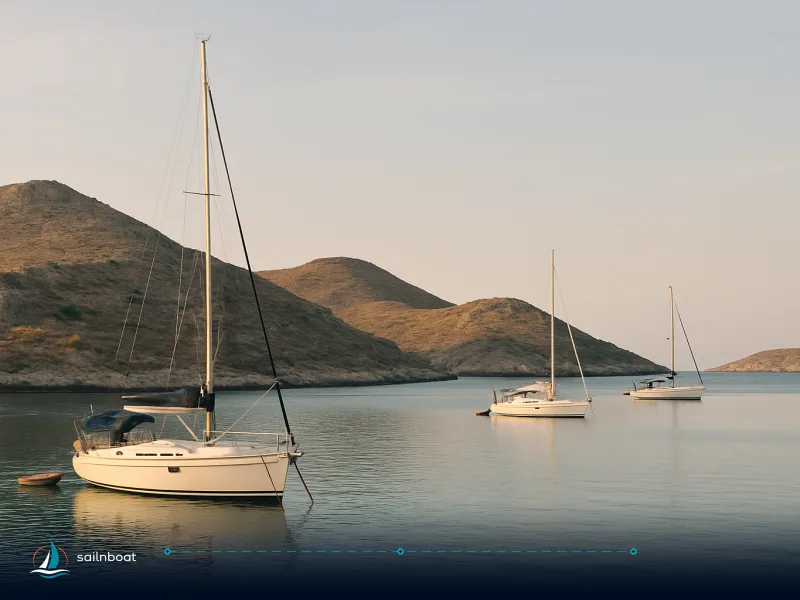
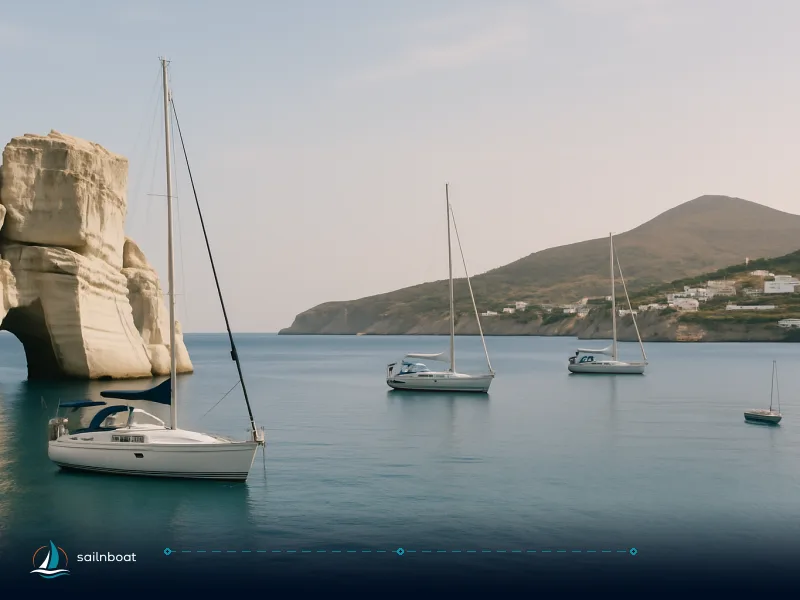
When the Meltemi is up, you want deep, enclosed harbours or bays that face east/south; these reduce fetch and often the swell. The following are dependable choices frequently recommended by local guides and anchorage databases:
- Vathy (Port Rina), Kalymnos — a deep, enclosed valley anchorage with good holding and pronounced lee from northerlies.
- Lakki (Portolago), Leros — one of the best natural harbours in the Aegean with almost all‑round protection; commonly used as a wind‑day base.
- Panormitis and Pedi, Symi — Panormitis provides a landlocked, protected option; Pedi’s marina gives sheltered alongside berthing.
- Grikos and Vathy, Patmos — both are lee‑protected bays with predictable shelter.
Note the common theme: prefer bays protected from the north‑to‑northwest. Anchorages labeled “Protected: N/NW” on anchorage guides are the ones you prioritize during a Meltemi spell. Always carry a plan‑B and confirm current holding and depths locally short‑term (harbour bathymetry and seasonal changes can affect usable space).
Safety Considerations During Meltemi
Sailing the Dodecanese in high summer is a risk‑managed activity: the wind is predictable but powerful in places. Apply conservative seamanship.
Assessing Crew Experience
- If your crew are not comfortable handling heavy gusts, keep to shoulder months (May, June or September, October) or hire a professional skipper for July–August. Many charter companies advise this option and will offer skippers specifically for stronger wind periods.
- For experienced crews, build a week that alternates active sailing days with a planned wind‑day in a secure harbour; this is a common and practical trade‑off.
Practical on‑board precautions
- Reef early: it is safer to leave with a reef and shake it out if conditions lighten than to be overpowered en route.
- Anchor with extra scope and consider a stern‑anchor in exposed bays where gusts can change direction locally. Secure tender and lines; fenders on the lee side are wasted when the wind is northerly.
- Use local forecasts: HNMS and commercial services provide several‑day Meltemi outlooks; port authorities and marinas often offer short‑term local advice that is crucial for gap transits. Do not rely on historic patterns alone.
How the Meltemi Affects Services and Choice of Area
Services concentrate around the main islands — Rhodes, Kos, Symi, Kalymnos and Leros — in high season; smaller islands sometimes reduce fuel, provisioning and marina hours outside July–August. During strong Meltemi weeks expect ferry and fast‑craft cancellations (affecting last‑minute flights/returns) and busier marinas as skippers seek reliable berths. If your plan ends with a flight, allow at least one spare day for ferry disruption in July–August.
How the Dodecanese compares to other Greek island groups
- Compared with the Cyclades, the Dodecanese are generally a notch less exposed to the Meltemi: the archipelago sits further east and the wind often weakens on the approach, so you usually get more comfortable lee options and slightly gentler gusts. The Ionian Sea lies largely outside the Meltemi’s influence and offers the calmest summer sailing of Greece. Choose the Dodecanese when you want service and variety with fewer brutal wind corridors than the central Cyclades.
Plan your charter around what matters: if you want predictable, strong sailing and early‑season party energy, book July–August and accept wind days; if you want calm passages, quieter anchorages and more reliable marinas, pick May, early June, late September or early October.
Frequently Asked Questions
The Meltemi typically establishes from mid‑June, becomes most consistent in July–August and eases by September–October; exact timing varies year to year.
Expect typical winds of about Beaufort 4–6 during active Meltemi periods, with frequent Force 7 gusts in channels and occasional stronger outbreaks.
May and October are the quietest and calmest months for the Dodecanese; early June and September are good compromises between warmth and fewer strong northerlies.
Choose well‑sheltered, east or south‑facing bays such as Vathy (Kalymnos), Lakki (Leros), Panormitis and Pedi (Symi), and Grikos (Patmos) for reliable lee from northerlies.
Schedule open passages for early morning (roughly 06:00–10:00), reef before leaving harbour and prefer short daily legs that finish in lee bays by early afternoon.
Written by
Sailnboat Editorial
The Sailnboat editorial desk covers yacht and boat chartering worldwide — routes, bases, seasons, boat types, paperwork and the practical costs that decide a trip. We are a charter marketplace, not a boat owner or a local agency: what we sell is judgement and support, so our guides are written to help you make a decision, not to sell you a specific boat. Every guide is checked against live operator and marina data before it goes out.
Fact-checked against live operator and marina data, and published under our editorial standards. Last reviewed: .