A Week Aboard in the Dodecanese: Your Sailing Itinerary
A focused, day‑by‑day seven‑day sailing plan through the Dodecanese from Rhodes to Chalki, with practical mooring options, typical summer winds and the sights you’ll actually use ashore.

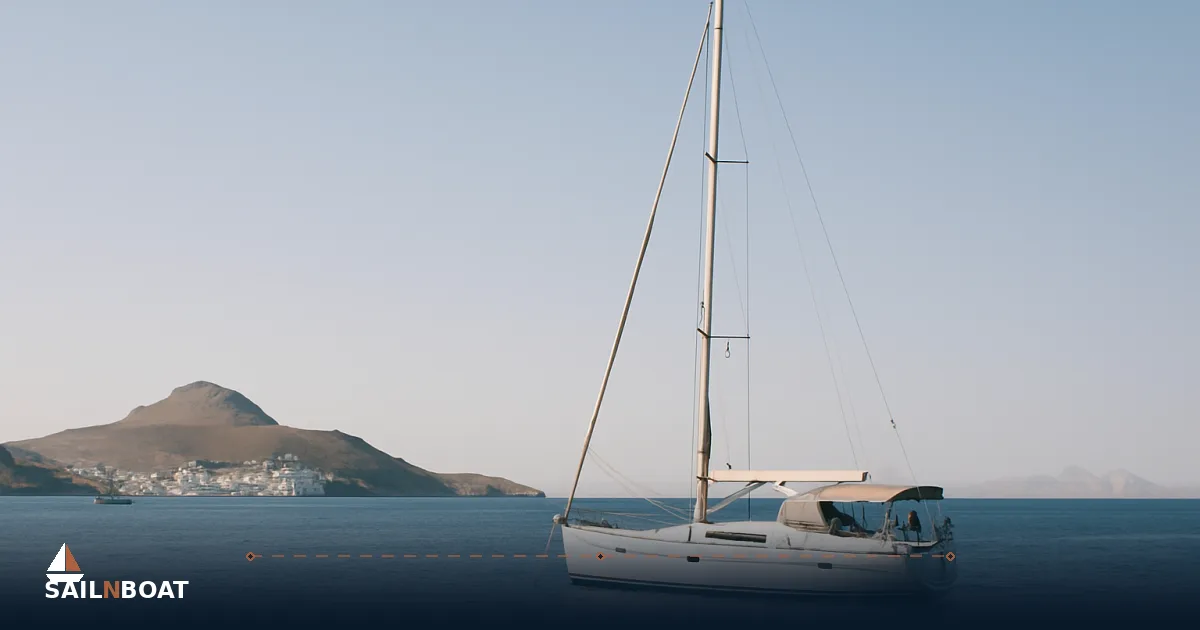
A week in the Dodecanese can be run as a practical clockwise loop from Rhodes that mixes short passages, sheltered anchorages and one or two longer legs.
Day 1: Arriving in Rhodes
Rhodes is the easiest embarkation point — regular flights and a modern marina infrastructure make handover straightforward. Use the marina if you need reliable services at check‑in; if you prefer town access and quick provisioning, the Old Town/Mandraki quays are practical but busier.
Mooring in Rhodes Marina
Rhodes has both the historic Mandraki harbour (the town quay) and a purpose‑built marina with berths billed by length/area. The Rhodes Marinas price list sets structured rates and extra service charges; expect marina billing to be significantly higher than stern‑to quays but to include water, power and shore services. Book well in high season.
Practical note: many crews arriving late prefer to stern‑to the Mandraki quay if space is available and manage stores on foot; that option is commonly cheaper but offers limited shore power and fuel availability.
Exploring Rhodes
Make time for the Medieval Old Town and the Palace of the Grand Master — the walkable streets are compact and practical for provisioning and a first‑night dinner ashore. For a half‑day trip fromthe marina make time for the Acropolis of Rhodes on Monte Smith and the Archaeological Museum if you have energy — both are a short taxi or 20–30 minute walk from Mandraki. Practical boarding checks at handover usually include fuel level, water tank, dinghy and outboard condition, safety kit and a short engine demonstration; expect the base to run through electronics and to note any pre‑existing hull marks. If you need provisioning, the supermarkets near the marina are well stocked; fresh fish and island wines are available at the waterfront markets.
Day 2: Sailing to Symi Island
A popular first hop is Rhodes → Symi: a longer coastal passage that rewards you with a compact, sheltered harbour and old‑world architecture.
Sailing Conditions
Distance: approximately 23 nautical miles from Rhodes town to Symi Gialos — plan for a passage of a few hours depending on your boat speed and traffic. In summer the prevailing winds are northerly; you’ll often see 10–20 knots on a typical day and stronger winds if the Meltemi establishes. Run a morning weather briefing: if the wind is fresh from the north, the lee of Symi can be bouncy near the entrance, so approach with reduced sail and an extra hand on deck.
Mooring Options
Symi’s principal quay at Gialos offers municipal berths where many visiting yachts tie stern‑to; availability is limited in July–August and you should plan a backup anchorage in Pedi Bay or Panormitis. Smaller yachts sometimes pick up a free or low‑cost municipal berth; larger boats may need to anchor off and go ashore by dinghy. Water and shore power are not guaranteed on the outer quay; bring stern lines long enough to reach a quay tie and a spare anchor if you plan to overnight off‑the‑hook.
Cultural Highlights
Spend your afternoon walking the steep streets with their neoclassical façades and mosaicked steps. The Monastery of Archangel Michael Panormitis is the island’s main pilgrimage site and is worth the short crossing to the south coast if time permits; the monastery also has a small maritime museum. In town, sample Symi shrimp at a waterfront taverna — the local fishers land small, fresh catches each morning.
Day 3: Nisyros Island Exploration
Nisyros is volcanic, compact and ideal for ashore exploration after a morning sail.
Journey Details
Sail roughly 18 nautical miles from Symi to Nisyros; expect a passage of several hours depending on currents and boat speed. The volcanic caldera is visible on approach and provides reliable lee for anchoring in Mandraki if conditions permit.
Mooring Fees
Mandraki Harbour on Nisyros has limited facilities and municipal berths; small yachts may pay a modest municipal fee, but rates and payments are variable and sometimes handled by a harbourmaster or a taverna representative. Water and electricity are limited; plan to top up supplies in Rhodes or Symi if you need full tanks.
Local Attractions
The active‑looking crater, Stefanos, is one of Nisyros’ defining features — you can walk into the crater during daylight hours on a marked path. The village of Nikia perches above the caldera and offers traditional houses and narrow lanes. Thermal springs on parts of the island are known locally but facilities are basic; expect rustic conditions.
Day 4: Kalymnos Island Adventures
Kalymnos is a working island with services and a very different character: climbers and sponge divers share the waterfront.
Sailing Distance
The passage from Nisyros to Kalymnos is about 16 nautical miles; it can be broken into shorter hops if the Meltemi is blowing. Approaches to Kalymnos town are straightforward, but local traffic (ferries and fishing boats) is busy — maintain a good lookout.
Mooring Details
Kalymnos town has quay space and a small marina area where visiting yachts typically find berths; municipal fees are modest and some crews report night fees that vary by length and season. Services such as water, diesel and provisioning are generally available but can be limited during late evening.
Activities
Kalymnos is one of Greece’s premier sport‑climbing areas — if you or your crew climb, arrange a local guide for single‑pitch routes. The sponge museum documents the island’s traditional industry; in town, you’ll find workshops selling cured sponges. If you prefer sea sports, the north coast has coves for snorkeling and a few sheltered anchorages.
Day 5: Pserimos Island and Relaxation
After busier ports, Pserimos offers a short, restorative sail and quieter anchoring options.
Sailing to Pserimos
The leg from Kalymnos to Pserimos is a short run — roughly 6–8 nautical miles depending on the route — making it an easy morning sail where you can keep one reef in or motor along at an easy pace.
Mooring and Fees
Pserimos seabed is good for anchoring close to shore and many visitors simply anchor off and go ashore by dinghy. There is usually space at the small quay but capacity is limited; mooring here is commonly free or involves a small contribution to a local taverna for a night’s stay. Fresh water and fuel are not guaranteed ashore.
Local Highlights
Pserimos is about beaches and quiet days: swim from the cockpit, snorkel the clear shallows and take a long lunch at one of the family tavernas ashore. There are no significant ruins — this island is about low‑effort relaxation and straightforward dinghy access.
Day 6: Tilos Island Historical Insights
Tilos gives you hiking, ruins and more remote island life — a welcome contrast to busier ports.
Sailing Distance
Sail approximately 15 nautical miles from Pserimos to Livadia, Tilos; the passage is generally exposed to northerly breezes, so time your departure for a calmer morning or plan to motor if the wind is up.
Mooring Options
Livadia in Tilos provides a small harbour where visiting yachts can find berths; municipal berthing charges are typically modest (many crews report fees around 15–25 EUR depending on boat length and season). Facilities are limited: water and electricity may be available sporadically, so plan to use onboard reserves.
Cultural Sites
Tilos has archaeological remains including the ruins of ancient Agios Panteleimon and a network of hiking trails with views over the Aegean. The island’s remote feel makes it good for a full‑day ashore: bring comfortable shoes, water, and a daylight plan for longer hikes.
Day 7: Final Day in Chalki Island
A short final hop to Chalki is a gentle finish: small harbour, calm evenings and a slower pace before you return to Rhodes or disembark elsewhere.
Sailing to Chalki
The leg from Tilos to Chalki is around 12 nautical miles; it’s commonly done in the morning for a calm approach and an afternoon ashore.
Mooring Details
Chalki’s principal harbour offers stern‑to mooring on a town quay with limited amenities; many yachts also anchor off and go ashore. Mooring is often free or involves a small local charge; there is minimal shore infrastructure so plan fuel and water needs accordingly.
Cultural Exploration
Visit the small churches, the castle ruins and the island’s little waterfront tavernas — Chalki rewards slow walking and a late afternoon drink on the quay. If you have time, a short walk inland reveals pastoral landscapes and local life.
Common challenges and how to mitigate them
You will face a handful of recurring operational issues in the Dodecanese: Meltemi winds, crowded small harbours, limited shoreside services on minor islands, and variable mooring discipline. Here’s how to manage them.
- Meltemi management: the summer Meltemi can persist for days with northerly winds commonly in the 15–25 knot range and higher gusts at times; plan lee anchorages or port days, keep passages conservative (shorter legs), and check the weather twice daily. If wind strength is increasing, favour sheltered southern coves or inner harbours for overnight stops.
- Crowded quays: many small island quays operate on a first‑come basis; arrive before 16:00 in high season if you want a quay berth, or plan to anchor off and use a stern line and dinghy. Have a long stern line ready and practise a stern‑to approach before you need it at night.
- Limited fuel/water: smaller islands often lack fuel docks and water pumps. Top up fuel and water at Rhodes, Kos or Kalymnos if you rely on motoring or have a large crew. Carry an extra jerry can and a second potable water container if your itinerary uses many minor islands.
- Local fees and payments: municipal fees are often paid in cash and can vary. Carry small denominations of EUR and ask the harbourmaster or a taverna about local practices on arrival.
- Medical and spare parts: islands can take time to deliver spares. Carry a basic inventory of engine filters, belts and a spare impeller; bring a well‑stocked first‑aid kit and check medical evacuation options for remote islands.
Practical itinerary checklist (what to arrange before you leave)
- Berth bookings: book Rhodes marina in advance and reserve any requested marina berths (Symi and Kalymnos can fill up in July–August).
- Documentation: carry passports, charter contract and skipper/crew licences that your operator requires; many operators ask for a VHF operator certificate or proof of experience.
- Provisioning: stock up on diesel, fresh water and provisions in Rhodes; plan light re‑provisions in Symi or Kalymnos, and assume scarce supplies on Pserimos, Chalki and Tilos.
- Safety: verify the location and condition of lifejackets, EPIRB, flares, fire extinguishers and a liferaft if carried. Run a man‑overboard drill with the crew before you leave the marina.
- Weather briefing: run a formal briefing each morning: winds, sea state, forecasted Meltemi persistence, and alternative harbours if a planned port is full or exposed.
Quick reference: daily distances and rough timing
- Day 1: Rhodes — embark, provisioning, local checks (short local passages only).
- Day 2: Rhodes → Symi — ~23 NM, morning departure recommended.
- Day 3: Symi → Nisyros — ~18 NM.
- Day 4: Nisyros → Kalymnos — ~16 NM.
- Day 5: Kalymnos → Pserimos — ~6–8 NM.
- Day 6: Pserimos → Tilos (Livadia) — ~15 NM.
- Day 7: Tilos → Chalki — ~12 NM. Total route distance: typically 130–180 nautical miles, spread over seven days — sensible for an intermediate crew with time ashore, though actual mileage depends on your chosen anchorages and detours.
Start planning your Dodecanese sailing adventure today by choosing a flexible itinerary, reserving your first and last berths, and building weather contingency into each day; that is how you convert a good week into a reliable one at sea.
Frequently Asked Questions
Expect a mix: Rhodes and Kos have modern marinas with published, length‑based rates; smaller islands (Symi Gialos, Pserimos, Chalki, Kalymnos town quays) commonly allow stern‑to berths or free quays with only a modest municipal charge or voluntary contribution to a taverna. Fees vary by season and yacht length; check the marina price list in advance for Rhodes and budget for modest municipal fees elsewhere.
The summer Meltemi is the defining pattern: northerly to north‑northwest winds that commonly reach 15–25 knots and can blow for several days in July–August with higher gusts; coastal lee areas (southern coves) can be substantially calmer. Use daily synoptic forecasts and local wind apps to plan sea crossings and night stops.
Must‑sees on this route: the Palace of the Grand Master and the Medieval Old Town in Rhodes; the Monastery of Panormitis on Symi; the Stefanos volcanic crater on Nisyros; the sponge‑diving heritage and climbing villages of Kalymnos; the small churches and castle walk on Chalki.
Common issues: unexpected Meltemi strength, crowded small harbours, limited shore facilities, and short fuel/water windows. Mitigation: plan shorter hops on Meltemi days, book formal marina berths early, carry extra fuel/water reserves or arrange re‑provisioning stops, and carry stern lines and long anchors for stern‑to berths.
Build a conservative daily plan with one primary harbour and one backup anchorage per day, allow weather contingency days (especially in July–August), confirm berthing and customs (if crossing from Turkey) beforehand, and budget extra time for walking historic sites ashore.
Written by
Sailnboat Editorial
The Sailnboat editorial desk covers yacht and boat chartering worldwide — routes, bases, seasons, boat types, paperwork and the practical costs that decide a trip. We are a charter marketplace, not a boat owner or a local agency: what we sell is judgement and support, so our guides are written to help you make a decision, not to sell you a specific boat. Every guide is checked against live operator and marina data before it goes out.
Fact-checked against live operator and marina data, and published under our editorial standards. Last reviewed: .