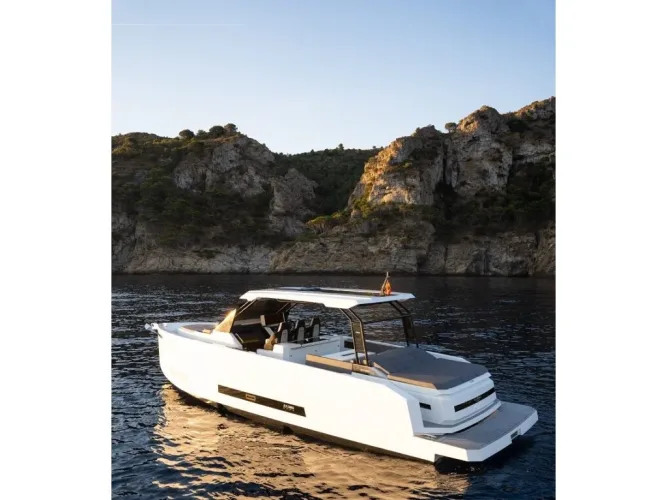
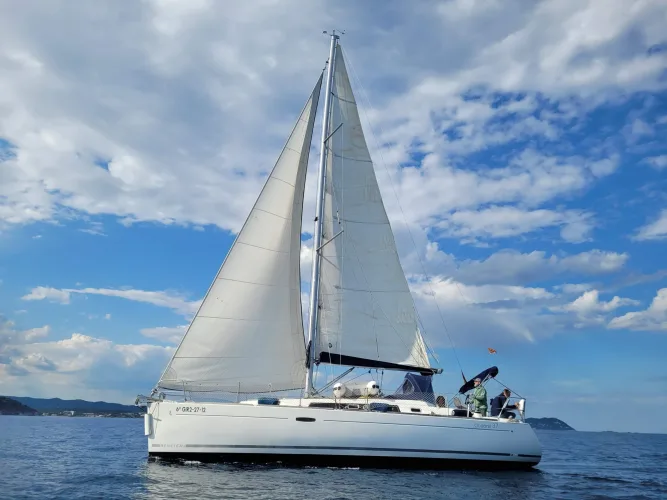
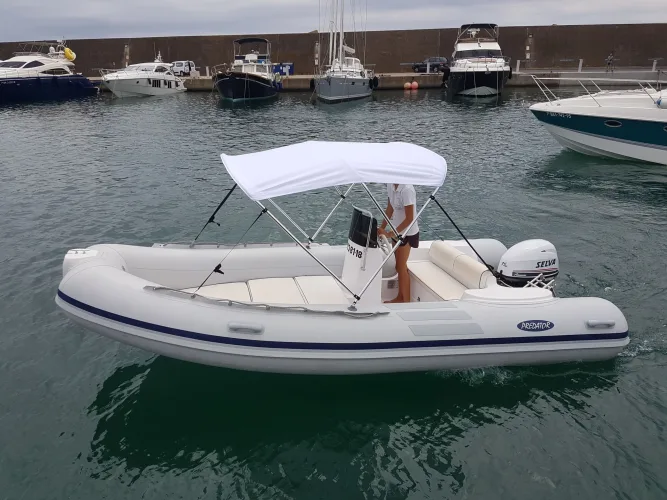
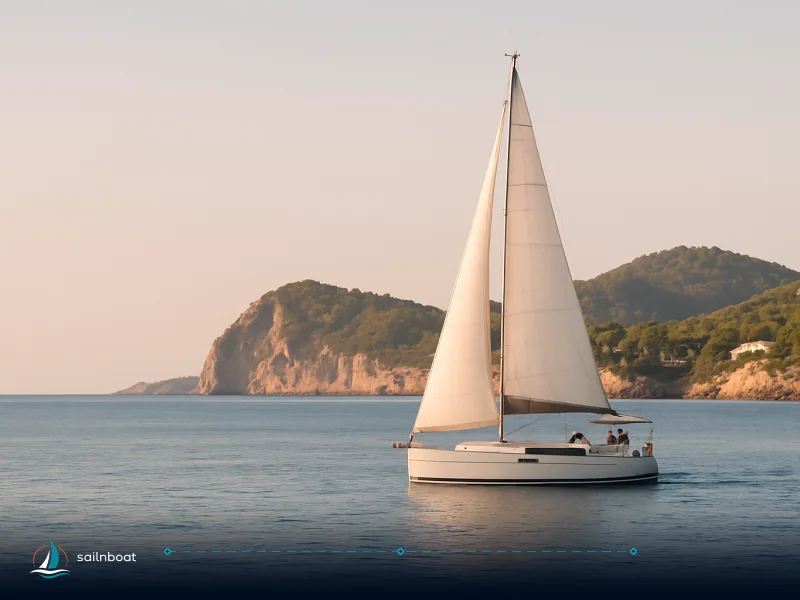
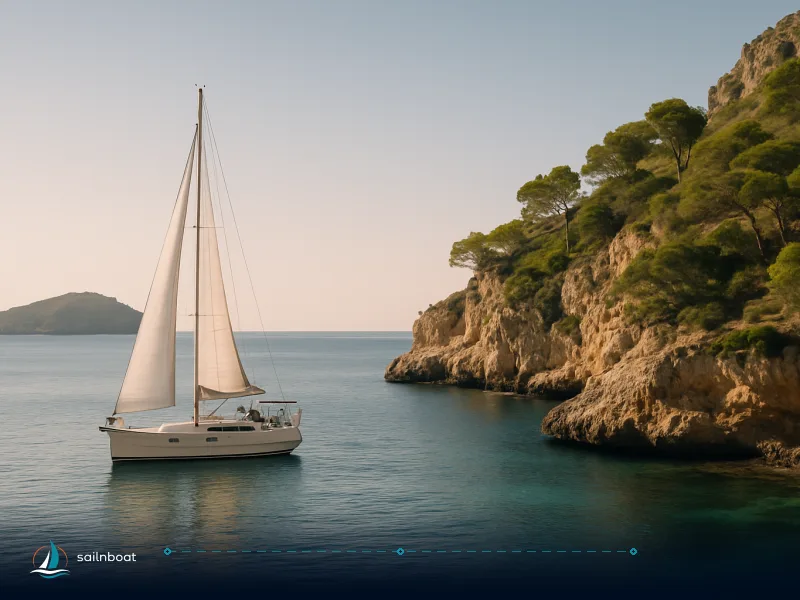
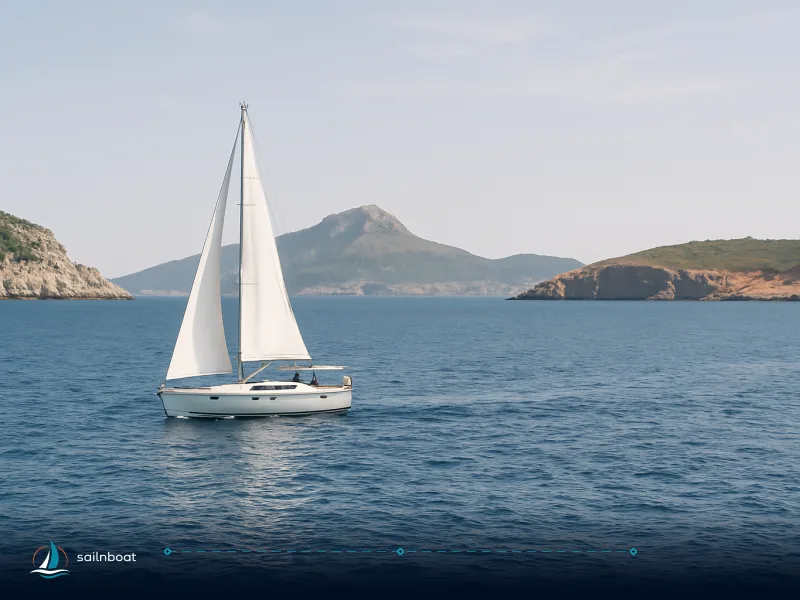
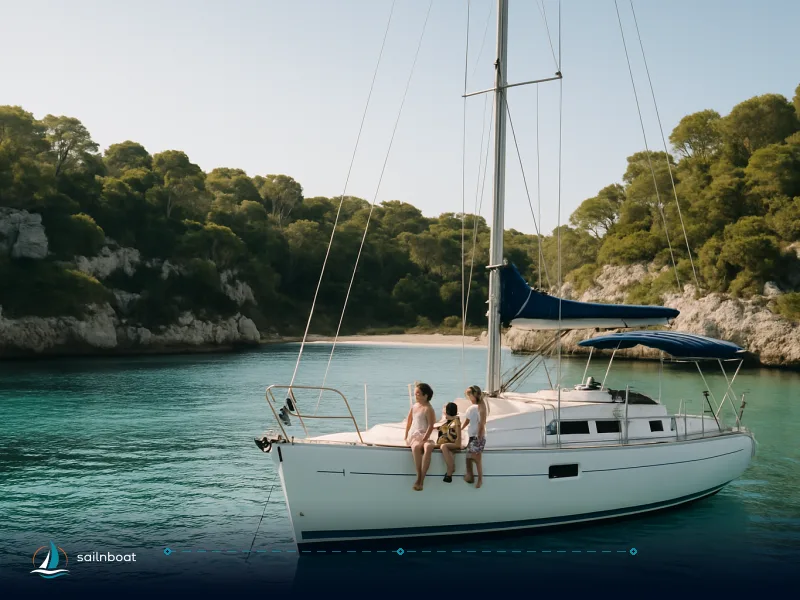
Seventy per cent of Spain's charter fleet is in the Balearics — 306 of 435 boats — and the four islands sit close enough together that a week can genuinely take in all of them. Mallorca, Ibiza, Menorca and Formentera are separated by passages of a few hours each, which is the right scale: open enough to feel like sailing, never far from shelter.
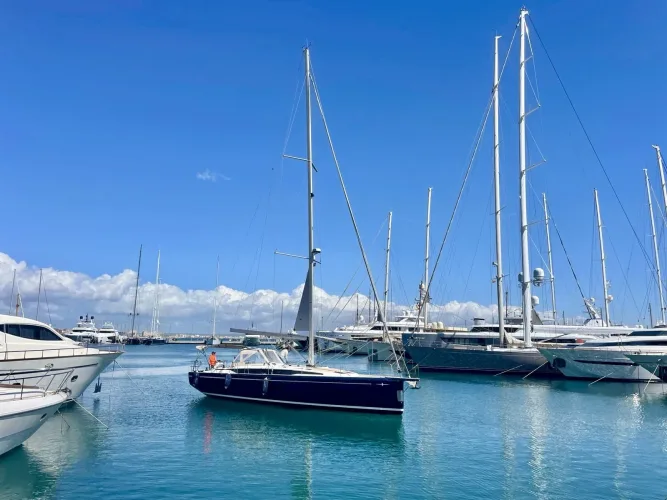
Be clear about the price, though, because this is not the cheap end of the Mediterranean. Weekly rates here start at about €1,800. For comparison, our Croatian regions start at €714, Italy at €750 and the Greek Ionian at €1,030. You are paying for the islands' popularity and for Palma, which is one of the Mediterranean's major yachting centres rather than a convenient airport.
The fleet is split between two bases and the choice matters. Mallorca holds about 116 boats, mostly around Palma and at Andratx on the south-west corner — from there the natural week runs west to Sa Dragonera, across to Ibiza and Formentera, or east along Mallorca's cove-cut south-east coast. Ibiza holds about 85, concentrated at Sant Antoni, Ibiza town and Santa Eulalia, which puts Formentera and the Espalmador sandbanks within an hour and makes Mallorca the crossing rather than the base.
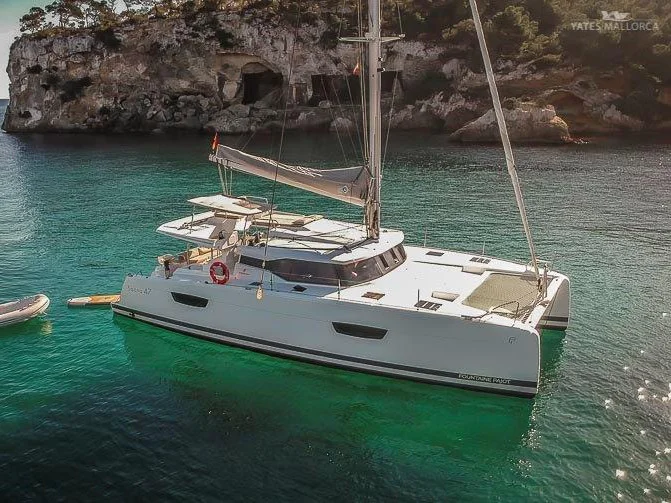
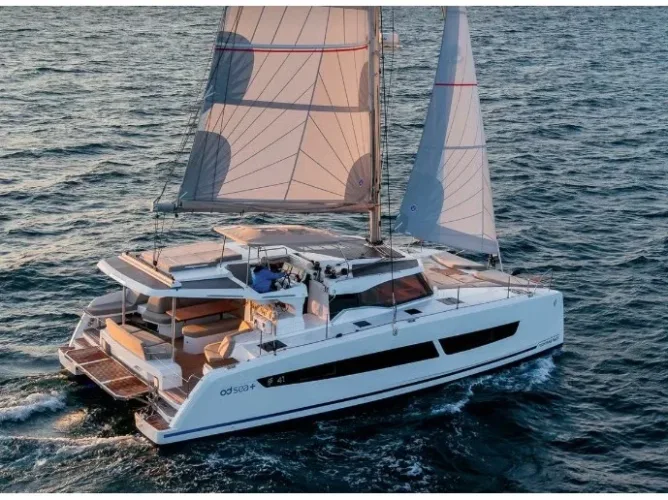
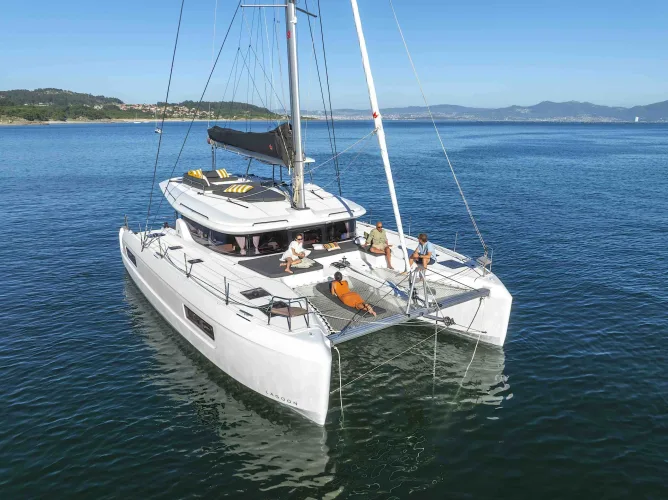
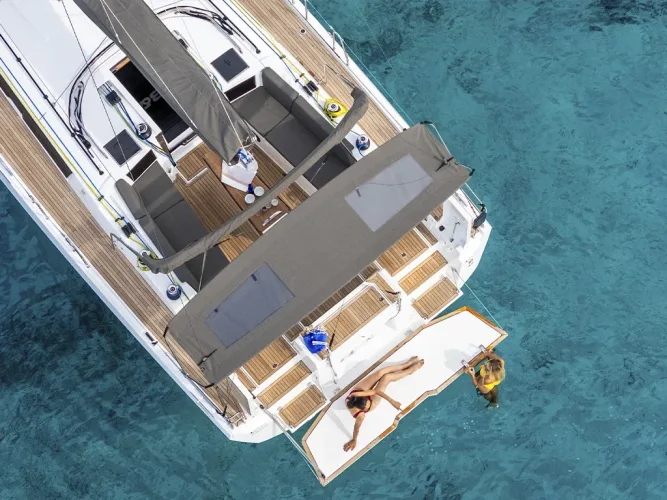
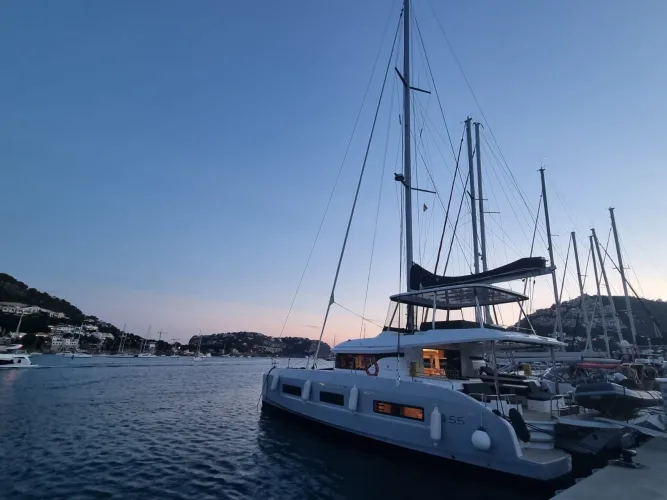
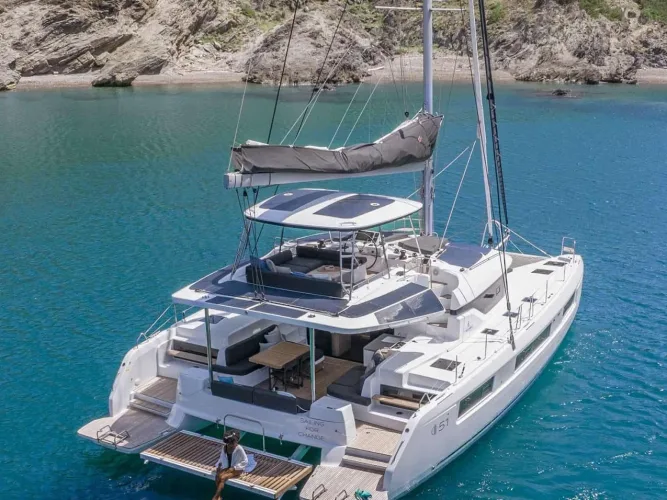
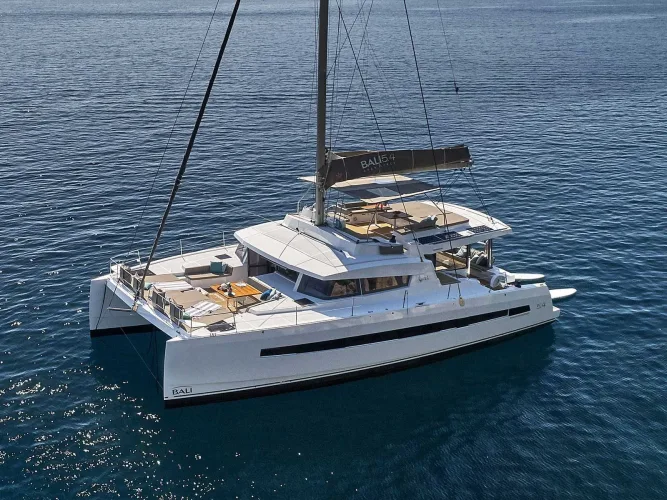
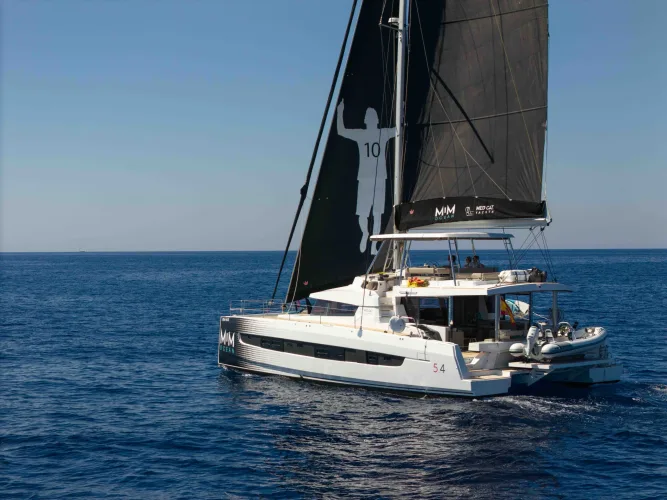
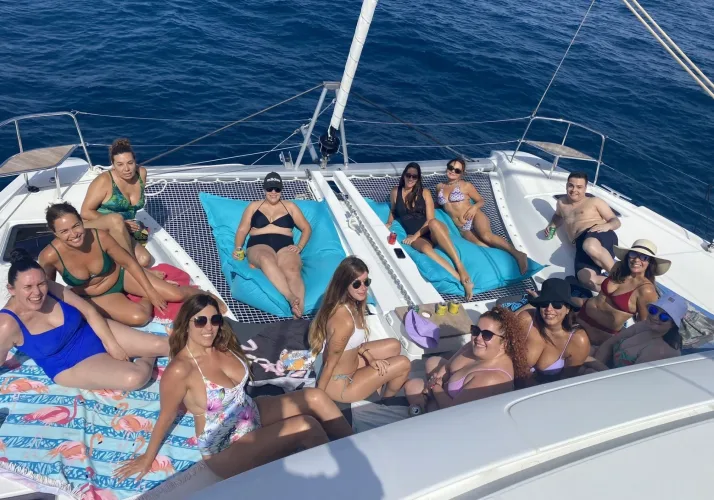
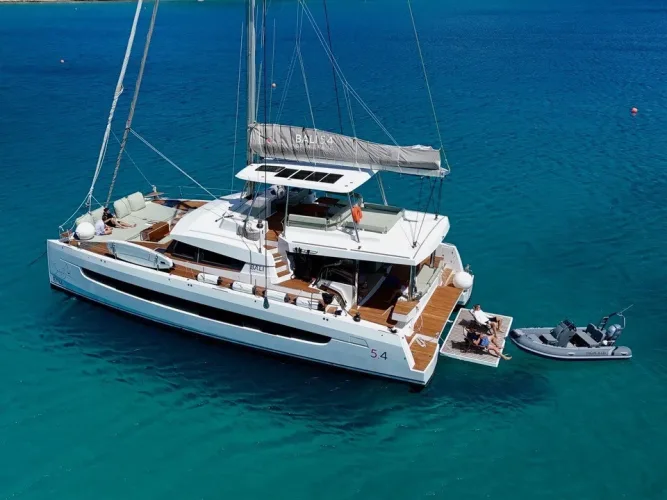
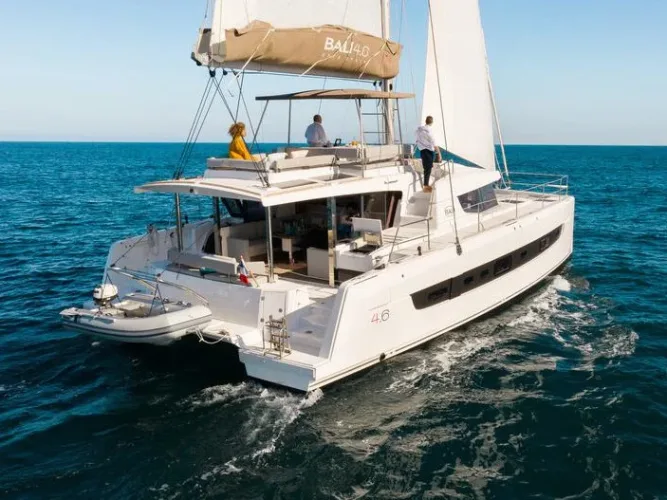
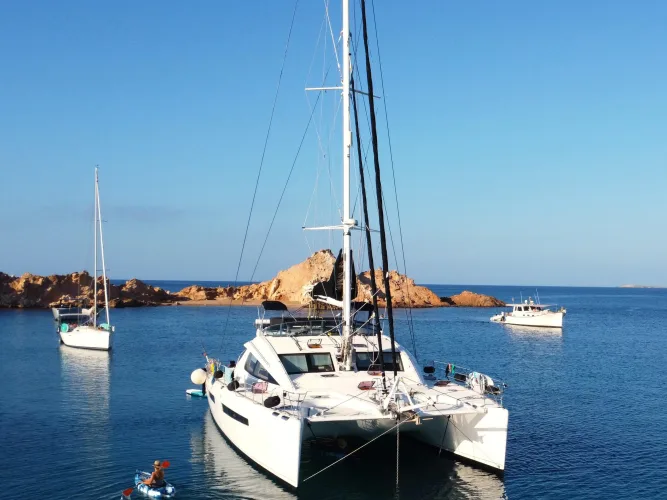
The wind to plan around is the tramontana, a cold northerly funnelling off the Pyrenees that hits the north of Mallorca and Menorca hardest. It is mostly a winter and shoulder-season feature; through the main season the pattern is gentler — light mornings, a thermal breeze in the afternoon, anchorages that stay usable. That is why 138 of the 306 boats are catamarans: the week is built around swimming and anchoring as much as covering distance.
Two permit regimes shape routes. The Cabrera archipelago south of Mallorca is a national park where numbers are capped and mooring buoys are mandatory, booked in advance. Espalmador and parts of Formentera are regulated to protect the seagrass, with buoy zones rather than free anchoring.