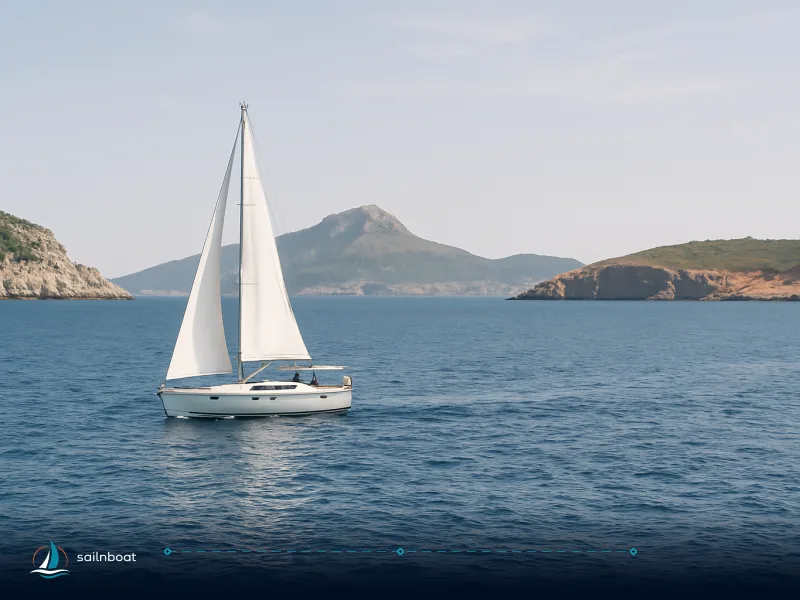
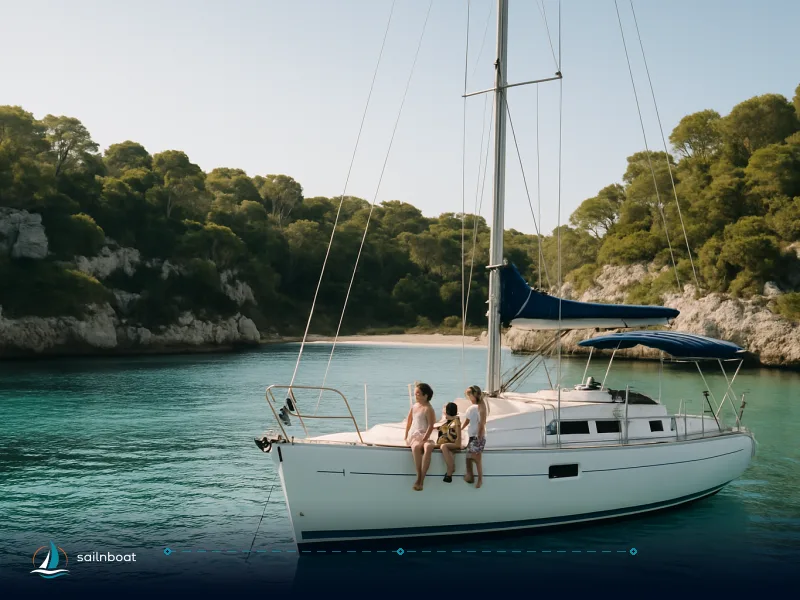
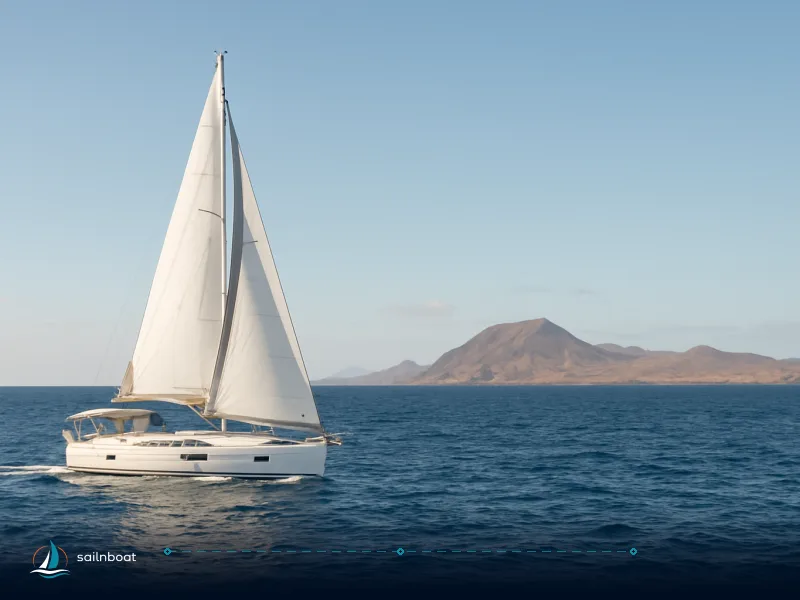
Catalonia's 34 boats sit at two ends of the coast about 150 kilometres apart, and they offer different weeks.
Eighteen are around Barcelona — Port d'Aiguadolç at Sitges, Port Ginesta and Port Olímpic in the city itself. That is the sheltered half, with the coast running south-west past Sitges toward the Ebro delta and the Balearics a night's sail offshore. Twelve are in the north, on the Costa Brava at Roses and the Club Nàutic — and that is a different proposition entirely, because the Costa Brava sits directly under the Pyrenees and is where the tramontana comes from.
The tramontana is the reason to choose carefully. It is a cold, dry northerly that funnels down off the mountains and accelerates across the Gulf of Lion, arriving with force and lasting days. On the Costa Brava you are in its path; around Barcelona you are in its lee. For a crew that wants wind, the north is the better coast and Cadaqués and Cap de Creus are spectacular in it. For a crew that wants a comfortable week, start at Sitges.
The other thing the north gives you is a marine reserve: the Medes islands off L'Estartit, a small group of islets with some of the best-protected underwater life in the western Mediterranean, where access and anchoring are regulated and diving is licensed.
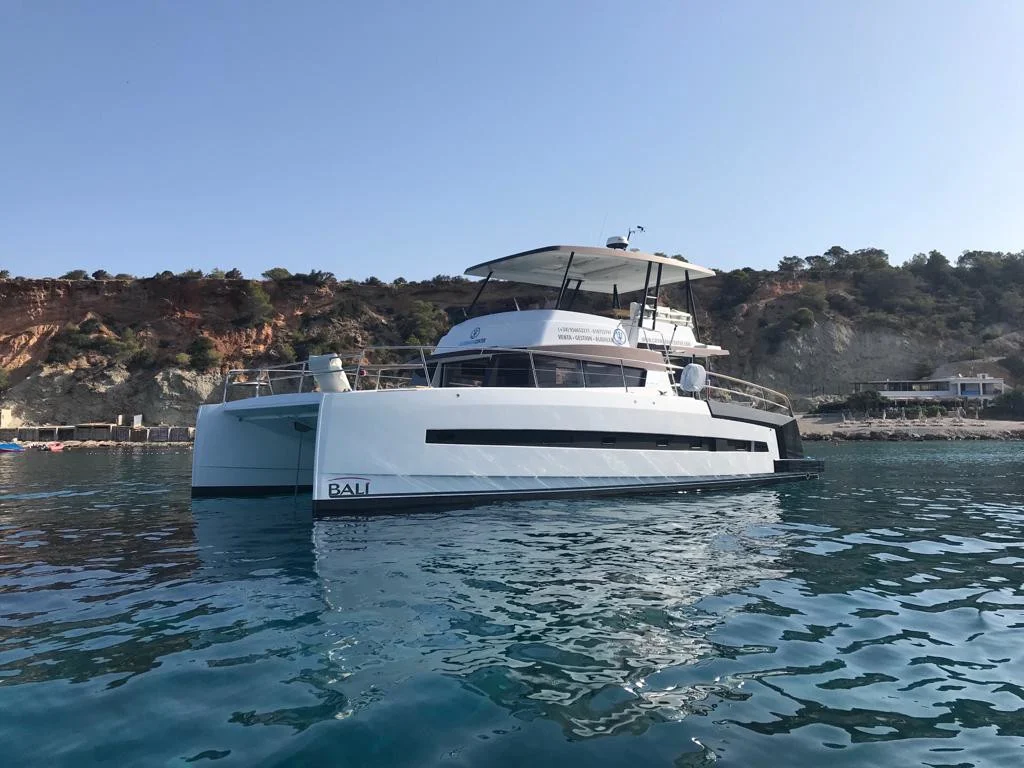
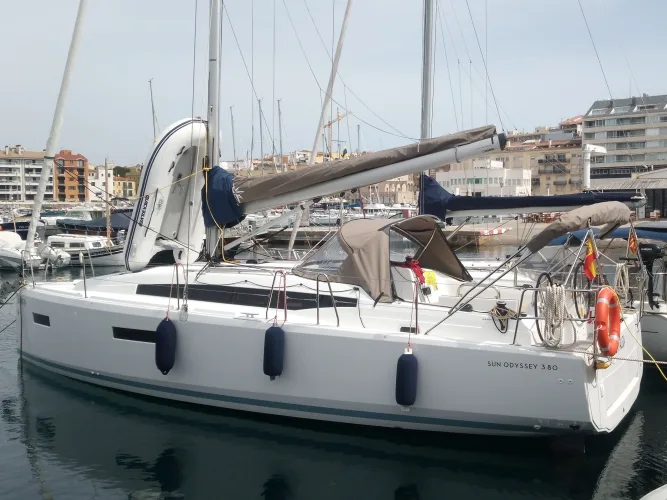
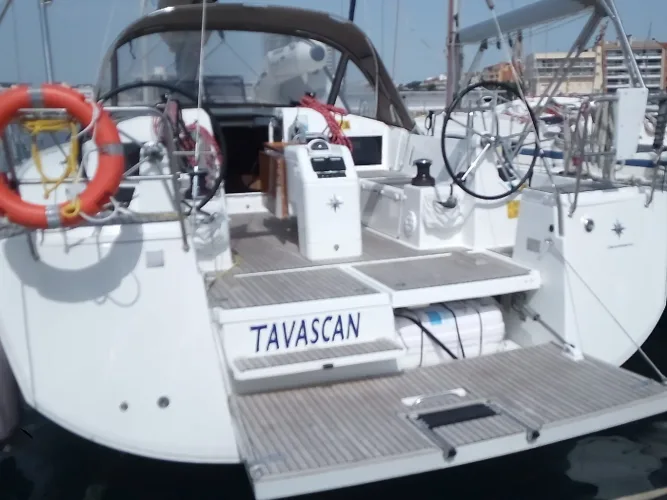
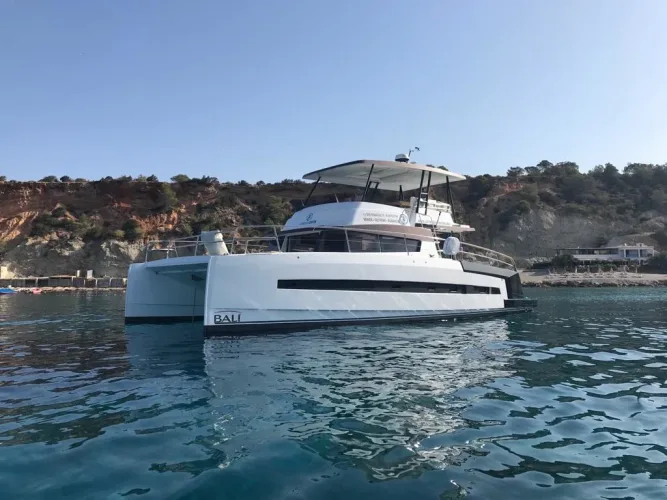
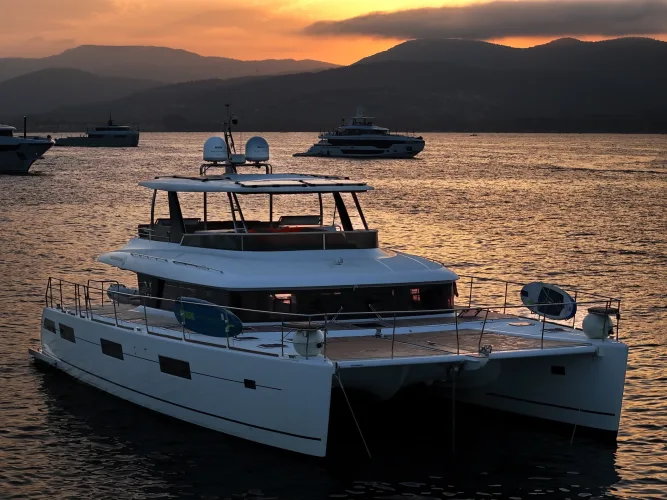
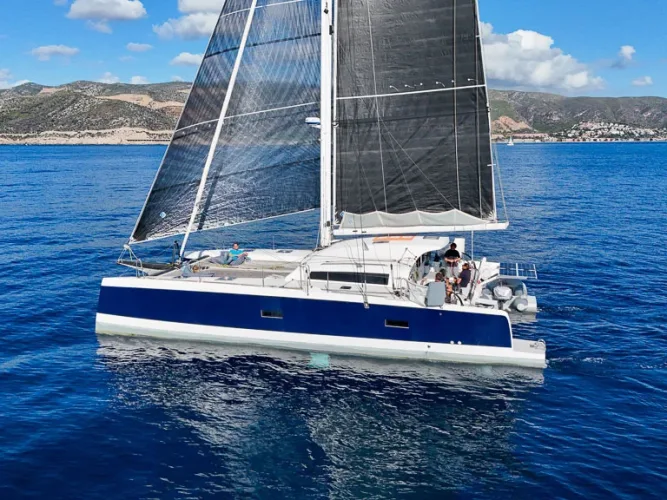
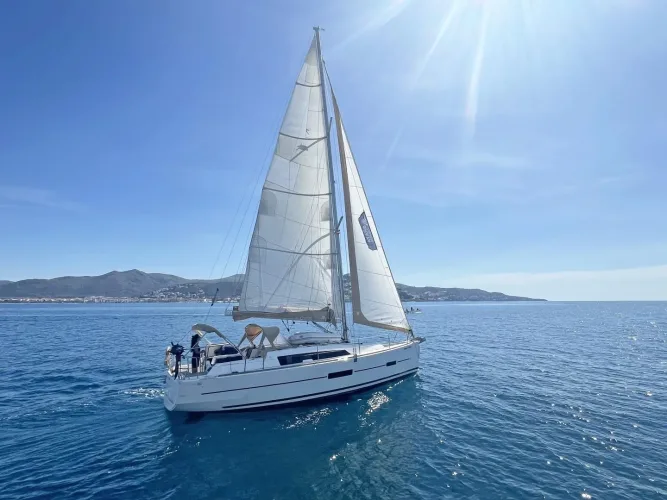
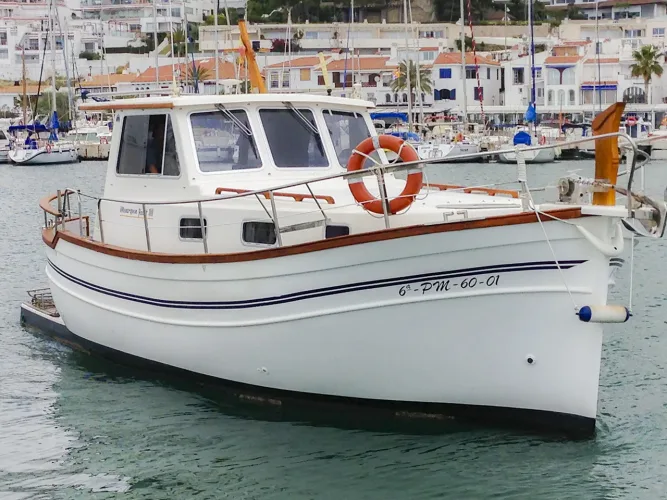
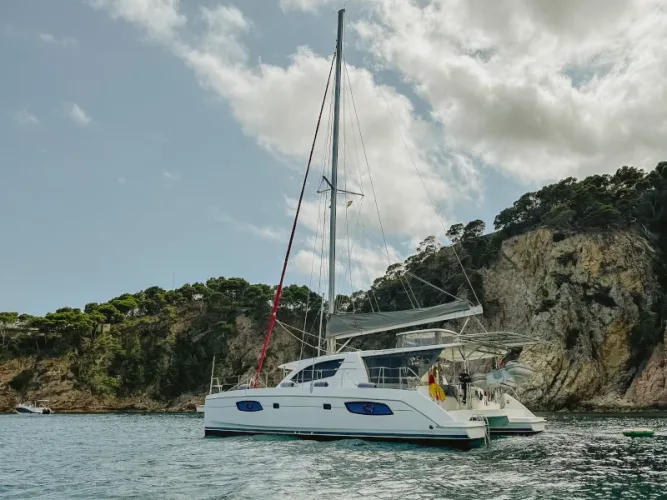
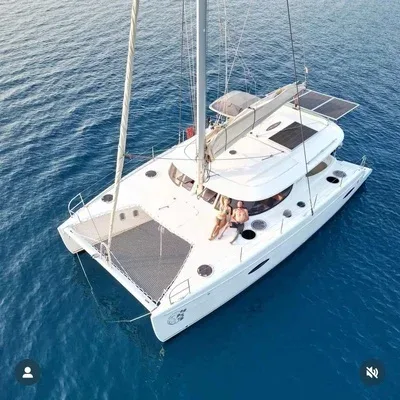
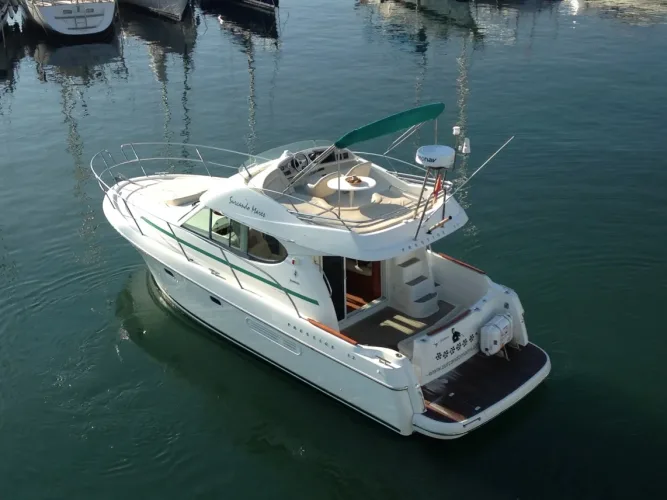
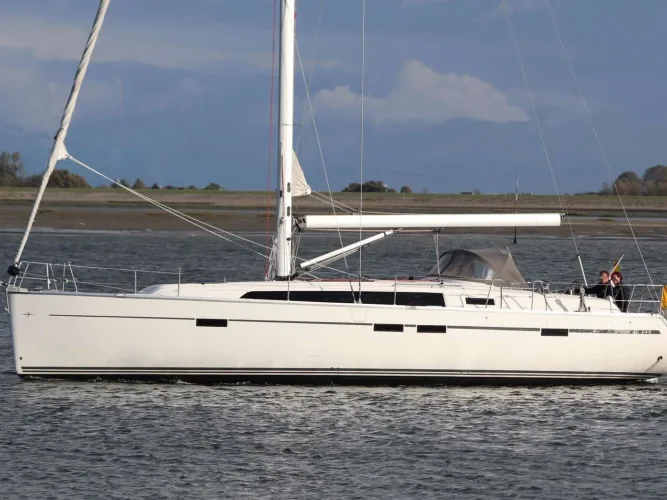
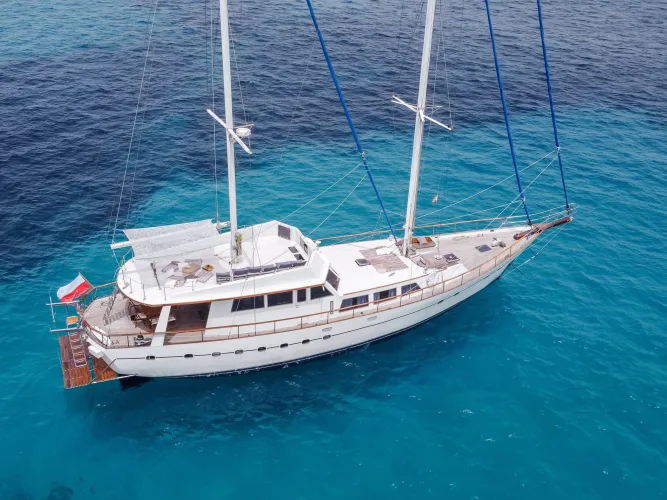
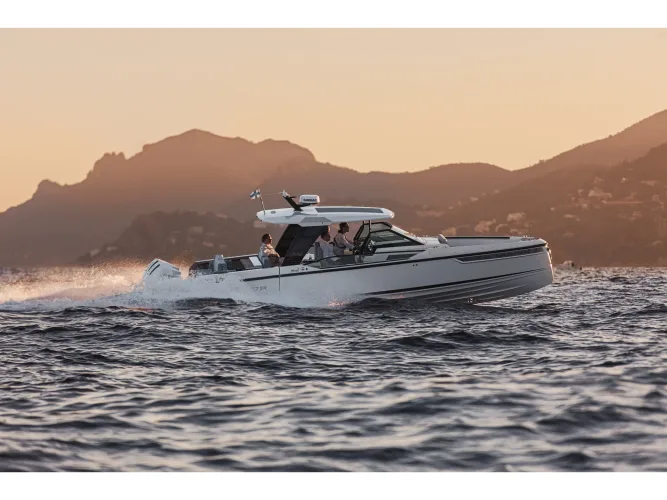
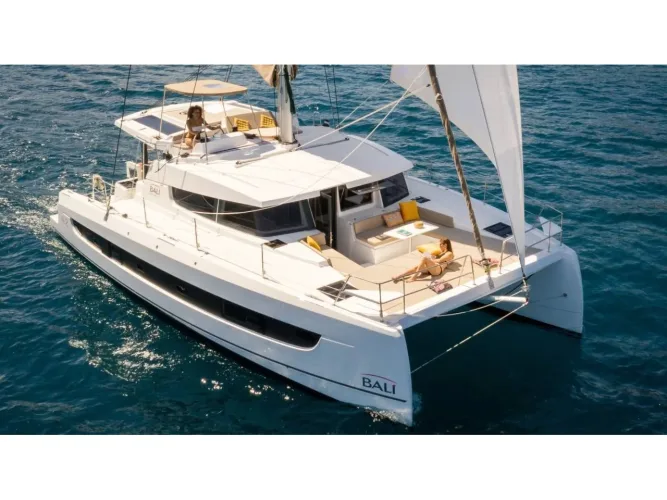
The fleet is unusually mixed — 15 monohulls, 9 catamarans, 9 motor yachts — averaging 12.4 metres, with 11 of the 34 skippered. Rates start at €2,204, which is at the expensive end for mainland Spain, and all 34 boats change over on a Saturday. The Balearics are 100 to 140 nautical miles offshore: a real overnight passage, and most charter agreements do not permit it.