Best Catamarans for Family Charters: Top Models Compared
A compact, decision-focused comparison of the best catamarans for family charters — from roomy Lagoon and Bali models to luxury power cats — with specs, performance notes and realistic charter-cost ranges.

Best Catamarans for Family Charters: Top Models Compared
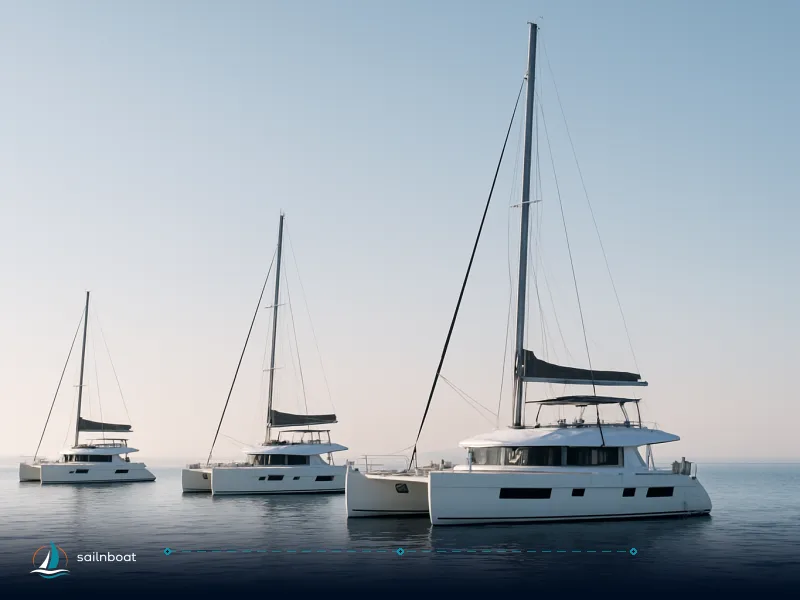
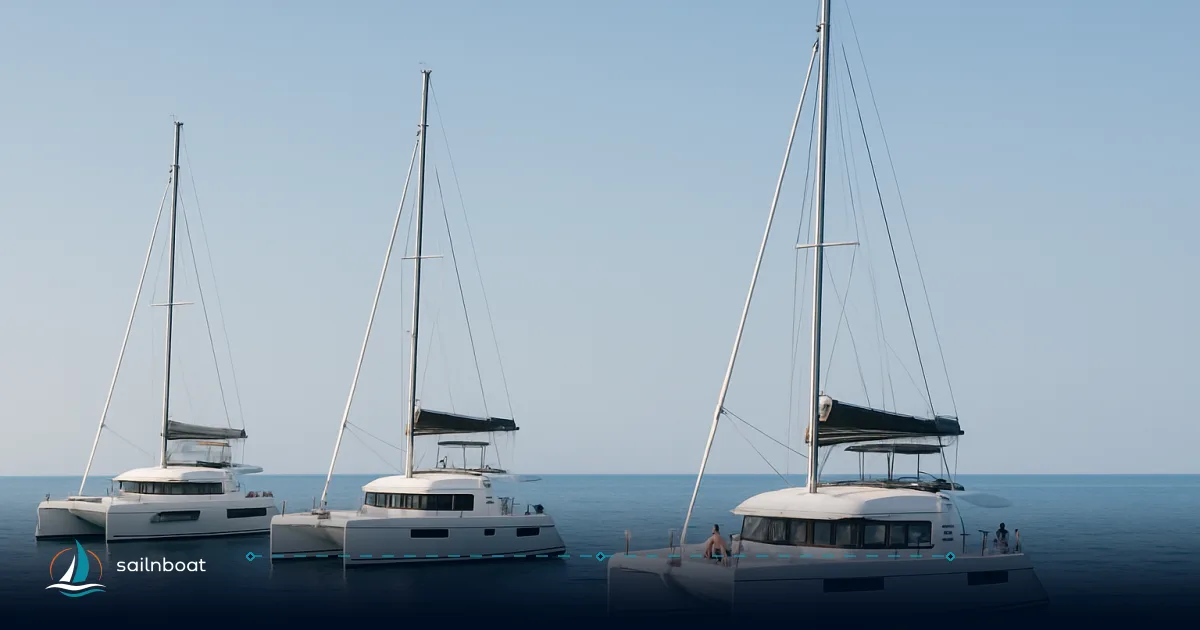
When planning a family charter, practical space, easy handling, and a stable ride matter more than anything else. Catamarans dominate modern charter fleets because they deliver these essentials. The best catamarans for family charters offer real living area—foredeck seating, wide cockpits, open saloons—plus at least three or four cabins (usually with en-suite heads), shallow draft for sheltered anchorages, and simple maneuvering with twin engines. As you compare models, the real decisions come down to cabin privacy, galley setup, mooring costs, and what’s actually included in your charter fee.
Top Catamaran Models for Family Charters
Families most often ask for these models when they want a proven family-friendly layout and reliable charter support. Below, you’ll find the operational details that matter at booking: length, beam, draft, typical cabin/head options, indicative charter price bands, and mooring fee notes. Where recent public data could not confirm a specific figure, you’ll see the range and what it depends on.
Lagoon 46
- Why families pick it: High interior volume, layout optimized for charter (four-cabin/four-head versions common), shallow draft for island cruising, and a large aft cockpit flowing into the saloon.
- Key specs: LOA ~13.99 m (46 ft), beam 7.96 m, draft ~1.37 m; light displacement ~16.3 t; fuel 1,040 L / water 600 L. Most charter versions offer 4 cabins/4 heads.
- Mooring fees: In the Mediterranean and Caribbean, fees for a 46-foot catamaran can vary widely—often starting around €70 per night in less crowded marinas, but reaching or exceeding €120–150 per night in high season at popular or high-demand ports. Always confirm with your operator or planned marinas for up-to-date rates.
Bali 4.6
- Why families pick it: The Bali OpenSpace concept (full-width tilting door and forward cockpit) creates a unified saloon/cockpit living area—ideal for keeping kids in sight. A flybridge option adds a separate social space.
- Key specs: LOA ~14.28 m (46–47 ft), beam ~7.66 m, draft ~1.22 m; flexible 3–6 cabin layouts, with 4 heads typical for charters.
- Mooring fees: Similar to Lagoon 46, but the wider beam can sometimes put this model in a higher fee bracket, particularly in marinas that charge by width as well as length. Expect a range from €80 up to €150 per night in peak periods.
Fountaine Pajot Astréa 42
- Why families pick it: Compact but generous living areas, easier handling for smaller crews, and available in 3–4 cabin charter layouts.
- Key specs: LOA approximately 12.58 m, beam around 7.2 m, draft close to 1.25 m.
- Mooring fees: Typically, expect €60–100 per night in popular Mediterranean marinas during high season, but this varies by port and region.
Leopard 45
- Why families pick it: Roomy cockpit, practical galley, large hull volumes that feel like a bigger boat, and designed for straightforward handling. Offered in 3-cabin owner’s or 4-cabin charter versions.
- Key specs: LOA approximately 13.72 m (45 ft), beam about 7.35 m, draft around 1.5 m.
- Mooring fees: In line with Lagoon and Bali 46, with rates often in the €70–120 per night range in high season, but can be higher in specific marinas.
Sunreef 70 Power (example: AMBER ONE)
- Why families pick it: For those seeking a fast, stable platform with spacious decks, a power cat like the Sunreef 70 combines villa-style social zones, full crew, and a broad water-toy inventory.
- Key specs: LOA ranges from 21.3–21.5 m, beam varies by layout between 9–11.3 m; cruise speeds for power variants typically in the low-teens knots.
- Mooring fees: For 70-footers, marina charges in the Med high season can start from €250–400 per night, but top-tier marinas and wide-beam cats will see higher rates.
- Pricing: Amber One’s 2026–2027 season pricing generally sits in the €49,000–€75,000 per week band plus VAT and APA, based on published charter listings. Rates may fluctuate by region, season, and specific arrangements.
NDS EVOLUTION (JFA 85ft)
- Why families pick it: Expedition-grade sailing catamaran with superyacht comforts—large foredeck, full-beam owner suite, significant toy capacity, and permanent crew. Suited to large family groups wanting a fully crewed, all-inclusive week.
- Key specs: LOA about 26 m, beam near 12 m. As a custom supercat, layouts and features are highly variable—always confirm specific arrangements with the operator.
- Mooring fees: For 80–90 ft cats, marina fees can start at €400–700 per night in the Med high season, depending on marina and location.
Hemisphere (custom super-cat)
- Why families pick it: If you need an ultra-large, private supercat for a multi-generational group, Hemisphere (Pendennis/VPLP) is a standout—44.2 m sailing catamaran with multiple master cabins, huge deck volume, and professional crew.
- Key specs: LOA ~44.2 m (145 ft), beam approximately 16.6 m, draft around 3.25 m (loaded), guest capacity up to about 12. (Exact specs should be confirmed with the operator.)
- Mooring fees: Superyacht berths for this scale can reach €1,000–2,000+ per night in the highest-demand marinas, and must be reserved well in advance.
Comparing Space and Amenities
Families make their decision based on cabin count, how social spaces are arranged, and whether the galley/dining setup matches their needs. The table below compares the main models, including typical mooring fees by size and region.
| Model | LOA (m/ft) | Beam (m/ft) | Draft (m) | Typical Charter Cabins/Heads | Cruising Speed | Typical Charter Weekly Rate (indicative) | Typical Mooring Fee (high season/night) |
|---|---|---|---|---|---|---|---|
| Lagoon 46 | 13.99 m / 46 ft | 7.96 m / 26 ft | 1.37 m | 4 cabins / 4 heads | ~7–8 kn | €6,000–€13,000 (bareboat/skippered) | €70–150 |
| Bali 4.6 | 14.28 m / 46–47 ft | 7.66 m / 25 ft | 1.22 m | 4–6 cabins / 4 heads common | ~7–9 kn | €7,000–€15,000 (bareboat/skippered) | €80–150 |
| Fountaine Pajot Astréa 42 | 12.58 m / 41.3 ft | 7.2 m / 23.6 ft | 1.25 m | 3–4 cabins | ~7–8 kn | €5,000–€11,000 (bareboat/skippered) | €60–100 |
| Leopard 45 | 13.72 m / 45 ft | 7.35 m / 24.1 ft | 1.5 m | 3 or 4 cabins (3/3 or 4/4) | ~7–9 kn | €6,500–€13,500 (bareboat/skippered) | €70–130 |
| Sunreef 70 Power (Amber One) | ~21.3 m / 70 ft | ~9–11.3 m | ~1.5–2.5 m | 4 cabins + crew | 10–16 kn | €49,000–€75,000+ (crewed, seasonal) | €250–400+ |
| NDS EVOLUTION (JFA 85ft) | ~26 m / 85 ft | ~12 m | ~2.1 m | 4 cabins (up to 9 guests) | ~10 kn | Confirm with operator (crewed) | €400–700 |
| Hemisphere (Pendennis) | 44.2 m / 145 ft | 16.6 m / 54 ft | ~3.25 m | 5–6+ cabins, up to 12 guests | ~13 kn top | High six to seven figures / week | €1,000–2,000+ |
How to use the table: LOA and beam affect usable interior and cockpit space; draft controls access to shallower anchorages; cabins/heads determine privacy for different family groupings; speed and fuel needs drive APA and fuel allowances. Weekly rates and mooring fees can vary by region, season, and booking lead time—always confirm the latest rates with your operator.
Cabin Layouts
42–47 ft cruising cats (Astréa 42, Lagoon 46, Leopard 45, Bali 4.6) typically offer 3–4 cabins with en-suite heads in charter formats—suited for families of four to eight who want privacy and multiple heads. Larger cats move toward full-beam master suites and separate crew quarters.
Common Areas
Forward cockpit (Bali’s large bow cockpit) versus flybridge (favoured by many Lagoon/Leopard owners) is a trade-off: forward cockpits keep the group together at anchor, while a flybridge provides an elevated social spot and better helm visibility underway. The aft cockpit is usually the main living area for meals and lounging.
Kitchen and Dining Facilities
Galleys on 46–70 ft cats are typically full-sized (fridge/freezer, oven, induction/gas cooktops) and arranged either along the saloon or in one hull. If you plan to self-provision for children, check fridge/freezer capacity and whether there’s a grill or plancha in the cockpit. These details often make the difference between a smooth family week and repeated provisioning runs. Crewed charters with a chef remove most provisioning headaches.
Provisioning Options
Most charter operators offer several provisioning options:
- Pre-stocked: The base can supply the yacht with groceries and drinks before your arrival, based on your preferences.
- Self-provisioning: You can shop locally before departure—common in the Med, where supermarkets are usually near marinas.
- Hybrid: Some families pre-order staples and shop for fresh items on arrival. For crewed charters, provisioning is handled by the crew, but you’ll usually be asked for dietary preferences beforehand.
Performance Characteristics for Family Charters
Families should focus on comfort, predictability, and fuel budgeting—not racing performance.
Sailing Performance
- Stability: Catamarans stay flatter under sail, which helps reduce seasickness and makes moving around safer for kids and elderly guests. In tradewind or downwind cruising areas, this stability is a major advantage. The trade-off is upwind performance—monohulls typically point higher and feel different in gusty upwind legs.
- Handling: Twin engines on cats make close-quarters docking much easier; you can pivot almost in place. For bareboat charters, if your crew is less experienced, choose a model with simple control layouts and lines led to the helm.
Speed and Fuel Efficiency
- Typical cruising speeds: Sailing cats in the 42–47 ft range average 7–9 knots under good conditions. Power cats and larger motor cats cruise faster (Sunreef 70 power variants typically cruise in the low teens). Fuel consumption varies by model and load; large power cats can burn significantly more fuel, which impacts your APA and total trip costs. Ask for the builder’s fuel consumption figures or recent charter averages to plan your budget.
Mooring and Docking
- Draft: Most cruising cats have a shallow draft (often 1.1–1.5 m), opening up smaller anchorages and marinas in both the Med and Caribbean. Larger or performance-oriented cats, as well as supercats, will have deeper drafts and may require advance booking for suitable berths. Wide beams can mean a premium for marina berths, especially in peak season.
Regional Differences: Mediterranean vs Caribbean
Mooring Fees and Practices
- Mediterranean: Mooring fees in the Med are generally higher and vary greatly by country, marina, and season. Expect €70–150 per night for 45–47 ft cats in popular destinations (e.g., Croatia, Greece, Italy, France) during high season. In less busy ports or shoulder season, fees can be lower.
- Caribbean: Many anchorages in the Caribbean are free or have modest mooring ball fees (around $20–30 USD/night in places like the BVIs). Marinas are fewer and more expensive—expect higher fees for large cats, especially in high season or at full-service marinas in the USVI, BVI, or St. Martin.
Model Availability
- Mediterranean: The largest fleets for Lagoon, Leopard, and Bali models are found here. Fountaine Pajot and Sunreef are also common, with more crewed and luxury options in Croatia, Greece, and the Balearics.
- Caribbean: Lagoon and Leopard dominate the bareboat and skippered fleets; Bali and Fountaine Pajot are also widely available. Superyacht cats like Sunreef, NDS, and Hemisphere are available for crewed charters in the region, especially in winter season.
Seasonal and Weather Considerations
Best Months for Family Charters
- Mediterranean: Late May through September is prime, with July and August busiest for school holidays. Expect higher rates, crowded marinas, and the need for early booking—six months ahead is standard for popular bases. Winds are typically moderate, but the Meltemi in Greece can be strong in July/August.
- Caribbean: December through April is peak season, with holiday weeks in highest demand. Hurricane risk is lowest in this window; expect steady trade winds (15–25 knots) and warm, settled weather. Book early for winter holidays.
- Shoulder seasons: May/October in the Med and November/May in the Caribbean can offer lower rates and quieter anchorages, but check local wind and rainfall patterns.
School Holidays and Lead Times
Family charters are most in demand during school breaks. If you require a specific model or want crewed service, book early. For high-demand weeks (summer in the Med, Christmas/New Year in the Caribbean), booking 6–12 months ahead is common.
Accessibility and Family Readiness
Accessibility Features
Not all charter catamarans are equally accessible for guests with mobility challenges. If you need easy gangway access or require wheelchair or buggy accessibility:
- Decks: Ask about deck thresholds, step heights, and cockpit layouts. Some newer models (especially larger cats) have flush decks and minimal steps.
- Boarding ramps: Some operators can provide boarding ramps or gangways—request these when booking, especially in the Med where fixed docks are common.
- Adapted layouts: While few standard charter cats are fully wheelchair-adapted, some larger or custom models (especially in the luxury segment) can accommodate mobility aids, wider doors, or adapted baths. Confirm with your operator and request photos or diagrams.
Safety Equipment
- Lifejackets: Most charter operators provide lifejackets for every passenger, but requirements vary by country. For children, request child-size jackets well in advance, as some fleets have limited stock.
- Safety nets: Many operators can fit safety nets around the lifelines for families with small children, usually for a modest fee if arranged before arrival.
- Other equipment: Ask if the boat is equipped with jacklines, harnesses, and a first-aid kit. For crewed charters, the crew will brief you on safety and supervise water-toy use and tender operations.
Insurance, Deposits, and What’s Included
Charter Insurance and Deposits
- Security deposit: Bareboat charters typically require a refundable security deposit, often ranging from around €2,000 to €7,000 for 40–50 ft cats, depending on the operator, region, and season. Some operators offer non-refundable damage waiver insurance for a smaller upfront fee plus a reduced deposit, but terms vary—always check the contract.
- Insurance: Hull and liability insurance are commonly included in the charter rate, but the deductible (excess) is covered by your deposit. Optional travel/cancellation insurance is your choice. Missing the required qualifications (such as skipper’s licence or VHF certificate) can affect how an insurance claim is handled and may shift liability.
- Crewed charters: The operator insures the vessel and crew; your main exposure is for gross negligence or damage beyond normal use.
What’s Included (and What’s Not)
- Included: Standard inclusions are the yacht, insurance, bedding/linen, galley equipment, and a tender (dinghy). For crewed charters, crew salaries and meals are usually included, but always check if all food/drink is covered.
- Not included: Fuel (paid via APA for crewed yachts), marina/anchorage fees, provisioning, transfers, gratuities, and sometimes final cleaning or outboard fuel for the tender. Wi-Fi, air-conditioning hours, and water toys (SUPs, kayaks, snorkel gear) may be included or offered as extras—always confirm with your operator.
Wi-Fi and Connectivity
- Coverage: Most charter cats in the Med and Caribbean offer local Wi-Fi routers or mobile SIMs for an extra fee. Coverage is generally good near major islands and marinas, but service can be unreliable in remote anchorages or during storms. If you need constant connectivity, bring a backup SIM or hotspot.
Choosing the Ideal Catamaran for Your Family
A practical checklist and the trade-offs you’ll encounter:
Assessing Family Needs
- Number of guests/privacy: Match cabin and head count to your group. A family of four might want two cabins with two heads or a 3-cabin layout with a children’s cabin; multi-generational groups often prefer separate forward or aft cabins for grandparents.
- Mobility and safety: If you need easy access or wheelchair/buggy accommodation, check deck layout, step heights, and whether the base can provide ramps.
- Activities: If you want towable water toys, diving, or e-foils, confirm the boat’s inventory, tender size, and whether the crew is trained for specific activities. Large charter cats and supercats usually carry an extensive toy list as standard.
Budget Considerations
- Base charter rate vs real trip cost: For crewed boats, the base fee is just the starting point. Add APA (the working float for fuel, food, and incidentals—often 20–35% of the base fee), VAT where applicable, berthing fees, fuel for long transfers, and gratuities. The APA is reconciled at the end of your charter.
- Price bands: Lagoon 46 and Leopard 45 are generally in the mid-four to low-five-figure EUR per week range (bareboat/skippered, low season). Bali and similar OpenSpace cats average in the mid-five-figure range on popular routes, while Sunreef 70 and supercats start in the high five figures and above.
Booking Process and Lead Times
- Booking steps: Most bookings begin with a hold on your chosen dates/model, followed by contract signing and deposit payment. Final payment is usually due 4–8 weeks before departure.
- Lead times: For peak weeks (school holidays, regattas), booking 6–12 months in advance is the norm to secure your preferred model, especially for larger or newly launched cats. Last-minute bookings are possible in shoulder seasons, but selection will be limited.
Benefits of Catamarans for Family Charters
Three practical advantages explain why catamarans are the default for family groups.
Stability and Comfort
- Flat platform: Catamarans reduce heel and provide a stable platform, making moving around easier for kids and elderly guests. At anchor, cats are typically more stable than monohulls of the same length. The motion is different—some guests find a cat’s fore-aft movement in short chop less comfortable—but for sheltered, short-hop family cruising, cats are usually preferred.
Space and Layout
- Usable space: Twin hulls and a wide beam mean larger saloons, separate seating zones, bigger cockpits, and often separate crew quarters. This means privacy for parents and space for kids to play without cluttering sleeping areas. Forward cockpit designs (Bali) or flybridges (Lagoon/Leopard) suit different social patterns; consider what fits your group best.
Safety Features
- Redundancy and visibility: Twin engines provide redundancy for maneuvering; two outboard access points simplify tender operations and make it easier to supervise or retrieve children. Many charter companies can fit safety nets and provide child-safety kits on request. For crewed charters, professional crew will brief and supervise all water-based activities.
Final Selection Checklist
- Confirm the exact cabin/head layout of your chartered hull (operators sometimes swap layouts within a model).
- Check draft and marina/anchorage suitability for your planned itinerary, especially for shallow or remote anchorages.
- Confirm included items: air-conditioning hours, Wi-Fi limits, tender horsepower, water toys, towels/linen, and final cleaning.
- Ask for the APA percentage and a sample breakdown of typical spend for your boat and itinerary.
- Review insurance and deposit requirements, and clarify what is covered and what is excluded from your charter fee.
- Request child-size lifejackets and safety nets if needed.
- If anyone in your group has mobility needs, confirm accessibility features and request photos.
Frequently Asked Questions
For most family charters the most relevant models are Lagoon 46, Bali 4.6, Fountaine Pajot Astréa 42 and Leopard 45; for larger budgets consider Sunreef 70 Power, NDS EVOLUTION or custom supercats such as Hemisphere.
Volume scales with length and beam — in the 42–47ft category you get 3–4 cabins and twin heads per hull in charter versions; 70ft+ power/supercats give full-beam master suites and far more social deck space.
Key points are cruising speed (cats typically cruise 7–12 kn under sail or 10–16 kn for power cats), shallow draft for anchorages, twin engines for close-quarters handling and easy motoring between islands.
Match family size and privacy needs to cabin count/heads, prioritise low draft for shallow anchorages, choose flybridge or forward cockpit for social space, and set a realistic budget that includes APA, marina and fuel.
Cats offer flatter motion at anchor, more usable living space for the same length, shallower drafts for protected anchorages and twin engines for simpler docking — all useful with young children or multi‑generational groups.
Written by
Sailnboat Editorial
The Sailnboat editorial desk covers yacht and boat chartering worldwide — routes, bases, seasons, boat types, paperwork and the practical costs that decide a trip. We are a charter marketplace, not a boat owner or a local agency: what we sell is judgement and support, so our guides are written to help you make a decision, not to sell you a specific boat. Every guide is checked against live operator and marina data before it goes out.
Fact-checked against live operator and marina data, and published under our editorial standards. Last reviewed: .