Best Catamarans for Solo Sailing Adventures: A Comprehensive Guide
Practical guidance for single-handed sailors choosing a catamaran: model recommendations, the essential features that save time and energy, safety kit you must carry, and maintenance tasks you can manage alone.

Making Solo Sailing Practical: What Really Matters
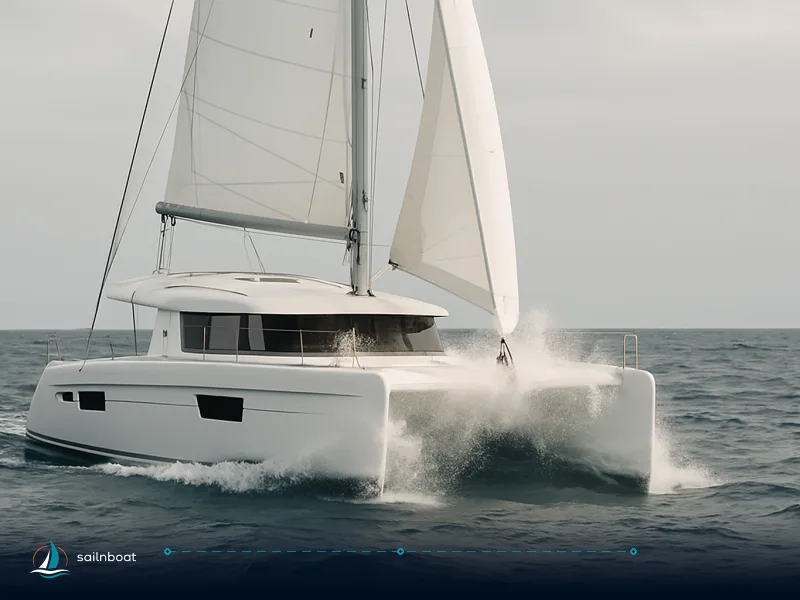
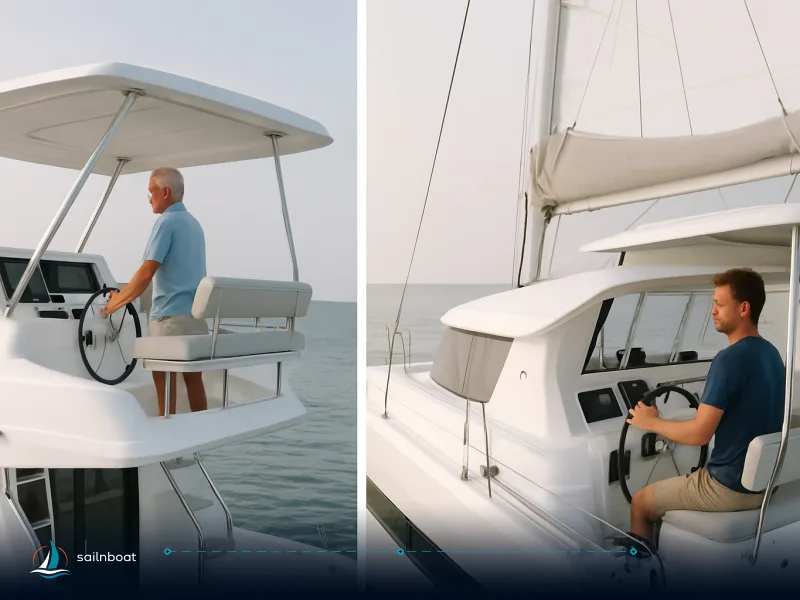
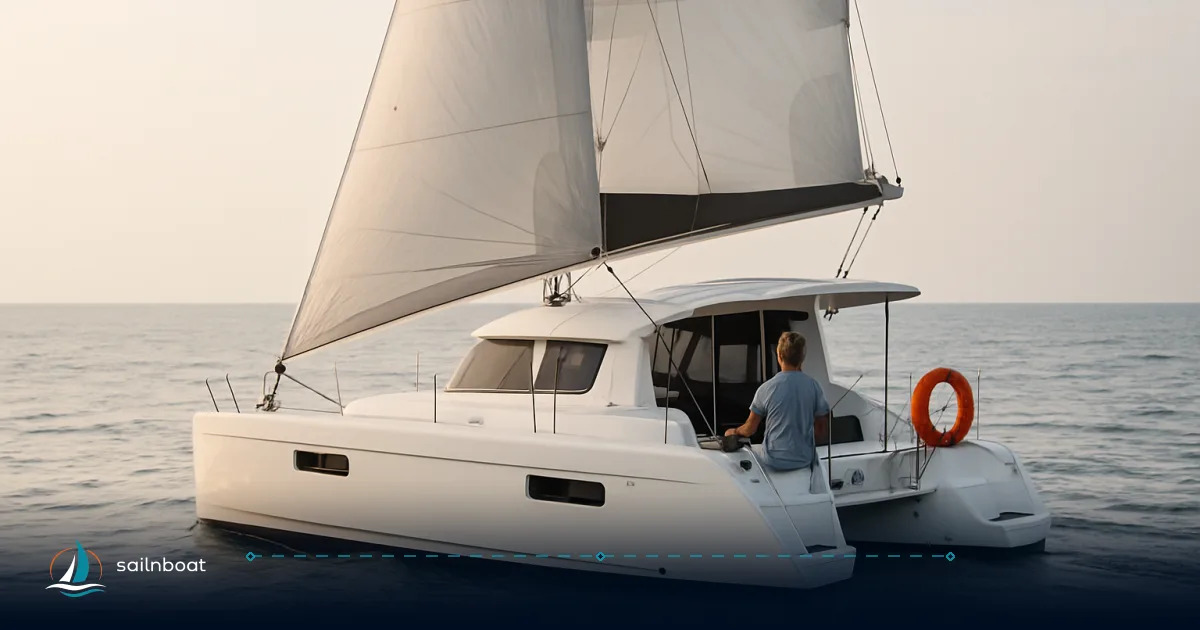
Solo sailing is a test of systems, setup, and self-reliance. If you’re considering chartering or owning a catamaran for solo use, your key decision is about control: can you reef, tack, dock, and anchor without leaving the helm? Most production catamarans can be adapted for solo sailing, but few are delivered truly solo-ready out of the box. The right model—and the right options—can mean the difference between an efficient passage and a string of preventable problems.
This guide breaks down the best catamarans for solo sailing, which features are standard or optional, what realistic costs to expect, and how to handle the main operational and regulatory challenges that single-handed sailors face.
Best Catamarans for Solo Sailing: Model-by-Model Overview
Most catamarans can be set up for solo sailing with the right equipment, but some models are more naturally suited than others. Here’s a comparison of widely available models, with notes on which features are commonly included, which may require upgrades, and what to confirm with your operator or broker.
Recommended Catamarans: Features and Options
| Model | LOA (approx) | Lines Led Aft (Std/Opt) | Autopilot (Std/Opt) | Electric Winches (Std/Opt) | Notes for Solo Setup |
|---|---|---|---|---|---|
| Lagoon 380 | ~38 ft | Typically optional | Optional | Optional | Many charter versions have lines led aft; check year and refit. Simple systems, easy retrofit. |
| Lagoon 42 | ~42 ft | Optional, common on 2020+ | Optional | Optional | Later models often have cockpit-led lines; upgrades common. Confirm with operator. |
| Leopard 39 / 40 | 39–40 ft | Often standard on 40 | Optional | Optional | Charter versions usually have cockpit-led lines; autopilot common but not universal. |
| Leopard 42 | ~41.7 ft | Often standard | Optional | Optional | Designed for short-handed sailing; check specific fit-out. |
| Fountaine Pajot Astrea 42 | ~42 ft | Optional | Optional | Optional | Raised helm; cockpit-led lines available. Charter versions vary. |
| Fountaine Pajot Tanna 47 | ~47 ft | Optional | Optional | Optional | Larger boat; more automation possible but not universal. Systems knowledge required. |
| Balance 442 | 44.3 ft | Standard | Standard | Optional | Built for short-handed sailing; self-tacking jib, thoughtful deck layout. |
| Outremer 52 | ~52 ft | Standard | Standard | Optional | Performance cat; manageable for experienced solo sailors with powered options. |
| HH44 (HH44-SC) | ~44 ft | Standard | Standard | Often standard | Modern systems, electric assist available. Suits tech-comfortable solo sailors. |
| Seawind 1370 | 44.95 ft | Standard | Standard | Optional | Cockpit accessibility and simple sail handling. |
| Nautitech 44 Open | ~44 ft | Standard | Optional | Optional | Open cockpit, clean deck runs; check autopilot and winch setup. |
| Xquisite X5 Plus | 54 ft | Standard | Standard | Often standard | Highly automated; large, complex systems. Not recommended for those new to solo handling. |
| Kinetic KC54 | ~54 ft | Custom | Custom | Custom | Semi-custom; can be specified for solo sailing but requires owner input and systems understanding. |
Key:
- "Standard" = included on most new builds or as part of the model's design.
- "Optional" = can be specified at build or retrofit, but not always present.
- "Custom" = determined by owner specification.
At-a-Glance: Physical Specs
| Model | Beam | Draft (approx) | Why Solo-Friendly |
|---|---|---|---|
| Lagoon 380 | ~6.5 m | ~1.15 m | Small, simple, easy to handle |
| Lagoon 42 | 7.7 m | ~1.25 m | Space, common cockpit-led options |
| Leopard 39/40 | 6.0–6.4 m | ~1.1–1.2 m | Compact, well-laid-out, common in charter |
| Leopard 42 | ~7.0 m | ~1.40 m | Ergonomics optimized for short-handed use |
| Fountaine Pajot 42s | ~7.2 m | ~1.25 m | Circulation, easy deck access |
| Fountaine Pajot 47 | varies | varies | Comfort, more automation possible |
| Balance 442 | 7.6 m | 1.15–2.15 m (boards) | Performance, self-tacking systems |
| Outremer 52 | varies | varies | High-performance, experienced solo sailors |
| HH44 | varies | varies | Electric assist, modern systems |
| Seawind 1370 | 7.6 m | ~1.30 m | Accessible cockpit, simple handling |
| Nautitech 44 Open | varies | varies | Clean deck, cockpit-forward design |
| Xquisite X5 Plus | 8.0 m | ~1.35 m | Automation, large batteries |
| Kinetic KC54 | varies | varies | Customizable for solo needs |
Essential Features for Solo Sailing Catamarans
What Makes a Catamaran Solo-Friendly?
- Autopilot: A robust autopilot with remote control is essential for solo passages. Many models list this as optional; always test it thoroughly before setting off. Carry a backup if you plan long passages.
- Lines Led to Cockpit: Not all boats have this as standard. Production cats often have lines led aft as an option or as part of charter-specific refits. Check the fit-out on your specific boat.
- Self-Tacking or Furling Headsail: Reduces hands-on time for tacks and maneuvers. Available or retrofittable on most models listed.
- Electric or Self-Tailing Winches: Lowers physical effort. Standard on some high-end models (Xquisite, HH44); optional or after-market on most others.
- Clean Deck and Safety Lines: Look for clear jackline paths and solid anchor points for tethers. You may need to add or adjust these for safe solo work.
- Bow Thruster / Reliable Engines: Not universal in this size range but helpful for docking. Twin engines with good visibility are a practical substitute.
Trade-off: The more systems you add, the easier single-handing becomes—until complexity outpaces your ability to fix things underway. Match your automation level to your technical comfort and support network.
Charter and Ownership Costs for Solo Sailors
Charter Costs
Chartering a solo-suitable catamaran costs more per person than group charters, but the operational overhead is the same. Here’s a typical range for a 38–45ft catamaran in the Mediterranean during high season:
| Model Size (LOA) | Typical Weekly Charter Rate (EUR) | Security Deposit (EUR) | End-Cleaning (EUR) | Optional Autopilot/Electric Winch Fee (EUR) |
|---|---|---|---|---|
| 38–40 ft | €3,000–€5,500 | €2,000–€3,000 | €150–€250 | €0–€350 (if specified) |
| 41–45 ft | €4,500–€8,000 | €2,500–€4,000 | €180–€300 | €0–€400 |
| 46–54 ft | €7,000–€15,000+ | €3,000–€7,000 | €250–€500 | €0–€500 |
- Solo Charter Policy: Some charter operators may have restrictions or require a second emergency contact for safety, especially for offshore or overnight passages. These policies vary—always confirm directly with your charter provider.
- Equipment Upgrades: Electric winches, upgraded autopilot, and safety gear may be extra—always ask what’s included.
Ownership & Operating Costs
Owning a catamaran for solo use means you’ll shoulder all running costs. Rough annual figures for a 40–45ft catamaran:
- Mooring/Marina Fees: €3,000–€8,000 per year (Med, varies by location and season)
- Insurance: €1,500–€4,000 per year (depends on hull value, cruising area, experience)
- Maintenance: Budget €4,000–€10,000 annually for routine maintenance, more if you rely on professional service for complex systems (autopilot, electrics).
- Upgrades/Retrofitting: Adding electric winches, lines led aft, or advanced autopilot can cost €2,000–€10,000+ depending on scope.
Tip: Solo sailors often spend more on preventive maintenance and quick-access spares to avoid being caught out.
Licensing, Insurance, and Legal Considerations for Solo Sailors
Licensing
- Europe: Most Mediterranean countries and charter companies require the skipper to hold an ICC (International Certificate of Competence) or a national equivalent (RYA Day Skipper, ASA 104, etc.). Many also ask for a VHF/SRC certificate.
- Solo Chartering: Not all charter operators allow solo charters; many prefer or require a minimum of two adults on board for safety, but exceptions are sometimes made for experienced sailors. Always confirm in advance.
- Insurance: Insurers may have solo sailing exclusions or require you to declare single-handing. Not all policies cover solo offshore passages—read the policy carefully and discuss with your provider.
Regional Differences: Charter, Licensing, and Insurance
| Region | Licensing/Qualification | Charter Practice | Insurance Practice |
|---|---|---|---|
| Mediterranean | ICC or national equivalent; VHF/SRC | Many operators require two adults, but some accept solo with strong resume | Solo passages may require prior approval or specific policy endorsement |
| Caribbean | Varies; experience-based charter possible | More flexible, but check for night passage restrictions | Standard policies often cover solo coastal, but offshore must be declared |
| Australia/NZ | National certs (RYA, AMSA, etc.) | Solo charters less common, but possible with experience | Insurers may restrict solo offshore passages |
| US/Canada | No universal cert; operator discretion | Some operators accept solo; others require crew list | Coastal solo sailing often covered; offshore more restrictive |
Bottom line: Always check requirements for your specific region and operator before booking or setting out solo.
Adapting Older Catamarans for Solo Use
Older catamarans can be made solo-friendly, but the cost and complexity depend on starting point. Here’s a step-by-step approach:
| Upgrade | Typical Cost Range (EUR) | Notes |
|---|---|---|
| Lines Led Aft | €1,000–€4,000 | Includes deck hardware, new clutches, winch upgrades |
| Electric Winch Install | €2,000–€6,000 per winch | Requires electrical system check; labor-intensive |
| Autopilot Upgrade | €2,500–€7,000 | Includes modern control head, remote, backup drive |
| Jacklines/Safety Mods | €300–€1,000 | Jacklines, extra handholds, MOB recovery gear |
| Additional Lighting | €200–€800 | Cockpit, deck, and anchor light upgrades |
Process: Start with lines led aft and autopilot. If you often sail at night or in challenging conditions, invest in electric winches and upgraded safety gear. For older electrical systems, budget for wiring and battery upgrades.
Troubleshooting and Operational Tips for Solo Sailing
Common Solo Sailing Issues and Solutions
- Autopilot Failure: Always have a mechanical backup (tiller pilot, windvane, or spare drive). Practice hand-steering for extended periods and check your autopilot at every handover.
- Winch Jams: Regularly clean and lubricate; carry a winch handle tether and spare pawls. Know how to depower sails quickly if a winch locks up.
- MOB Recovery: Practice with a recovery sling and block; set up a simple retrieval plan you can execute alone. Autopilot MOB mode can help stabilize the boat after a person overboard.
- Engine Trouble: Routine checks (oil, coolant, belts) are even more critical solo. Carry spare filters and belts; know how to bleed your own fuel system.
- Electrical Issues: Large battery banks and complex panels demand vigilance. Log your charging sources, monitor voltage, and know which breakers isolate each system.
- Emergency Anchoring: Keep your anchor ready to deploy from the helm if possible. Practice dropping and retrieving anchor solo—use a chain counter or markers for depth.
- Night Docking: Use a headlamp with red light, pre-plan lines and fenders, and keep VHF handy. Practice docking in daylight before attempting at night.
- Fatigue Management: Set alarms for regular checks, use timer-based watches, and plan sleep in short cycles. If conditions deteriorate, shorten sail early and avoid night passages when solo unless you are experienced.
Weather Routing and Passage Planning
- Tools: Use weather routing software (PredictWind, Windy, Navionics) to plan passages and set realistic weather windows. Solo sailors should aim for conservative forecasts—avoid marginal conditions where possible.
- Passage Prep: File a float plan with a shore contact, program emergency contacts into your satphone/VHF, and have paper charts as backup.
Case Study: A Real-World Solo Passage
One Sailnboat client, sailing a Lagoon 380 solo from Corfu to Lefkas (approx. 50 NM), emphasized the importance of testing the autopilot before leaving the dock and keeping all lines accessible from the helm. A sudden wind shift at midnight required a rapid reefing maneuver—having lines led aft and a reliable headlamp made the difference between a controlled adjustment and a scramble on deck.
Safety Equipment and Protocols for Solo Sailors
Essentials (Current Best Practice)
- 406 MHz EPIRB: Register it to your name and MMSI.
- Life Raft: For offshore, a SOLAS or ISO 9650 raft sized for your max occupancy. In coastal waters, a smaller coastal raft is common.
- Personal AIS/PLB: Wear a harness and tether; fit a personal AIS or PLB to your lifejacket.
- VHF with DSC: Program your MMSI and test before each trip. For offshore, add a satphone or satellite messenger.
- MOB Alarm: If your autopilot supports it, set up an automatic MOB alarm and test it.
Protocol: Pre-departure, test all safety systems. Keep a grab bag at the helm, and label it clearly.
Comfort and Amenities for Solo Sailors
Practical Features
- Galley Layout: Galley-up or cockpit-adjacent layouts let you cook and keep watch. Gimballed stove, deep sinks, and accessible storage are practical for solo use.
- Cabins: Prefer a forward berth with easy access and good ventilation. Mattress and berth orientation matter for quality sleep.
- Climate and Storage: Good fans, optional A/C (check power supply), and organized storage reduce fatigue and make provisioning easier.
- Water/Fuel Capacity: Larger tanks are a plus for solo sailors who want longer autonomy between stops.
Trade-off: Larger boats offer more comfort and storage but increase systems complexity and maintenance.
Maintenance and Operational Tips for Solo Sailing Catamarans
- Daily Checklist: Bilge, oil, cooling water, batteries, steering, and autopilot. Make it a habit.
- Weekly Rig Checks: Inspect standing rigging, sail stitching, and running rigging for wear.
- Electrical Vigilance: Monitor batteries, log charging, and keep an eye on inverters—especially on complex, high-autonomy boats.
- Winch and Furling Gear: Clean, lubricate, and check operation before each passage.
- Safety Gear: Check expiry dates for EPIRB, flares, and raft; restock first aid before every trip.
Operational Routines:
- Run a full systems check at handover (autopilot, VHF, engines, anchor).
- Practice single-handed docking and sail handling in controlled conditions.
- Keep sail plans simple—avoid complex spinnakers unless you’re comfortable handling them alone.
Choosing the Right Catamaran for Your Solo Adventure
- Coastal and Short Passages: Favor 38–42ft production cats (Lagoon 380, Leopard 39/42, Nautitech 44 Open, Astrea 42). They’re simpler, easier to retrofit, and widely available in charter fleets.
- Long Passages & Bluewater: Balance 442, Outremer 52, or HH44 suit experienced solo sailors with strong systems knowledge and the ability to troubleshoot underway.
- High-Automation, Low-Physical Load: Xquisite X5 Plus and similar boats have large battery banks and automation but demand more technical knowledge and maintenance.
Final Trade-off: Simpler, smaller cats mean less to break and less to manage—ideal for most solo sailors. Performance and luxury come with more systems to learn and maintain.
If you’re considering a solo charter, tell us your planned sea area and passage length. We can recommend the top two models for your mission and advise what to check at handover—such as the location of halyards, autopilot reliability, and how breakdown support is handled.
Frequently Asked Questions
Good single‑handing candidates include mid‑size production cats like the Lagoon 380 and Lagoon 42, Leopard 39/42, and Fountaine Pajot Astrea/Tanna 47 for ease of cockpit access; Balance 442, Outremer 52 and HH44 represent higher‑performance options for experienced solo sailors.
Essential features are a robust autopilot with remote control, lines led to the primary helm, self‑tacking headsails or furling genoas, electric or self‑tailing winches, and clear deck runnings to avoid dodgy in‑cockpit manoeuvres.
At minimum carry a 406 MHz EPIRB, life raft sized for all on board, SOLAS‑grade flares and a personal AIS/PLB for yourself, plus harnesses/jacklines and a reliable VHF with DSC.
Choose a cat with a functional cockpit galley or galley‑up layout, efficient ventilation or A/C where needed, good berth ergonomics and abundant dry storage—these save time and reduce fatigue.
Daily checks (fuel, oil, cooling water, bilges), weekly rigging and sail inspections, battery and electrical system checks, and regular servicing of the autopilot and winches are the baseline for reliable solo operation.
Written by
Sailnboat Editorial
The Sailnboat editorial desk covers yacht and boat chartering worldwide — routes, bases, seasons, boat types, paperwork and the practical costs that decide a trip. We are a charter marketplace, not a boat owner or a local agency: what we sell is judgement and support, so our guides are written to help you make a decision, not to sell you a specific boat. Every guide is checked against live operator and marina data before it goes out.
Fact-checked against live operator and marina data, and published under our editorial standards. Last reviewed: .