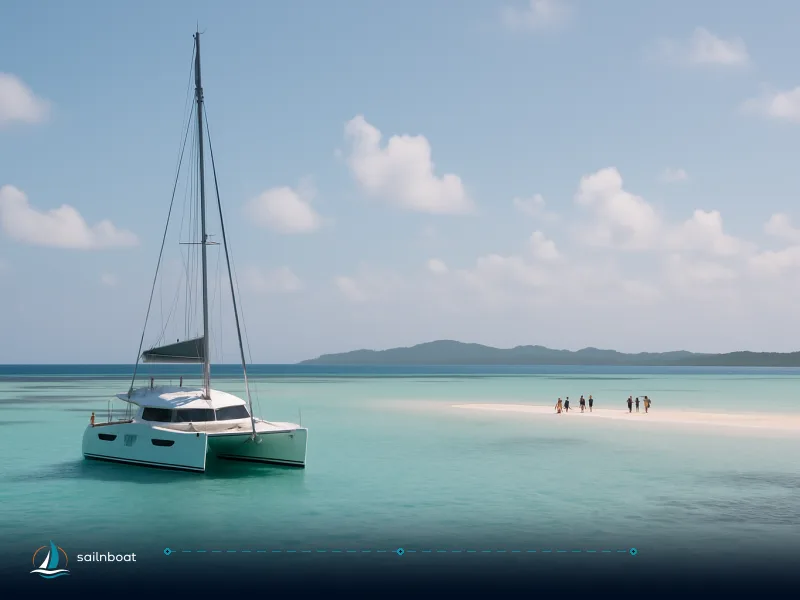
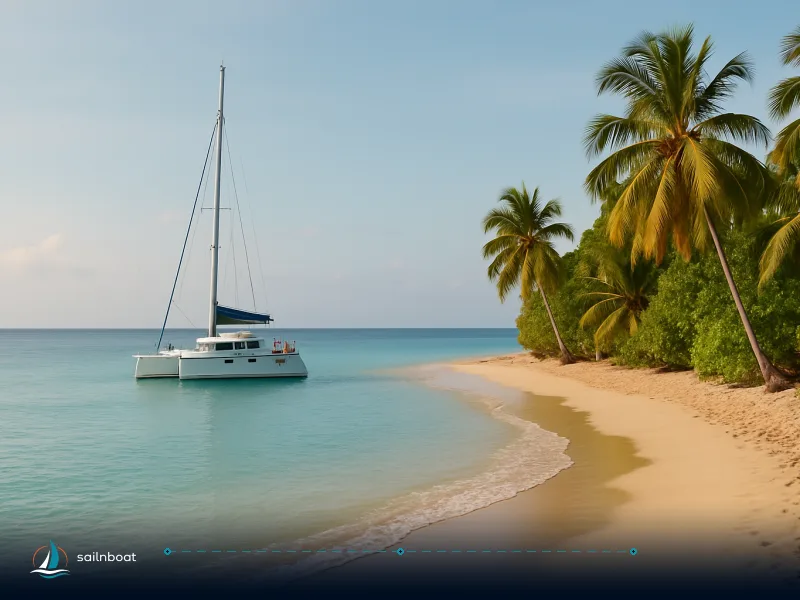
Top 5 Sailing Destinations for Solo Travelers Seeking Adventure
Five carefully chosen solo sailing destinations — BVI, Whitsundays, Ionian Sea, Dalmatian Coast and French Polynesia — with the sailing realities, mooring costs and safety resources you need to decide where to go next.

Solo sailing destinations for adventurous single‑handers require matching sea state to skill and kit. The five destinations below — British Virgin Islands, Whitsundays (Great Barrier Reef), the Ionian Sea, Croatia’s Dalmatian Coast, and French Polynesia — each offer a distinct balance of approachable anchorages, navigation quirks and solo‑safety trade‑offs that decide whether a trip is a pushing‑the‑limit cruise or a bold but managed adventure.
British Virgin Islands: A Solo Sailor's Paradise
The BVI is the archetypal single‑hander route for an adventurous but self‑reliant skipper: short hops, protected channels, lots of moorings and quick shore diversion if weather closes in. That combination makes it easy to stitch together single‑handed passages under 2–4 hours and to keep a safe afternoon stop‑window when squalls build.
Sailing Conditions and Challenges
Expect light to moderate tradewinds in the main charter season (northeast trades), with calm mornings and more breeze in the afternoon; sudden squalls can appear, especially in the rainy season. Passage legs are short but exposed gaps exist (Sir Francis Drake Channel, the North Sound) where short steep seas can form in higher winds — plan afternoon reefing and keep passage lengths conservative when single‑handing.
Mooring Facilities and Fees
The BVI uses a mix of free anchoring outside mooring fields, National Parks Trust (NPT) day‑use moorings and commercial/reservable moorings (BoatyBalls). Typical overnight buoy charges sit roughly USD 30–55 per night depending on field and reservability; NPT marine‑park permits (which cover day moorings at sites such as The Baths) are charged by party and by period. Many charters include a cruising permit or collect it at check‑in — confirm who pays when you book.
Cultural Highlights and Activities
Tortola for provisioning and local rum/seafood; Virgin Gorda’s Baths for short hikes and snorkel stops; Jost Van Dyke and Soper’s Hole for evening socialising. Short dinghy runs to beachfront restaurants mean you can keep evening watch light and rest well.
Whitsunday Islands: Sailing in the Heart of the Great Barrier Reef
The Whitsundays give solo sailors protected lagoon sailing, formal public mooring networks and reef‑protected anchorages. It's excellent for solo passage planning but brings extra rules: reef protection zones, mooring class limits and some no‑anchoring areas.
Sailing Conditions and Challenges
Sailing here is typically sheltered inside the reef; expect predictable sea breezes that build in the afternoon. The Great Barrier Reef Marine Park sets no‑anchor zones and mooring class limits — that means you’ll often use public moorings rather than drop anchor. Tidal currents in passes and exposed reef channels can be strong; daylight runs and local knowledge reduce risk.
Mooring Facilities and Fees
A dense network of public moorings (blue cone buoys) is available across the Whitsundays on a first‑come basis; most are free to use in accordance with displayed time limits and overnight window rules (typically 3 pm–9 am for overnight stays). Private marinas and short‑stay berths (Shute Harbour, Hamilton Island, Coral Sea Marina) charge commercial rates — short‑stay fees vary depending on length and location; confirm current rates with the marina. Budget for a mix of free public moorings and occasional paid marina stops.
Cultural Highlights and Activities
Whitehaven Beach (beach walk and picnic), reef snorkeling off snorkel‑friendly anchorages, and mainland provisioning out of Airlie Beach. Hamilton Island provides logistics and an airport link if you need to evacuate or re‑route.
Ionian Sea: Greece's Hidden Gem for Solo Sailors
The Ionian is the calm end of Mediterranean summer sailing: short island hops, abundant sheltered bays and predictable daily winds that usually peak in the afternoon. That makes it unusually friendly to a competent single‑hander who wants adventurous cruising without facing the full force of the Meltemi.
Sailing Conditions and Challenges
The Ionian typically delivers a light north‑westerly (maistro) that builds in the afternoon and drops in the evening. Compared with the Aegean, the Ionian is more sheltered and offers more close‑in anchorages — a pattern that suits solo sailors who plan morning passages and lay afternoons for shore time or maintenance. Note the late‑season risk of troughs or rare Mediterranean cyclones; always check the forecast before leaving a lee anchorage.
Mooring Facilities and Fees
Marinas in the Ionian (Lefkada, Preveza, Corfu/Gouvia) publish a mix of short‑stay tariffs; typical mid‑range marina rates are roughly €25–65/night depending on facilities and season, with premium bases higher. Many smaller bays permit free anchoring; organised marinas will usually provide water, power and waste disposal at an extra charge. Budgeting should include seasonal variation and VAT/harbour surcharges.
Cultural Highlights and Activities
Lefkada, Ithaca and Kefalonia offer dramatic shore tavernas, local wines and short hikes; the islands are forested and less arid than the Cyclades, so shore days tend toward village exploration and food rather than party scenes.
Dalmatian Coast: Croatia's Sailing Adventure
The Dalmatian coast stretches into open Adriatic crossings and crowded island chains; it offers striking sea lanes and anchorages but requires sharper navigation and attention to paperwork.
Sailing Conditions and Challenges
Winds are variable — sea breezes, bora gusts and local funneling through island channels can all appear. Navigation is island‑dense; channels and narrow gorges demand accurate chartwork and conservative single‑handed planning. In high summer expect busy marinas and constrained stern‑to moorings in towns.
Mooring Facilities and Fees
Croatia commonly prices marinas and buoys by metre or per night; reported rates vary widely depending on location, season, and marina or buoy operator — plan by vessel length and check current tariffs for accurate pricing. Many sheltered coves permit free anchoring, though harbourmasters sometimes collect modest fees during high season. Croatia manages vignette/fees and port paperwork through official port captaincies and online systems; check with your charter operator or the Croatian maritime authority for the current process.
Cultural Highlights and Activities
Historic towns (Split, Dubrovnik), island festivals in summer and excellent provisioning in larger ports. Use a marina as a logistics hub and expect stern‑to quayside mooring in harbour towns — practice the stern‑to manoeuvre before you arrive.
French Polynesia: A Remote Adventure for Solo Sailors
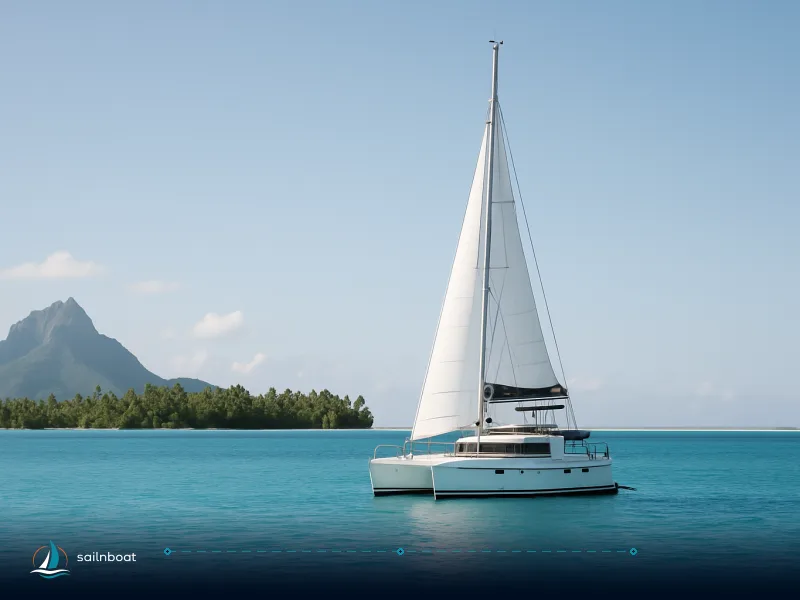
The Society Islands (Tahiti, Raiatea, Bora Bora, Huahine) offer remote lagoon sailing, glass‑clear water and a different single‑handing rhythm: long delivery legs between islands and tight lagoon channels where passes must be respected.
Sailing Conditions and Challenges
Inside lagoons the water is calm but channels (passes) can produce strong currents and tricky set‑downs; on‑reef navigation and shallow lagoon charts are a must. Cyclone season (roughly Nov–Apr) increases risk — the typical cruising window is May–Oct. Night sailing is restricted in many charter briefs.
Mooring Facilities and Fees
Anchoring is the norm in many atolls but in Bora Bora anchoring is largely prohibited and overnight moorings are managed and charged; reported local charges for lagoon buoys vary, so confirm current rates with your operator or local marina. Marinas in Papeete and Marina Taina handle customs and provisioning; expect a mix of free community moorings and paid private buoys depending on the motu.
Cultural Highlights and Activities
Village visits, pearl farms, traditional music/dance and world‑class snorkeling. Expect kayak or short dinghy runs ashore; many motu are private so respect local practice and ask before landing.
One‑page comparison table
| Destination | Best season | Typical mooring range (night) | Single‑handing difficulty | Immediate emergency support |
|---|---|---|---|---|
| British Virgin Islands | Dec–Apr | USD 30–55 (buoys); anchoring often free | Easy–moderate (short hops, protected) | BVI Ports/charter base, local marinas. |
| Whitsundays (GBR) | Apr–Oct | Public moorings often free; marinas vary by length/location | Moderate (reef passes, classed moorings) | GBRMPA + local marinas/harbour masters. |
| Ionian Sea (Greece) | Apr–Oct (shoulder May/Sept best) | €25–65 (marinas) | Easy–moderate (sheltered bays) | Greek port authorities / charter base. |
| Dalmatian Coast (Croatia) | Apr–Oct | Marina/buoy pricing varies by location and length | Moderate–challenging (channels, wind funnels) | Port captaincies / Croatian coastguard. |
| French Polynesia (Society Is.) | May–Oct | Lagoon buoy fees vary (Bora Bora); anchoring elsewhere | Moderate–challenging (passes, long legs) | Papeete/Marina Taina + local lagoon services. |
Solo‑sail checklist — practical items you must have
- Communications: VHF (with MMSI), mobile + at least one satellite option (Iridium/Globalstar) for remote legs.
- Safety: EPIRB, AIS (or MOB transponder), liferaft if you cruise offshore, and a personal MOB plan.
- Redundancy: spare autopilot or reliable self‑steering; strong anchoring kit and a second anchor for stern‑to holds.
- Documents: skipper certificate copies (ICC/SRC where required), passport, crew list and any local cruising permits the base or authority requires. For Mediterranean charters, expect to present a recognised skipper certificate and a VHF/SRC — Croatia and Greece publish accepted lists and charters will ask in advance.
Local regulations & permits — the realities for solo skippers
- Mediterranean (Greece/Croatia): charter companies and port authorities commonly require an internationally recognised skipper certificate (ICC, IYT, ASA/ASA‑equivalents) and a VHF/SRC certificate; Greece often asks for a second competent crew person on paperwork. Always send certificate scans to the base before arrival.
- BVI: laws are operationally relaxed for private skippers, but a cruising permit/cruising tax and park permits apply and operators will perform a checkout to assess competence. Budget for per‑person cruising fees and park permits (charged differently for home‑based vs foreign‑based boats).
- Whitsundays/GBR: public moorings and no‑anchoring zones are enforced by the Marine Park Authority; some moorings are restricted by class and stay limits (overnight 3 pm–9 am).
- French Polynesia: chart briefing and base waivers often restrict night passages; Bora Bora enforces mooring use in the lagoon and charges nightly buoy fees.
Safety advice and support systems
- File a clear shore plan with your charter base before departure and check‑in/out on every stop. Bases (and flotilla operators) keep a record of your planned route and preferred emergency contacts; that paper trail shortens response time when something goes wrong.
- Stay conservative on passage planning: favour morning windows for longer legs, avoid exposed passes in forecasted gale or gust warnings, and pre‑book marinas for nights when the forecast predicts strong winds.
- Use local resources: harbourmasters, marina staff and marine‑park rangers are your first‑line support; in Croatia port captaincies and official online systems are the main contact points for paperwork and emergencies; confirm current procedures with your operator.
How to pick the right destination for your skill level
- If you want short single‑handed hops, sheltered anchorages and a forgiving learning curve, choose the BVI or the Ionian Sea.
- If you want reef navigation, public moorings and ridge‑and‑lagoon sailing with formal park rules, choose the Whitsundays or French Polynesia — but accept tighter operational rules (no‑anchor zones, mooring classes, night sailing limits).
- If you want island‑dense navigation, town stern‑to culture and sharper winds in funnels and channels, choose Dalmatia — bring strong charts and be ready for busy summer marinas.
Plan your next solo sailing adventure to one of these destinations with realistic expectations: choose the sea that fits your equipment and recent logged hours, budget for moorings and permits, and make solo safety the first line item on your prep list.
Frequently Asked Questions
For a mix of sailing challenge, safety support and shore culture choose: British Virgin Islands, Whitsunday Islands (Great Barrier Reef), the Ionian Sea (Greece), Croatia’s Dalmatian Coast, and French Polynesia (Society Islands).
BVI: high season Dec–Apr; Whitsundays: Apr–Oct (reef season, avoid cyclone months); Ionian: Apr–Oct with shoulder months best; Dalmatia: Apr–Oct (July–Aug strongest winds/crowds); French Polynesia: May–Oct for calmer weather and reduced cyclone risk.
Expect wide ranges: BVI buoy fields ~USD 30–55/night; Whitsundays public moorings are managed by GBRMPA (overnight windows apply) while marinas charge A$ short‑stay rates; Ionian marinas ~€25–65/night; Dalmatia fees typically quoted per metre or per night (a range comparable to € per night depends on marina and season); French Polynesia lagoon buoys (Bora Bora) commonly 2,000–4,000 XPF/night.
Requirements vary: Mediterranean (Greece, Croatia) widely expect an ICC or equivalent recognised certificate and a VHF/SRC; BVI is operationally relaxed but charters require a checkout and experience; French Polynesia and Australian bases will have operator rules and may restrict night passages—confirm with the charter base.
Local coastguards/port authorities, marine‑park rangers (GBRMPA), port captaincies (Croatia), and formal marina assistance exist regionally; bring AIS/EPIRB, mobile + satellite comms and file a shore plan with base staff.
Written by
Sailnboat Editorial
The Sailnboat editorial desk covers yacht and boat chartering worldwide — routes, bases, seasons, boat types, paperwork and the practical costs that decide a trip. We are a charter marketplace, not a boat owner or a local agency: what we sell is judgement and support, so our guides are written to help you make a decision, not to sell you a specific boat. Every guide is checked against live operator and marina data before it goes out.
Fact-checked against live operator and marina data, and published under our editorial standards. Last reviewed: .