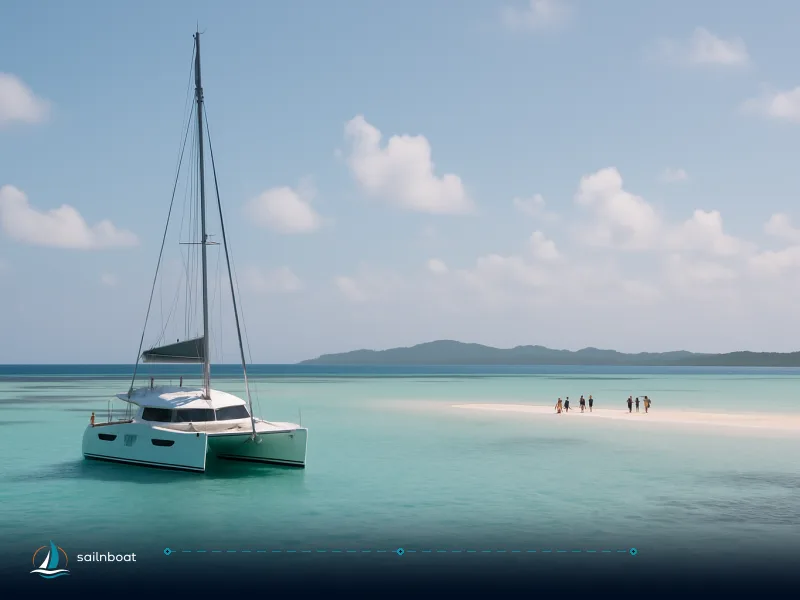
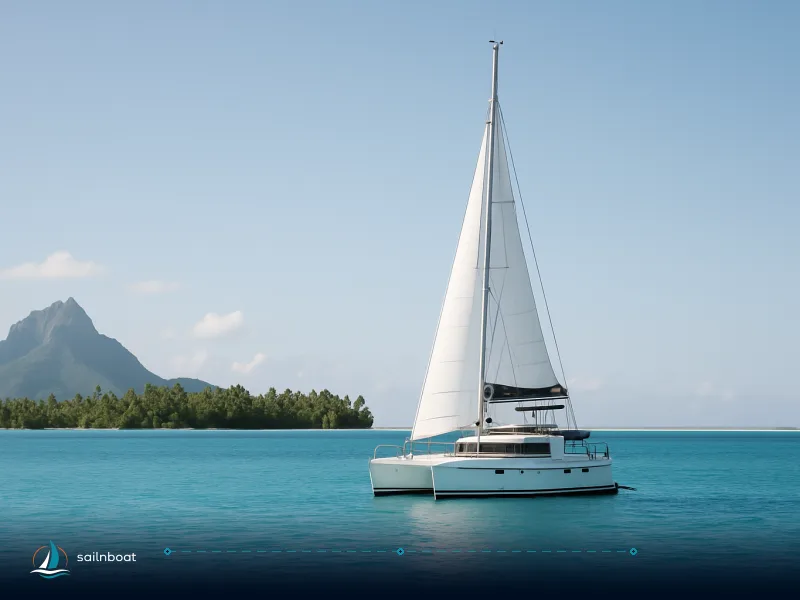
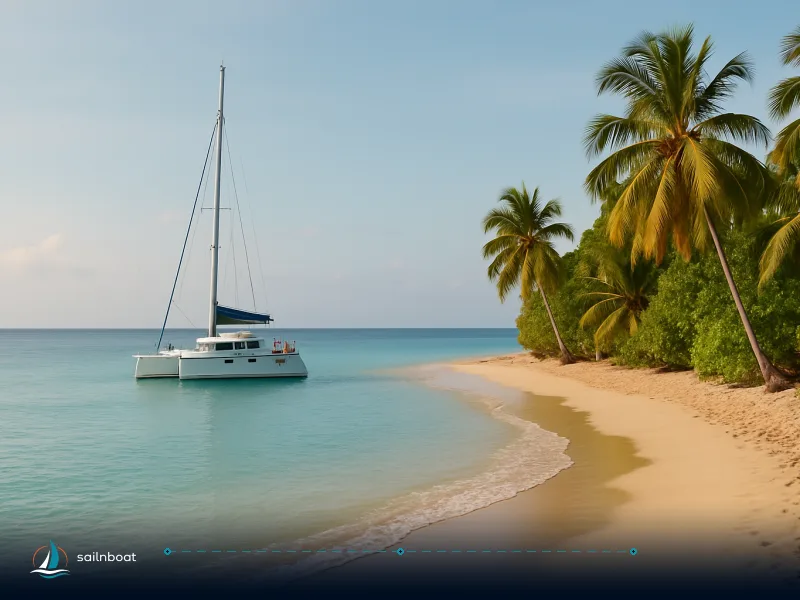
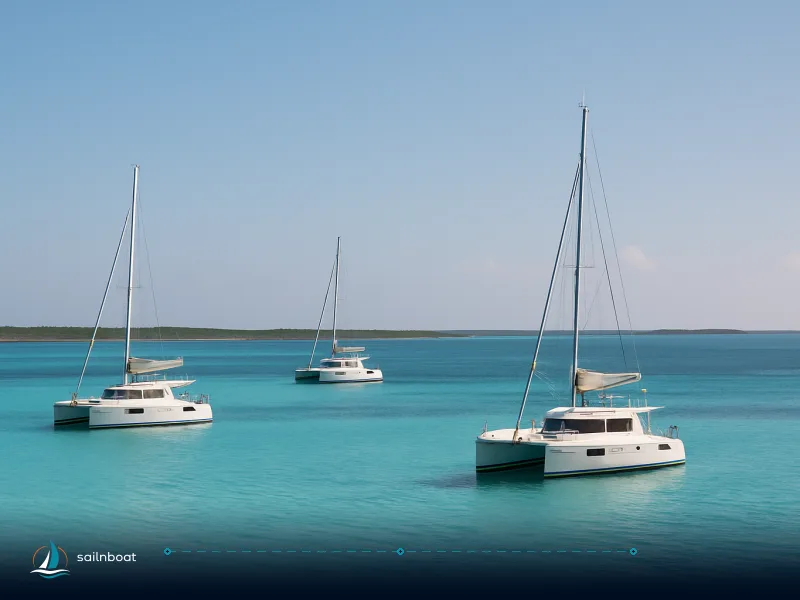
5 Must-Visit Islands for First-Time Sailors
Five island groups that make the best islands for first-time sailors: sheltered passages, predictable winds, easy moorings and clear safety considerations so you can build confidence on the water.

First sentence: pick islands with short passages and predictable winds — the best islands for first-time sailors are compact, sheltered chains that let you practice sail trim, anchoring and harbour-handling without long offshore legs. These five destinations do exactly that: the British Virgin Islands, the Ionian Islands (Greece), Croatia’s Dalmatian Coast, the Bahamas (Exumas), and the Saronic Gulf (near Athens).
British Virgin Islands: A Beginner's Paradise
Sailing Conditions
The BVI’s appeal for novices is straightforward: short hops (most islands are within a few miles of each other), shallow protected bays and steady east‑northeast trade winds that are often in the mid‑single‑digit to mid‑teens knots in high season, which puts comfortable wind on the beam or quarter for typical charter legs. For day planning expect mostly beam reaches and short motors between anchorages; long upwind legs are avoidable by routing through the islands.
Harbor Facilities
The BVI is set up for visiting yachts: mooring buoys are widespread in popular bays and several full‑service marinas (Fuel, water, electricity, pump‑out) are available at larger islands and resorts. Expect mooring‑ball fees commonly in the USD $30–65 per night band depending on location and whether the ball is in a national park or privately managed; premium marina berths cost more and are charged per foot in many ports. Many charter operators include your first/last night at base but do not cover intermediate mooring costs, so budget accordingly.
Local Attractions
- Virgin Gorda — The Baths (granite boulder grottoes) and nearby Old Sugar Mill ruins make a short shore excursion rewarding.
- Jost Van Dyke — quick dinghy runs to well‑known beach bars and short hikes.
- Anegada — a unique coral island with flat reefs and excellent seafood, worth a longer visit.
Safety & Local Rules
- Mooring fields inside national parks (for example around The Baths) have specific rules and fees and may close in rough swell; if forecast seas are up, use marinas or sheltered coves.
- The compact area and short legs lower exposure, but always check afternoon gusts and keep a Plan B harbour for each leg.
Ionian Islands: A Sailing Gem
Sailing Conditions
The Ionian offers one of the gentlest Mediterranean sailing experiences — sheltered passages, short daily distances and a thermal NW breeze (Maistros) that tends to be calm in the morning and build into the afternoon, often reaching moderate strengths in exposed channels, with many anchorages remaining glassy because islands break fetch. Exposed pockets (for example Vasiliki on Lefkada) can see stronger afternoon winds, so pick sheltered bays for early practice.
Harbor Facilities
Ionian marinas range from well‑equipped private facilities to small municipal quays and beach‑town stern‑to spots. Marina fees vary by facility and season: small town quays can be very cheap or free, while full‑service marinas commonly charge in the €25–€50 per night bracket for a typical charter yacht (higher at premium private marinas). Town piers are often the cheapest option but fill early in high season.
Cultural Highlights
- Corfu old town (Venetian fortifications, markets).
- Fiskardo (Kefalonia) and Vathy (Ithaca): quiet, walkable villages with tavernas and short hikes.
- Local markets: olive oil and fresh seafood in small harbours.
Safety & Local Rules
- The Maistros is predictable, but local funneling between islands can increase gusts; pick anchorages that offer a lee from the prevailing NW.
- A lot of small Greek islands have municipal stern‑to berths; practice stern‑to docking in a calm marina before attempting busy little ports like Hydra.
Croatia's Dalmatian Coast: A Nautical Adventure
Sailing Conditions
Dalmatia rewards careful timing. In summer the Maestral (NW thermal sea breeze) reliably builds late morning and often peaks in the moderate to strong range in afternoons — great for predictable sailing — while the Bura (Bora) is a downdraft wind that can arrive suddenly and produce strong gusts (occasionally much stronger outside summer). Jugo (SE) brings moister conditions and longer swell runs. For first‑time sailors pick July–September when thermals are regular and avoid exposed passages on Bura forecasts.
Harbor Facilities
Croatia has an extensive marina network: municipal quays, the ACI marina chain and private marinas. Prices range widely: town quays can be modest, ACI marinas and private facilities are typically the costlier option — expect a broad range from modest municipal fees up to €50–€160+ per night for a 40 ft yacht in peak season at high‑end marinas; catamarans often pay surcharges. Book popular marinas in July–August well ahead.
Historical Sites
- Dubrovnik — the walled city (UNESCO) is an exceptional overnight stop.
- Split — Roman Diocletian’s Palace at the harbour.
- Island towns like Hvar and Korčula combine historic centres with lively evening options.
Safety & Local Rules
- Bura conditions require shelter — when Bura is forecasted experienced skippers will wait it out in protected marinas or deep, lee anchorages.
- Croatia’s cruising infrastructure is excellent but pay attention to marina surge and catamaran surcharges; check local port dues and tourist taxes before arrival.
Bahamas: Tropical Sailing Experience (Exumas focus)
Sailing Conditions
The Exumas and other Bahamas chains are classic trade‑wind sailing: frequent easterly to northeasterly trades that are typically moderate, producing long, gentle reaches and calm blue water over shallow banks. Shallow reefs and sea‑bed shoals are common — navigation requires attention to charts, local buoyage and current. The Exumas’ shallow banks make for calm protected anchorages but uncharted shallows can be a hazard at night.
Harbor Facilities
Marinas exist (George Town, Emerald Bay, Staniel Cay) but large stretches are anchorages and park mooring fields. Exuma Cays Land & Sea Park sets per‑night mooring rates by vessel length (park mooring fees are a material line item) and private marinas charge conventional berth or per‑foot rates; charters commonly show park or mooring fees that vary by vessel length and location; confirm current rates with your charter operator or the park, as fees can change and may be higher or lower depending on boat size and season (per‑guest daily park charges may also apply). Plan to carry cash or a card that works offshore and budget for park/mooring fees in addition to fuel and provisioning.
Attractions to Explore
- Exuma Cays Land & Sea Park — protected snorkelling and walking trails.
- Thunderball Grotto (near Staniel Cay).
- Nassau — colonial sites, museums and provisioning before heading to the out islands.
Safety & Local Rules
- Shallow banks, coral heads and strong local currents are the main hazards; always use local charts and approach reefs at daylight.
- Some park moorings cannot be reserved and are first‑come; others require radio check‑in — plan your day so you arrive with daylight to spare.
Saronic Gulf: Close to Athens
Sailing Conditions
Saronic cruising is compact and forgiving — short hops from Alimos (Athens) to Hydra, Poros and Aegina that avoid long open passages. Winds are generally milder than the Cyclades; typical summer breezes are often moderate with afternoons tending to be a touch stronger. The Saronic’s geography and many protected bays make it an ideal first charter from Athens.
Harbor Facilities
Because the Saronic lies close to Athens it benefits from excellent marina options (Alimos/Flisvos and other Attica marinas) and town quay facilities on the islands. Expect municipal quay fees and modest private marina rates — transient rates for a 10–12 m yacht at Alimos are commonly around €30–€35 per night in summer, with smaller island quays sometimes charging less or nothing for stern‑to visits.
Cultural Highlights
- Hydra — car‑free harbour with stone mansions and galleries; dinghy ashore for a short walk.
- Aegina — known for pistachios and an easy shore trip to ancient temples.
- Poros and Epidaurus — theatre ruins and coastal tavernas within short travel time.
Safety & Local Rules
- Many island town quays are small and crowded in high season — practice stern‑to mooring or plan to raft alongside.
- Some islands ban diesel generators and have local harbour master rules; treat local port staff directions as final.
Quick comparison table
| Region | Typical wind (high season) | Typical marina/mooring cost (per night) | Typical leg length (NM/day) | Best season |
|---|---|---|---|---|
| British Virgin Islands | Trades often in the 10–16 kt range (beam/qtr reaches). | USD $30–65 (mooring balls); marinas higher. | 3–15 NM | Dec–Apr |
| Ionian Islands (Greece) | Calm mornings, NW Maistros often builds in afternoons. | €25–€50 typical; town quays often cheaper. | 4–25 NM | May–Sep |
| Dalmatian Coast (Croatia) | Maestral often 10–20 kt; Bura can be gusty/strong. | Wide range €40–€160+ (40 ft, high season). | 10–30 NM | May–Sep |
| Bahamas (Exumas) | Easterly trades often in the 8–15 kt range, steady reaches. | Park/mooring fees by length; confirm current rates with operator or park. | 5–30 NM (shallow banks) | Dec–Apr |
| Saronic Gulf (Greece) | Mild summer breezes, often in the 8–15 kt range, well sheltered. | €20–€35 typical at Alimos/town quays. | 3–20 NM | May–Sep |
Practical tips for first‑time skippers and crews
- Plan short legs: pick destinations where daily passages are under 4 hours so you can practice sail trim and boat handling without fatigue.
- Book marinas for the first and last night at base; on busy weekends or high season book intermediate marinas in advance. In peak Mediterranean July–August and Caribbean high season moorings fill early.
- Carry cash and a card: park and mooring attendants in the Exumas and some Caribbean marinas can be cash‑oriented; confirm current payment methods and fee amounts before arrival.
- Know the local strong‑wind names and behaviours (Bora/Bura, Maestral, trade winds); they’re short‑hand for how to plan anchorages and which harbours to choose.
- Practice anchoring and stern‑to techniques in quiet basins before attempting crowded town quays (Hydra, Hvar, Marina Gouvia).
- Bring or confirm VHF competence and skipper paperwork: many Mediterranean charter companies ask for an ICC or equivalent experience proof and a VHF operator certificate is commonly requested. Requirements vary by country and operator — ask your charter company before travel.
Plan your first charter around one clear objective: build skill, not distance. Choose shorter passages, reliable winds, and bases with good marinas so you can swap a booked berth for a sheltered bay at a moment’s notice. For further reading, see our longer pieces on sailing tips for beginners and best sailing routes in the Mediterranean — they will help you turn one week of cruising into a confident second week.
Plan your first sailing adventure to these islands today.
Frequently Asked Questions
Expect steady trade or thermal breezes: BVI and Bahamas usually give reliable 8–16 kt trades; the Ionian has light mornings with NW thermal 10–18 kt afternoons; Croatia’s Dalmatian coast offers a reliable NW maestral (roughly 10–20 kt) but also the gusty Bura; the Saronic Gulf is generally milder (10–15 kt) and well sheltered. Winds vary by bay and season.
All five regions have good marina networks and plentiful anchorages: BVI has widespread mooring balls and full-service marinas; the Ionian and Saronic Gulf have municipal quays and private marinas with modest fees; Croatia’s ACI and private marinas are extensive but pricier; the Exumas mix protected moorings (park fees) with small marinas.
Highlights include Virgin Gorda’s Baths and old sugar mills (BVI); Corfu and Lefkada towns and Venetian sites (Ionian); Split and Dubrovnik’s Roman and medieval centres (Dalmatia); Nassau and Exuma island villages and colonial sites (Bahamas); and car-free Hydra, pistachio farms on Aegina and ancient temples in the Saronic Gulf.
Local rules differ: many charter companies require documented skipper experience or an ICC-type qualification in Europe, a VHF operator certificate is commonly requested, and national park moorings often have fixed fees and rules (Exumas, BVI). Always check entry/clearance, cruising permits, and park rules for your chosen route.
BVI and Bahamas: high season (Dec–Apr) with steady trades and lower hurricane risk; Ionian and Saronic Gulf: late May–September for warm water and reliable thermals; Croatia: May–Sept for maestral afternoons and warm seas, with September offering fewer crowds and similar winds.
Written by
Sailnboat Editorial
The Sailnboat editorial desk covers yacht and boat chartering worldwide — routes, bases, seasons, boat types, paperwork and the practical costs that decide a trip. We are a charter marketplace, not a boat owner or a local agency: what we sell is judgement and support, so our guides are written to help you make a decision, not to sell you a specific boat. Every guide is checked against live operator and marina data before it goes out.
Fact-checked against live operator and marina data, and published under our editorial standards. Last reviewed: .