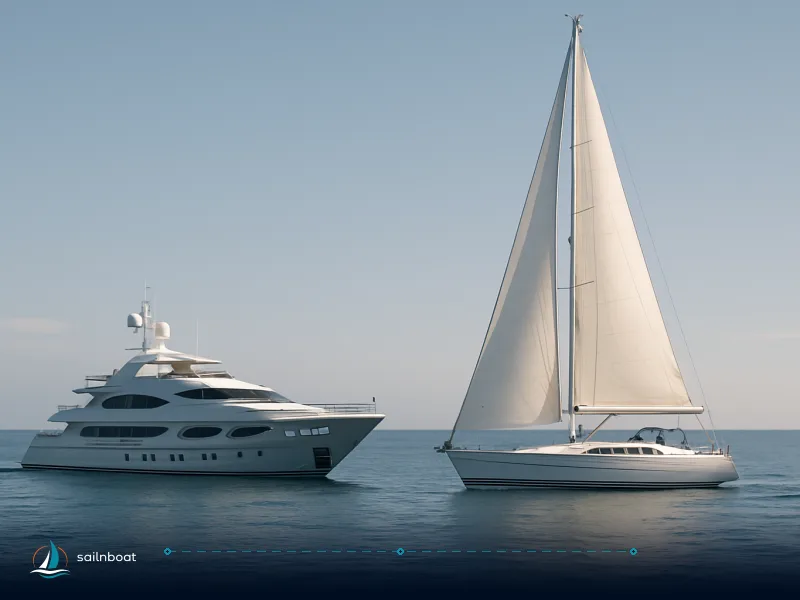
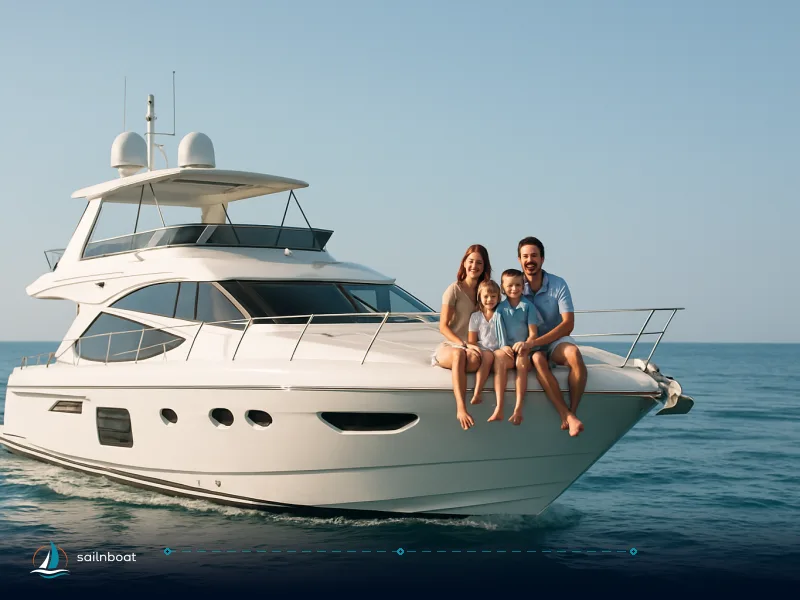
Flybridge vs Aft Helm: Choosing the Best Steering Position
Choose a flybridge for the best elevated view and social upper deck; choose an aft/coachroof helm for shelter, easier deck access and better family safety—match the helm to your itinerary and crew.

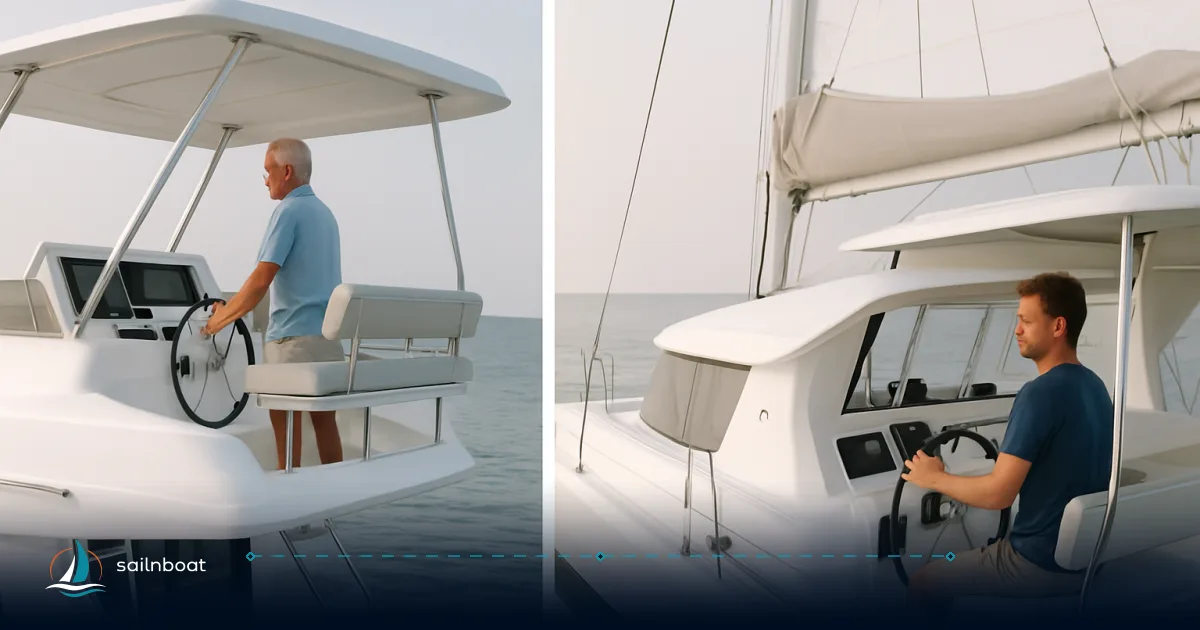
Intro paragraph (2–4 sentences) For a typical week-long charter, choose a flybridge when elevated visibility and an extra social deck matter; choose an aft (coachroof) helm when shelter, quick deck access and easier guest flow are your priorities. The phrase flybridge vs aft helm sums up a simple trade‑off: better sightlines and entertaining space versus protection, proximity to the cockpit and simpler deck work. Below we compare visibility, handling, weather, family safety, anchoring and regional fit so you can pick the steering position that matches your itinerary and crew.
Key Differences Between Flybridge and Aft Helm
Visibility and Maneuverability
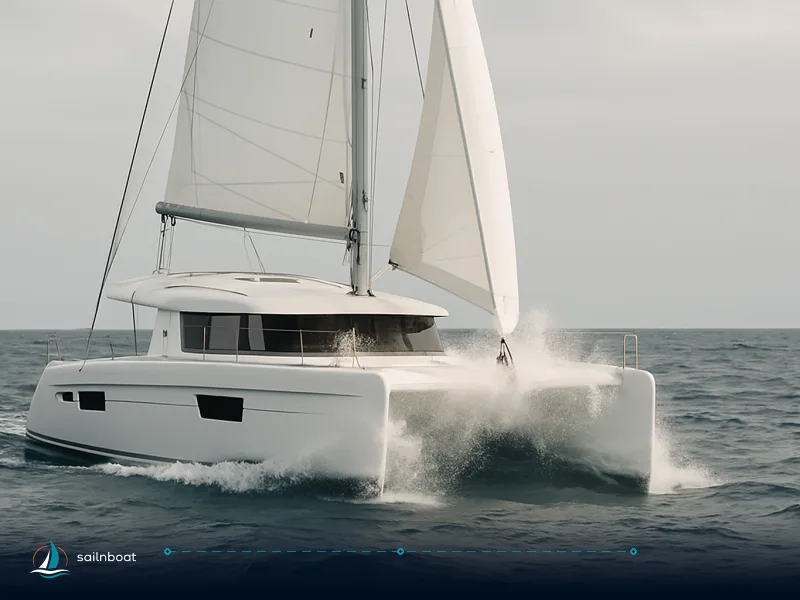
- Flybridge: The raised position places the helm above spray and other boats, often giving a near‑360° useful view and clearer sightlines when scanning traffic, shoals or reefs; many flybridge catamarans advertise this as an advantage for close‑quarters work.
- Aft/Coachroof helm: Lower but usually closer to the centreline and the working deck—visibility forward and over the quarter is often excellent for berthing and stern‑to med‑mooring, and the helm is physically nearer winches, windlass controls and crew on the bow. Several manufacturers deliberately place instruments and windlass remotes at both main and upper helms for this reason.
- Manoeuvring trade‑offs: In crosswinds a flybridge can increase windage because of its higher profile; while that extra height helps see traffic and waves, it can make low‑speed side‑ways control more sensitive. Conversely, an aft helm keeps the centre of effort lower and simplifies line handling during close‑quarters work.
When you expect tight harbour work and frequent Med‑mooring, an aft/coachroof helm reduces crew movement and simplifies the docking sequence; if your week includes longer open‑water transits or you want the best vantage for spotting traffic and shallows, a flybridge is a compelling choice.
Guest Flow and Social Spaces
- Flybridge: Serves as a dedicated social deck — seating, sunbeds and a small galley or fridges are common — which concentrates daytime social life up top and gives guests a panoramic lounge separate from the cockpit. That improves guest comfort but physically separates the helm from the main living area and can make the skipper feel isolated from the group.
- Aft helm: Sits at the threshold of cockpit and saloon; the helmsman remains part of the social flow and can step below for drinks, food or to assist with swims quickly. For families who value togetherness (and for charters where the owner‑driver will gallop between duties and entertaining), that proximity is usually preferable.
If your priority is “one deck for everything” — kids, sunbathing and conversation within hearing — an aft helm wins. If you want a separate lounge that doubles as a command perch, pick a flybridge.
Weather Considerations for Each Helm Position
Protection from Elements
- Flybridge: By default more exposed to sun, wind and rain; many flybridges add a hardtop or clear‑vinyl enclosures but they remain less sheltered than a coachroof helm. Expect hotter sun on long passages and stronger wind at height; that can be pleasant in warm climates and miserable in cool or wet weather.
- Aft/Coachroof helm: Typically under a hardtop, behind a windscreen, or immediately adjacent to the saloon — offering quicker access to climate‑controlled interiors and better protection in squalls. For charters that include evening transits, early‑morning starts or shoulder‑season weeks, the aft helm is more comfortable.
Impact on Navigation
- Flybridge in bad weather: You get the superior sightlines, but be prepared to move below if a squall reduces visibility or spray is heavy; not every flybridge is fitted with fully waterproofed instruments, so check for enclosures and IP ratings on electronics if you expect poor weather.
- Aft helm in heavy weather: The sheltered position reduces fatigue on the helmsman and keeps critical electronics and charting protected; however, lower vantage points can hide close‑in hazards and other traffic, so balance the comfort advantage with need for lookout rotation.
Practical rule: on mixed itineraries in the Mediterranean you’ll often use the aft/coachroof helm at harbour approaches and the flybridge for open‑water legs (if both are available). Many charters hand similar advice in the pre‑cruise briefing.
Family-Friendly Features and Safety
Safety Considerations
- Flybridge risk factors: stairs, higher freeboard and occasionally limited guarding on edges create a fall risk for unsupervised children; on many yachts operators list flybridges as restricted areas for minors unless supervised. Enforced rules, gates and clear briefings mitigate this but require active management.
- Aft helm safety: The helm sits at the cockpit level and often benefits from full cockpit coamings, fixed handholds and immediate access to the saloon and swim platforms — this reduces the need for children to use companionways or external stairs during routine moves.
Accessibility for Families
- For a crew with young children or elderly guests, the aft/coachroof helm simplifies supervision, faster response to man‑overboard drills and easier movement between galley and cockpit for snacks and life‑jackets. If you choose a flybridge vessel, insist on an early‑day briefing that covers stair safety, child rules for the upper deck and the availability of safety gates or harness points. Several charter operations list those areas specifically in their inventory and safety notes.
Bottom line: if your week includes children under 12 or guests who tire easily moving between decks, prefer an aft helm or a design that offers a secure enclosed flybridge and strong onboard safety measures.
Anchoring Practices and Helm Position Influence
Docking and Anchoring
- Flybridge advantages: Elevated sightlines help when approaching tricky anchorages, reef edges or crowded channels — you can spot shallow patches and other boats earlier. That said, the physical separation from the bow means the skipper must coordinate more deliberately with the crew handling the rode or mooring pendant.
- Aft helm advantages: Quicker access to the bow (a short run forward) and clearer face‑to‑face communication speed the anchoring or mooring routine; many helms have a windlass remote to let the helmman operate pivoting rode while watching the bow.
Communication with Crew
- Flybridge complicates direct voice signalling in wind or rain; radios or prearranged hand signals and a dedicated bow person become essential. Many charter manuals and base briefings recommend assigning a single experienced crewmember to the bow for mooring and using a boat hook or long‑handled pole to pick up balls.
- At an aft helm you can step forward in a few seconds and hand lines directly; this reduces errors in busy marinas and shortens the time the boat spends manoeuvring under power.
For charter crews: practise the approach, assign bow and stern roles before you enter a marina, and confirm whether the marina uses lazy lines (Med) or mooring buoys (Caribbean) so you can pick the right helm strategy.
Regional Suitability: Mediterranean vs Caribbean
Mediterranean Conditions
- Typical character: The Aegean summer brings the Meltemi — a reliable, often fresh northerly that peaks in July–August and can reach 20–25+ knots on stronger days. That pattern makes predictable harbour approaches but can make some anchorages uncomfortable and increases the value of a protected helm during squalls.
- Practical fit: The Mediterranean’s heavy use of stern‑to med‑mooring (lazy lines and quay stern‑to berths) favours helms that keep the driver close to the cockpit and with easy access to lines — coachroof or aft helms are typically user‑friendlier for med‑mooring.
Caribbean Conditions
- Typical character: The trade winds blow easterly or northeasterly with a steady 15–25 knot range in the high season; passages between islands are longer and many anchorages use managed mooring balls to protect reefs.
- Practical fit: Mooring balls and open‑water island hops suit boats where the crew can quickly man the bow or pick up a ball; coachroof helms that allow fast deck access are handy, but flybridges can shine for visibility on longer reaches — provided you accept extra effort when picking up a mooring or communicating with the bow. In the BVI, the abundance of mooring balls makes bow work frequent and often the deciding factor in helm preference.
Summary rule: Mediterranean weeks with many short hops and quay nights usually favour aft/coachroof helms for practicality; Caribbean weeks with open reaches and many buoy pick‑ups will reward a skipper who values quick bow access — both regions supply boats of both layouts, so match the helm to your planned night‑stop pattern.
Examples of Charter Models with Flybridge and Aft Helm
Below is a compact comparison of common charter models called out in the brief; use it as a reference when you pick a base or request a particular layout.
| Model | Typical helm layout | Why it matters for a charter week |
|---|---|---|
| Lagoon 450F | Flybridge helm (raised helm station / 360° view) | Excellent elevated visibility for passages and traffic; common in Mediterranean and long‑reach charters. |
| Nautitech 46 Fly | Central flybridge helm | Central, elevated control with a strong social flybridge package; useful for open sea legs. |
| Bali Catspace (40) | Flybridge integrated into coachroof / raised position | Flybridge social space with helm embedded into the fly structure; popular for charter guests who want upper‑deck lounging. |
| Fountaine Pajot 41 / 42 / Elba 45 | Coachroof / mid‑height helm (aft/coachroof orientation) | Mid‑height helm keeps driver in the social flow and typically offers shelter; common in family charters. |
| Leopard 44 / Leopard 50 | Semi‑flybridge or hardtop coachroof (some versions offer full flybridge) | Leopard’s hybrid approach keeps the helm connected to cockpit while offering sheltered helm options; check the specific boat spec for Fly vs Hardtop variants. |
| Lagoon 450S | Coachroof or sportop version (non‑flybridge) | Offers the lower helm position that many charterers prefer in the Med for med‑mooring. |
| Notes: layouts vary by model year and builder options (hardtop, enclosure, second station). Ask the charter base for the boat’s specific helm layout and whether the upper station has a full enclosure if you expect variable weather. |
How to choose for your week — a quick checklist
- Itinerary: lots of short hops + med‑mooring → prefer aft/coachroof helm. Long reaches/open water → flybridge useful.
- Guests: children, limited mobility or many evening transits → prefer aft helm for safer, sheltered movement.
- Weather: shoulder season, cooler or rainy days → aft helm for protection; warm consistent weather → flybridge is comfortable.
- Crew experience: less‑experienced crew will appreciate coachroof helm ease for med‑mooring and simpler bow communication; experienced skippers often welcome the flybridge vantage.
- Boat specifics: confirm windlass remote, bow‑crew procedures, and any installed enclosure for the flybridge (windshields/enclosures and IP ratings on displays). Many manufacturers list windlass remotes at helms and offer enclosures as options.
Consider telling your broker or base: “We want X layout (flybridge or coachroof) and, if flybridge, confirm there is a full‑height enclosure option and safety gate for kids.” That single request eliminates the most common mismatch between expectation and the boat you receive.
Final decision guidance
If you must pick one simple rule: take a flybridge when your charter is passage‑heavy and you prize the view and an extra social deck; take an aft/coachroof helm when you expect many marina nights, have young children aboard or prefer a sheltered, central operating station. Both layouts work well in charter fleets — the right choice is the one that matches your planned itinerary, weather season and crew composition. If you’re unsure, ask the charter base for the exact boat spec, request a pre‑charter walkthrough and confirm how they handle med‑mooring, mooring balls and child safety on that model before you pay.
Consider your crew’s needs and preferences when selecting your helm position, then ask the base for the exact boat spec and whether an upper‑deck enclosure or safety provisions are fitted for your week.
Frequently Asked Questions
Flybridges are raised, often open, upper‑deck stations that prioritise visibility and social space; aft or coachroof helms sit at or just above the saloon level and prioritise shelter, direct access to cockpit and simpler crew movement.
A flybridge normally gives a higher, 360° useful view for reading traffic and waves; an aft/coachroof helm gives a lower but often unobstructed forward/quarter view and keeps the skipper closer to lines and crew.
Aft/coachroof helms generally offer better shelter from wind, rain and sun; flybridges can have hardtops or enclosures but remain more exposed to elements.
Flybridges convert the top deck into a social lounge that separates the driver visually; aft helms keep the driver in the main guest circulation between cockpit and saloon.
Aft/coachroof helms are typically more family‑friendly because they avoid stair risk and keep the skipper within easy reach of the cockpit; flybridges require active supervision and physical barriers for young children.
Flybridge helms give better sightlines when anchoring in tight or shallow spots but can complicate voice/hand signalling to the bow; aft helms give faster access to the anchor and simpler face‑to‑face communication with the crew.
Aft/coachroof or mid‑height helms fit Mediterranean med‑mooring and frequent marina nights; flybridges suit passages and busy approaches where elevated visibility helps.
Written by
Sailnboat Editorial
The Sailnboat editorial desk covers yacht and boat chartering worldwide — routes, bases, seasons, boat types, paperwork and the practical costs that decide a trip. We are a charter marketplace, not a boat owner or a local agency: what we sell is judgement and support, so our guides are written to help you make a decision, not to sell you a specific boat. Every guide is checked against live operator and marina data before it goes out.
Fact-checked against live operator and marina data, and published under our editorial standards. Last reviewed: .