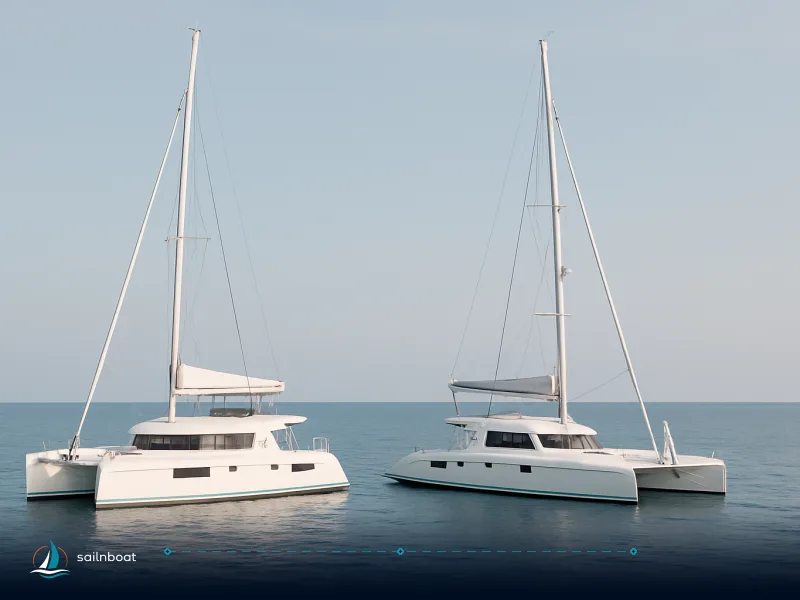
Understanding Bridge-Deck Slamming in Catamarans
Bridge‑deck slamming is the loud, jarring impact when waves hit the underside of a catamaran’s bridge deck. Learn the design features that make it worse and the concrete steps—boat choice, loading and routing—you can take to minimise it on charter.

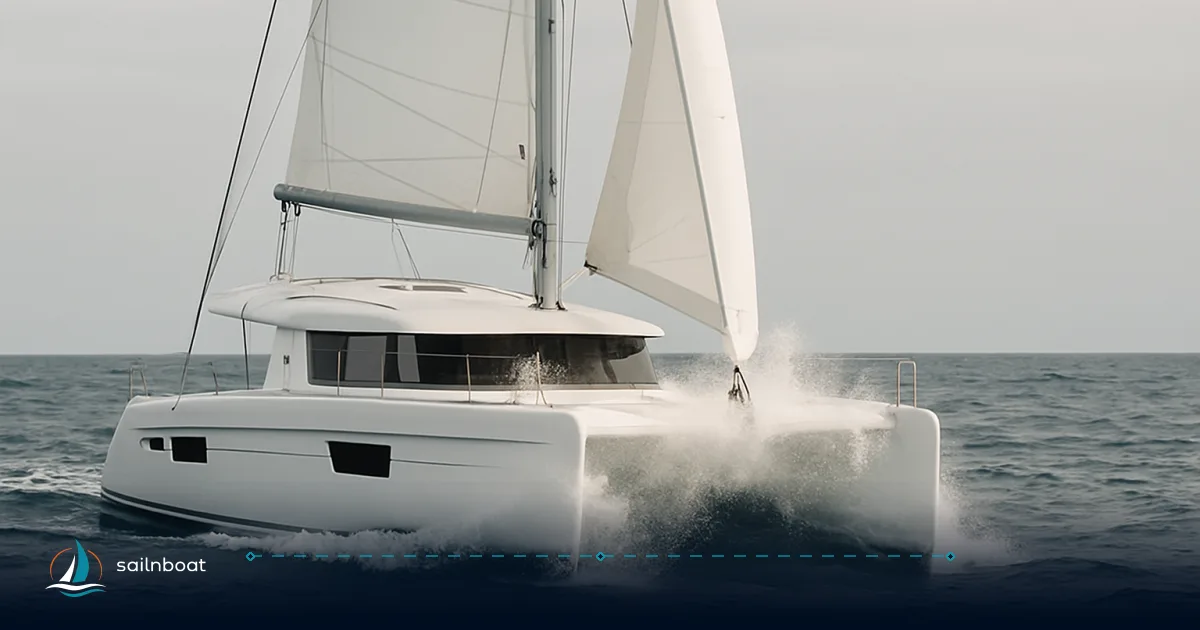
Bridge‑deck slamming is the underside pounding you hear when waves hit the flat panel between a catamaran’s hulls; it’s noisy, reduces speed, and — with repetition — adds fatigue loads that increase maintenance and can shorten structural life. If you charter cats, the single fastest way to reduce slamming is to choose a boat with adequate bridgedeck clearance and to sail it with routing and loading that keep the bows riding level, not buried.
What is Bridge-Deck Slamming?
Definition and Impact
Bridge‑deck slamming is the impact of waves against the underside of a catamaran’s bridge deck (the solid structure joining the two hulls forward of the cockpit). The event you notice—sharp bangs, a thudding vibration through the saloon and table—happens when a wave crest reaches the underside of that horizontal panel and the water is forcibly and rapidly decelerated by the bridging surface. The hit is primarily acoustic and dynamic: it startles the crew, interrupts sleep and conversation, and imposes short, high‑magnitude loads that, if repeated frequently, contribute to core crush, laminate fatigue and stressed bulkhead joints.
Practical consequence for charters
- Comfort: single slams are unpleasant; multiple slams during a night passage break sleep and increase crew fatigue.
- Performance: slamming often slows the boat (wave drag) and can force you to reduce pointing.
- Maintenance: owners/operators can see increased repairs to gelcoat, bridgedeck stiffeners and interior fittings after sustained slamming exposure.
Key Design Factors Influencing Slamming
Three design attributes matter most: bridgedeck clearance, tunnel shape (including nacelles or gull‑wing tunnels) and beam geometry.
Bridge‑Deck Clearance
Why it matters
- Clearance is the vertical gap between the waterline (in normal cruise trim) and the underside of the bridge deck. Greater clearance reduces the number of waves that can physically reach and strike the deck.
Rule‑of‑thumb and worked example
- Naval‑architecture rule‑of‑thumb commonly used in the cruising community is roughly 5–6% of LOA as “good” clearance. For a 45 ft (≈13.7 m) catamaran that corresponds to about 2.25–2.7 ft (≈0.69–0.82 m). Use that range as a decision threshold when comparing boats: under ~5% is increasingly likely to be noisy in a short‑chop sea while 5–6% commonly gives noticeably fewer strikes.
How to check on a charter
- Ask the charter operator for the bridgedeck clearance (in mm or inches) measured at design load or refer to the builder’s spec sheet; if they quote a percent of LOA, you can convert it easily. If the operator cannot supply this, treat it as a flag: ask for photos of the hull forward in a loaded condition or choose another boat.
Tunnel shape
What matters
- Tunnel geometry (the planform between hulls) controls how waves are channelled and whether they’re broken up or focused under the bridge. Wide tunnels, gull‑wing shapes and forward‑arched bridge decks let waves pass or break before they hit the underside. Some designs use a central “nacelle” or a shaped “slam pan” to deflect or smear wave energy and reduce peak loads.
Practical interpretation
- When you inspect a boat (or the spec sheet), look for a clear gap plus visible shaping under the bridge deck (rounded or gull‑wing profile). Flat, close‑to‑water decks are the ones most likely to sound alarming in chop.
Beam width (and beam:L ratio)
What matters
- Wider beam increases form stability (good at anchor and for interior volume) but a design that expands beam without also raising the bridgedeck can reduce clearance and increase slamming risk. Conversely, some performance cats keep a wide beam but raise the crossbeams and tunnel to preserve clearance. Balance is the keyword.
How to interpret numbers
- Don’t evaluate beam in isolation: ask for the bridgedeck clearance (absolute) and beam‑to‑length ratio. A wide boat with >5% LOA clearance is considerably safer for slamming than a narrower boat with the same clearance percentage but lower absolute gap.
Catamaran Models Less Prone to Slamming
Below is a concise comparison of common production/legacy families that charterers encounter and what to look for in each. Use this as a screening tool — individual boats and refits vary.
| Model / Family | Typical bridgedeck behaviour | Tunnel / notable features | Charter‑focused note |
|---|---|---|---|
| Lagoon 450S (production family) | Generally reported as having good clearance for its class and a shaped tunnel that may reduce pounding. | Gull‑wing / shaped tunnel; raised transoms keep sterns out of water. | Reviews frequently highlight quieter passages than older Lagoon models; good baseline choice in charter fleets. |
| Catana (performance cruisers) | Performance cats are often designed with moderate-to-high clearance and bow shapes intended to reduce hobby-horsing. | Wave‑piercing bows, longitudinal buoyancy under foredeck, often stiffer builds. | Tend to be less prone to repetitive slamming in ocean chop but require experienced helming in confused seas. |
| Prout (classic cruisers) | Many older Prout designs have lower bridgedeck clearance but add nacelles/anti‑slam features. Susceptible when loaded or when beating to windward. | Often a central nacelle or solid foredeck intended to dissipate impacts. | Proven blue‑water boats but more likely to produce audible slamming in short, choppy seas; load trim matters. |
| Modern performance / high‑clearance designs (Outremer, Balance, some Bali/Privilege lines) | Often intentionally high bridgedeck clearance (0.75–1.2 m in many designs) to remove slamming risk. | Elevated beams and wave‑shedding tunnel shapes; some have large air gaps. | Best choice if your itinerary includes exposed, short‑period chop or regular upwind passages. |
A few caveats
- Manufacturer model names cover long production runs and multiple variants (owner vs charter layout, flybridge vs sport top) — clearance can change between variants. Always ask for the specific sub‑model and the measured bridgedeck clearance for that boat.
Operational Strategies to Minimise Slamming
Design helps, but seamanship reduces almost every remaining occurrence.
Route selection and weather planning
- Avoid short, steep seas for passages: short, wind‑driven chop (short period waves) hitting the bow results in the worst slamming. Prefer routes with longer swell or that allow you to keep waves at a more comfortable angle.
- If a passage requires upwind work in forecast chop, consider delaying departure until seas moderate or choose a route with more fetch‑protected water. (This is often the single most effective mitigation.)
Speed, heading and helm technique
- Reduce speed when approaching steep chop: slower speed reduces the energy of a bow bury and lessens the likelihood a crest reaches the bridge.
- Steer a course that lets the bows rise over waves rather than bury: small changes (10–20°) can make a big difference between an occasional slap and repeated slamming.
- Avoid aggressively pressing the boat to windward in confused seas; ease sail or fall off to reduce hobby‑horsing.
Loading and trim
- Keep weight low and centred fore‑aft: heavy forward loading drops the bow and reduces clearance. On charters, keep extra bags and supplies aft or amidships rather than lashed to the anchor locker forward.
- Monitor fuel/water levels and redistribute when necessary; onboard refrigeration or water tanks often change trim noticeably during a week. Many charterers find moving a few 20–30 kg items aft or centrally reduces complaints.
What to check at handover (practical checklist)
- Ask for bridgedeck clearance (mm/in or % LOA) for the specific hull you’re given. If the operator can’t provide a number, request a measured photo showing the freeboard forward in a typical loaded condition.
- Inspect forward freeboard and transom immersion with typical charter load: if the transoms sit low or the bow looks down on the foredeck, decline or ask for a different boat.
- Check for aftermarket spray rails, forward lockers stuffed with gear, or heavy anchor/chain stowage that pulls the bow down — all common charter fleet culprits.
- Run a short sea trial (if available) in the expected sea state to listen for slamming; operators that resist a 10–20 minute sea trial in similar conditions are giving you a signal.
When to request a different boat
- If the bridgedeck clearance is below the commonly advised ~5% LOA and you expect exposed upwind miles, ask for a different model.
- If the boat is heavily converted (added davits, tons of gear on foredeck) and you see low freeboard forward, insist on a swap — mitigation after departure is harder than swapping at check‑in.
Consequences of Bridge‑Deck Slamming
Structural and maintenance effects
- Repeated high‑energy impacts concentrate stress at the bridgedeck‑to‑hull joints and inside the bridgedeck core and stiffeners; over years this raises service and repair costs. Experimental work demonstrates significant impulsive loads in wetdeck slamming scenarios that designers account for but which still accumulate fatigue in real use.
Crew comfort and safety
- Noise, vibration and repeated shocks increase fatigue and affect decision‑making on a long passage. In heavy seas, startled crew can be a safety hazard when moving on deck.
Performance
- Slamming usually coincides with increased drag and lower average boat speed. If you are on a tight schedule, slamming will lengthen passage time and increase fuel use if you motor through chop.
How to Select Catamarans Less Prone to Slamming (a practical decision path)
- Request the bridgedeck clearance number for the exact hull you’ll get; prefer >5% LOA as a guideline. (If the operator quotes only model name, get the variant.)
- Inspect tunnel shape and forward sections in photos: gull‑wing/tapered radius or a central nacelle is preferable to a flat low panel.
- Review beam vs LOA: very wide boats with low bridgedeck clearance trade interior volume for slamming risk; seek a higher absolute gap if beam is extreme.
- Prefer modern designs (recent builds or modern hull geometry) where possible for charter itineraries that cross exposed water.
- For a specific trip profile (e.g., extended upwind passages in exposed seas), ask charter staff for models in the fleet with proven sea‑trial history in those conditions and request a sea trial in comparable conditions where feasible.
Final practical checklist for charterers
- Before booking: ask for bridgedeck clearance (mm or % LOA), tunnel description and whether the boat has a central nacelle or gull‑wing.
- At handover: check forward freeboard in a loaded condition and request a sea run in the same sea state if you plan to beat.
- During the trip: manage weight fore‑aft, avoid short‑period steep chop on routes, slow in confused seas and adjust course 10–20° where that stops frequent slams.
- If you still experience persistent slamming, raise it with the charter base and request an alternate boat — swapping at check‑in is far cheaper and less stressful than suffering repeated slamming at sea.
Bridge‑deck slamming is a solvable problem: combine informed boat selection (ask for the clearance number), simple loading discipline and mindful routing and you will remove most of the discomfort and most of the cumulative damage risk on a charter.
Frequently Asked Questions
Bridge‑deck slamming is the impact of waves on the flat underside of a catamaran’s bridge deck between the hulls; it causes loud, jarring hits that make passages uncomfortable and, over time, impose repetitive structural loads.
Higher clearance reduces the chance a wave will reach the underside of the bridge deck; naval architects commonly use a rule of thumb of about 5–6% of the boat’s overall length as a comfortable baseline.
Production cats with higher measured bridgedeck clearance and gull‑wing or wide tunnels (for example newer Lagoon 450S reviews note good clearance) and performance cats with wave‑piercing bows (Catana family) are typically less vulnerable than older low‑bridgedeck designs such as some classic Prout layouts.
Avoid short steep head seas (route to reduce upwind legs in chop), keep weight off forward bridgedeck, slow so bow burying is less likely, adjust trim and sail plan to reduce hobby‑horsing, and if slamming persists request a different boat or different loading.
Beyond crew discomfort and interrupted sleep, repeated high‑energy impacts accelerate fatigue in structural joints, fittings and laminate cores under the bridgedeck and can produce cracked gelcoat, noisy interior vibration and higher maintenance costs over time.
Written by
Sailnboat Editorial
The Sailnboat editorial desk covers yacht and boat chartering worldwide — routes, bases, seasons, boat types, paperwork and the practical costs that decide a trip. We are a charter marketplace, not a boat owner or a local agency: what we sell is judgement and support, so our guides are written to help you make a decision, not to sell you a specific boat. Every guide is checked against live operator and marina data before it goes out.
Fact-checked against live operator and marina data, and published under our editorial standards. Last reviewed: .