Best Monohulls for Luxury Charters: A Detailed Comparison
A practical comparison of leading monohull yachts for luxury charters, with verified specs, example charter rates and the selection factors (crew, space, cruising grounds) that matter.

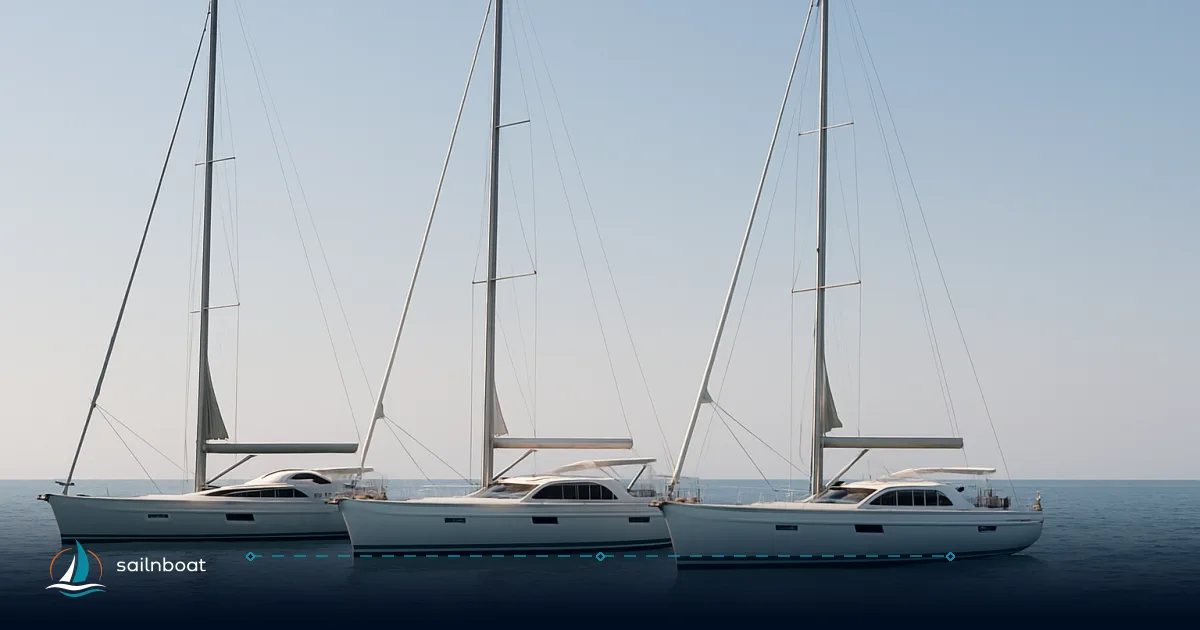
The decision to charter a luxury monohull is rarely about just the boat. You’re balancing seakeeping, guest privacy, crewed service, and the unique operational realities of each region. The top monohulls for luxury charter range from 30–40m motor yachts with flexible itineraries and beach clubs, to blue-water sailing yachts and full-service superyachts above 100m. This guide compares leading models, what you actually get for your budget, and the key choices you’ll face as you plan a high-end monohull charter.
Top Monohull Yachts for Luxury Charters
Here are representative monohull platforms frequently seen in luxury charter listings. Specs and example pricing are based on public broker listings; actual availability and rates vary by season, itinerary, and owner approval.
Mone (Custom Line Navetta 42 — 41.8–42 m)
- Type: Motor yacht (semi‑displacement GRP/three decks).
- LOA / GT / Guests: ~41.8–42 m, ~348 GT, typically up to 10 guests in 5 suites.
- What stands out: Unusually large internal volume for its class, three social decks, full beach club. Often used privately, so charter slots are limited—broker enquiry is essential.
OCEAN ONE (Azimut — ~35.3–36 m)
- Type: Motor monohull (Azimut 35–36m series).
- LOA / Guests: 35.3–36 m; flexible accommodation for around 10–12 guests in 4–5 cabins.
- What stands out: Italian styling, deck jacuzzi, beach club, at-anchor stabilisers. Broker listings show weekly rates starting near €160,000 plus expenses for Mediterranean routes.
Carinthia VII (Lürssen — 97.2 m)
- Type: Motor superyacht (Lürssen).
- LOA / Guests / Crew: 97.2 m; commonly set up for around 12 guests with a large crew (often ~30), supporting a full-service superyacht experience.
- What stands out: Expansive volume, formal entertaining spaces, and a service level only possible with a large crew. Weekly charter rates have been listed around €1,400,000 (seasonal; APA and delivery fees apply).
KISMET (Lürssen — recent 122 m example)
- Type: Motor superyacht (delivered 2024).
- LOA / Guests: Public listings show ~122 m, with charter guidance from approximately €3,000,000 per week for the 2024/2025 season. Multiple Lürssen yachts have used this name; confirm the exact vessel with your broker.
Nautor's Swan 78 (Swan 78 — 23.99 m hull, LOA 25.55 m)
- Type: Premium sailing monohull (blue‑water cruiser‑racer).
- LOA / Draft / Guests: LOA ~25.55 m, beam 6.40 m, draft options from 3.00–4.00 m. Typical charter layout: 6–8 guests in 3 luxury cabins.
- What stands out: Handcrafted joinery, serious sailing performance, and a comfortable saloon. Charter rates often fall in the €30,000–€52,000/week range depending on season and region.
Jeanneau Sun Odyssey 490 (Production premium cruiser — 14.42–14.80 m)
- Type: Production cruising monohull for higher-service charters (often skippered).
- LOA / Guests: LOA ~14.4–14.8 m; multiple cabin layouts for 4–11 people. Charter prices in the Mediterranean typically start in the €2,000–€6,000/week range, depending on base, season, and fit-out.
Comparative Table — Representative Monohull Charter Platforms
| Yacht | Type | LOA (m) | Typical guests | Broker‑listed weekly rate (example) | Key charter amenities |
|---|---|---|---|---|---|
| Mone (Custom Line Navetta 42) | Motor monohull | 41.8–42.0 | up to 10 | Private / limited charter (broker enquiry) | 3 decks, large beach club, 5 suites |
| OCEAN ONE (Azimut 35–36m) | Motor monohull | 35.3–36.0 | 10–12 | from ~€160,000/week + expenses (Med) | Jacuzzi, beach club, stabilisers, sun deck |
| Carinthia VII (Lürssen) | Superyacht (motor) | 97.2 | ~12 | ~€1,400,000/week (indicative) | Extensive decks, formal dining, large crew |
| KISMET (Lürssen 122m) | Superyacht (motor) | 122.0 | 12 (charter) | from ~€3,000,000/week (indicative) | Helipad, pool, multiple entertainment decks |
| Nautor's Swan 78 | Sailing monohull | LOA 25.55 (hull 23.99) | 6–8 | €30k–€52k/week (example) | High-quality joinery, performance rig, saloon |
| Jeanneau Sun Odyssey 490 | Production sailing monohull | 14.42–14.80 | 4–10 | €2k–€6k/week (base/season) | Easy deck layout, multiple cabin plans |
Broker-listed rates are indicative and seasonal; superyacht rates typically exclude APA/expenses and VAT. Always confirm with your broker for current offers and full cost breakdowns.
Comparative Analysis of Amenities
Interior Comfort
- Materials and Fit-Out: Premium monohulls like Swan and Oyster use custom joinery, acoustic insulation, and luxury finishes for a hotel-level feel. These yachts focus on noise control and large saloons for long passages.
- Cabin Layout and Privacy: Superyachts often feature owner and VIP apartments with separate crew corridors for privacy. Mid-size motor yachts usually have 4–5 cabins on the lower deck, each en-suite; production cruisers maximise berth count for charter groups. Always check the actual cabin plan—layout can vary widely even at similar lengths.
Outdoor Spaces
- Sunbathing and Wellness: On 30–40m motoryachts, expect a sundeck with sunpads and a hot tub. Superyachts add spa suites, large pool decks, or reconfigurable party areas. For example, OCEAN ONE includes a deck jacuzzi and extensive sunpad zones.
- Beach Clubs and Tender Garages: The beach club is now standard on monohulls above ~30 m, serving as a guest staging area and for water sports. On superyachts, these spaces become full-size lounges with direct water access and storage for toys.
Design Features Enhancing Charter Experiences
Innovative Layouts
- Open-Plan Saloon and Flexible Furniture: Recent builds favour convertible saloon/galley setups and folding doors for seamless indoor/outdoor flow—key for on-deck dining and protected lounging. It’s worth checking if the main saloon opens to the aft deck, as this impacts social dynamics more than raw length.
Sustainability Aspects
- Hybrid and Electric Systems: Sustainability innovation is advancing, but most breakthroughs currently appear on catamarans. In the monohull sector, some builders (notably Azimut/Benetti) are introducing hybrid propulsion and electric at-anchor modes to cut generator time and noise. Ask your broker whether the yacht offers any hybrid or battery-supported systems and what that means for quiet hours at anchor.
Factors to Consider When Selecting a Monohull
Charter Rates—What to Expect and What’s Included
- Typical Ranges:
- Production/large-charter cruisers: €2,000–8,000/week.
- Premium sailing monohulls (Swan/Oyster): commonly €30,000–60,000/week.
- 30–40m motor monohulls: €80,000–400,000/week.
- Large superyachts: €1,000,000–3,000,000+/week. These are broker-listed ranges and shift by season, region, and vessel.
- Advance Provisioning Allowance (APA): For superyachts and many larger motor yachts, the charter contract quotes a base fee plus APA to cover fuel, food, berthing, and other variable costs. APA is often set at 20–35% of the charter fee for large yachts, but this varies—always confirm the exact rate in your contract.
Crew Experience and Service Model
- Crew-to-Guest Ratio: Many superyachts operate with a crew-to-guest ratio near 2:1, enabling bespoke service and full-menu cuisine. On mid-size motoryachts, ratios range from 0.5–1.5 crew per guest, depending on owner and layout. Always ask for crew CVs and discuss specific service expectations with your broker.
- Language and Specialisation: For international itineraries, multilingual crew are a plus. Ask if the chef has proven charter experience, and clarify any special guest needs (dietary, medical, childcare).
Itinerary and Draft Constraints
- Draft vs. Cruising Ground: Deep-keel sailing monohulls (3–4 m draft) excel offshore but limit shallow anchorage options. If you plan to cruise shallow archipelagos (Bahamas, Caribbean cays, some Med anchorages), a shallow-draft vessel or catamaran may better suit your itinerary. Always match the yacht’s published draft to your planned stops.
Regional Constraints and Operational Costs
- Mooring/Berthing Fees:
- Mediterranean marinas: High-season berthing for a ~45-ft yacht typically ranges from about €150–400+ per night in many ports, with marquee marinas substantially higher; superyachts often pay €1,000–10,000+ per night depending on LOA, port, and berth class.
- Caribbean: Marina fees are generally lower; anchoring is more common, but some islands require paid mooring balls (€15–€40/night).
- US and Bahamas: Some harbours restrict foreign-flagged charters; always check local regulations and flag restrictions.
- Seasonal Access: The Med high season (June–September) brings higher prices and crowded marinas; Caribbean peak is December–April. Some regions have strict weather windows—hurricane season (June–Nov) in the Caribbean, or Mistral periods in the Western Med.
Example: Mediterranean Sample Itinerary (7 nights, 35m motor yacht)
| Day | Port/Anchorage | Distance (nm) | Mooring Type | Notes |
|---|---|---|---|---|
| 1 | Nice | — | Marina | Embark, safety check, provisioning |
| 2 | St. Tropez | 40 | Marina/Anchor | Berth fees €200–500+ in high season |
| 3 | Porquerolles | 35 | Mooring buoy | Reserve well ahead (limited spots) |
| 4 | Calvi (Corsica) | 60 | Marina/Anchor | Cross open water, check weather window |
| 5 | Girolata | 20 | Anchor | No marina, limited shore access |
| 6 | Monaco | 70 | Marina | High fees, advance booking essential |
| 7 | Nice | 15 | Marina | Disembark |
- Fuel, provisioning, and berthing fees: These can easily add 20–35% to the weekly base rate for a 30–40m yacht in the Med.
Insurance, Paperwork, and Booking Process
-
Insurance: Most charters include hull and liability insurance for the vessel, but you are typically liable for deductibles and exclusions. Ask for the insurance summary and clarify if you need supplemental travel or cancellation insurance.
-
Booking Process:
-
Contract: Charter contracts (e.g., MYBA, AYCA) set the terms—review payment schedule, cancellation terms, and insurance clauses.
-
Payments: Deposits are usually 50% upon booking, balance 4–6 weeks before departure. APA and VAT are often due with the balance.
-
Paperwork: Charterers must provide passport details, guest list, and sometimes proof of qualifications (for bareboat or skippered charters).
-
Cancellation Policies: Terms vary. Many contracts allow partial refunds up to a certain date, with escalating penalties closer to departure. COVID-era flexibility has largely disappeared; check for force majeure clauses.
-
Regulatory Differences: VAT is charged on most Med charters (from 10% in France to 22%+ in Italy); US-flagged yachts face restrictions on foreign charters, and some destinations require special permits or cruising taxes.
Monohulls vs. Catamarans in Luxury Charters
Stability and Space
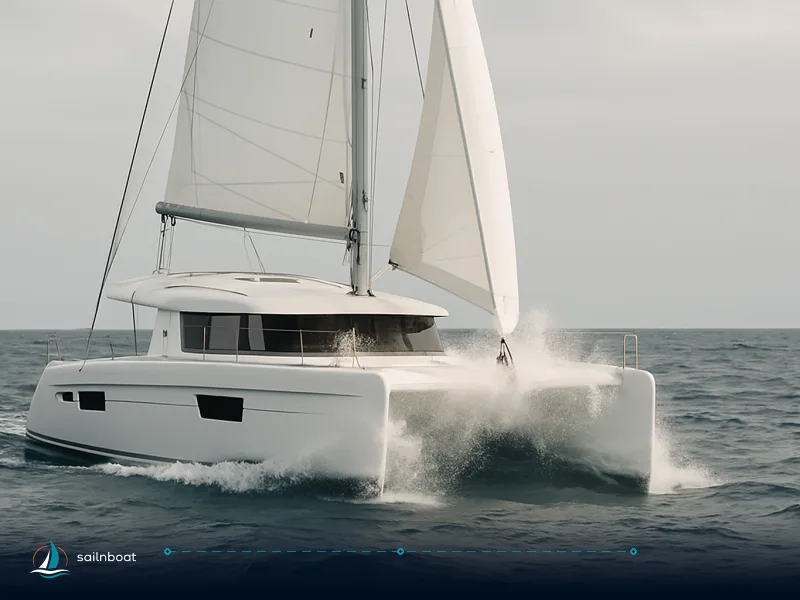
- Stability: Catamarans offer a flatter, less-heeling platform at anchor and underway, which can help guests prone to seasickness. Monohulls heel under sail, giving a more connected sailing experience and better upwind performance. If platform space and shallow-water access are your priorities, a catamaran may be a better fit; if you want classic sailing and superior windward ability, choose a monohull.
Performance Under Sail
- Windward Performance and Self-Righting: Monohulls with deep keels generally sail closer to the wind and are self-righting—a safety factor absent in most multihulls. Catamarans can be faster on a reach and offer more living space, but require different loading and watch routines. Weigh these trade-offs, especially if your route includes offshore legs.
Choosing Your Ideal Monohull — Recommendations
- For resort-level luxury with full service and all amenities: Focus on large owner-managed superyachts (Carinthia VII, KISMET) and work through a reputable broker. Expect weekly rates in the multi-million euro range, plus APA and VAT.
- For private, stylish motor cruising with large social decks and lower operating cost: 30–40m motoryachts like OCEAN ONE offer a strong balance of cost and amenities. Typical weekly rates are in the high five- to low six-figure range.
- For sailing authenticity and premium finishes: Nautor’s Swan 78 or similar Oyster-class monohulls provide true offshore capability and luxury at a lower rate than superyachts, but higher than production cruisers.
- For shallow anchorages or maximum living area per LOA: Consider catamarans if your itinerary is in the Bahamas, Caribbean cays, or Med archipelagos—space and stability may outweigh monohull sailing purity in these regions.
Summary Checklist — Key Charter Decisions
| Decision Point | Options / Ranges | What to Ask / Confirm |
|---|---|---|
| Guest count | 4–12 (typical), up to 30+ on superyachts | Max legal/comfortable guests for your target yacht |
| Itinerary | Med, Caribbean, US, Bahamas | Any draft restrictions, weather windows, or flag issues |
| Weekly rate | €2,000–€3,000,000+ | What’s included/excluded; APA and VAT rates |
| Crew-to-guest ratio | 0.5–2:1 (varies) | Crew CVs, chef experience, service model |
| Amenities | Jacuzzi, beach club, spa, toys | Actual deck/cabin layout; ask for the latest plan |
| Insurance | Included (with deductible) | Deductibles, exclusions, supplemental cover |
| Booking terms | 50% deposit, balance 4–6 weeks out | Cancellation penalties, contract type |
Final Practical Steps
- Clarify your non-negotiables: Guest count, cruising ground, chef/service needs, draft limits.
- Request two comparable offers: Ask for both a monohull and a catamaran proposal, with full cost breakdown (charter fee, APA, VAT, berthing), and actual cabin plans.
- Check crew CVs and refit history: Especially for superyachts, request recent inspection reports and written APA percentages.
- Review all paperwork: Insurance summary, contract terms, cancellation policy, and regulatory requirements for your region.
Ready to shortlist? Share your dates, guest count, and destination. We’ll match you with monohull platforms that fit your brief and walk you through the trade-offs—before you commit to a contract or send any funds.
Frequently Asked Questions
Top options span motor superyachts (Carinthia VII, KISMET), mid‑size motor monohulls (Azimut OCEAN ONE), and premium sailing monohulls (Nautor's Swan 78, Oyster series); availability depends on season and broker.
Superyachts prioritise full‑service amenities (spa, helipad, beach club) and large outdoor entertaining areas; mid‑size motoryachts emphasise beach clubs and sun decks; premium sailing monohulls prioritise large saloons, quality joinery and blue‑water seakeeping.
Decide by (1) guest count and privacy, (2) cruising grounds and draft limitations, (3) desired service level/crew ratio, (4) budget including APA (often 20–35%).
Rates vary widely: production cruisers €2,000–8,000/week; premium sailing yachts €30,000–60,000/week; 30–40m motor yachts €80,000–400,000/week; ultra‑yachts €1M–3M+/week, plus APA and taxes.
Monohulls generally offer better upwind performance and a traditional sailing feel; catamarans give more usable living area and shallower draft—trade performance vs platform space.
Written by
Sailnboat Editorial
The Sailnboat editorial desk covers yacht and boat chartering worldwide — routes, bases, seasons, boat types, paperwork and the practical costs that decide a trip. We are a charter marketplace, not a boat owner or a local agency: what we sell is judgement and support, so our guides are written to help you make a decision, not to sell you a specific boat. Every guide is checked against live operator and marina data before it goes out.
Fact-checked against live operator and marina data, and published under our editorial standards. Last reviewed: .