Best Time to Sail Belize: A Month‑by‑Month Guide for Charterers
For most charterers the dry season (roughly November–May) is the best time to sail Belize; this guide breaks down weather, winds, diving visibility and hurricane risk month by month.


For most charterers the best time to sail Belize is the dry season — roughly November through May — with December–April offering the steadiest ENE trade winds, lower rainfall and the clearest reef visibility for diving and snorkeling. This month‑by‑month guide explains what to expect for temperatures, rainfall, winds, diving windows and hurricane risk so you can choose the month that matches your priorities and crew skill level.
Overview of Sailing Conditions in Belize
Belize is tropical with a distinct dry season and a wet (hurricane) season; coastal averages are narrow (low 20s–high 20s °C) but rainfall changes dramatically between seasons. The dry season normally runs from late November through April/May; the wet season (and official Atlantic hurricane season) runs June 1–November 30. Expect high humidity year‑round and local variation between the cayes, the mainland coast and the offshore atolls.
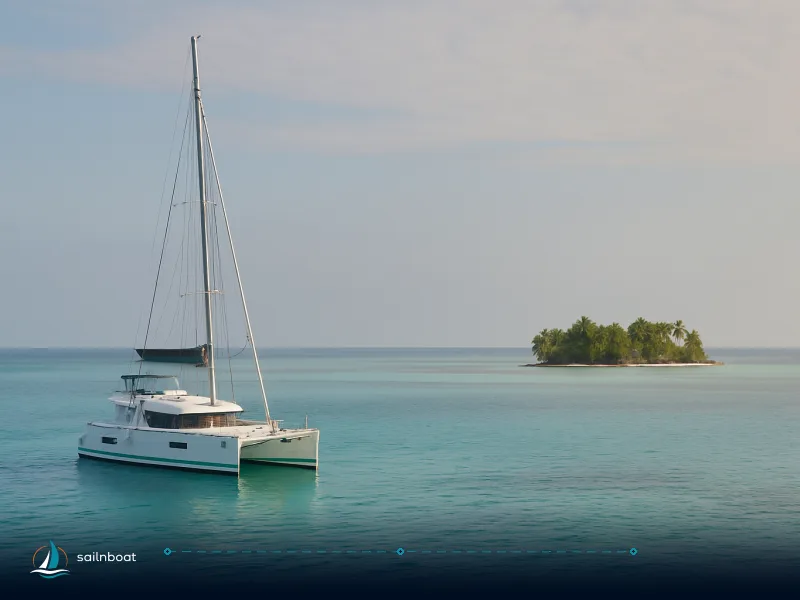
- What the sailing environment feels like: you usually cruise inside the protection of the Belize Barrier Reef and between closely spaced cayes, which absorbs ocean swell and keeps passages relatively short and comfortable compared with open‑ocean Caribbean crossings. That reef protection lets you enjoy consistent trade‑wind sailing without the long, pounding fetch of the open sea.
Climate overview (quick facts)
- Average coastal air temperature range (monthly averages): ~23.3°C (Jan low) to ~27.2°C (Aug high). Monthly water temperatures typically run ~26–29°C.
- Rainfall pattern: driest months typically January–April (monthly rainfall often <100 mm in that span), wettest months June–October (monthly rainfall commonly 180–255 mm at the coast).
- Wind regime: persistent ENE–NE trade winds are the rule; expect steady trades during the dry season and variable stronger winds with “northers” (cold frontal events) in the cool winter months.
January to March: Optimal Sailing and Diving Conditions
Weather patterns
January–March is prime for reliable, settled conditions: cooler nights, lower humidity and limited rainfall. Average coastal monthly temperatures sit around 23–25°C (daytime highs often mid‑20s °C) and monthly rainfall is typically at its annual minimum in March. Northers can push stronger winds for a day or two, so brief blowouts are possible; otherwise expect consistent trade winds and calm, reef‑protected waters.
Diving and snorkeling
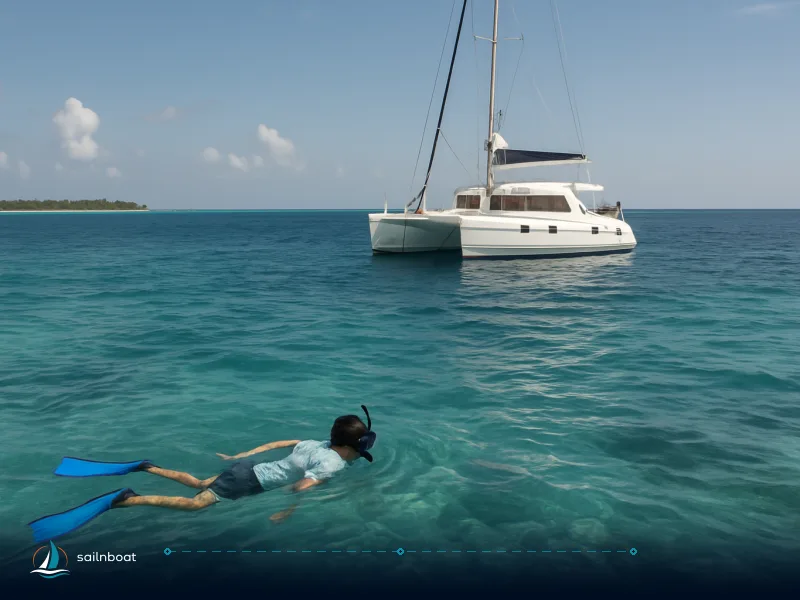
This period is widely regarded as the clearest for reef visibility — outer atolls commonly show 25–40 m visibility and the barrier reef offers excellent snorkel conditions. Many operators recommend December–May for diving because runoff is lowest and seas are calmer. If your priority is wall dives (Lighthouse Reef, Turneffe, Glover’s Reef) or the Blue Hole, book in this window.
Operational notes for charterers:
- Handover and sea trials: most bases perform check‑outs in calm weather during these months; base offices are fully staffed and spare parts availability is at its best. Expect check‑in paperwork and engine checks to take longer during busy weeks (Christmas–New Year, spring break).
April to June: Transition to Rainy Season
Weather changes
April marks the warm, windier end of the dry season; temperatures rise toward mid/ high‑20s °C and rainfall increases through May. By June the wet season starts to establish itself; June is a transition month and can still deliver long calm spells but with a higher probability of heavy afternoon showers. Monthly rainfall typically moves from ~50 mm in April to >100–220 mm by June on the coast.
Sailing considerations
- Trade winds remain usable through April and into May; you can still expect good sailing but with more variability and more squalls/afternoon thunderstorms as the season turns. For short passages inside the reef, conditions are generally manageable; crossing to atolls may be rougher on unsettled days. Wind speeds often average 10–18 knots, with stronger intervals.
- Operational trade‑off: April–June is a shoulder window for many operators — you can often find softer charter rates and greater availability, but the risk of an unsettled weather day increases. If you choose these months, build flexibility into your itinerary and keep your daily legs conservative.
Diving and wildlife
- April–June is excellent for pelagics at the atolls and for spawning‑related activity: many pelagic species and snappers gather at Gladden Spit March–June (strongly tied to lunar cycles), so April–June can be the best window if you want whale sharks or snapper‑spawn dives. Expect slightly reduced outer‑atoll visibility compared with Jan–Mar at times, but stronger wildlife encounters.
July to September: Hurricane Season Risks
Hurricane season overview
The Atlantic hurricane season runs June 1 through November 30; the climatological peak is August–October and individual seasons vary. This is the highest risk period for tropical storms and hurricanes that can affect Belize directly or indirectly. Even outside direct hits, tropical systems produce high seas, strong gusty winds, and extended rain. Treat bookings in this window as higher risk and factor contingency time and insurance into your plan.
Mitigation strategies (practical steps for charterers)
- Booking and contracts: choose operators that offer flexible rescheduling and clear hurricane‑season refund/cancellation policies; verify their storm‑management plan (evacuations, safe berthing, repositioning). Many operators reduce fleet size during the heart of the season.
- Local monitoring: use NOAA/NHC advisories and the Belize National Meteorological Service for local updates; finalize your plan at least 72 hours before the expected arrival of a named system. Operators will usually require early return or relocation if a system threatens.
- Safe harbours and evacuation: Belize City and Placencia have marina infrastructure used in storm events; discuss the operator’s preferred safe berthing plan and how the crew would be accommodated ashore if the boat is secured. Expect busy logistics in a real‑world event — the earlier you act, the more options you retain.
October to December: Ideal Conditions Return
Weather recovery
October can still be wet and stormy but conditions generally improve through November; by late November the dry season begins to settle, humidity drops and winds become more consistent. Temperatures in this window are pleasant (mid‑20s °C) and monthly rainfall typically reduces to under ~100–150 mm as the dry season returns.
Best diving and sailing months
- November and December mark the start of the high‑quality diving window again; December–April is broadly the best continuous block for calm seas, steady trades and good visibility. Sailing conditions are favorable and reliable from December through April — this is when you’ll get the best balance of wind and reef protection for comfortable passages.
Operational notes:
- Peak‑season pricing kicks in mid‑December and runs through Easter; if you want settled conditions with lower crowds, consider late November or early December.
Shoulder Seasons: Pricing and Crowds
Impact on charter prices
- Typical pattern: prices and demand peak around Christmas–New Year and during spring breaks (December–April). Shoulder months (April, May and October, sometimes November) often show softer rates and availability, but operators may also limit schedules and services. Expect the best deals in late April–May and October, provided you accept some risk of scattered rain or rougher sea days.
Crowd levels and experience
- Shoulder months can deliver quieter marinas and moorings; that’s an advantage if you value space at popular anchorage points such as Ambergris Caye, Caye Caulker and Placencia. If your priority is the reef and dive quality, balance the lower price against the slightly higher chance of rain or reduced visibility.
Quick month‑by‑month reference table
Below is a condensed operational table to compare average temperature, coastal rainfall, sailing and diving suitability at a glance. Coastal climate figures are typical monthly averages for Belize City (useful baseline for most coastal/caye plans — local microclimates vary). Sources: Belize climate data and regional sailing/diving guidance.
| Month | Avg temp (°C) | Avg rainfall (mm) | Sailing / wind notes | Diving/snorkel notes |
|---|---|---|---|---|
| Jan | 23.3 | 97 | Steady trades, cool nights; reliable sailing. | Excellent visibility; low runoff. |
| Feb | 24.3 | 51 | Very good sailing; low rain. | Excellent visibility; outer atolls calm. |
| Mar | 25.2 | 49 | Quiet and stable; watch for brief northers. | Peak visibility; good for reef and wall dives. |
| Apr | 26.5 | 50 | End of dry season; winds pick up, still firm for passages. | Very good; start of good pelagic window at some sites. |
| May | 27.1 | 113 | Shoulder: variable; more squalls. | Good for spawning/whale‑shark activity at Gladden (Mar–Jun). |
| Jun | 27.0 | 220 | Wet season starts; higher chance of unsettled passages. | Atolls still diveable; visibility can vary. |
| Jul | 26.9 | 187 | Hurricane season — increased storm risk; be flexible. | Visibility and ops variable. |
| Aug | 27.2 | 200 | Peak tropical risk window; many operators scale back. | Variable; heavy rain possible. |
| Sep | 27.0 | 231 | Climatological peak for storms; avoid long commitments. | Variable; fewer charters in operation. |
| Oct | 25.9 | 255 | Wettest single month often; conditions improve late month. | Visibility improving late month; caution early. |
| Nov | 24.4 | 177 | Transition to dry season — improving winds and seas. | Visibility returns; outer atolls become more consistent. |
| Dec | 23.9 | 105 | Reliable trades return; start of high season. | Excellent diving and snorkeling. |
Practical checklist for charterers (before you go)
- Competency paperwork: if you plan to bareboat, check with your charter operator about any required competency paperwork — operators may request proof of qualifications and experience before handover. Bring passport copies, your sea CV and qualification certificates.
- Insurance and cancellation: buy charter/travel insurance that covers tropical storm cancellation and evacuation costs, and confirm the operator’s hurricane‑season policy. Many operators require early return or repositioning when a tropical system is forecast.
- Boat choice: prefer a shallow‑draft catamaran (draft varies by model; many charter cats are shallower than monohulls) if you plan extensive caye/lagoon cruising; monohull drafts are generally deeper. Shallow draft improves access to inner cayes and anchorages.
- Navigation: charts, local knowledge and careful depth monitoring are essential — the “skinny water” between reef and shore is full of coral heads and shifting shoals; err on the conservative when routing between cayes.
Final decision checklist — pick the month that matches your priorities
- Best overall sailing + diving (most reliable): December–April.
- Best for pelagics/Gladden Spit (whale sharks/snapper spawn): March–June (full‑moon related peaks).
- Lowest prices/fewer crowds (but more variable weather): April–May and October.
- Months to avoid unless you accept risk: Mid‑Aug through October (highest hurricane/storm probability).
Plan your charter around what matters most to you: if you prize steady trade winds and the clearest reef visibility, aim for December–April; if you want whale sharks or quieter marinas at lower cost, accept some weather variability and consider April–June or October. Whatever month you choose, confirm all required paperwork with your charter operator, check cancellation and hurricane policies, and keep daily plans conservative — short hops between anchorages are the smart way to cruise Belize’s exceptional but delicate reef system.
Plan your yacht charter in Belize using this month‑by‑month guide and talk to your Sailnboat agent about available bases, boat types and flexible booking options for your chosen month.
Frequently Asked Questions
Coastal averages run roughly 23–27°C (January coolest, August warmest). Monthly rainfall is low in the dry months (about 49–115 mm Jan–May) and rises sharply in the wet season (peaks ~200–255 mm Jun–Oct).
Dry season months — December through May — generally give the best visibility (often 25–40 m on outer atolls); April–June is also excellent for atoll wall dives and pelagic encounters.
The most reliable trade-wind sailing is during the dry season, with typical ENE trades of about 10–20 knots and often stronger winds in December–February.
Shoulder months (April–May and October) often mean softer charter rates and fewer crowds than mid-winter peak (Christmas–Easter) but weather becomes more variable and some operators reduce schedules.
Atlantic hurricane season runs June 1–Nov 30, with peak risk from mid‑August to mid‑October; mitigate by flexible bookings, monitoring NOAA/NHC and local forecasts, ensuring evacuation plans and confirming operator cancellation/insurance policies.
Written by
Sailnboat Editorial
The Sailnboat editorial desk covers yacht and boat chartering worldwide — routes, bases, seasons, boat types, paperwork and the practical costs that decide a trip. We are a charter marketplace, not a boat owner or a local agency: what we sell is judgement and support, so our guides are written to help you make a decision, not to sell you a specific boat. Every guide is checked against live operator and marina data before it goes out.
Fact-checked against live operator and marina data, and published under our editorial standards. Last reviewed: .