Best Time to Sail the Bahamas: A Month-by-Month Planner
A tactical month-by-month planner for charterers choosing between the Abacos, Exumas and southern Bahamas; covers prevailing winds, water temperatures, marine life seasons, crowd windows and hurricane timing.

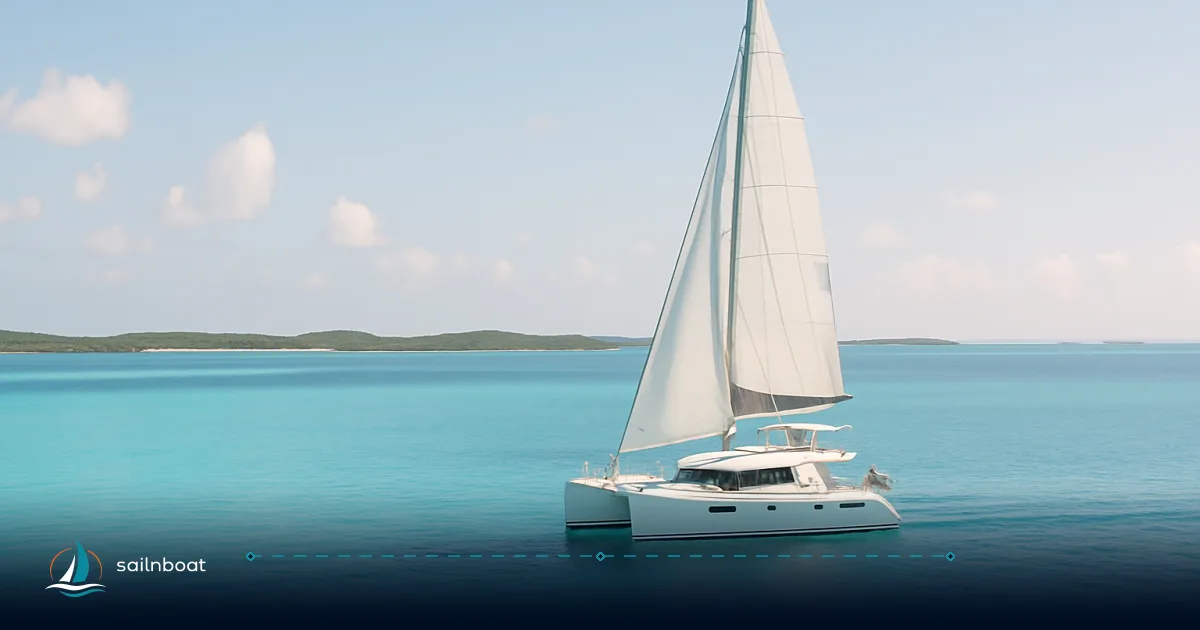
The single best rule for choosing dates: if you want the most reliable, trade‑wind sailing with the least storm risk, aim for December through April — that window is widely regarded as the best time to sail Bahamas because trades are steady, rainfall is low and water visibility is at its best; expect higher prices and busy anchorages in that period.
Overview of Sailing Conditions in the Bahamas
Two facts set every charter decision: the islands sit on broad shallow banks that give clear, warm water but also create exposed passages and short fetches that amplify trade winds; and the archipelago sits inside the Atlantic hurricane season (June 1–November 30). Use the seasonal pattern below to match your priorities — wind strength, flat water for snorkelling, marine life targets, or lower charter costs.
Key Regions for Sailing
- Abacos: exposed to open Atlantic fetches and the full force of the northeasterly trades; excellent cruising grounds for multiday hops between settlements and well-developed marinas. The Abacos can be windier and cooler after a frontal passage.
- Exumas: long, shallow banks, protected channels and world‑class snorkel sites; generally more sheltered than the Abacos and a favourite for anchor‑and‑play itineraries (Staniel Cay, Compass Cay, Warderick Wells). Visibility and calm water are best in the dry season.
- Southern Bahamas (Inagua, Mayaguana, Ragged Island): quieter, warmer and more remote; wildlife interest is high (humpback whales and important nesting beaches), but facilities and reliable provisioning are sparser — plan logistics accordingly.
Quick comparison: Region vs season (at-a-glance)
| Region | Typical winter wind (Dec–Apr) | Typical summer wind (Jun–Sep) | Sea temp range (°C) | Best reason to choose |
|---|---|---|---|---|
| Abacos | steady NE trades, commonly 10–18 kt with occasional ≥25 kt frontal gusts | trades remain but storms possible; wind direction can veer SE | ~24–30°C (coolest Jan–Mar, warmest Jul–Sep). | Protected anchorages close to marinas; short hops between islands |
| Exumas | steady but more sheltered, often lighter than the Abacos, with sheltered channels typically experiencing moderate trade winds | slightly lighter on average; summer storms possible | ~25–30°C (warmer overall; summer peak). | Best snorkelling visibility, calmer anchorages in shoulder months |
| Southern Bahamas | northeasterlies but generally lighter locally; remote | southeasterly components can appear; hurricane exposure like rest of Bahamas | ~25–30°C; generally warm year‑round. | Wildlife focus (whales, nesting turtles), solitude |
(Notes: the wind ranges above reflect typical trade‑wind behaviour in the Bahamas — trades commonly sit in the 10–20 kt band but local peaks and frontal surges occur; water‑temperature averages vary by shallow vs deep water and by sheltered bay.)
January to March: Peak season insights
Weather patterns
- Expect steady northeasterly trades and generally dry weather; this is the driest, most settled window for sailing. Typical trade‑wind strengths in the winter dry season often sit in the mid‑teens (knots), with short spells of stronger northerly or north‑east gusts when cold fronts pass. The hurricane season is well clear of this window.
Marine life and activities
- Visibility is excellent for snorkelling and diving, and many shark and ray species are reliably encountered from late autumn through spring. Humpback whales are sometimes reported off the southern Bahamas in winter, but sightings are unpredictable and not guaranteed in January–March. Sea turtles are present year‑round but not nesting in force until later spring.
Crowd levels
- This is the busiest window for charters and stayover tourism; book Exuma boat days, popular marinas and island restaurants months ahead if you travel in February–March or around the Christmas–New Year period. Expect marina berths, provisioning and excursions to command a premium.
Practical decision rule: choose Jan–Mar when you prioritise consistent trades, excellent visibility and minimal rain — accept higher rates and busy anchorages.
April to June: Transition to shoulder season
Weather changes
- Winds often moderate compared with mid‑winter but can still be steady trade breezes; humidity and afternoon shower frequency begin to rise toward June. April–May are widely regarded as near‑ideal shoulder months for charterers who want lighter crowds while retaining good sailing winds.
Marine life activity
- Visibility remains strong; spring is when many species become more active nearshore. Turtle nesting increases from May forward on many islands; snorkeling and conch/reef life are very active. Dive operators report excellent conditions for wall and drift dives in the Exumas before the summer plankton increases.
Crowd management
- Availability improves substantially compared with peak season; many charterers prefer April–May to avoid both the high‑season crowds and the hotter, wetter summer. Note that June begins the official hurricane season even though early June is often quiet.
Operational tip: if you charter in late April–May, you get quieter anchorages and still‑good trades — plan provisioning stops because smaller shops may have reduced hours in shoulder weeks.
July to September: Hurricane‑season considerations
Weather risks
- The Bahamas falls inside the Atlantic hurricane season (June 1–Nov 30), with climatological peak activity August–October; storm frequency and intensity rise in these months and short‑notice disruptions are possible. Trade winds can be variable and thunderstorms become daily features in summer. Monitor official forecasts and your charter operator’s hurricane policy closely.
Safety tips
- Never sail into a named tropical system. Confirm your charter contract’s cancellation/refund and repositioning rules, have a clear plan for safe harbours (major marinas and some protected anchorages) and ensure insurance and emergency contact procedures are in place. Many operators will not allow bluewater passages during named storms and will recommend landfall or base return well before a system approaches. (These are local operational practices and can vary by company.)
Marine life & visibility
- Sea temperatures peak (≈28–30+°C) and reefs remain productive, but summer plankton and increased runoff after heavy rain can reduce visibility inshore compared with the dry season. Sharks, rays and reef life remain present year‑round.
Charter availability and crowds
- Fewer charter bookings and lower nightly rates are common, but the trade‑off is the higher weather risk. If you accept the risk, you can find value — but be realistic about itinerary changes if the forecast turns.
October to December: Return to favourable conditions
Weather patterns
- October marks the tail end of the hurricane season but still carries residual risk; by November conditions often settle into the drier trade‑wind pattern and water clarity begins to improve. December brings the return of the reliable northeasterly trades and low rainfall into the winter window.
Marine life and activities
- Visibility recovers in late autumn and winter; November and December are good for early‑season whale and shark viewing in parts of the archipelago. Turtle nesting wanes after September but turtles remain visible in feeding grounds.
Crowd levels
- November is a quiet shoulder month; mid‑December onward the high‑season bookings accelerate. If you want good conditions and lower crowds, late November–early December is a sweet spot for charterers who accept a modest residual storm risk.
Month‑by‑month quick planner (what to expect)
- January–March: Best for steady trades, top visibility, high charter demand — pick the Abacos for open‑water sailing or Exumas for sheltered anchorages with many day‑trips.
- April: Trades lighten slightly, reefs remain clear, crowds thin — Exumas are excellent for multi‑stop anchor plans.
- May–June: Warm water, increased turtles nesting; June opens hurricane season — good value but be flexible.
- July–September: Warmest water, lowest crowds but highest storm risk; carry a contingency plan.
- October: Transition month — visibility improves but still inside hurricane season peak window; watch forecasts.
- November: Quiet shoulder month, recovering visibility; good value and improving weather.
- December: Trades return; busy from mid‑December (holiday bookings); book early for Christmas/New Year.
Practical checklist before you go
- Contracts & insurance: confirm the charter’s hurricane and refund policy, and check how repositioning, early returns, and safe‑harbour mooring are handled. Policies vary by operator.
- Weather tools: use local forecasts (Bahamas Department of Meteorology, NHC) and a paid routing/GRIB service for passage planning.
- Crew preparedness: carry an emergency plan, contact list for the base, and have at least one person confident with engine and anchor drills — weather can change quickly on shallow banks.
- Provisioning & fuel: Exumas and southern islands are more remote — provision heavily and plan fuel legs; many smaller cays have limited stores.
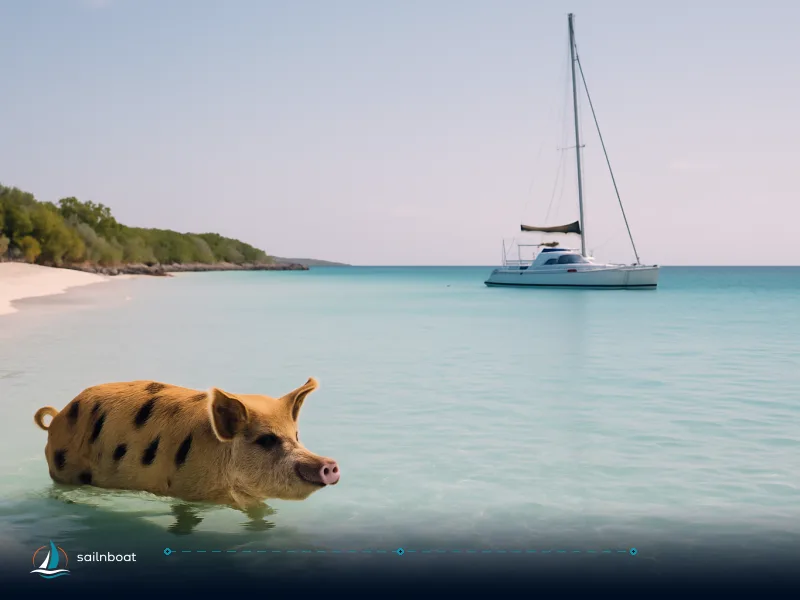
- Marine‑life bookings: if you want guided shark dives, blue‑hole dives or a boat day to the Exuma swimming pigs, reserve those excursions early in high season.
Final decision guide — pick by priority
- If you want the most reliable winds and best visibility: choose December–April and accept the price/crowd trade‑off.
- If you want fewer boats, good conditions and lower costs: target April–early June or late November.
- If you prioritise solitude and wildlife (whales, remote beaches): consider the southern Bahamas in winter (Jan–Apr) for whale season, but prepare for limited services.
Plan your itinerary and the base (Nassau, Marsh Harbour, George Town) to match the region you want to explore. The trade winds and the hurricane clock are the two variables that most affect comfort and safety — match those to your risk tolerance and crew experience, and you’ll have a productive, enjoyable charter.
Frequently Asked Questions
The trades commonly average roughly 10–20 knots year‑round; winter (Oct–Apr) brings northeasterly trades and occasional 25+ knot frontal gusts, while summer months can shift slightly southeasterly and stay in the low‑to‑mid trade range. Local exposure matters: Abacos sees the brunt of the fetch, Exumas are more sheltered.
Turtles concentrate near nesting beaches from about May–September; humpback whale breeding/calving shows in the far south is strongest Jan–Apr; sharks, rays and nurse sharks are seen year‑round with many operators reporting best overall shark diversity from autumn through spring.
Peak charter and tourist demand runs mid‑December through April (winter high season). Shoulder months (April–June and November–mid‑December) offer fewer crowds and better availability; summer (June–August) is quieter but overlaps hurricane season.
Bahamas lies inside the Atlantic hurricane season, which officially runs June 1 through November 30; activity and risk are highest in August–October.
Many charterers prefer the Exumas in spring (April–June) and late autumn (November) — calmer channels, excellent visibility and fewer boats than the north‑western Abacos in high season.
Written by
Sailnboat Editorial
The Sailnboat editorial desk covers yacht and boat chartering worldwide — routes, bases, seasons, boat types, paperwork and the practical costs that decide a trip. We are a charter marketplace, not a boat owner or a local agency: what we sell is judgement and support, so our guides are written to help you make a decision, not to sell you a specific boat. Every guide is checked against live operator and marina data before it goes out.
Fact-checked against live operator and marina data, and published under our editorial standards. Last reviewed: .