Swimming Pigs in the Exumas: A Responsible Charterer’s Guide
How to visit the swimming pigs at Big Major Cay from Staniel Cay without disturbing the animals or your charter budget—practical timing, approach and fee guidance.

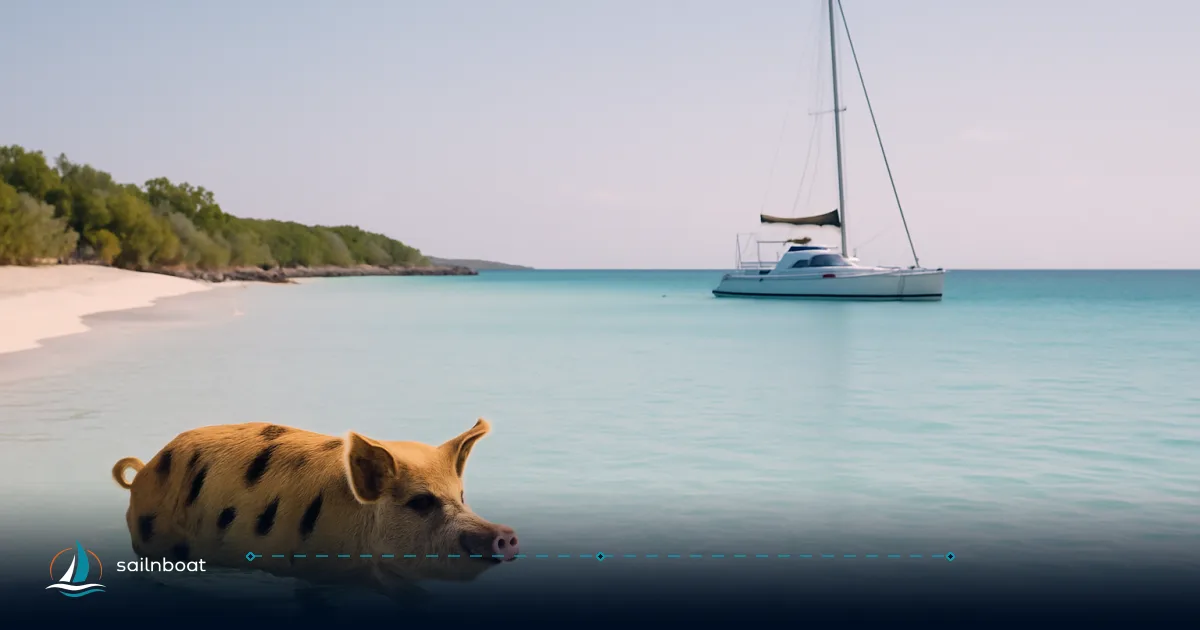
The swimming pigs of the Exumas live on Big Major Cay (Pig Beach) and are only reachable by boat — most charters stage from Staniel Cay and plan a short tender ride to the beach. If your objective is a low‑impact visit, the single most useful choices are when you go (early/late and on a weekday), how you approach (tender from outside the beach zone) and what you feed (fresh fruit/veg only); these three choices protect the pigs and reduce stress for your crew.
Understanding Pig Beach and Its Location
Big Major Cay (commonly called Pig Beach) is an uninhabited cay in the Exuma island chain. The site is a water‑bound attraction: there is no road, dock or road access — every visitor arrives by boat, usually from nearby Staniel Cay. Staniel Cay is the natural base for visiting the pigs: the boat‑services, fuel, yacht club and most day‑boat operations are located there, and the dinghy/anchor distance between the two is a short hop (often quoted as approximately one nautical mile or a brief tender ride).
What this means for your charter
- Choose Staniel Cay or an anchorage in the Big Major area as your staging base if you plan to visit Pig Beach; it keeps tender time and fuel consumption low.
- Expect a short dinghy transfer from a mooring or anchorage — often under 15 minutes in calm weather — but plan your crew and timing around dinghy landing congestion.
Optimal Timing to Visit Pig Beach
When to go
- Early morning (first light to mid‑morning) and late afternoon (late afternoon toward sunset) are often described as less crowded by some operators, but actual crowding can vary; confirm with your charter or local guides for the best timing to avoid peak traffic.
- Weekdays are sometimes reported to have fewer visitors than weekends, but this can depend on the season and operator schedules; check with your charter or local guides for current patterns if you want a quieter experience.
How crowding affects the pigs and your visit
- Midday on weekends is busiest: multiple tour boats, rental skiffs and charters can arrive simultaneously, which raises stress levels for the animals and creates a crowded dinghy landing. Plan to arrive before the wave of day tours or after it.
Weather and tidal considerations
- The pigs are visible and active at most tides, but calm mornings reduce swell on the bank and make dinghy landings and feeding safer. Strong onshore winds and large swell make the beach uncomfortable and can increase risk when bringing a tender ashore. Choose a calm weather window whenever possible.
Approaching Pig Beach by Yacht and Tender
Best practices for approach
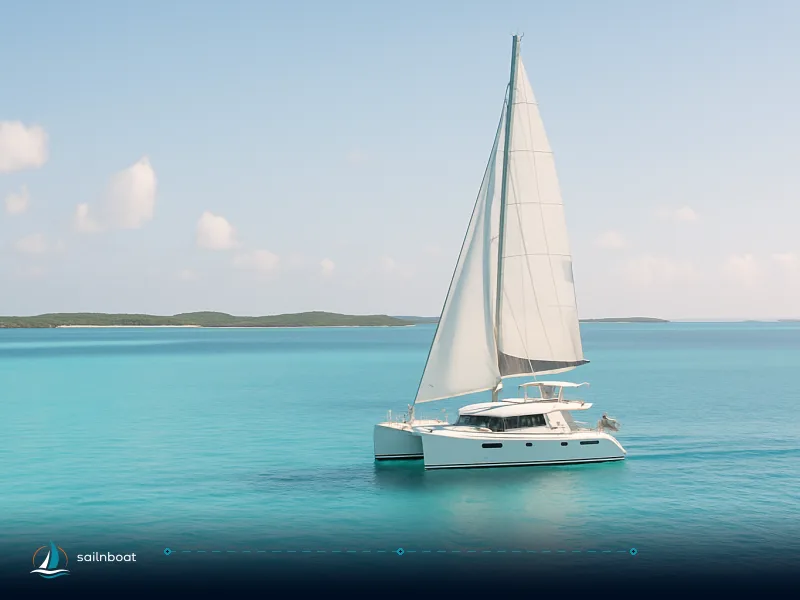
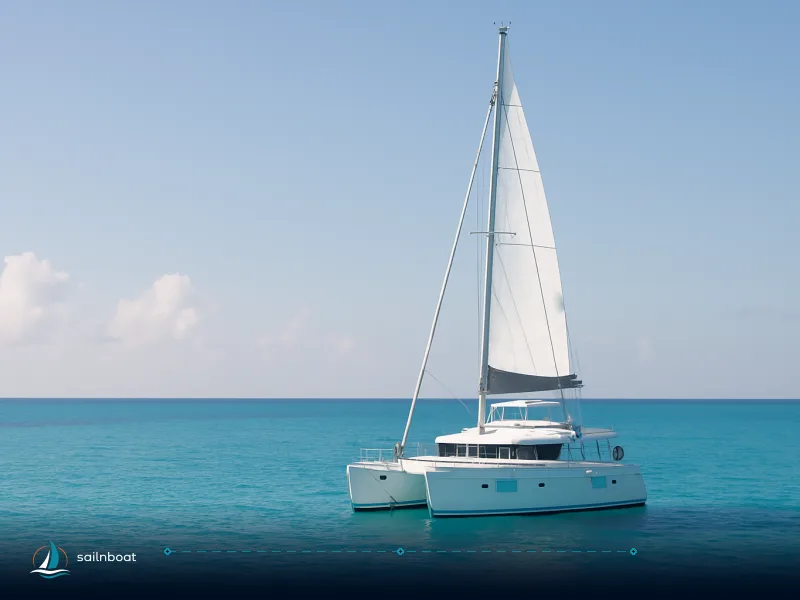
- Use a tender for the actual beach run rather than manoeuvring your yacht close to the sand: this reduces wake, engine noise and the risk of grounding or damaging shallow bank habitat. Approach the beach from the water, not the sand, and idle the engine once you are near.
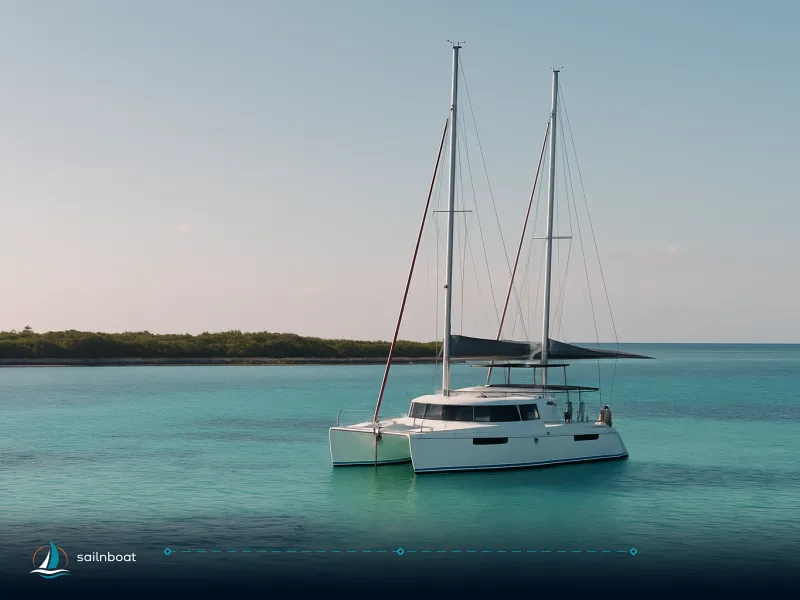
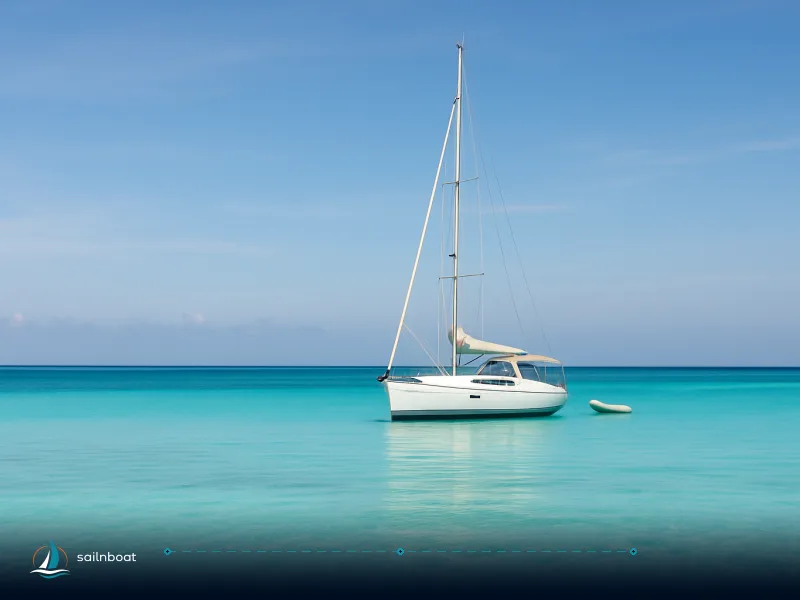
- If possible, take a mooring ball or anchor on the bank side well clear of the beach mooring field and launch your tender from there; many boats stage a short dinghy ride (often under 15 minutes) to the beach.
Where to tie the yacht (mooring vs anchoring)
- The Exuma mooring fields and private slips near Staniel Cay are the usual options; moorings protect the seabed and are commonly preferred. If you anchor, pick a site outside mooring fields and areas of coral or sea grass, with good holding and adequate swing room. Park moorings are managed by the Bahamas National Trust in park waters.
Tender handling and crew brief
- Brief the person driving the tender to keep a steady, slow approach, watch swimmers, and avoid speeding over shallow banks. Never beach the tender in a way that traps or blocks the pigs’ escape route; allow them an exit path to the water.
Tactical sequence for a low‑impact visit
- Secure a mooring or anchor well off the beach (or use Staniel Cay marina if you need services).
- Launch the tender, station an experienced person at the helm and the other crew at the bow to manage lines and safety.
- Approach slowly on the water, stop short of the sand and wait — let pigs come to you rather than running the tender onto the beach.
- Keep a clear path for the pigs to leave the beach; do not attempt to pen or herd them into a small area.
Interacting with the Swimming Pigs
Feeding guidelines
- Feed only fresh, low‑salt fruits and vegetables: carrots, apple slices, watermelon and similar whole foods are commonly recommended by guides. Avoid bread, chips, processed snacks, salted or sugary food — these can cause digestive problems and change natural foraging behaviour.
- Bring food already cut or prepared for safe hand feeding; use an open flat palm and keep fingers clear — pigs can be fast and may nip unintentionally.
Behavioral considerations and animal welfare
- Maintain distance: let the pigs choose to approach you. Do not chase, corner, grab, or try to carry piglets. If a pig looks stressed, back away and let it leave. Observing their body language (rapid vocalising, aggressive charging, tightly clustered groups) is the best early indicator to stop interactions.
- Limit the length of your interaction. Frequent, repeated feeding from many boats can alter behaviour and increase reliance on visitors; a short, calm visit is better for the animals.
Health & safety for your crew
- Keep small children supervised in shallow water and out of the direct feeding line. Wear water shoes on the sand and approach from waist‑deep water rather than standing directly in the surf while feeding.
What to avoid
- No bread, no processed food, no feeding from inside the boat hull while engines are running, and no attempts to herd or restrain animals for photos. Avoid sudden movements and loud noises that can spook the animals.
Local Regulations and Fees for Visiting
Mooring fees, VAT and park charges (what to budget)
- Mooring fees in the Exumas typically put many vessels into the USD $30–$50/night band after VAT; fees vary with vessel length and specific mooring location. For example, park mooring fees often list a base per‑vessel rate (e.g., ~US$27.27 for smaller craft) and VAT (10%) is commonly added at checkout — putting smaller boats at around $30/night and mid‑size yachts around $50/night in practice. The Exuma Cays Land & Sea Park additionally charges a per‑person park fee (commonly shown as about $14 per guest, per day). These figures are typical examples; rates scale with length and can change.
Mooring fee quick‑compare (typical examples)
| Vessel length (approx) | Typical base mooring (USD/night) | Typical with 10% VAT (approx) |
|---|---|---|
| up to ~39' | $27.27 | ~$30.00 |
| 40'–49' | $33–40 (varies) | ~$36–44 |
| 50'–59' | $45.45 | ~$50.00 |
| Notes: fees scale by length; private island or full‑service slips may be higher and some marinas add electricity/water charges. These are representative figures to budget by — expect variability. |
No‑take rules and enforcement
- The Exuma Cays Land & Sea Park is a designated no‑take marine reserve: fishing, conching, shelling or removing marine life inside park boundaries is prohibited. The Bahamas National Trust manages park moorings and collects per‑person fees. Enforcement action for serious violations (illegal fishing, poaching) has included heavy fines and confiscation in past high‑profile cases, so treat the no‑take rule as actively enforced.
Operational tips on paying and permits
- Park mooring and per‑person fees are typically paid through the Bahamas National Trust ParkPay system or at park offices; pre‑paying does not guarantee a specific mooring — moorings are first‑come, first‑served. Check your charter company’s itinerary and ask whether park fees are already included in the charter package or APA.
Consequences of non‑compliance
- Consequences range from being asked to leave the site and paying unpaid fees to more serious fines or legal action for poaching or repeated/provoked infractions. Treat the park rules as binding and plan to pay the appropriate fees for each guest.
Alternative Attractions Near Pig Beach
If you want a fuller day in the Staniel Cay area (and to avoid crowding the pigs), add these nearby stops:
- Thunderball Grotto — the famous cave used in the James Bond films; snorkelling access requires careful timing around slack water because currents can be strong near the entrance. It sits between Staniel Cay and Big Major and is a short boat ride.
- Staniel Cay village and the Staniel Cay Yacht Club — services, fuel, a small marina and casual restaurants; a good staging point for provisioning or refuelling.
- Compass Cay (nurse sharks) — a short hop away for a managed interaction with nurse sharks in shallow water; it’s a distinct experience and spreads visitor pressure across sites.
Sample half‑day plan (keeps pressure low on Pig Beach)
- Morning: anchor or pick up a mooring near Staniel Cay; launch the tender.
- Early morning: 30–45 minute morning visit to Pig Beach while tour traffic is minimal.
- Late morning: snorkel Thunderball Grotto (timed for slack water).
- Afternoon: return to Staniel Cay for fuel, a beach walk or a meal ashore — avoid a repeat visit to Pig Beach during peak hours.
Practical checklist for your charter to Pig Beach
Before you leave the base
- Confirm whether mooring/park fees are included in your charter or will be charged on the spot; add a per‑person park fee and VAT into your budget.
- Stock appropriate feed: pre‑cut carrots, apple slices, watermelon portions — nothing processed or salted.
At the yacht and on the tender
- Brief crew on low‑impact behaviour: slow tender approaches, no chasing, single‑file disembarkation, and hand‑feeding technique.
- Have a crew member act as a lookout for swimmers, other tenders and changing conditions; maintain radio contact with the yacht.
If something goes wrong
- If you see signs of pig distress or an incident (injury, aggressive behaviour), stop interactions immediately and head back to the yacht; report serious animal welfare concerns to local authorities or the Bahamas National Trust when possible.
Final trade‑offs and the right choice for your charter
Visiting Pig Beach is simple to do but easy to mismanage. The trade‑off is direct: a quick, crowded photo‑stop gives you an iconic moment but increases stress and dependence for the animals; a timed, quiet visit plus alternative stops spreads visitor pressure and preserves the experience for future charters. Choose the low‑impact options — early/late timing, tender approach, appropriate food and a short interaction — and you will protect both the pigs and your charter’s reputation.
Plan your charter to Pig Beach responsibly and enjoy your visit.
Frequently Asked Questions
Mooring rates in the Exumas typically place most private and charter yachts in the USD $30–$50/night range after 10% VAT; the Exuma Cays Land & Sea Park also charges about $14 per person, per day, and fees scale with vessel length.
Anchor or take a mooring outside the immediate beach zone, launch the tender, approach quietly at idle from the water (not the sand), and let pigs come to you rather than rushing them.
Early morning or late afternoon on weekdays is usually quieter; weekends and midday are busiest with tour operators and day‑boats.
Pig Beach is inside the Exuma area where the Bahamas National Trust manages the Exuma Cays Land & Sea Park — the park operates a per‑vessel/mooring charge scaled by length, a per‑person park fee, and enforces no‑take rules (no fishing, collecting).
Feed only appropriate fresh foods (carrots, apples, watermelon), keep a safe distance, do not chase or corner pigs, and follow park and local guidance — aggressive or prohibited behaviour risks fines or enforcement action.
Yes — Thunderball Grotto, Staniel Cay village and beaches, and the nurse sharks at Compass Cay are all close by and make for a fuller, less disruptive day plan.
Written by
Sailnboat Editorial
The Sailnboat editorial desk covers yacht and boat chartering worldwide — routes, bases, seasons, boat types, paperwork and the practical costs that decide a trip. We are a charter marketplace, not a boat owner or a local agency: what we sell is judgement and support, so our guides are written to help you make a decision, not to sell you a specific boat. Every guide is checked against live operator and marina data before it goes out.
Fact-checked against live operator and marina data, and published under our editorial standards. Last reviewed: .