Crew Caused Damage on a Charter: Liability and Documentation Guide
If crew caused damage during your charter, liability depends on who employed or controlled the crew and the charter contract; document everything, notify the broker, and use waivers or insurance to limit exposure.

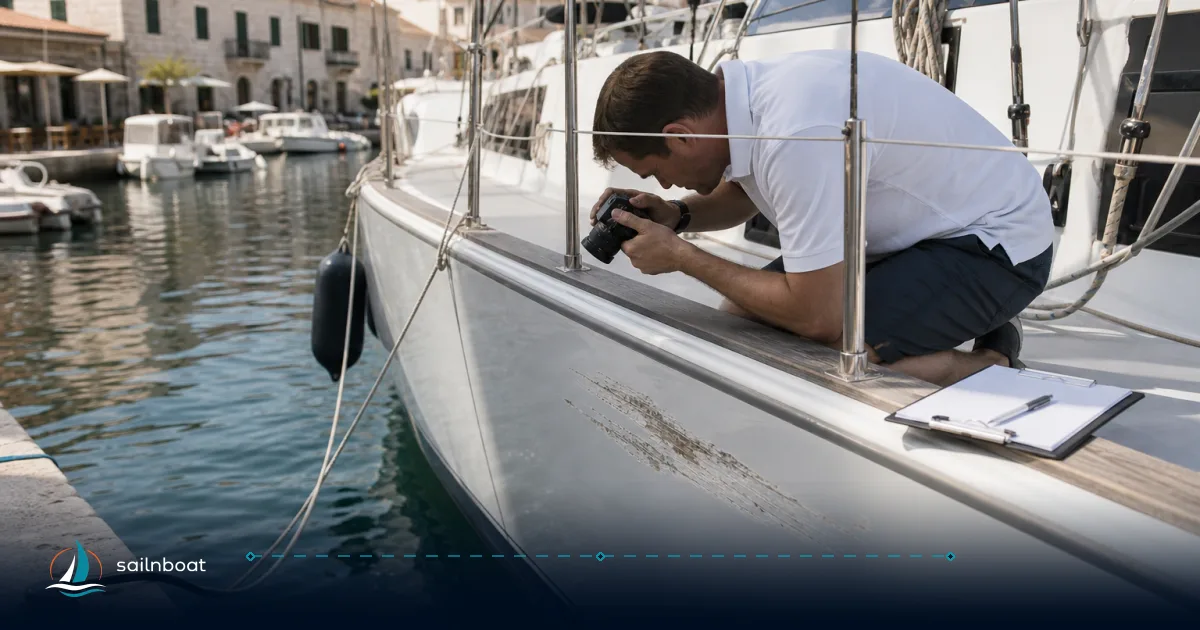
Crew caused damage matters because it triggers the single largest out‑of‑pocket exposure on a charter: the security deposit and, in some cases, extra liability beyond it. Read the charter party straight away — who employs the crew, what the security deposit covers, and the contract’s dispute process determine who ultimately pays.
Understanding Crew-Caused Damage
What Constitutes Crew-Caused Damage?
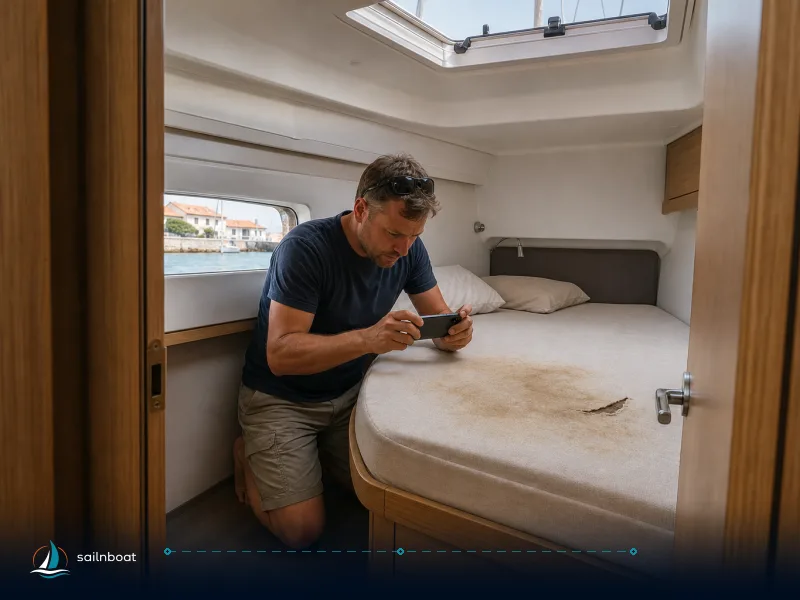
Crew-caused damage is physical loss or harm to the yacht, its systems or third‑party property that results from a crew member’s act or omission. Typical examples:
- A crewed yacht’s crew misjudges a manoeuvre and dents a pulpits or touches a piling.
- A crewed tender is run into the hull or swim platform.
- Incorrect stowage or fouled mooring lines damage deck fittings.
- An engine is over-revved or misused during handling, causing internal damage.
Why the label matters: whether an event is legally or contractually “crew-caused” is not just descriptive — it interacts with employment (who pays wages), insurance coverage and the charter-party wording. For instance, faults arising during a charter where the charterer has assumed possession (a demise/bareboat arrangement) are treated differently to losses where the owner’s crew remains in control. In commercial charter law, a demise charter normally transfers operational control to the charterer, shifting responsibility for crew acts; in recreational charters the contract language and local practice control the outcome.
Liability Allocation in Charter Agreements
Standard Charter-Party Clauses
Two contract lines you must read first:
- Security deposit clause — who holds it, what it covers, and how it may be applied. Standard MYBA-style forms say the Security Deposit is held by the Stakeholder and “may be used in, or towards, discharging any damage or liability that the CHARTERER may incur under any of the provisions of this Agreement.” That makes clear the deposit is the first port of call.
- Dispute-resolution/arbitration clause — many MYBA-based agreements require arbitration (often in London) for contractual disputes; they also provide for monies to be held in escrow/stakeholder pending resolution. If your charter uses a MYBA-like form, arbitration is the agreed dispute mechanism and can be faster but less flexible than courts.
How allocation plays out in practice
- Bareboat/demise charter: the charterer typically assumes responsibility for operation, maintenance and crew decisions — losses from crew operation generally sit with the charterer. (This is the legal rule in traditional charter law.)
- Crewed charter where the owner supplies crew: owners commonly remain employer of the crew; owner insurance typically covers crew error and third‑party liability. However, the charter party frequently requires the charterer to indemnify the owner for damage caused by guests or persons authorised by the charterer, and the Security Deposit can be used for loss or damage. Put simply: employment status of the crew and the exact contractual indemnities decide who pays.
- Grey cases: if the captain follows direct instructions from the charterer that cause damage, or if a guest is operating equipment (steering, tender), liability often becomes shared or shifts depending on the contract wording and the facts.
If there is a high‑value claim, the insurer’s reaction and the charter contract’s indemnity language both matter. That’s why early evidence and clear record of who was in control at the time are decisive.
Essential Documentation for Damage Incidents
Key Documents to Prepare
When damage occurs, collect—and keep copies of—the following immediately:
- Short, signed incident report written by the master or senior crew: date, time, location (marina/anchorage), weather and a plain factual description of what happened.
- High‑resolution photos and video from multiple angles, with visible timestamps or upload to a cloud folder (do not overwrite originals).
- Logbook entry (engine hours, helm changeover, sail set/unset, GPS track) and any VHF records or CCTV if fitted.
- Witness statements from crew and guests (short, dated, signed).
- A signed check‑out / check‑in inventory (pre‑charter handover photos signed by both parties are critical).
- Initial repair estimate or temporary repair invoice from a recognised yard; retain all receipts for temporary measures (e.g., patching).
- Communication trail: saved emails/texts notifying the broker, owner or stakeholder and their responses.
Record‑keeping rules of thumb
- Time is the enemy: preserve original photos/videos unedited and keep originals until the claim is closed.
- Keep copies with the broker and request written acknowledgement of receipt — that prevents "he said / she said" later.
- Do not authorise major repairs without owner/broker approval unless the yacht is unsafe; take temporary emergency action first and document the need.
These steps give you the documentary leverage required to argue a proportionate settlement rather than an inflated repair charge.
Protecting Your Security Deposit
How Deposits, Waivers and Insurance Work
Security deposits are routine on bareboat and crewed charters; the amount depends on yacht size, operator and destination. Typical ranges commonly quoted for pleasure charters are roughly:
- Small/entry monohulls: low thousands (USD/EUR 1,500–3,500).
- Mid-size cruisers/catamarans: several thousand (USD/EUR 3,500–8,000).
- Larger or luxury yachts: higher sums and bespoke arrangements.
Many operators offer a deposit waiver (sometimes called a damage waiver or CDW) for a modest additional fee, which reduces or eliminates the refundable security deposit requirement for accidental, non‑wilful damage; prices vary by operator and vessel type. The Moorings and other major operators publish weekly waiver costs for different hull types as an option to reduce the deposit or the excess retained at the end of the charter.
Operational points to protect the deposit
- Negotiate or buy the waiver at booking if you want to reduce the card hold.
- Ensure the pre‑charter condition report/inventory is signed by both parties; a neutral, time‑stamped report is the single best protection against unfair claims.
- Pay the deposit by card where possible — credit‑card pre‑authorisations are transparent and quicker to release than bank transfers.
- If possible, ask the broker to require the owner to use stakeholder/escrow practices defined in the charter party for contested sums.
Compare by numbers (typical values)
| Item | Typical range / example |
|---|---|
| Security deposit (small/medium yachts) | about USD/EUR 1,500–8,000 depending on size/operator. |
| Deposit waiver cost | Varies; some operators list USD/EUR ~80–170 per week by yacht type. |
| APA (Advance Provisioning Allowance) | Usually 20–35% of charter fee for plus‑expenses charters (context: not a damage deposit). |
(Numbers above are typical ranges — operators and destinations vary. Always check the contract figures.)
Resolving Damage Claims Efficiently
Steps to Resolve Claims
- Immediate notification: inform the owner/manager, broker and the stakeholder in writing within the time required by the charter party. Include the short incident report and photos.
- Stabilise and document: perform temporary safety repairs where needed and keep invoices; do not dispose of damaged parts unless agreed.
- Obtain estimates: get at least one independent, itemised repair quote from a recognised yard or surveyor if damage is significant.
- Use the stakeholder: if the charter party names a Stakeholder/escrow, request that the deposit remain in that account while the parties obtain quotes and negotiate; many MYBA-style agreements provide for this mechanism.
- Negotiate with the broker: most claims are resolved by agreeing on a fair repair bill and a written settlement; avoid accepting inflated quotes under pressure.
- If negotiation stalls, consider mediation/arbitration per the contract: many MYBA forms require arbitration (commonly London) rather than litigation; arbitration can be faster but binds you to the panel’s process. Use arbitration only after you have preserved evidence and prepared a concise file.
Timeline and practical tips
- File your incident report and supporting evidence within 24–72 hours; delays weaken your position.
- For higher‑value disputes, hire an independent marine surveyor quickly — their early neutral opinion is powerful.
- Keep repair costs proportionate: insist on itemised bills and decline repeatedly vague, lump‑sum invoices.
What to do if the crew (owner’s employee) made the mistake
If the person at fault is an owner’s crew member, the outcome often depends on the charter and insurance:
- Insurers and owners commonly accept liability for crew negligence arising from normal duties; however, if the captain acted as agent for the charterer or followed the charterer’s instructions that led to damage, the charterer may be asked to contribute or indemnify the owner. The factual record (who gave orders; who was steering; who signed documents) is decisive. Be factual, get witnesses, and involve the broker early.
Final practical checklist (what you and your broker should do)
- Preserve all original photos/video and logbook entries.
- Create a one‑page incident summary with times, location and personnel.
- Request the deposit be held in stakeholder/escrow while estimates are obtained.
- Get at least one independent repair estimate for claims above a modest threshold.
- Consider a damage waiver purchase at booking for future charters if you want predictable exposure.
- If the charter uses a MYBA-style agreement, expect arbitration language and plan document-based negotiation rather than public litigation.
Contact your charter broker for specific advice on liability wording in your charter agreement and to request (where possible) the stakeholder/escrow route — early broker involvement usually stops small incidents turning into large disputes.
(Need a tailored read of your contract? Send your broker the clause references for “Security Deposit”, “Indemnities” and “Dispute Resolution” and ask them to summarise who is liable for crew acts and how funds are to be handled.)
Frequently Asked Questions
Crew-caused damage is physical harm to the vessel or equipment that results from the act or omission of a crew member (for example, a crew-rigging mistake, negligent docking, or a tender strike). Whether the incident counts as ‘crew-caused’ for liability depends on who employed or directed the crew and what the charter agreement says about responsibility and indemnities.
Allocation depends on charter type and the contract wording: in a bareboat/demise charter the charterer normally assumes responsibility; in a standard crewed charter the owner usually remains employer of the crew, but charter-parties often include indemnities and security deposit provisions that affect who ultimately pays.
Prepare an incident report, time-stamped photos and video, the vessel logbook entry, written witness statements, radio/GPS tracks if relevant, and any invoices or quotes for repair; circulate copies to the broker and stakeholder promptly.
Buy a deposit/damage waiver if available, ensure the pre-charter inventory is signed by both parties, pay by card so holds are transparent, keep detailed evidence of the incident, and engage the broker immediately to de-escalate and document agreement on temporary repairs.
Notify the broker and stakeholder immediately, gather evidence, obtain written repair quotes, ask for funds to be held in stakeholder/escrow per the charter party, negotiate a settlement or use the contract’s dispute resolution — many MYBA-style agreements require arbitration in London.
Written by
Sailnboat Editorial
The Sailnboat editorial desk covers yacht and boat chartering worldwide — routes, bases, seasons, boat types, paperwork and the practical costs that decide a trip. We are a charter marketplace, not a boat owner or a local agency: what we sell is judgement and support, so our guides are written to help you make a decision, not to sell you a specific boat. Every guide is checked against live operator and marina data before it goes out.
Fact-checked against live operator and marina data, and published under our editorial standards. Last reviewed: .