Yacht Charter Tips for Large Families and Multi-Generational Groups
Practical yacht charter tips to help large families and multi‑generational groups select cabins, brief crew, balance activities and negotiate terms for a safe, comfortable week aboard.

For a successful family charter, prioritise accessibility (main‑deck or same‑level cabins), motion comfort (stabilisers or a steadier hull) and a crew fully briefed on ages, mobility and medical needs — these are the high‑value yacht charter tips that determine whether the trip runs smoothly or becomes a management headache. Read on for the cabin setups, crew briefing checklist, activity planning, medical fixes and the contract points you must negotiate before you pay.
Optimizing Cabin Layouts for Comfort
Start with cabin position, then layer relationships, privacy and bathrooms.
Cabin Configurations
- Main‑deck / saloon‑level cabins: these put guests on the same level as the main living area, minimise stair climbs and are the simplest choice for guests with limited mobility or balance concerns. Many charter brokers flag these as the accessible option to request.
- Lower‑deck (hull) cabins: tend to feel steadier in motion and are quieter at night; good for light sleepers or younger children. They require more steps to reach, so they’re a trade‑off between comfort in motion and physical access.
- Upper‑deck or owner’s suites: largest, with best light and views—ideal for parents or grandparents who want space, provided stairs and elevator access are acceptable.
Table — quick comparison
| Cabin type | Best for | Main trade‑off |
|---|---|---|
| Main‑deck / saloon level | Less mobile guests, easy access to social areas | Fewer cabins in this band on some yachts |
| Lower‑deck (hull) | Quiet sleepers, reduced motion sensation | Requires stairs, less daylight |
| Upper‑deck / owner suite | Couples wanting space & views | More stairs, sometimes further from crew/services |
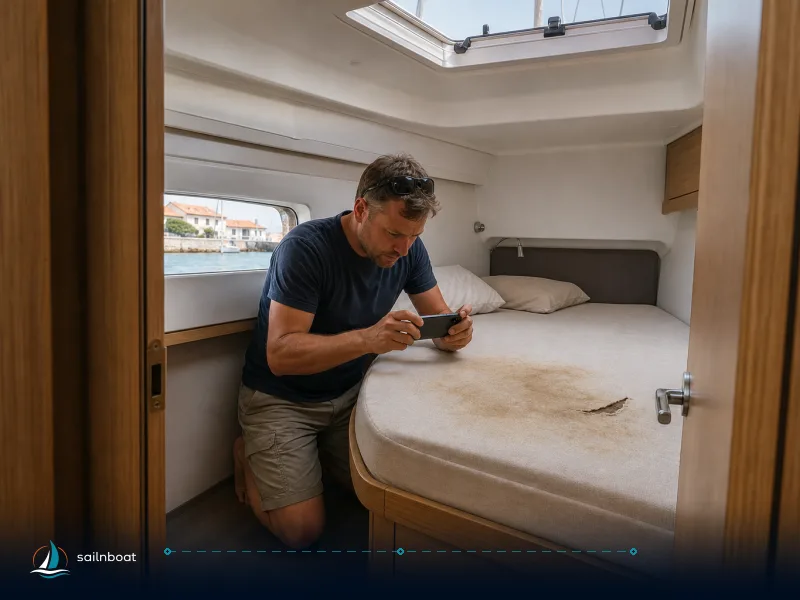
Always ask for the yacht’s deckplan and photos of the cabin door thresholds and corridor widths before you commit.
Family Dynamics
- Allocate cabins by relationship and sleep patterns: grandparents close to the saloon or boarding ladder; children grouped together but not alone unless supervised; couples where privacy matters farther aft or on an upper deck.
- Bathroom count matters more than total cabins: aim for at least one bathroom per two cabins to avoid morning queues; if a yacht lists 5 cabins and 6 guests this looks fine, but 10 guests in five cabins equals tighter logistics — ask about ensuite vs shared heads.
Trade‑off: choosing the yacht with the ideal layout may push you up a size or a category (more cabins, larger swim platform), increasing the charter fee and APA — weigh access and comfort against total budget.
Effective Crew Coordination Strategies
A well‑briefed crew is the single biggest multiplier on guest satisfaction.
Crew Briefing
- Send a completed guest preference sheet at booking: full names, ages (especially if under 18), dietary restrictions, medications that could affect activity, mobility limitations, and emergency contacts. Crews and captains use these to plan provisions, life‑jacket sizes and the toy list.
- Hold a pre‑charter video call (captain + chief steward/chef + party rep) to cover arrival timing, celebratory meals, childcare needs and any medical concerns. This call prevents last‑minute provisioning scrambles and clarifies expectations.
- On arrival, insist on a formal safety and routine briefing where crew outline where lifejackets, first‑aid kit and EPIRB are kept and what to do in an emergency. This is standard and also a legal safety step in many jurisdictions.
Crew Experience
- Ask your broker whether the crew have experience with multi‑generational groups — it’s a practical skill (pacing, child supervision, patient assistance) not found on every CV. Many brokers provide crew profiles; you can request references or recent charter testimonials, but availability varies by broker.
- Confirm who on board is trained in first aid/CPR and whether the captain carries a medical kit sized to the group (many crew prepare an expanded kit for families with children or older guests).
Tip: Agree in writing who will handle children’s supervision, shore transfers assistance and extra cleaning for mobility aids.
Balancing Activities for All Generations
A good week mixes togetherness with the freedom to opt out.
Flexible Itineraries
- Plan short passages (commonly 30–90 minutes between anchorages in family‑friendly regions) so transfers from boat to shore are easy and seasickness risk is lower. For many multi‑gen trips, short hops and dense anchorages are preferable to long transits.
- Build in anchor‑days (no travel) roughly every 2–3 days — these allow grandparents to rest, let children run free on the swim platform and give the crew time to reset provisioning and toys.
Engaging Activities
- Create a daily activity menu: morning swim/snorkel for the active set, late‑morning shore walk for those who prefer gentle exercise, and a calm afternoon with board games and reading for quieter guests. Include at least one all‑age shared event (family barbecue ashore, treasure hunt, family photo session).
- Toy selection: request a stepped or hydraulic swim platform and tender with seating and rails for safe shore landings; bring or request properly fitted lifejackets for all ages. Stepped platforms or hydraulic stairs greatly ease water access compared with a ladder.
Trade‑off: water toys and extra excursions add to APA — prioritise a “must‑have” toy list and a sensible “nice‑to‑have” list to control spend.
Addressing Medical and Mobility Considerations
Plan before you board — it’s easier and cheaper than retrofitting.
Mobility Solutions
- Choose a yacht with stabilisers if motion comfort is important; modern active fin stabilisers significantly reduce roll underway and can materially improve sleep and meal comfort for older guests. If stabilisers are crucial, put it in your search criteria.
- Check boarding details: a wide swim platform with hydraulic stairs or a low transom makes re‑boarding easier for less mobile guests. Ask the broker to confirm step heights, handrail locations and whether crew can rig temporary assistance (folding step or portable ramp).
Medical Preparedness
- Carry a family medical list and copies of prescriptions; ensure the captain has permission to administer or seek treatment if needed. Provide details of any conditions that might require evacuation or hospital transfer. Crews usually ask for this on a preference sheet.
- Identify nearest medical facilities for each planned stop and add those addresses/phone numbers to the yacht’s briefing folder. For regions with limited services, consider travel insurance with medical evacuation cover.
Negotiating Charter Terms for Safety and Enjoyment
The contract sets expectations — negotiate the points that matter to families.
Safety Regulations
- Confirm the yacht’s certificate and passenger limit: national rules differ (some countries and flags cap commercial passenger numbers at 12 without additional certification), so ask the broker to provide the yacht’s commercial charter certificates and confirm permitted passenger numbers for your itinerary. Regulations and port authority acceptance vary by flag and port.
- Ask in writing about safety equipment (lifejackets including child sizes, EPIRB, medical kit content) and whether the crew perform a passenger safety briefing at embarkation. These are standard in many charter terms.
Charter Flexibility
- APA (Advance Provisioning Allowance): confirm the stated APA percentage on your quote — industry practice commonly ranges roughly 20–40% depending on vessel type and itinerary (sailing yachts often at the lower end; motor yachts higher). Ask the broker for an APA example showing typical line‑items and the refund process after the charter.
- Itinerary changes & captain authority: contract language commonly gives the captain the right to alter the itinerary for safety; negotiate what changes entitle you to a refund or alternative arrangements. Ask for a named contact who will approve reasonable itinerary adjustments not made for safety.
- Cancellation and substitution: for large family trips, get clear terms about substitutions if the booked yacht becomes unavailable; brokers sometimes offer an equivalent yacht or a refund/credit — insist this be written.
Finally, confirm gratuity expectations (typical ranges vary by region) and any child‑care or extra‑crew fees up front so there are no surprises at disembarkation. Ask the captain to provide an APA receipts pack at handover so you can reconcile spend before you leave.
Plan your multi‑generational yacht charter the way you’d plan a family reunion: get access right, brief the people who make it run (the crew), plan with a generous amount of downtime, and lock the contract details that protect mobility, safety and budget. When those boxes are closed you’ll be able to concentrate on the shared moments that make the trip worthwhile.
Plan your multi‑generational yacht charter today
Frequently Asked Questions
Choose yachts offering main‑deck or same‑level saloon cabins for less mobile guests, reserve lower‑deck cabins for privacy or steadier motion, and ensure enough bathrooms so mornings don’t bottleneck.
Send a completed guest preference sheet before arrival (ages, allergies, meds, activity levels), hold a pre‑charter call and confirm the captain will allocate crew duties for childcare, mobility assistance and provisioning.
Plan short sea passages, alternate active excursions (snorkelling, watersports) with anchor‑day downtime, and set a daily activity window so grandparents and children can join or opt out easily.
Select yachts with stabilisers and hydraulic swim stairs where possible, request hand‑rails and non‑slip treads, bring a medicines kit and share emergency hospital locations for each stop with the captain.
Agree clear terms for itinerary changes, APA percentage and accounting, crew gratuity expectations, cancellation/refund rules and confirmation the yacht meets local passenger and safety regulations.
Written by
Sailnboat Editorial
The Sailnboat editorial desk covers yacht and boat chartering worldwide — routes, bases, seasons, boat types, paperwork and the practical costs that decide a trip. We are a charter marketplace, not a boat owner or a local agency: what we sell is judgement and support, so our guides are written to help you make a decision, not to sell you a specific boat. Every guide is checked against live operator and marina data before it goes out.
Fact-checked against live operator and marina data, and published under our editorial standards. Last reviewed: .