How to Contest an Anchoring Fine: A Skipper's Guide
A practical, step‑by‑step playbook for skippers who want to contest an anchoring citation — what to gather, who to contact, and when paying fast is the smarter choice.

You can usually contest an anchoring fine by filing a written appeal or administrative review with the harbormaster or municipal citation office within a narrow window — commonly about 21–30 days — and by submitting time‑stamped GPS/AIS tracks, photos and tide data to show compliance. Start immediately: the ticket’s deadline and any on‑the‑spot movement orders drive every next step.
Understanding Local Anchoring Regulations
Quick decision: the single most important step is to identify which rule you’ve been cited under — municipal code, harbormaster regulation, or a state boating law — because each has a different appeals path and remedy.
What to look for
- The citation text: it should name the ordinance/section and list how to contest (mailing address, online portal, days to contest).
- Local harbormaster rules and maps: these show designated anchorages, time limits (some allow 24–72 hours in defined areas), and restricted zones (seagrass, swim zones, channel limits). For example, some municipal codes set explicit short anchoring windows and specify an order to move within 72 hours if posted.
- Appeals route: many harbor ordinances or municipal codes outline a process that may involve a written appeal to the harbormaster first, with further appeal options to a board of selectmen or municipal appeals board, often within a set timeframe. The exact process and deadlines vary by locality.
How this affects your dispute
- If the harbormaster has statutory authority to order immediate removal or impound, contesting may not pause that action — you must move right away to avoid towing costs.
- If the citation is for exceeding a time limit in a public anchorage (e.g., “over 48/72 hours”), your evidence should focus on continuous track records and proof-of-transit (see evidence section).
Gathering Evidence to Support Your Case
Get organised fast. Evidence is your case; how it’s recorded and presented often determines the outcome.
Types of evidence that matter (ordered by typical usefulness)
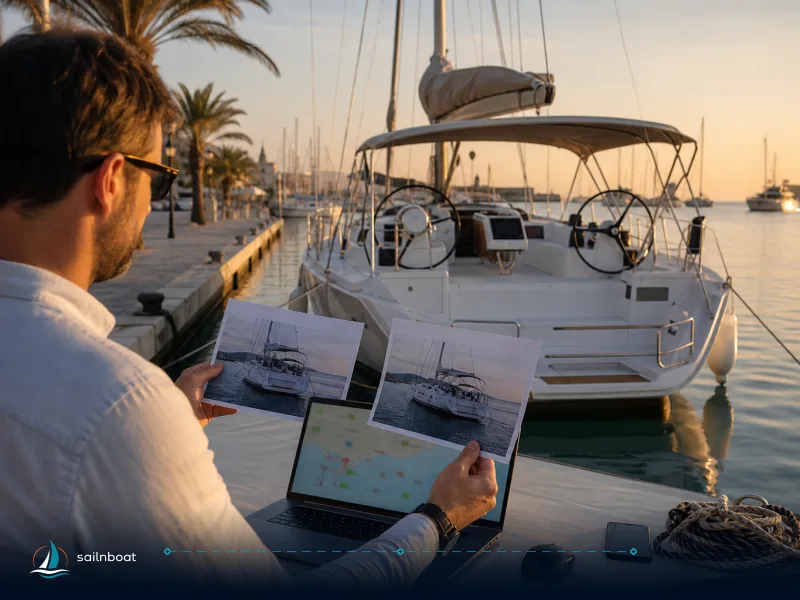
- GPS tracks and logs (GPX/NMEA): export the raw track from your chartplotter, phone navigation app or rental tablet. A continuous track file showing position timestamps is highly persuasive.
- AIS logs: if you have AIS on, the AIS record corroborates position and time. Request logs from your vessel or charter company.
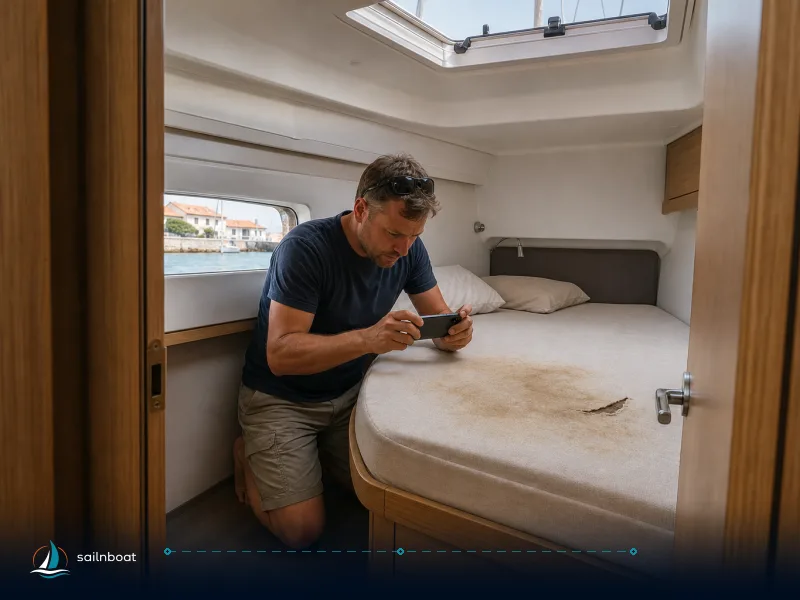
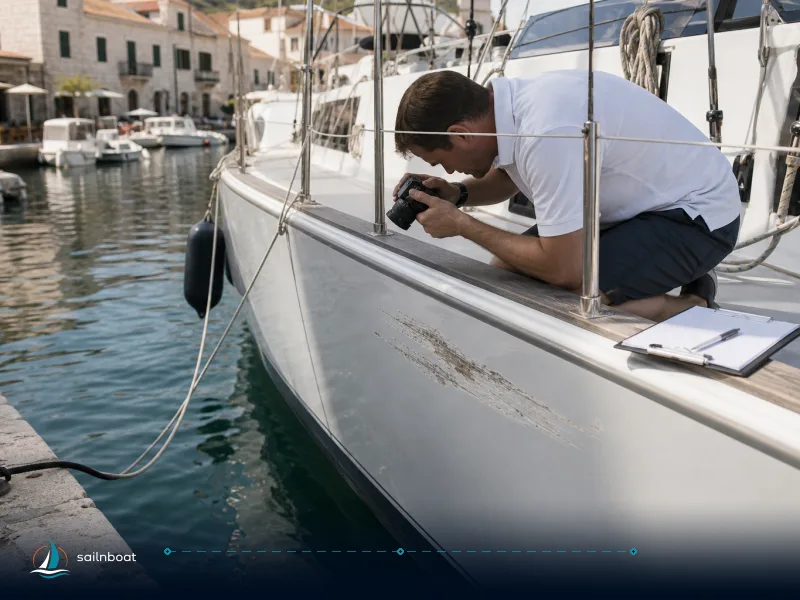
- Timestamped photos and video: shots showing shoreline references, distinctive landmarks, and the vessel’s transom with a visible timestamp (phone EXIF or app stamp). Take photos looking both ashore and seaward.
- Tide and water‑level charts: where “time aground” or bottom depth is the issue, show local tide tables and your anchor scope vs depth at the times in question.
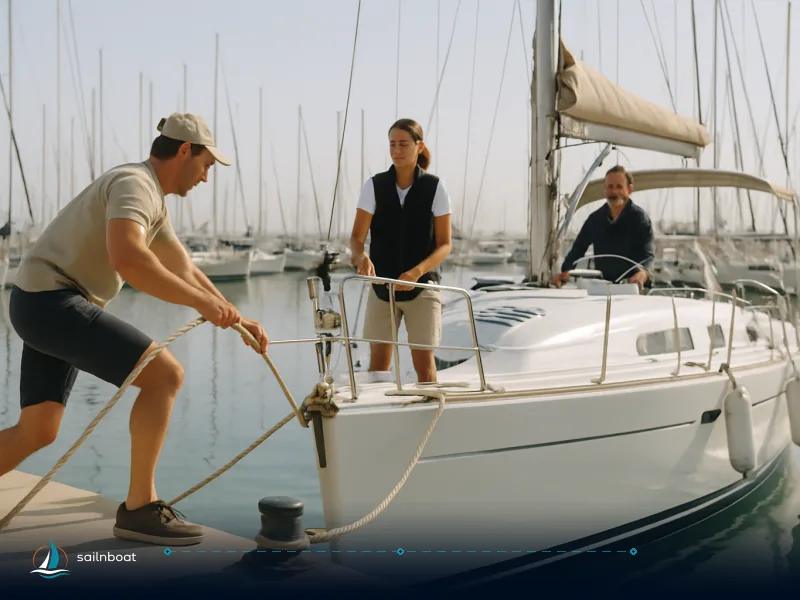
- Charter paperwork and crew statements: handover/check‑out times, logbook entries, witness statements from other skippers or charter crew with contact details.
- VHF logs or recorded calls: if you called the harbormaster or marina before anchoring, save the time and channel used.
- Instrument readings: depth sounder screenshots, wind and current notes, and anchor watch alarm logs.
Practical tips for collection
- Preserve originals: export GPX/NMEA files and keep the original camera files (don’t re-export and compress unless you keep originals too).
- Time sync: if your phone/camera and chartplotter show different times, state the device used for the official timeline and show how you reconciled them.
- Chronology: assemble documents in strict chronological order and include a single, one‑page timeline at the front (date, UTC/local time, latitude/longitude, action — anchored, moved, departed).
- Be realistic about GPS: GPS has inherent error in tight anchorages and under certain receivers; courts and harbormasters recognise this. Use multiple corroborating sources (AIS + photo + log) when possible. (GPS evidence has been treated skeptically in some cases; courts have noted receiver error.)
Organise your submission
- File naming: YYYY-MM-DD_###_type (e.g., 2026-07-12_001_GPS.gpx; 2026-07-12_002_Photo.jpg).
- Evidence index: one page listing every file, its short description, device used, and timestamp.
- Redact sensitive data: if a file contains unrelated personal details, create redacted copies but keep originals for inspection if requested.
Navigating the Dispute Process
Start where the ticket tells you to start. That is usually the harbormaster office or the municipal citation bureau.
Step-by-step workflow
- Read the ticket immediately: note the contest deadline, payment instructions, and the named ordinance/section.
- Contact the issuing office: phone to confirm receipt and the preferred evidence format (email, portal upload, certified mail). Create a written note of whom you spoke with, when and what was said.
- File an administrative review: most municipalities expect a written contest (email or form) as the first step. Include your one‑page timeline, evidence index, and labelled attachments.
- Typical windows are 21–30 days to request review; some places require contest within 14 or allow up to 60 — check the ticket. Municipal parking/citation systems commonly follow these timeframes.
- Prepare for a hearing: if the administrative review is denied you may be offered a hearing with a hearing examiner, board or municipal court. Bring originals and be ready to present the timeline, GPS files and witnesses.
- Appeal if necessary: many harbormaster decisions can be appealed to a board of selectmen or municipal appeals board within roughly 30 days of the harbormaster’s decision. The exact body and timeline differ by town.
What to expect at each stage
- Harbormaster review: fact‑finding, may accept technical evidence, and sometimes has authority to rescind or reduce citations.
- Administrative hearing: oral presentation; some offices allow remote testimony and witness affidavits.
- Municipal court: formal, with testimony under oath; consider legal counsel if the penalty, impoundment risk, or precedent matters.
Practical checklist before you file
- Confirm the ticket number and exact ordinance citation.
- Prepare the one‑page timeline and evidence index.
- Convert GPS/AIS files to standard formats (GPX, CSV) and attach originals.
- Send by the office’s preferred route; if you mail, use tracked/certified post and keep receipt.
When to Pay the Fine Promptly
Paying fast is not surrender — it is a tactical decision when cost, time and risk favour the short route.
Cost–benefit elements to compare
- Fine amount vs expected administrative and opportunity cost (time away from charter duties, court time, professional fees).
- Risk of escalation: unpaid citations sometimes trigger additional penalties, collection fees, or even impound actions. Municipal systems commonly add penalties if a ticket is not paid or contested within the initial deadline.
- Evidence strength: if your GPS/AIS/photo set is incomplete or inconsistent, the probability of a reversal falls.
- Reputation and commercial risk: for flotilla leaders or charter operators, a drawn‑out dispute can damage client relations or business claims.
Scenarios where paying is often cheapest
- Low-value fines (commonly small municipal fines) where the administrative burden of contesting exceeds the ticket.
- Time-critical charters where you cannot be distracted by a hearing or provide required evidence before the deadline.
- When the ticket carries an immediate operational order (move/tow) and avoiding tow/storage is worth payment/settlement.
Negotiation tactics when you decide to settle
- Early payment reduction: many municipalities offer a lower “waiver” or early‑pay amount; ask in writing for the lowest available settlement amount and get the offer in email. (Some harbor codes explicitly allow a waiver/settlement option.)
- Request a written clearance: obtain formal confirmation the matter is closed and the records are updated — important for charter companies and commercial operators.
Compare options at a glance
| Option | Typical cost/time | Upside | Downside |
|---|---|---|---|
| Contest (administrative → hearing) | Days–weeks; possible travel or documentation time | Chance to void fine, preserve record | Time‑consuming; uncertain outcome |
| Pay promptly (ask for waiver/reduction) | Immediate; often small discount if allowed | Fast closure; avoids escalation | Record of fine remains; little redress |
| Pay then appeal | Immediate closure + appeal started | Stops late penalties; preserves right to appeal in some systems | May forfeit right to some appeals or refunds |
Templates and Guidelines for Evidence Submission
Below are two compact templates you can adapt and send immediately. Keep your language factual and short; the evidence does the talking.
Evidence cover letter (one page)
- Date:
- Citation number:
- Vessel name / Registration:
- Issuing authority (harbormaster / citation bureau):
- Brief statement (1–2 sentences): factual summary of why you contest (e.g., “Citation alleges anchoring in restricted zone on 2026‑07‑12. Attached evidence shows continuous AIS/GPS track placing the vessel within the permitted anchorage from 03:12–11:40.”)
- Attachments: numbered list referencing your evidence index.
- Contact info: name, phone, email.
- Signature.
Evidence index (example)
- 2026-07-12_001_GPS.gpx — Full GPX track exported from chartplotter (device: B&G Zeus 4).
- 2026-07-12_002_AIS.csv — AIS position log from 03:00–12:00 UTC.
- 2026-07-12_003_PhotoA.jpg — View to shore, EXIF 2026-07-12 03:34 local.
- 2026-07-12_004_Tide.pdf — Local tide table printout for harbour (station & source noted).
- 2026-07-12_005_Witness.pdf — Signed witness statement from charter lead.
Sample short contest email (subject line: Contest of Citation #XXXXX — Vessel NAME)
- Body: “I wish to contest citation #XXXXX issued on [date]. Attached: one‑page timeline and evidence index with GPX, AIS, photos and witness statement. Please confirm receipt and the next administrative steps. I am available for a hearing dated [offer two possible dates]. — [Name, role, contact].”
Filing and format tips
- Ask whether attachments should be PDFs or native files; many offices accept PDFs plus GPX; some want everything in PDF.
- Provide originals on USB or by certified post if asked — keep copies.
- If you receive a denial, request a written decision and the appeal instructions immediately.
Final checklist before submission
- Ticket number on every page.
- One‑page timeline in front.
- Evidence index with file names.
- Originals preserved and backed up.
- Delivery proof (email read receipt or certified mail tracking).
Start contesting (or settle) with the right documents and a clear timeline. If your case matters commercially or carries risk of impoundment, plan for immediate compliance (move the boat) while you contest the fine on the paperwork.
Start gathering your evidence and prepare the one‑page timeline now — label files by date and type so you can submit a neat packet before the citation deadline.
Frequently Asked Questions
Local rules vary: check the harbormaster's office, municipal code or posted anchorage maps for permitted anchorages, time limits and special restrictions; where in doubt, ask the harbormaster in writing.
Save GPS/AIS tracks (raw files), timestamped photos from multiple angles, tide/sea‑level charts, your charter log, and witness contact details; organise them chronologically and attach a one‑page summary.
Begin with the harbormaster or municipal citation office (administrative review), then escalate to the local appeals board or municipal court if necessary — note the appeal deadlines listed on the ticket or municipal code.
Pay quickly when the fine is low, the administrative window to contest is about to close, or your evidence is thin; some municipalities also offer a reduced 'waiver' fine if paid early.
Yes — use a short cover letter, an evidence checklist, and attach labelled files (e.g. 2026-07-12_GPS.gpx). The article includes ready‑to‑use templates you can adapt.
Written by
Sailnboat Editorial
The Sailnboat editorial desk covers yacht and boat chartering worldwide — routes, bases, seasons, boat types, paperwork and the practical costs that decide a trip. We are a charter marketplace, not a boat owner or a local agency: what we sell is judgement and support, so our guides are written to help you make a decision, not to sell you a specific boat. Every guide is checked against live operator and marina data before it goes out.
Fact-checked against live operator and marina data, and published under our editorial standards. Last reviewed: .