Diving the RMS Rhone Wreck: A Week in the BVI
A practical, day-by-day bareboat plan centred on the RMS Rhone wreck off Salt Island and Cooper Island snorkels, with mooring logistics, dive details and weather notes.

Diving the Rhone: A Bareboat Week Built Around Salt Island’s Wreck and Cooper Island Snorkels
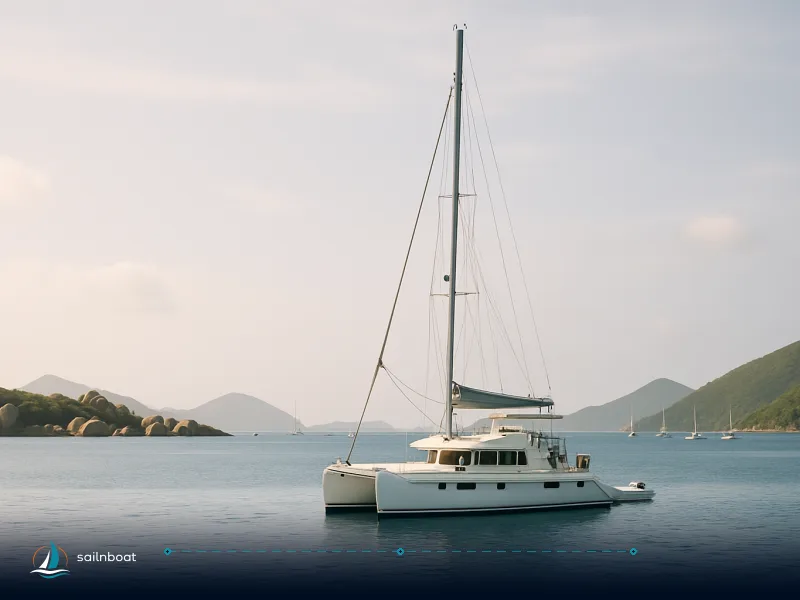
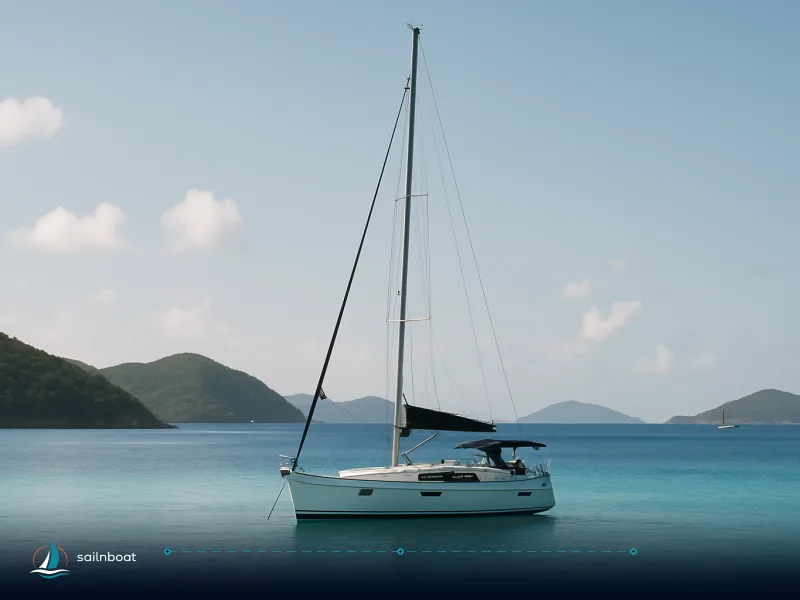
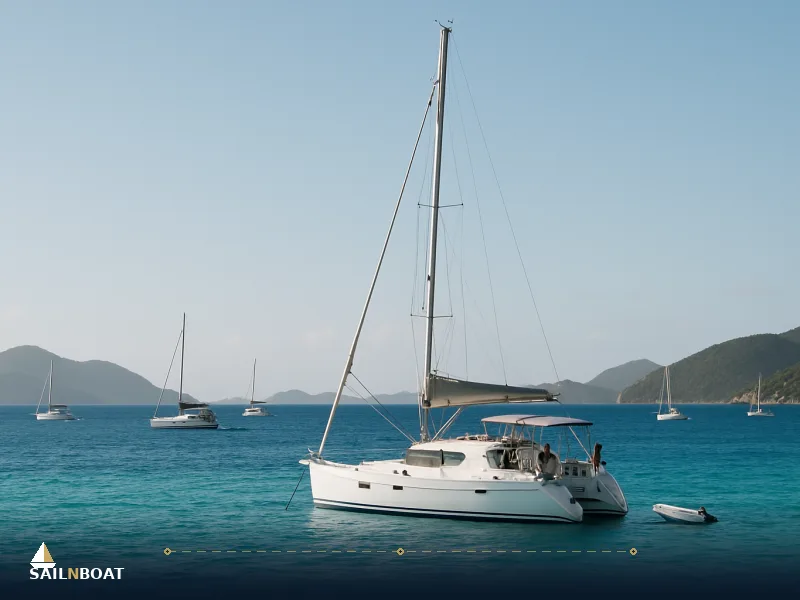
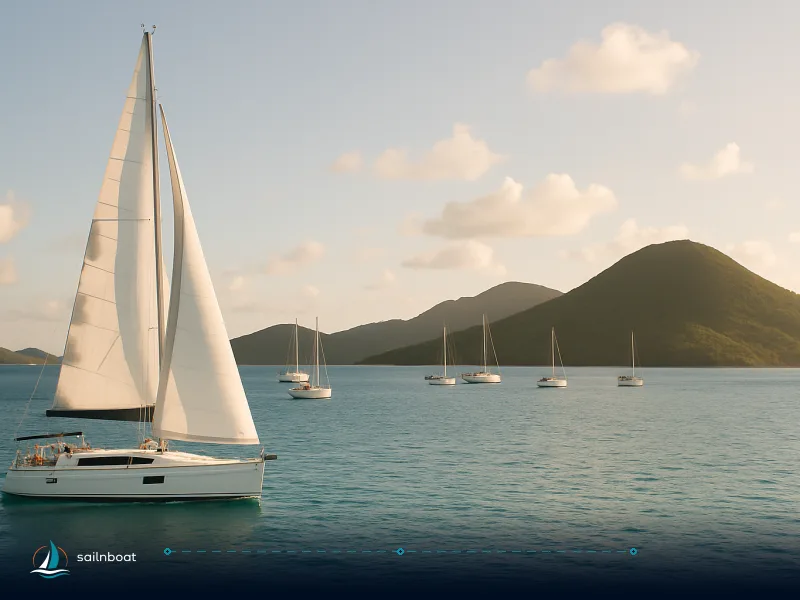
Treat a bareboat week focused on the RMS Rhone wreck as a sequence of short, deliberate dives and careful mooring logistics, not a point-to-point crossing. The Rhone sits inside a National Parks Trust marine park, with day-use moorings and no-anchoring rules. Your itinerary depends on mooring availability, early starts, and having your tender ready for safe diver pickup. A two-dive sequence covers both the shallow stern and the deeper bow; nearby Cooper Island offers accessible reefs for snorkelling and easy dinghy access.
Historical Background of the RMS Rhone Wreck
The Story of the RMS Rhone
The Royal Mail Steamship Rhone struck Black Rock off Salt Island during a hurricane on 29 October 1867. The wreck claimed many lives, with survivors reaching shore on debris. Its historical significance and accessibility led it to become the BVI’s first underwater national marine park. The National Parks Trust protects the site for both its cultural and ecological value.
The Rhone’s iron hull is still recognisable, attracting divers for decades. It appeared in the 1977 film The Deep, so expect to see other dive boats, especially mid-morning. Local groups hold annual commemorations, and the Trust actively manages visitor behaviour to balance access with preservation.
Diving Experience at the RMS Rhone
Dive Site Details
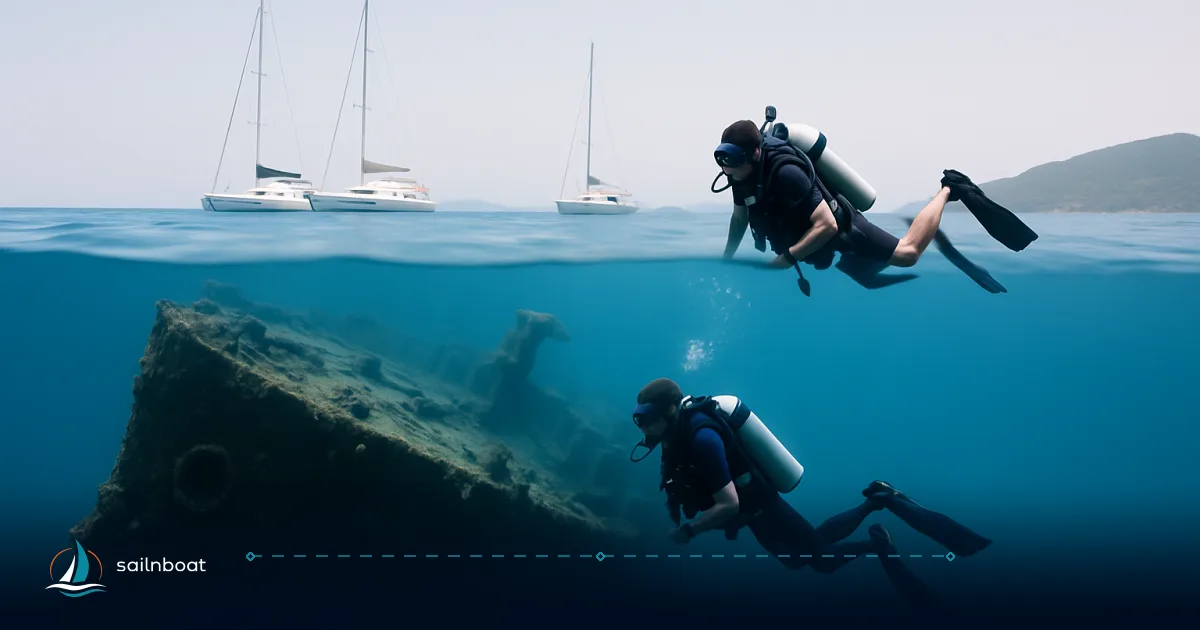
The Rhone lies in two main sections: the stern (shallow, with propeller and rudder) and the deeper bow. The wreck’s features are spread between roughly 5–24 m (15–80 ft). The stern and propeller rest in shallower water, while the bow drops deeper. Most divers plan within recreational limits, but depth varies between points of interest.
Here’s a comparison table for planning:
| Feature | Typical depth (m) | Typical depth (ft) | What to expect |
|---|---|---|---|
| Stern / propeller | 5–6 | 15–20 | Bright, shallow swim-throughs; accessible for photos. |
| Mid-section / cabins | 8–12 | 25–40 | Collapsed decks, portholes, good fish life and light. |
| Bow section | 18–24 | 60–80 | Deeper, more structure; monitor no-deco time and ascent. |
Planning notes:
- Many groups split the site into two dives: a shallow stern dive early, then a deeper bow dive after a long surface interval.
- The main visual features are the bronze propeller and rudder, a deck-mounted cannon, and the “lucky” brass porthole divers often touch. Treat these with care and respect.
Diving Rituals and Etiquette
Arrive quietly. Many dive crews observe a silent pre-dive check and a moment’s remembrance for those lost in 1867, followed by a measured descent. Avoid touching fragile metal or reef growth; never remove artifacts. The Trust’s rules and local operators stress environmental and historical protection.
Operational tips:
- Use a surface marker buoy on ascent and brief your crew on surface procedures. If you’re using your own tender, someone should remain aboard to monitor traffic and assist divers.
- Carry a dive flag, and use a boarding ladder or webbing harness for reboarding. The Rhone mooring field can be busy; many charter yachts lack a dedicated dive ladder but a simple webbing boarding aid works for most divers.
Snorkeling Around Cooper Island
Snorkeling Conditions
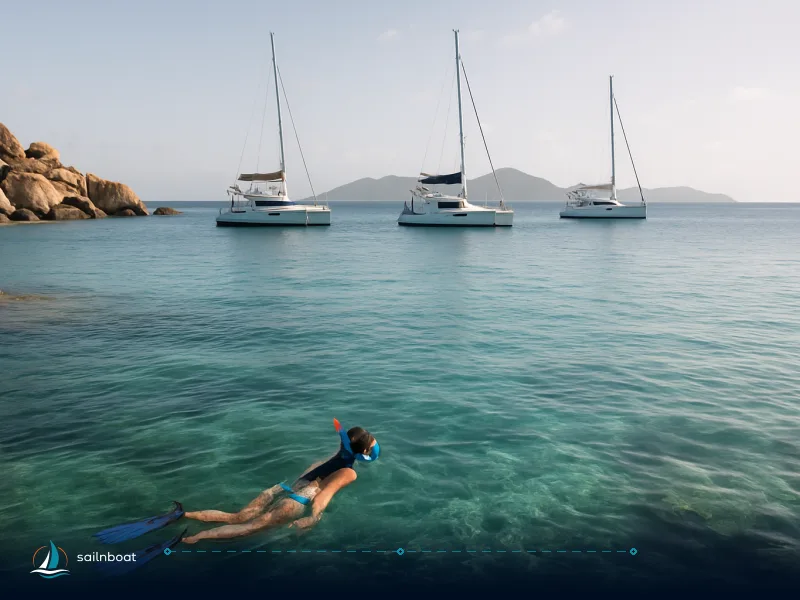
Cooper Island’s Machioneel Bay and Cistern Point offer shallow reefs and sea grass beds, with visibility often exceeding 10–20 m in settled weather. Sea temperatures in October hover around 29–30°C. You’ll commonly see reef fish, turtles grazing on seagrass, southern stingrays, and queen conch in the grass beds. Many visitors and local operators mention frequent turtle and ray sightings, but these are never guaranteed.
Tide and current notes:
- The Cooper Channel between Salt and Cooper can develop a noticeable current, especially at tidal exchange. Plan your snorkel for slack water, usually early morning, to make the most of easy drift conditions and visibility.
Snorkeling Tips
- Go early: you’ll have calmer seas, fewer boats, and the best underwater light.
- Use the dinghy line at Cistern Point instead of beaching your tender. Local operators encourage this to protect the shoreline.
- Wear reef-safe sunscreen or a rash guard; sunscreen chemicals can harm shallow reefs and grass beds.
- For photography, focus on the seagrass beds for turtles and the rocky outcrops for schooling fish.
Mooring Arrangements at Salt Island
Using Mooring Buoys
The Rhone lies within a National Parks Trust mooring field. These buoys are for day-use only and require a valid park permit, which is administered by the Trust. Overnight moorings at dive sites are not generally provided by the Trust — private overnight moorings elsewhere in the BVI are run by separate operators and come with a nightly fee. The system for reserving private moorings varies; expect to use a third-party app or service, especially in high season.
Practical steps:
- Check if your charter company includes the National Parks mooring permit in your booking. Some do, often as part of a package, but not all — ask at contract stage.
- The Rhone mooring field can fill up quickly, especially on calm mornings. Have a backup plan for alternate sites if you can’t secure a buoy.
- Use the mooring buoy as intended: approach bow-to-current, leave enough room for other boats, and keep your dinghy clear of the main channel.
Regulations and Etiquette
- Anchoring on or near the Rhone is prohibited to protect the wreck and reef. Fishing is also not allowed within the park. The Trust enforces day-use rules to preserve the site.
- Treat the site as both a dive location and a maritime grave. Keep noise to a minimum, respect no-take regulations, and follow your dive briefing. Many local dive operators include a short commemorative pause before descent.
Local Regulations and Practical Considerations
Diving and Snorkeling Regulations
- The National Parks Trust moorings require a valid park permit. Most Trust moorings, including at the Rhone, are explicitly day-use only. Overnight stays require a separate, private mooring elsewhere.
- Many charter companies and dive operators ask for certification cards and dive logs for deeper or more advanced dives. This is standard operator practice, not a single statutory rule. Confirm with your operator before arrival.
Safety and boat prep:
- Carry surface signalling devices (SMB, whistle, dive flag), a spare regulator for buddy use, and a first-aid kit with oxygen capability if possible.
- Make sure your dinghy is fueled and has a basic dropped-object kit (for retrieving regulators or SMBs).
- If diving from your yacht, check that your boarding ladder is suitable for divers and that tanks can be stowed securely. Some charter yachts do not allow tank handling on the swim platform without crew assistance.
Tank refills: There are no tank filling facilities on Salt or Cooper Island. The nearest reliable options are at Tortola (Road Town or Nanny Cay marinas) or at dive shops in Spanish Town (Virgin Gorda). Plan your gas supply to cover your planned dives and have a fallback for weather or logistics delays.
Weather Conditions
October falls within the Atlantic hurricane season (June 1–November 30). Sea temperatures in the BVI in October are typically around 29–30°C, and visibility is often excellent on calm days. However, storm risk and associated swell or current shifts are higher than in the winter. Monitor local marine forecasts and the National Hurricane Center before and during your charter, and keep a weather day or contingency port in your plan.
Sample 7-Day Bareboat Itinerary: BVI Wreck & Reef Loop
A realistic one-week plan built around the Rhone and Cooper Island, with operational details and fallback options:
| Day | Route & Activity | Distance (NM) | Mooring/Anchorage | Key Notes |
|---|---|---|---|---|
| 1 | Road Town/West End → Salt Island (via Cooper) | 6–8 | Salt Island (day mooring) | Provision in Road Town; check tanks, park permit. |
| 2 | Early Rhone dives, lunch on board, sail to Cooper | 2 | Cooper Island (overnight) | Rhone stern dive AM, bow dive after SI, then Cooper snorkel. |
| 3 | Cooper Island snorkel, sail to Peter Island | 4 | Peter Island (overnight) | Cistern Point snorkel; fallback if Cooper full. |
| 4 | Peter Island → Norman Island (snorkel/dive) | 5 | Norman Island (overnight) | Alternative dive/snorkel: The Indians, The Caves. |
| 5 | Norman Island → Jost Van Dyke | 12 | Great Harbour or White Bay | Fuel/water at Soper’s Hole if needed. |
| 6 | Jost Van Dyke (shore exploration/snorkel) | — | Great Harbour or Sandy Cay | Beach day, local bars, short sails. |
| 7 | Return to base (Road Town/West End) | 12–15 | Charter base | Fuel up, final night at base. |
Notes:
- Road Town to Salt Island: ~6 NM (direct), West End to Salt Island: ~8 NM.
- Salt Island to Cooper Island: ~2 NM.
- Cooper Island to Peter Island: ~4 NM.
- Norman Island to Jost Van Dyke: ~12 NM; allow for wind/current.
- Overnight moorings at Cooper, Peter, Norman, and Jost Van Dyke are run by private operators and typically cost €40–90 per night for a 45-foot yacht in high season.
- Water and fuel: Top up at Road Town, Nanny Cay, or Soper’s Hole. Most smaller anchorages have no resupply facilities — plan accordingly.
- Provisioning: Main supermarkets are in Road Town (RiteWay, OneMart). Cooper and Norman Islands have small shops, but selection is limited and prices higher.
- If Rhone moorings are full: Peter Island (Deadman’s Bay) and Norman Island (The Indians, The Caves) offer strong alternative dive/snorkel sites within a short sail.
- Dinghy launch/storage: Most modern bareboats have an aft platform with davits or a dedicated storage cradle. If using a high-thrust outboard, secure it for short hops, and store tanks upright in the cockpit or lazarette when underway.
Provisioning, Fuel, and Water Stops
Bareboat weeks in the BVI rely on good provisioning and water/fuel planning:
- Provisioning: Stock up in Road Town before departure — fresh produce, dry goods, and drinks. Allow for one or two top-up stops, but do not count on regular resupply at outlying anchorages.
- Water: Fill tanks at the base, and conserve water for showers and dishwashing. Cooper Island, Norman Island, and Peter Island do not offer water at the dock.
- Fuel: Refill at Road Town, Nanny Cay, or Soper’s Hole. Most weeks, a single tank suffices, but monitor fuel usage if running the generator or motoring long distances.
Alternative Dive and Snorkel Sites
If Rhone moorings are full, consider:
- The Indians (near Norman Island): Pillar rock formations, excellent for both diving and snorkelling, depths 3–18 m.
- The Caves (Norman Island): Shallow snorkelling in sea caves, sheltered in most conditions.
- Deadman’s Bay (Peter Island): Gentle reef, good for snorkelling and beginner dives, sandy anchorage.
Personal Reflections on the RMS Rhone Experience
Emotional Impact
Diving the Rhone is a measured, reflective experience. The silhouette of the wreck, the portholes, and the quiet descent set the tone: this is part historical pilgrimage, part technical challenge. The transition from bright, shallow stern to the structured, deeper bow is both atmospheric and instructional. Silence at the surface and a respectful pre-dive brief are typical and fitting.
Logistics shape the experience. Rising from the water to your tender with Salt Island calm nearby, you’ll feel the satisfaction of a well-run dive — good briefing, proper mooring, safe tendering — which amplifies the solemnity and sense of achievement. On a bareboat week, the Rhone will likely be a highlight if you plan for early starts, confirmed permits, and a conservative dive plan.
Operational checklist for your Rhone day:
- Early morning departure from base.
- Confirm park permit and mooring availability.
- Two-tank dive plan: stern first, then bow.
- Surface interval and lunch at anchor or sail to Cooper.
- Afternoon snorkel or backup dive at Cistern Point or The Indians.
- Sail to overnight mooring before sunset.
- Keep one weather day in reserve.
and planned dates.
Frequently Asked Questions
The Royal Mail Steamship Rhone was driven onto Black Rock off Salt Island during a hurricane on 29 October 1867 and sank; the site is now a protected National Marine Park managed by the National Parks Trust of the Virgin Islands.
The wreck lies split across shallow and deep sections with features from about 5–24 m (15–80 ft); notable sights include the propeller/rudder, a cannon and the 'lucky' brass porthole on the stern. Plan two dives to cover both halves.
Common sightings include reef fish, turtles grazing sea grass, southern stingrays and queen conch near grass beds; visibility is frequently very good.
The Rhone sits inside a National Parks Trust mooring field that is for day-use and requires the Trust's mooring/park permit; overnight moorings elsewhere in the BVI are private and charged per night. Fees and booking systems vary.
Within the marine park anchoring on the reef is prohibited and fishing is not allowed; users must use designated mooring buoys and observe day-use rules administered by the National Parks Trust.
October is still inside hurricane season; sea temperatures are warm (around 29–30°C) and visibility is often excellent, but you should monitor forecasts because storm risk is higher than in winter.
Bring dive redundancy and spares, plan surface intervals and SMB use, confirm that your charter provides a seaworthy dinghy with fuel, and ensure the National Parks Mooring Permit is arranged—many charter companies include it but check.
Written by
Sailnboat Editorial
The Sailnboat editorial desk covers yacht and boat chartering worldwide — routes, bases, seasons, boat types, paperwork and the practical costs that decide a trip. We are a charter marketplace, not a boat owner or a local agency: what we sell is judgement and support, so our guides are written to help you make a decision, not to sell you a specific boat. Every guide is checked against live operator and marina data before it goes out.
Fact-checked against live operator and marina data, and published under our editorial standards. Last reviewed: .