Best Snorkel Spots in BVI: 12 Must-Visit Locations
A focused list of the 12 snorkel sites every BVI charter should include, with access, mooring and suitability notes so you can plan your days aboard practically.

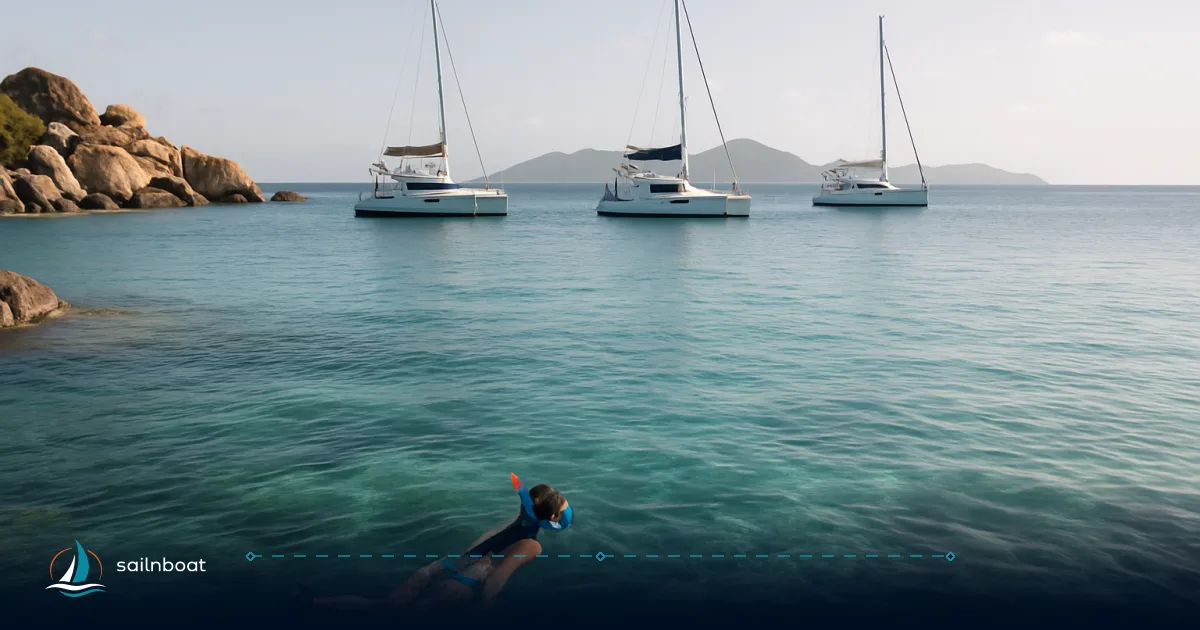
You can plan a full week of varied snorkeling in the British Virgin Islands without ever repeating a site or stretching your sailing legs. The key is pairing shore-access reefs with protected mooring stops—places like The Indians, The Caves, The Baths, and Anegada’s north shore. Most sites are within a half-day sail of each other, and each delivers a distinct underwater environment, from granite boulders to coral flats and historic wrecks. Budget roughly US$40–70 per night for a mooring ball at popular fields, plus any National Parks Trust permit or day-mooring fees; marina berths cost more. Confirm current rates and mooring procedures with your charter base.
Introduction to Snorkeling in the BVI
The British Virgin Islands compress several unique snorkeling environments into short distances: shallow coral flats off Anegada, granite boulder mazes at The Baths, underwater pinnacles and caves at Norman Island, and the historic RMS Rhone wreck. Most high-use sites are managed by the National Parks Trust (NPT): mooring buoys are provided to protect coral, and anchoring is often prohibited. Fees vary by provider, location, and season, so treat any published figure as a planning range. For a 45-foot yacht, expect to pay about US$40–70 per night for a mooring ball in high season at popular fields (e.g., standard vs premium), with separate National Parks day-mooring/permit fees at certain sites; marina berths cost more.
December to April is the dry high season, when visibility is usually at its best — though the trade winds blow harder and north swells can roll in; the calmest seas and lightest winds tend to come in late spring and early summer (roughly May to July), outside tropical systems. Early morning visits—first light to about 10:30—offer the quietest water and fewest crowds. For families or mixed-ability groups, prioritize sheltered, shallow reefs such as Loblolly, The Baths, and Smuggler’s Cove, and always plan for on-water supervision and flotation for less confident swimmers.
Quick Reference Table: BVI Snorkel Sites
| Site | Access | Mooring / Dinghy | Best for | Best months |
|---|---|---|---|---|
| The Indians (Norman Is.) | Boat only (mooring buoys) | NPT day moorings; no anchoring | Confident snorkelers; wall/canyon | Dec–Apr (early AM) |
| The Caves (Norman Is.) | Boat + short dinghy from The Bight | Park moorings nearby; dinghy lines | Adventurous snorkelers; cave mouths | Dec–Apr, mornings |
| The Baths (Virgin Gorda) | Shore + short dinghy | NPT day moorings at sea; shore entry | Families, beginners | Dec–Apr (arrive early) |
| Loblolly Bay (Anegada) | Shore (shallow approach) | Moor at Setting Point, dinghy/taxi | Families, shallow-reef snorkel | Dec–Apr (calm AMs) |
| Flash of Beauty (Anegada) | Shore | Beach access; local boats sometimes | Strong swimmers, quieter reef | Dec–Apr |
| Smuggler’s Cove (Tortola) | Shore | Beach access; no moorings | Families, shallow shore snorkel | Dec–Apr; calm days |
| Brewers Bay (Tortola) | Shore | Shore access; moorings/anchoring varies | Families; local reef | Late fall–spring |
| Savannah Bay (Virgin Gorda) | Shore | Dinghy access; limited moorings | Laid-back beach snorkel | Dec–Apr; mornings |
| Cistern Point (Cooper Is.) | Boat + short dinghy | Moorings at Cooper/Beach Club; dinghy line | Turtles, rays; mixed skills | Dec–Apr; mornings |
| Monkey Point (Guana Is.) | Boat (NPT moorings) | National Parks day moorings | Turtles, big reef fish | Dec–Apr; early AM |
| Diamond Reef (Scrub/Marina Cay) | Short dinghy/kayak from marina | Some day moorings; dinghy line | Families/confident snorkelers | Dec–Apr; mornings |
| RMS Rhone (Salt Is.) | Boat only (marine-park moorings) | Park moorings; anchoring prohibited | Experienced snorkelers/divers; wreck | Dec–Apr; check sea state |
1. The Indians, Norman Island
Unique Features
A cluster of striking rock pinnacles rising from deep water, dropping into steep reef walls and swim-throughs. You’ll find both shallow coral heads and deeper canyons, with plenty of reef fish and the occasional turtle. Visibility is often excellent, especially when trade winds are light.
Accessibility
Accessible only by boat. The area is protected, with National Parks Trust mooring buoys—anchoring over the reef is not permitted. Moorings are day-use only and fill quickly; arrive early. If you want a beach stop on Norman Island, use your dinghy for a quick transfer.
Suitability & Best Time to Visit
Best for confident snorkelers comfortable in deeper water and light current. Beginners can stay near the shallower pinnacles. Mornings typically offer the calmest conditions and clearest water.
2. The Caves, Norman Island
Unique Features
A set of flooded sea caves and grottoes, with light shafts playing across compact coral gardens at the entrances. The caves create a unique underwater atmosphere, but only explore the daylight zones—these are not deep cave penetrations.
Accessibility
A short dinghy ride from The Bight mooring field, or use a nearby day-use mooring if available. There are a few moorings close to the caves; be prepared for a short but possibly choppy swim if the wind is up.
Suitability & Best Time to Visit
Intermediate snorkelers will enjoy this most, though children can join with close supervision. Early morning is best to avoid crowds and afternoon chop.
3. The Baths, Virgin Gorda
Unique Features
A natural maze of granite boulders, shallow sandy pools, and submerged channels. The underwater topography around Devil’s Bay is ideal for easy, scenic snorkeling, with plenty of fish, rays, and occasional turtles. The Baths are managed as a national park with established visitor protocols.
Accessibility
Shore entry is available from the park trail and beach. Boats must use National Parks Trust day-use moorings offshore—anchoring is not allowed. Park entry and mooring fees apply, and procedures have been updated in recent years. Arrive early to avoid midday crowds.
Suitability & Best Time to Visit
Excellent for families and beginners in calm conditions—the boulder pools are shallow and protected. Early mornings provide the best light and minimal crowds. Avoid the area during strong afternoon trade winds; surf can make the shore break difficult.
4. Anegada Reef — Loblolly Bay
Unique Features
Anegada’s horseshoe reef creates vast, shallow coral flats and fringing reefs. Sand flats transition quickly to healthy coral heads, supporting abundant reef fish, conch, and frequent turtle sightings. Visibility is high on calm days.
Accessibility
The approach to Loblolly is shallow—depths can drop below 2 meters close to shore—so most yachts anchor or pick up a mooring at Setting Point and dinghy or take a taxi to the beach. From shore, entry to the reef is straightforward.
Suitability & Best Time to Visit
Family-friendly and one of the most accessible shore snorkel spots in the BVI. Arrive before the wind picks up, as Anegada’s low profile leaves it exposed to swells. Calm, clear mornings are best.
5. Smuggler’s Cove, Tortola
Unique Features
A small, sheltered bay with a rocky fringe reef close to shore. Water clarity is good on calm days, and the cove is an easy, low-stress snorkel from the beach.
Accessibility
Shore access only; parking and a short walk bring you to the beach. There are no moorings here—this is a public beach, not a managed mooring field. It’s a good stop for a midday swim or picnic.
Suitability & Best Time to Visit
Ideal for families and beginners. Best on calm days; avoid the site if there’s a north swell running.
6. Brewers Bay, Tortola
Unique Features
A quieter north-coast reef with a protected barrier near the west end. On flat days, you’ll find shallow coral heads, turtles, and easy swimming from the shore. Visibility varies with tide and swell.
Accessibility
Shore access; this is a less crowded alternative to busier beaches. Be mindful of fragile reef areas—avoid standing on coral and heed any local signage.
Suitability & Best Time to Visit
Family-friendly when the sea is calm. Late fall through spring is ideal, but always check local sea state before committing to a long swim.
7. Savannah Bay, Virgin Gorda
Unique Features
A broad, sandy beach with a marked shallow reef. The site is quieter than The Baths, with typical Caribbean reef fish and occasional turtles. While there have been snorkel trails in the past, the presence of a marked trail varies—do not rely on permanent markers.
Accessibility
Shore and dinghy access. Moorings are limited—most boats use nearby Spanish Town or small day-use moorings, then dinghy in.
Suitability & Best Time to Visit
Suitable for families and mixed-ability groups. Mornings or late afternoons are quieter, with less wind and better water clarity.
8. Cistern Point, Cooper Island
Unique Features
A short reef outside Cooper Island Beach Club, with coral heads, seagrass beds, and reliable turtle sightings. Larger reef fish and eagle rays are often seen here.
Accessibility
A short dinghy ride from Cooper Island moorings (Manchineel Bay); there’s a dinghy line at Cistern Point, and moorings at the Beach Club make this a straightforward stop for charterers.
Suitability & Best Time to Visit
A versatile site for both beginners and experienced snorkelers, but currents can develop—go early for calmer water and better visibility.
9. Monkey Point, Guana Island
Unique Features
A protected marine-park reef with large coral heads, frequent turtle and ray sightings, and a drop-off into deeper water for a variety of snorkeling experiences.
Accessibility
National Parks Trust moorings service the site; anchoring is discouraged to protect the reef. Most boats pick up a mooring and snorkel from the stern or dinghy in for shallow water.
Suitability & Best Time to Visit
Best in the morning for calm water. Families can stick to the shallows, while more experienced snorkelers can explore the drop-off.
10. Diamond Reef (near Scrub/Marina Cay)
Unique Features
A compact, lively reef with rich fish life, sponges, and occasional turtles. The area is less crowded than the most famous sites and offers good snorkeling for all ages if you stay in the shallow zones.
Accessibility
Short dinghy or kayak ride from Marina Cay or Scrub Island moorings. National Parks Trust day-use moorings are available, but status can change—confirm with your charter base. Shallows require careful approach, especially from the east.
Suitability & Best Time to Visit
Family-friendly in the shallow areas; go early to avoid wind chop and boat traffic.
11. Flash of Beauty, Anegada
Unique Features
A quieter beach snorkel with excellent coral and denser fish life than some other north-shore beaches. The reef drops off faster than at Loblolly, making it more suitable for confident swimmers.
Accessibility
Shore access via a rough road to the eastern end of Anegada, or by local taxi from Setting Point. Small local boats may sometimes offer mooring or drop-off, but this is not a managed field—confirm arrangements locally.
Suitability & Best Time to Visit
Best for confident swimmers who want richer reef life and fewer people. Mornings are usually best for clarity and calm.
12. Wreck of the RMS Rhone, Salt Island
Unique Features
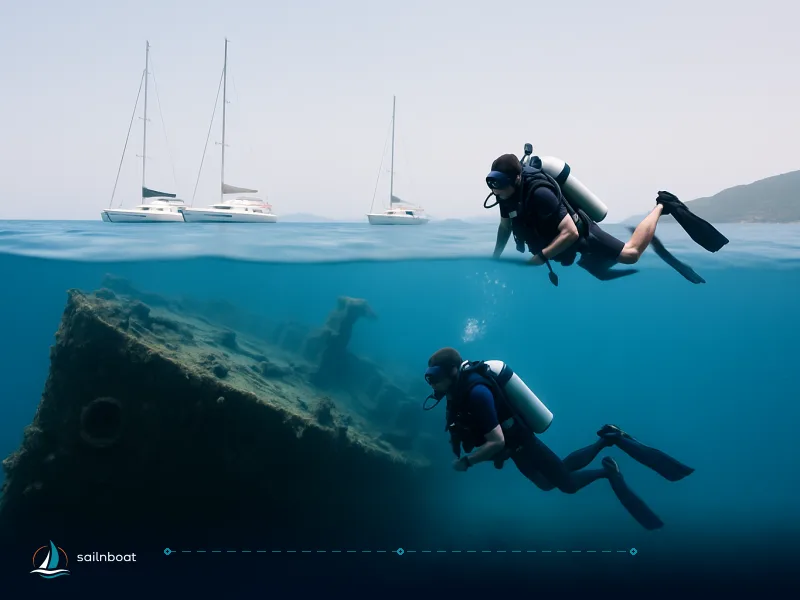
A historic 1867 wreck, now a reef habitat with large coral-encrusted sections, schooling fish, turtles, and dramatic underwater scenery. It’s among the most well-known underwater sites in the BVI.
Accessibility
Accessible only by boat. The Rhone sits within a marine-park mooring field; the National Parks Trust provides moorings, and anchoring on the wreck is strictly prohibited. Some sections are deep (bow/stern), but parts of the wreck are accessible to snorkelers—though currents and depth make this an advanced site.
Suitability & Best Time to Visit
Best for experienced snorkelers or guided surface-supported dives. Use a surface float and avoid visiting in strong currents. Morning visits typically offer calmer water and better visibility.
Practical Planning Notes
- Permits & Moorings: Many top snorkel sites are managed by the National Parks Trust, with day-use moorings and permit fees that vary by season and party size. Moorings can fill early at popular spots—ask your charter operator how they handle NPT fees and whether advance reservations are possible.
- Timing: Early mornings (first light to 10:30) deliver the best visibility and smallest crowds. For clear water, December to April is the classic window (the site table above follows it); for the calmest seas, aim for late spring and early summer, and on any day go early — mornings are usually calmer.
- Safety: Use dinghy pick-ups for children and less confident swimmers. Avoid entering caves beyond the daylight zone. Treat the Rhone wreck and deeper reef walls as advanced sites—bring a surface float or a buddy with a line-cutter or knife for possible fishing-line or mooring-line entanglement.
- Conservation: Do not stand on coral, do not feed fish, use reef-safe sunscreen, and follow National Parks Trust rules and flag signals at managed park sites.
With careful planning, your BVI snorkeling route can deliver variety, safety, and rich marine life for the whole crew—without repeating a stop or missing a highlight.
Frequently Asked Questions
The Indians (Norman Island), The Caves (Norman Island), The Baths (Virgin Gorda), Loblolly Bay / Anegada Reef, Flash of Beauty (Anegada), Smuggler's Cove (Tortola), Brewers Bay (Tortola), Savannah Bay (Virgin Gorda), Cistern Point (Cooper Island), Monkey Point (Guana Island), Diamond Reef (near Scrub/Marina Cay), and the wreck of the RMS Rhone (Salt Island).
Shore-accessible: The Baths (short walk from the beach), Loblolly Bay & Flash of Beauty (Anegada), Smuggler’s Cove, Brewers Bay, Savannah Bay. Boat-access (mooring or dinghy): The Indians, The Caves, Monkey Point, Cistern Point, Diamond Reef and the RMS Rhone (Salt Island) — most of these sit on National Parks moorings.
Expect reef fish (parrotfish, snapper, tangs) everywhere; The Indians and Anegada host abundant hard coral and schooling fish; Cistern Point and Monkey Point are reliable for green turtles and eagle rays; Diamond Reef often has dense reef life including turtles; RMS Rhone is the wreck-habitat for larger fish, cup corals and turtles.
Many high‑use sites are served by National Parks Trust moorings or private day moorings. Recent 2026 reporting and charter operator guides show park permit and mooring costs vary substantially — permit and day‑use packages and overnight moorings are commonly quoted roughly in the range of ~$25–$160 per boat (permit/week) and overnight moorings often ~$30–$55 per night depending on reservable systems and season; expect variability by operator and season.
Family/beginner friendly: The Baths (short swims, shallow pools), Loblolly Bay (shallow fringing reef), Smuggler’s Cove and Brewers Bay (protected shore snorkels). More advanced or cautious supervision required: The Caves (cave swims), The Indians (deeper walls), RMS Rhone (deeper wreck sections).
Across the BVI the quietest, clearest window is typically December–April (the dry season); early morning is usually the calmest time each day for visibility and fewer boats. Anegada’s reef snorkels can be excellent into May; hurricane season (June–November) increases swell and reduces suitability for some exposed sites.
Written by
Sailnboat Editorial
The Sailnboat editorial desk covers yacht and boat chartering worldwide — routes, bases, seasons, boat types, paperwork and the practical costs that decide a trip. We are a charter marketplace, not a boat owner or a local agency: what we sell is judgement and support, so our guides are written to help you make a decision, not to sell you a specific boat. Every guide is checked against live operator and marina data before it goes out.
Fact-checked against live operator and marina data, and published under our editorial standards. Last reviewed: .