Empty Leg Yacht Charters: Savings and Flexibility Explained
Empty leg yacht charters are one-way repositioning passages offered at a discount because the yacht must move anyway; you can save substantially, but expect fixed dates, limited itineraries and extra operational costs.

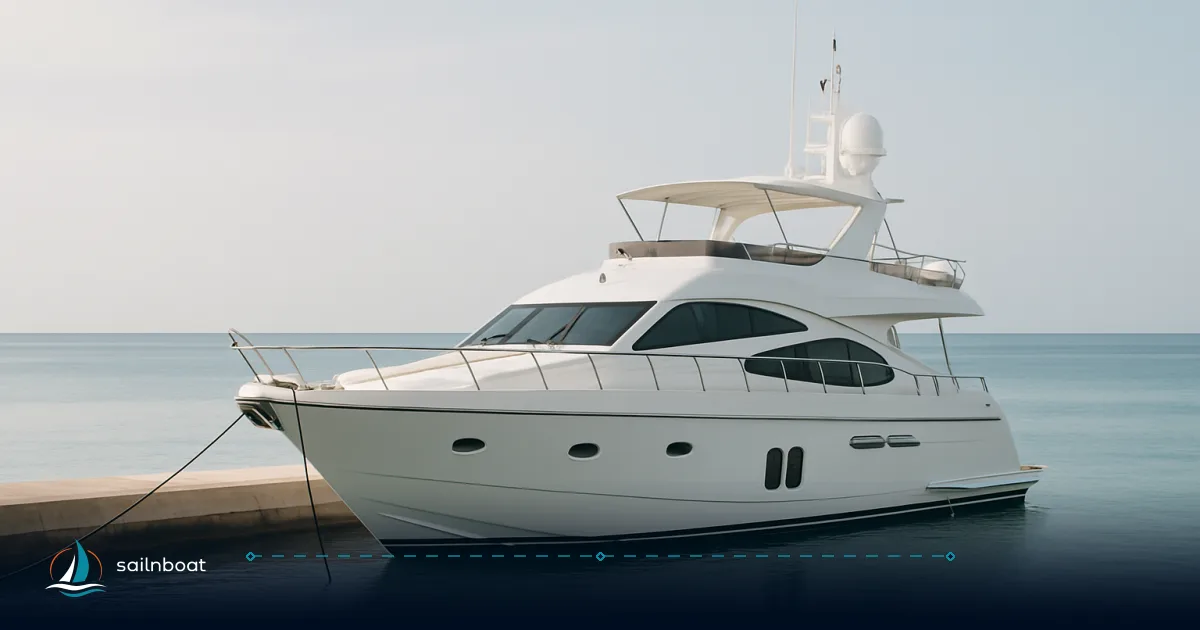
An empty leg yacht charter is a one-way passage a yacht must make for operational reasons—typically to relocate for the next charter, for seasonal movement, or at the owner’s request. For you, this means the chance to book a crewed yacht at a reduced rate, provided you can work with fixed dates and a set route.
What Are Empty Leg Yacht Charters?
An empty leg yacht charter—also called a repositioning, relocation, or delivery passage—is a one-way trip the owner or operator must run, regardless of whether there are charter guests aboard. Instead of moving the yacht without guests, the operator may offer the passage at a discounted rate to help cover variable costs like fuel, port fees, and crew. In practice, you’re buying a fixed-date, fixed-route one-way charter, determined by the yacht’s operational needs. You cannot set the dates or route; you take the leg as offered.
Mechanics of Empty Leg Yacht Charters
- How they originate: Empty legs arise when a client books a one-way or seasonal charter, or when the owner requests the yacht in another region. The operator must relocate the vessel and may offer the passage at a reduced price to offset costs. Many brokers and charter platforms highlight these repositioning legs as last-minute opportunities.
- What you actually buy: You charter the entire yacht for the defined leg; there is no “per cabin” or “per seat” pricing. The service level—crew, safety, insurance—remains the same as a standard charter, but you lose most flexibility.
- Timing and availability: Empty legs are typically listed only after the yacht’s schedule is locked in, often days or weeks before departure. Availability changes quickly if the operator’s plans shift. These passages suit travellers who can accommodate a narrow date window and fixed embarkation/disembarkation locations.
Typical Yacht Types and Sizes Available for Empty Leg Charters
Empty leg opportunities are most common among larger, crewed yachts and superyachts, but can occasionally be found for catamarans and mid-sized motor yachts.
| Yacht Type | Typical Length (ft) | Crew Included | Common Routes | Notes |
|---|---|---|---|---|
| Crewed Motor Yacht | 40–100+ | Yes | Med, Caribbean | Most frequent in Med, for repositioning |
| Crewed Sailing Yacht | 50–100+ | Yes | Med, Caribbean | Often after regattas or seasonal moves |
| Crewed Catamaran | 40–70 | Yes | Med, Caribbean | Fewer, but available on busy routes |
| Superyacht | 100+ | Yes | Med, Atlantic, more | High operating costs, deep discounts |
Bareboats (yachts without crew) are less likely to be offered as empty legs unless the operator is relocating for a fleet change, and usually require you to skipper.
Potential Savings with Empty Leg Yacht Charters
You can often save a substantial amount, but the real discount is typically less than the headline figure once you include charter extras and surcharges.
Cost Comparison: What to Expect
- Headline discount range: Empty-leg deals are usually advertised at 30–75% off the standard one-way charter rate. The actual discount depends on the operator’s minimum cost threshold, including fuel, crew, and port fees. For high-demand routes, discounts tend to be smaller.
- Net savings for yachts: Unlike private jet empty legs, yacht repositionings bring additional costs—Advance Provisioning Allowance (APA), delivery/repositioning fees, extra fuel for long transits, and port taxes. APAs are commonly 25–35% of the base charter fee, but always confirm the percentage for your specific yacht and operator. Delivery surcharges can range widely, depending on yacht size, route, and operator policy. Some sources suggest these fees can be several hundred to a few thousand euros, but actual amounts vary and should be confirmed with your broker or operator before booking.
Sample Cost Breakdown: An Illustrative Example
To make the numbers tangible, here’s a worked example for a 50-foot crewed motor yacht repositioning from Naples to Split—a typical Mediterranean repositioning route, with a passage of roughly 200–220 nautical miles. All figures are estimates for illustration only; actual costs will vary by yacht, operator, and season.
| Item | Estimated Amount (EUR) | Notes |
|---|---|---|
| Base empty leg fee | €7,000 | Example: ~60% off a notional standard weekly rate |
| APA (30% of base fee) | €2,100 | Pays for fuel, food, port fees, etc. |
| Delivery/repositioning surcharge | €1,500 | Varies; check with operator for your route and yacht |
| Estimated extra fuel | €900 | For direct passage at cruising speed; check consumption |
| Port taxes and agent fees | €400 | Varies by route and ports |
| Total outlay | €11,900 | |
| Standard one-way charter (all-in) | €21,000–€24,000 | Hypothetical market range incl. APA and fees |
| Net savings | €9,000–€12,000 |
These are illustrative figures—not guarantees. Your actual savings depend on APA usage, yacht efficiency, route, season, and operator policy.
Comparison Table: Charter Options at a Glance
| Option | Typical Price vs Standard Weekly | Pros | Cons |
|---|---|---|---|
| Empty leg (one-way repositioning) | ~30–75% off headline one-way | Lowest upfront price; good for flexibility | Fixed date/route, can be withdrawn, extra APA/delivery may offset savings |
| Standard confirmed charter | Baseline (0% discount) | Full itinerary control, fixed dates/ports | Most expensive |
| Hybrid (empty leg out, standard return) | Can save on one leg while preserving return flexibility | One-way saving + full control on return | Logistical complexity; may still incur repositioning/delivery fees |
Regional Differences in Empty Leg Charters
Empty leg opportunities, costs, and risks vary by region and season.
Mediterranean
- Availability: Empty legs are commonly found between major charter hubs—such as the South of France, Balearic Islands, Italy, Greece, and Croatia—especially during seasonal transitions (spring and autumn). The peak months vary, but many repositionings occur before and after the peak summer season.
- Fees: Delivery and repositioning surcharges are frequent for cross-country moves. Port fees and agent costs can differ significantly by country.
- Risks: Weather is generally predictable in season, but late-season storms can disrupt schedules.
Caribbean
- Availability: Fewer repositionings overall compared to the Med, but you’ll see more after major regattas or at the end of the winter charter season—often between the Virgin Islands, St. Maarten, and Grenada. Availability patterns shift with the hurricane season, which runs June–November.
- Fees: Port and customs fees are often higher for multi-island passages. Delivery surcharges reflect the longer distances between bases.
- Risks: Hurricane season affects planning, and last-minute changes are more common.
Other Regions
- Asia-Pacific, Indian Ocean, South Pacific: Far fewer empty leg opportunities, and often over longer distances. Delivery surcharges can be significant, and operational risks (weather, port entry) are higher.
Operational Constraints of Empty Leg Charters
These constraints are the main reason empty legs work for some trips but not for others.
Fixed Dates and Itineraries
- Date windows: Departure and arrival are dictated by the yacht’s operational needs. Flexibility is minimal—expect only a 1–2 day window.
- Embarkation/redelivery points: Usually fixed; changing them may incur extra fees or be impossible if onward bookings exist. Arrange your travel around these ports.
- Itinerary control: Most repositionings are direct point-to-point. Detours or bespoke stops require renegotiation and may add costs (fuel, crew, lost charters).
- Crew availability & rest: Longer passages may require extra crew or schedule changes, reflected in your contract and final cost.
Operational Allowances in the Contract
- Cancellation by operator: Operators often reserve the right to withdraw a repositioning offer if the primary booking changes. Remedies usually include a refund or alternate sailing, not compensation for your onward travel—unless you negotiate otherwise.
- Weather buffers: Captains will delay for safety, especially on longer legs. No operator will compromise safety for a non-negotiable schedule.
Insurance and Liability for Empty Leg Charters
Insurance and liability for empty leg charters are generally similar to standard crewed charters, but there are nuances you must confirm before booking:
- Hull and liability insurance: Most operators maintain comprehensive hull and third-party liability insurance, which covers standard charter operations, including one-way passages. Always ask for a copy of the policy summary.
- Passenger insurance: Some operators include basic accident coverage for guests; others recommend or require you to purchase your own travel insurance.
- One-way passage liability: Because empty legs are operationally sensitive, confirm how liability is handled if the operator cancels or delays for reasons beyond your control. Delays due to weather or operational changes are usually not covered by charter insurance; your own travel policy may help offset costs.
- Security deposit: Standard security deposits typically apply unless otherwise specified in your contract.
If you’re combining an empty leg with a bareboat segment, confirm that your skipper qualifications are accepted for the region and that your insurance explicitly covers one-way or repositioning passages.
How to Find and Book Empty Leg Yacht Charters
Empty leg deals move quickly and are rarely listed far in advance.
Where to Look
- Specialist brokers: Established charter brokers maintain lists of upcoming repositioning legs and can alert you to new postings.
- Aggregator platforms: Charter marketplaces (including Sailnboat) feature empty leg inventory, though availability changes daily.
- Direct operator websites: Some fleet operators and luxury charter companies post empty leg deals on their news or deals pages.
- Alert services: Many brokers can set up custom notifications for your preferred routes, dates, or yacht types—ask if they offer SMS or email alerts.
Booking Process
- Contact a broker or aggregator: Share your dates, routes, and flexibility.
- Review available options: Your broker will present matches, including all-in cost breakdowns and contract terms.
- Negotiate terms: Confirm APA, delivery fees, and cancellation policies in writing.
- Secure with a deposit: Expect to pay a smaller, sometimes refundable deposit until the leg is confirmed; the balance is due closer to departure.
- Finalise logistics: Confirm embarkation/disembarkation ports, timing, and provisioning preferences.
Negotiation Strategies for Empty Leg Yacht Charters
You’re trading flexibility for price—negotiate to keep what matters.
Effective Tactics
- Trade flexibility for price: Offer a broader embarkation window (±48–72 hours) or accept alternate ports for a sharper rate.
- Request itemised APA and delivery fees: Ask for written estimates and caps on major items like fuel and port dues.
- Negotiate cancellation remedies: Insist on a clause specifying your remedy if the operator cancels late (refund plus a contribution to alternative travel).
- Use refundable deposits: Offer a small deposit to hold the leg while the operator keeps options open until final confirmation.
- Combine legs: Ask if you can combine outbound and return repositionings for a blended discount.
- Work with a proactive broker: Fast-moving inventory means a broker who monitors and acts on new postings increases your odds.
What to Confirm at Booking
- Exact embarkation and redelivery ports and time windows.
- APA estimate and what it covers (fuel, provisioning, port fees, permits).
- Delivery/repositioning fee and refundability if the leg is pulled.
- Cancellation/withdrawal terms and notice periods.
- Insurance and liability terms for one-way passages.
Sample Contract Clause: Cancellation/Refund
A best-practice clause might read: “If the Operator cancels the charter for operational reasons prior to the agreed embarkation date, all amounts paid by the Charterer shall be refunded in full within 7 days. If cancellation occurs less than 14 days before embarkation, the Operator will also contribute up to €500 toward documented alternative travel arrangements. No further compensation shall be due.” Always negotiate the specifics to fit your risk tolerance and trip value.
Risks Associated with Empty Leg Yacht Charters—and How to Mitigate Them
Identify and address risks in your contract and planning.
Key Risks and Mitigations
| Risk | Mitigation Step |
|---|---|
| Last-minute operator pull | Contractual refund clause plus contingency fund for alternate transport |
| Fuel and delivery surcharges | Written APA estimate; delivery fee cap; fuel surcharge trigger |
| Provisioning and logistics challenges | Confirm provisioning points/costs; ship special items in advance |
| Crew fatigue/operational safety | Confirm crew-rest plans and extra crew costs in writing |
| Hidden/local fees (canal, pilot, agent) | Itemised estimate for known routes; add conservative contingency |
Practical Risk Checklist
- Written APA estimate and reconciliation procedure
- Written delivery/reposition fee and clear redelivery port
- Operator withdrawal clause with refund timeline
- Insurance and liability confirmation for one-way leg
- Contingency budget for delays, extra fuel, unexpected port fees
Balancing Savings and Flexibility
When Empty Legs Make Sense
- You have flexible travel dates and can work with fixed embarkation/disembarkation points.
- The total cost (after APA and delivery fees) is meaningfully lower than a standard charter or alternative transport.
- You need a one-way passage and can arrange return travel separately.
- The repositioning aligns closely with your plans and the operator’s schedule.
When Empty Legs Don’t Make Sense
- Your dates or itinerary are fixed (for example, for an event or business schedule).
- You require bespoke routing, multiple stops, or maximum itinerary control.
- The risk or cost of a cancelled leg outweighs the savings.
Alternatives for Maximum Flexibility
- Book a standard charter and negotiate a partial repositioning credit if you can offer a later empty leg.
- Combine a confirmed main charter with a short repositioning passage arranged separately, accepting higher costs for full control.
Final Practical Checklist Before You Sign
- Confirm APA percentage and line items (typically 25–35% but can vary).
- Get delivery/reposition fee in writing; request caps on fuel and port dues.
- Insist on an operator withdrawal clause and a clear timeline for refunds.
- Build buffers into your travel/flight plans for late arrival or cancellation.
- Accept the trade-off: the lowest price requires the most flexibility.
If you want help finding available empty leg yacht inventory or want to run your dates against live repositioning postings, work with a broker or platform that monitors these opportunities daily. It’s the most effective way to turn opportunistic savings into a successful trip.
Frequently Asked Questions
An empty leg yacht charter (also called a repositioning or relocation passage) is a one-way trip where a yacht has to move between ports for operational reasons (seasonal repositioning, owner movement or to reach its next charter). Brokers or operators sometimes offer that transit to paying clients at a discount because the yacht would be moving anyway. The route, date and often the embarkation/disembarkation points are set by the yacht’s schedule rather than your wish list.
Headline discounts commonly run wide — many repositioning deals are marketed in the 30–75% range off an equivalent one-way charter — but the final saving depends on vessel class, timing, route and added costs (APA, delivery fee, fuel). Expect the largest percentage discounts on odd-hour, short-notice or long-tail repositionings and smaller discounts on high-demand corridors or event weeks.
Expect fixed departure date/time windows, set embarkation and redelivery ports, limited or no itinerary flexibility, and a higher chance the leg will be pulled if the parent booking changes. Crew rotations and local regulations can also restrict available hours or require extra crew-change fees.
Bring flexibility (date windows, nearby embarkation points), ask for a firm cancellation/refund clause and APA line-item estimates, cap delivery/repositioning fees if possible, request confirmed crew-rest and safety provisions, and offer a short-notice booking deposit rather than full payment to get better leverage.
Main risks are last-minute cancellation by the operator, hidden delivery/fuel/provisioning costs, and itinerary limits that make the trip impractical for some groups. Mitigate them with explicit contract terms (refunds, notice periods), a conservative APA, weather buffers in your schedule and written confirmation of the exact embarkation/disembarkation ports.
Written by
Sailnboat Editorial
The Sailnboat editorial desk covers yacht and boat chartering worldwide — routes, bases, seasons, boat types, paperwork and the practical costs that decide a trip. We are a charter marketplace, not a boat owner or a local agency: what we sell is judgement and support, so our guides are written to help you make a decision, not to sell you a specific boat. Every guide is checked against live operator and marina data before it goes out.
Fact-checked against live operator and marina data, and published under our editorial standards. Last reviewed: .