One-Way Yacht Charters: Planning, Costs, and Contract Clauses
A one way charter starts and ends in different ports; it can save you time and open new itineraries but usually carries a repositioning charge and extra operational costs. This guide explains how those fees are calculated, what contract clauses to check, and how to negotiate.

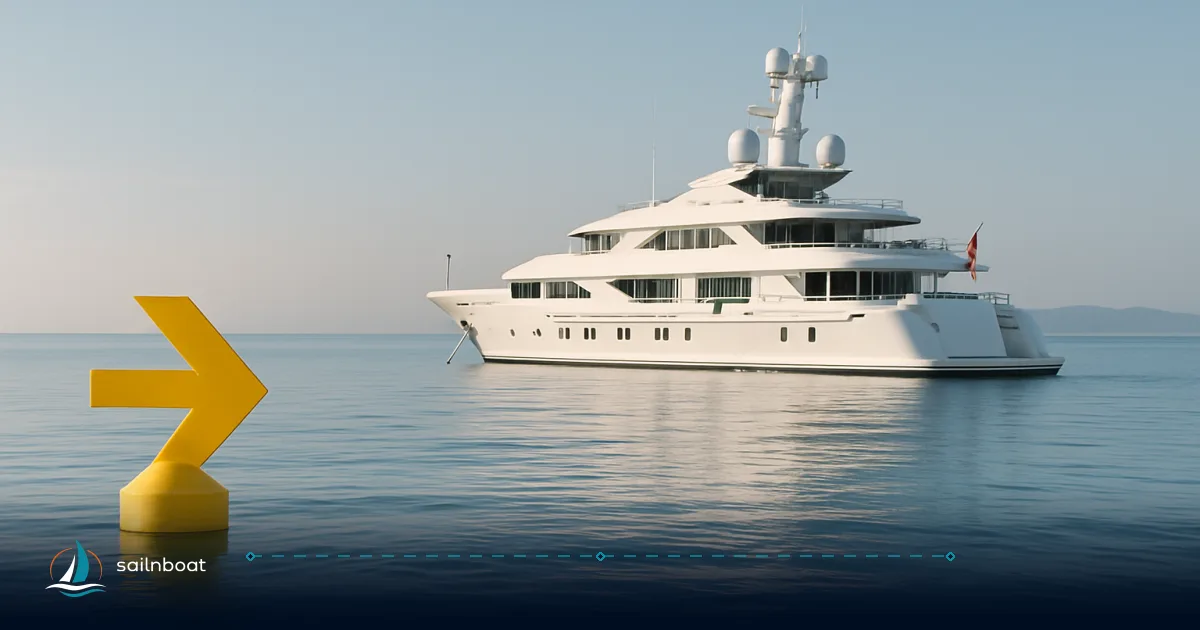
A one way charter means you embark in one port and disembark in another — and that convenience usually comes with an extra cost: a repositioning charge that brokers commonly quote as a percentage of the weekly rate or as a flat return-leg price. Read on to learn how repositioning fees are calculated, which contract clauses determine your exposure, the other costs to budget for, and practical negotiation moves that can reduce what you pay.
Understanding One-Way Yacht Charters
Definition and Benefits
- Definition: A one way charter (also called a repositioning or relocation charter when the yacht is being moved by the owner) lets you start and finish in different ports; the owner/operator accepts the extra logistics needed to return the yacht to its home base or next booking.
- When it makes sense:
- Point-to-point travel avoids losing cruising days on a return passage (useful for island chains, or coastal transits).
- Joining yachts that already need to relocate between cruising grounds can be good value if you can match dates.
- It opens itineraries that a round-trip charter cannot (for example, a southbound transit that would otherwise be impractical to return).
- Trade-off: You gain itinerary flexibility at the cost of a repositioning or delivery fee and slightly more contractual complexity (delivery/redelivery mechanics, APA handling, permit/tax differences).
(Background reading and industry practice note: brokers and charter advisors commonly frame repositioning as an add-on or a percentage of the charter fee rather than built into the weekly rate).
Calculating Repositioning Fees
Factors Influencing Fees
Operators typically calculate repositioning charges from a few operational inputs:
- Distance and time for the owner’s yacht to return to base (fuel burn × nautical miles and crew days).
- Whether the return leg is an empty transit or requires an owner/crew repositioning with stopovers (which adds dockage and per‑diem).
- Season and demand: in high season a required repositioning can be more expensive because owners lose booking opportunities.
- Yacht type and speed: motor yachts with high fuel consumption are costlier to reposition than modest sailing yachts.
- Local taxes, cruising permits or customs formalities if the one-way crosses countries or tax regimes.
These components mean operators either quote a flat route price, a per-day return cost, or a percentage of the weekly charter fee; brokers most commonly list the repositioning fee as a percent.
Typical Fee Range
- Market practice: many brokers and operators quote repositioning as roughly 10–30% of the weekly charter fee for regular intra-region moves; for short local one-ways some operators prefer flat amounts (examples in Europe often start in the low hundreds to low thousands of euros for small boats and rise with size and range).
Practical example: if a week’s base charter is €20,000 and the operator quotes a 15% repositioning fee, expect ~€3,000 extra (or a flat-route quote that covers fuel/crew/dockage instead). Use the broker’s explanation of what is included to compare like with like.
Key Contract Clauses to Review
Delivery and Redelivery Terms
- What to read for: precise places and times for delivery and re‑delivery, who pays for the return leg, who provides fuel for transit to re‑delivery, and which party is responsible for any additional berthing or customs charges.
- MYBA-style contracts are widely used as a standard template and contain clauses that govern delivery, re-delivery and delay in re-delivery; those clauses often give the owner remedies (including charging for delay). Pay attention to the daily rate or penalty mechanics in Clause 10/Clause 20 in specimen MYBA forms.
What you must lock down:
- Exact lat/lon or named marina for handover, and acceptable time windows.
- Whether the owner will accept redelivery at a marina that the charterer chooses, and who pays any extra berth or transit fees.
- Whether the repositioning fee covers both the transit to your embarkation and the return transit — some quotes only cover one leg.
Advance Provisioning Allowance (APA)
- What APA is: an operational float paid in advance to cover fuel, food & beverage, port charges and other consumables the yacht uses during the charter.
- Typical sizing: the APA is commonly quoted as a percentage of the base charter fee; for crewed yachts this often runs roughly 20–35% (sailing yachts tend to sit lower; motor yachts and fuel‑heavy superyachts higher). Operators differ on the exact percent and on which items drain the APA. You must agree whether fuel used for repositioning counts against the APA or is part of the repositioning fee.
Contract points to insist on:
- A clear list of what the APA covers and how receipts/reconciliation will be handled (how soon after charter any unspent balance is returned).
- Whether berthing and return-leg fuel are charged to APA or billed separately.
- Who authorises non-standard purchases (e.g., rare vintages, helicopter transfers) that can rapidly drain the APA.
Cancellation and Force Majeure
- Check the cancellation schedule and refund mechanics for both regular and one-way bookings — penalties can vary and may be more punitive if the owner has already repositioned the yacht.
- Force majeure and weather clauses: for repositioning transits that cross seasonal routes, understand when the owner may refuse a handover for safety and how that affects fees and refunds.
- Where possible, negotiate a shorter final-payment window or an insurance clause that covers repositioning exposure if the owner cancels at short notice.
Other legal/financial points
- Deposit / security: damage deposit mechanics and whether it’s taken by credit card or bank transfer.
- Taxes & VAT: a one-way that crosses tax regimes can trigger different VAT or import/export treatments — clarify who is responsible for any local taxes on the redelivery side.
Additional Costs Beyond the Base Charter Fee
Common Additional Costs
- Repositioning fee (as above): typically quoted as a percent of the weekly rate or flat route cost.
- APA: usually 20–35% of the base fee; check yacht type and itinerary influences.
- Fuel: fuel for tenders, toys and any fuel used on the repositioning legs if not in the repositioning fee or APA.
- Port and harbour fees: vary widely by country and marina; some redelivery ports charge higher transit berthing or pilotage.
- Crew gratuities: customary ranges are commonly 10–15% of the base charter fee; check whether the contract or local custom pushes that toward 15% or higher.
- Extras: hire of water toys, specialty provisioning, concierge transfers, and VAT or local taxes depending on region.
Example cost-comparison table
| Cost item | Typical range / example |
|---|---|
| Repositioning fee | ~10–30% of weekly fee, or flat route amounts (examples: several hundred to a few thousand EUR depending on boat/route). |
| APA (advance float) | ~20–35% of base fee (sailing lower, motor higher). |
| Crew gratuity | ~10–15% of base charter fee (customary). |
| Fuel & toys | Depends on consumption; major variable — ask for fuel-burn estimates for planned legs. |
| Port & customs fees | Region-dependent; request example invoices from the operator for your route. |
Concrete arithmetic example (illustrative): a €30,000 weekly base rate + 15% repositioning (€4,500) + 30% APA (€9,000) + 10% gratuity (€3,000) = provisional total ≈ €46,500 before taxes and extras. Use this template to compare offers.
Effective Negotiation Strategies
Tips for Successful Negotiation
- Be date-flexible: owners sometimes offer “repositioning specials” or waive/discount the fee if the yacht already needs to move on your dates. Brokers often know when a boat must transit and can secure better terms.
- Ask for an itemised repositioning quote: insist the owner/broker spell out fuel, crew days and dockage components so you can compare to other offers.
- Propose a split fee or capped return cost: for long returns negotiate a cap (or a daily rate times agreed return days) rather than an open-ended charge.
- Bundle services: offer to collect the yacht from a marina that shortens return transit, or accept a handover time that allows the owner to minimise deadhead distance.
- Lock in APA reconciliation timing and method in the contract (e.g., final accounting within 14 days, documented receipts).
- Use the broker: an experienced charter broker can fish for repositioning specials and push for more transparent invoicing.
Planning Your Itinerary
- Build realistic passages: include weather windows for the return transit the owner will perform and be explicit in the contract about what port you will leave the yacht in and the expected redelivery condition.
- Factor in one-way timing: some operators prefer pick-up/disembarkation only on certain days to make repositioning workable; you may need to shift your preferred charter week to fit their schedule.
- Check permits and customs: crossing regions can add time and costs — ask the broker for precedent itineraries and likely customs fees for the planned route.
Practical checklist before signing
- Get the repositioning fee in writing and broken down by cost elements.
- Confirm whether repositioning fuel is charged to the APA or billed separately.
- Agree on redelivery berth and acceptable time window; include delay penalties and how they are calculated.
- Verify APA percentage and a sample APA budget for your planned itinerary.
- Clarify gratuity expectation and how you’ll pay it at the end of the charter.
- Ask the broker for recent examples (redelivery invoices or clarifications) on similar one-way routes.
(Industry note: MYBA specimens and widely-used charter forms set common expectations for delivery, re-delivery and delay; read those clauses carefully and ask your broker to explain the practical impact on your dates and costs).
Start planning your one-way yacht charter with clarity: get written, itemised repositioning quotes, budget APA and tips, and negotiate date flexibility to reduce fees — then you can enjoy a point‑to‑point route without surprises.
If you want help comparing one-way offers and building an itemised cost table for specific yachts and dates, our brokers at Sailnboat can prepare side‑by‑side quotes and highlight repositioning specials.
Frequently Asked Questions
A one way charter starts in one port and ends in another; it’s beneficial when you want point-to-point travel (e.g., island hop without backtracking), to join a yacht that is already repositioning, or when the return passage would eat valuable cruising time.
Operators calculate repositioning fees from fuel burn, crew days, transit berthing and opportunity cost; brokers commonly express it as a percentage of the weekly charter fee (often around 10–30%) or as a flat per-day/flat-route charge.
Prioritise delivery and re-delivery terms (including who pays for return transit), APA mechanics and reconciliation, cancellation and force majeure, delay/late re-delivery penalties, and any tax/VAT treatment tied to the handover location.
Common extras are the repositioning fee, APA (fuel/provisions/port fees), crew gratuities, local port and customs fees, and any special requests or hire of toys/transfers.
Be flexible on dates, ask for repositioning specials when a boat already needs to move, request a capped or itemised repositioning fee, and negotiate APA estimates and reconciliation rules up front.
Written by
Sailnboat Editorial
The Sailnboat editorial desk covers yacht and boat chartering worldwide — routes, bases, seasons, boat types, paperwork and the practical costs that decide a trip. We are a charter marketplace, not a boat owner or a local agency: what we sell is judgement and support, so our guides are written to help you make a decision, not to sell you a specific boat. Every guide is checked against live operator and marina data before it goes out.
Fact-checked against live operator and marina data, and published under our editorial standards. Last reviewed: .