How to Plan a Wedding on a Yacht: Permits and Logistics
A practical blueprint for planning a wedding on a yacht: what permits you need, how to size the yacht for your guest list, how to manage suppliers and transport, and how to build weather and insurance contingencies.

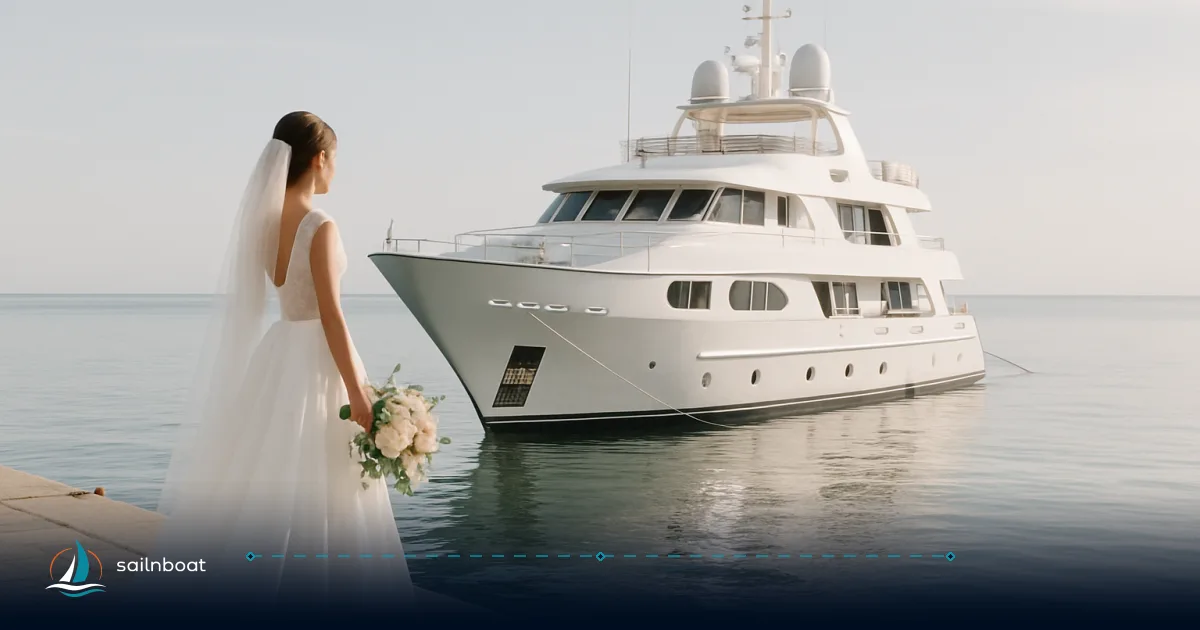
You can hold a legally valid wedding on a yacht, but whether the ceremony will be legally recognised — and how many guests you can carry — hinges on three things: the vessel’s flag and commercial status, the local civil‑registry rules where you plan to marry, and harbour/port permissions for an event of that size.
Understanding Legal Requirements for Yacht Weddings
A yacht ceremony can be either legally binding (registered with a civil authority) or symbolic; treat legal recognition as a separate task you must confirm early. Start with these three checks.
Marriage Laws and Officiants
- Flag state and local registry: Marriages are governed by civil law where the ceremony is registered. A few jurisdictions (notably Bermuda, Malta and the Bahamas) have laws that permit captains of vessels registered in that jurisdiction to solemnise marriages at sea; most do not. If you expect a captain to officiate, confirm that the ship’s registration and the captain’s authority explicitly allow it.
- Local marriage licence: In most destination weddings you must obtain a marriage licence from the local registrar (often a minimum presence rule applies — for example, the Bahamas generally requires both parties to be present in the country when applying and a short residency window before the licence is issued). Work with an experienced local marriage officer or planner who handles the registrar paperwork.
- Officiant qualifications: Unless the flag state law allows captains to officiate, you will need a locally authorised officiant (civil registrar, notary, or recognised clergy). Foreign‑ordained officiants or online ordinations are commonly not sufficient for a legal marriage unless they hold local recognition.
Practical step: confirm early whether you want a legal ceremony aboard or a symbolic ceremony with legal registration ashore; book any registrar or authorised officiant before you commit the yacht and date.
Permits and Regulations
- Vessel vs passenger laws: In some countries, carrying paying passengers changes the vessel’s regulatory status and requires inspection, a Certificate of Inspection or specific crew qualifications — for example, U.S. federal rules treat an uninspected vessel carrying more than six paying passengers differently from a private boat. Always ask the owner/operator to confirm the vessel’s commercial/passenger certification and what guest numbers are permitted under the flag and local law.
- Port/marina permission: Marinas and harbour masters often limit events, restrict where a yacht may anchor for an event, and set rules for external vendor access, amplified sound and fireworks. In many countries you must secure harbour‑master or Captain‑of‑the‑Port permission for marine events; in the U.S. certain regulated zones require marine event applications and COTP approval. Factor permit lead times into your schedule.
- Safety and public liability: If the yacht operates commercially for events it will typically carry specific public‑liability and passenger liability coverage. If the vessel is private, discuss insurance and liability implications with the owner and your insurer — missing the correct commercial status can invalidate cover or lead to enforcement action.
Decision point: if you require a legal at‑sea wedding and the jurisdiction does not allow captains to marry, plan the legal registration ashore and use the yacht for the public ceremony.
Determining Guest Capacity and Yacht Size
Choosing a yacht for a wedding is not about sleeping berths; it’s about usable event space, evacuation routes, deck strength and event permissions.
Calculating Guest Limits
- Certified event capacity vs berths: A yacht’s advertised sleeping capacity is irrelevant to event capacity. Each yacht sets event limits based on safe evacuation, deck area, seating layout and the port’s permission. Request the vessel’s certified passenger/event limit in writing early in negotiations.
- Regulatory thresholds: In the U.S, carrying more than six paying passengers typically triggers passenger‑vessel rules and inspections; in other countries similar passenger thresholds or tonnage tests apply. If you plan more than a small private party, insist the operator confirm the vessel’s inspected status or provide a Certificate of Inspection that covers events.
Choosing the Right Yacht
-
Match format to space: Ceremony only (short, standing) requires the least space; seated dinner needs stable, load‑bearing dining space and likely fewer guests; dancing requires flat, open deck area and often limits the guest count further.
-
Typical sizing guide (typical ranges used by charter specialists): these are industry patterns used to start conversations — the verified number always comes from the yacht/operator for your date and location. | Yacht type / LOA | Typical event role | Typical guest range (industry examples) | |---|---:|---:| | Small day‑yacht / 25–40 ft | Intimate ceremony, cocktail for close family | Often accommodates 2–20 guests, but always confirm with the operator. | | Motor yacht / 40–60 ft | Seated dinner (small), cocktail reception | Typically accommodates 10–30 guests, but confirm with the operator for your event. | | Large motor yacht / 60–100 ft | Seated dinner and dancing, multiple decks | Guest capacity varies widely by layout and location; confirm with the operator, but often ranges from 20–80 guests. | | Event/party yachts / 100+ ft | Full receptions, amplified music, extensive vendor staging | Purpose-built event yachts may accommodate 100 or more guests, but always verify the certified capacity and permit requirements. |
-
Trade‑off: larger yachts increase guest capacity but also require more complex vendor logistics, higher berthing fees and stricter port/permitting arrangements.
Operational check: before you sign, get the operator’s written confirmation of permitted guest numbers in your chosen location and whether that figure applies underway, at anchor, or alongside.
Coordinating Suppliers for Your Yacht Wedding
Supplier coordination is where plans fail or succeed. Treat the yacht as a unique venue with strict access and utility limits.
Identifying Key Suppliers
- Core vendors: caterer, beverage/bar, photographer, videographer, florist, celebrant/officiant, sound/AV technician, DJ or band, security and transport/tender service. Add specialist marine suppliers where needed (shore power operator, dockmaster liaison).
- Use suppliers with yacht experience where possible — they’ll understand gangway protocols, cold chain on small galleys, waste handling and crew rules. If you must use a new supplier, add a supervised site visit or hire a marine‑experienced event manager.
Logistical Challenges (and how to manage them)
- Gangway and load limits: clearly state load dimensions and maximum weights for all items carried across the gangway (e.g., orchestrate piano or stage equipment lifts via marina crane if necessary). Put load‑in/load‑out windows in vendor contracts.
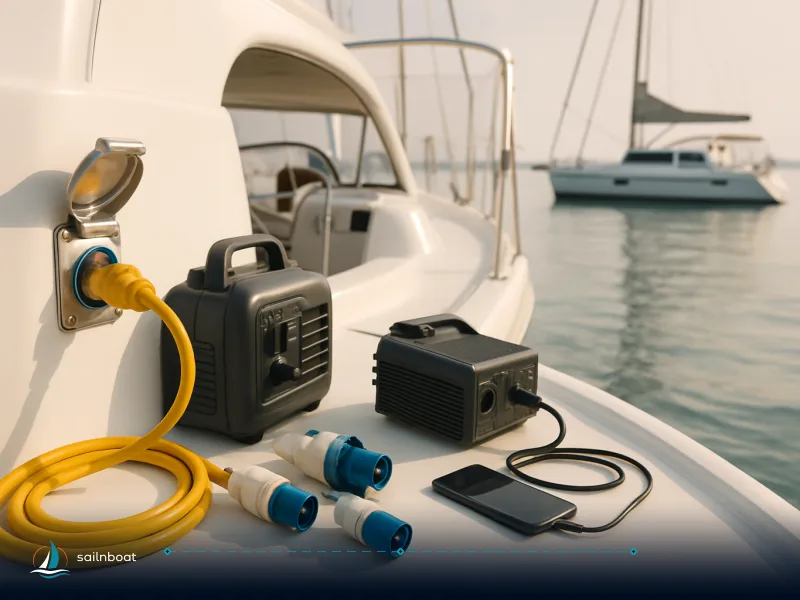
- Power and amplification: yachts have limited shore power and generator capacity — oversized sound systems or light rigs can overload systems; get the yacht’s electrical spec and have vendors confirm power draw ahead of time.
- Catering and chill space: many yachts have limited cold storage and prep area. Either use the yacht’s galley on a scaled menu or plan a shore‑based kitchen and timed load‑in of plated items and chilled service.
- Waste and sanitation: clarify waste removal plans (marina restrictions often prevent dumping food waste or packing materials). Contract a waste pickup or stage removal window.
- Access for guests with limited mobility: not all yachts or marinas provide step‑free access; plan transport and a dedicated crew member to assist boarding.
- Timing and rehearsal: schedule vendor arrival and setup in writing; allow extra time for tendering, security checks and harbour rules. Run a brief vendor walk‑through with the captain and chief steward in the 24–48 hours before the event.
Practical tool: produce a single vendor brief (PDF) the yacht will circulate that contains gangway rules, ship’s contact, arrival windows, available power circuits, refrigeration space, maximum decorations and the safety briefing schedule.
Guest Logistics and Accommodations
Transport, accommodation and the on‑board guest experience need the same detail as the wedding timeline.
Travel and Transportation
- Access routes: identify how guests will reach the yacht — on foot from a marina, by shuttle, or by tender from a nearby hotel or pier. Provide precise instructions with meeting points, timelines and contingency for late arrivals.
- Tenders and parking: if using tenders, book capacity and schedule tight transfer windows. For guests driving to a marina, provide parking instructions and recommend pre‑booked spaces where available.
- Nearby accommodation: block rooms at hotels with easy marina access and early check‑out flexibility; allocate a travel‑team contact and publish a simple travel page with maps, transfer options and dress/footwear guidance.
Onboard Experience and Safety
- Seating and comfort: plan seating maps that allow comfortable circulation — standing receptions require fewer seats but still need places for elders and people with limited mobility.
- Safety briefing and dress code: send a pre‑event note advising non‑slip shoes for the deck and short safety notes (no high heels on fragile teak, keep clear of railings during maneuvers). The captain/crew will do a short safety briefing prior to departure; list this in invitations.
- Bathrooms and capacity: confirm onboard heads are adequate or plan discreet shore‑side portable facilities when guest numbers near the yacht’s upper limits.
- Noise, late‑night and local rules: some marinas enforce strict quiet hours and sound restrictions — publish finish times and vendor limits in vendor contracts and guest info.
Risk Management and Contingency Planning
The sea adds variables. Prepare a layered contingency plan.
Weather Considerations
- Weather window: set a go/no‑go rule based on the vessel, the event format and conservative crew limits; build the weather window to cover the whole round trip and return, not just the ceremony hour. Monitor official marine forecasts and advisories in the 72‑hour lead time and have a named decision authority (captain or event lead).
- Alternate venues: secure a booked alternate on‑shore venue (hotel ballroom or covered marina space) that can be used same day if conditions rule out the yacht; include that alternate in contracts and in the event insurance policy declaration if possible.
- Shore contingency checklist: transportation to the alternate venue, rapid vendor setup plan, and an abridged timeline for the alternate ceremony/reception.
Insurance and Liability
- Event insurance: buy wedding/event insurance covering cancellation, postponement and liability. Specifically ask whether marine‑related cancellations (weather, port closures, vessel mechanical failure) are covered and declare the yacht as the venue to the insurer.
- Vessel insurance and operator responsibility: confirm the owner/operator’s commercial liability and passenger insurance; if the vessel is private and the event creates a passenger‑for‑hire exposure, discuss supplemental insurance or a change to a demise/bareboat arrangement with the owner. If the vessel’s commercial status changes to carry paying guests, it may fall under inspected‑passenger regulations — which affects crew and safety equipment requirements.
- Emergency plan: name a medical lead, have EPIRB/VHF checks in the timeline, and confirm nearest medical evacuation options with the marina/port authority.
Finalizing Your Yacht Wedding Plans
The last 30 days are execution: confirm, rehearse, and document.
Confirming Details
- Written confirmations: get written confirmations from the yacht operator for date, time, permitted guest count and what is included (fuel, crew, berthing) and from each vendor for arrival windows and load plans.
- Production schedule: build a minute‑by‑minute timeline that includes vendor load‑in, captain/crew safety brief, ceremony start, meal service windows, photographer shot list and last tender times for guest shore transport.
- Checklists for the captain and chief steward: provide a printed plan including guest manifest, vendor contacts, emergency contacts, and permits/authorisations on board.
Communication with Guests
- Invitations and practical info: send an info pack with precise marina directions, dress code (non‑slip footwear guidance), boarding times, mobility notes and contact numbers for the transport lead.
- Day‑of communications: use one event WhatsApp group or a single phone tree number for late changes; ensure guests know where to wait if transfers are delayed.
- Post‑event legal paperwork: if you had a legal ceremony abroad, tell the couple how they'll receive the official certificate and any apostille steps (this is commonly handled by the local marriage officer or planner).
Start your planning by confirming two items in writing: (1) the yacht operator’s permitted event guest count for your intended location and format, and (2) whether the ceremony onboard will be legally registered or symbolic — these two answers determine every other decision you must make.
Frequently Asked Questions
Legal requirements depend on where the ceremony is registered: many countries require a local marriage licence and an authorised officiant; a few jurisdictions (for example Bermuda, Malta and the Bahamas) allow captains of vessels registered there to solemnise marriages at sea, but this is the exception rather than the rule — confirm the flag state's law and the local registrar early.
Start with the event format (ceremony, seated dinner, cocktail reception) and compare it to the yacht's certified event capacity — not its overnight berth count. Small yachts suit 2–30 guests for seated dinners; larger event yachts and megayachts are used for 50–300+ guests — exact numbers depend on deck plan, location (underway or alongside) and port permissions. Use specialist charter operators to confirm verified capacities.
Suppliers need specific logistics: timed marina access, gangway clearance and load limits, storage/cold chain, power and noise constraints, and crew liaison for safety briefings. Put all of that into written vendor briefs and run a dry‑load rehearsal where practical.
Build a weather window that covers the full round trip plus margin, monitor official marine forecasts in the 72‑hour lead time, identify a covered on‑board fallback and an on‑shore alternate venue, and buy event insurance that includes marine cancellation or rescheduling cover.
Check (1) the vessel's passenger/commercial status with the owner or flag state, (2) port/marina rules and harbour‑master permission for events, and (3) any marine event or safety zone permissions required by the local authority (in the US, the Captain of the Port may require marine event applications or authorized access). Submit permit applications well ahead of time.
Written by
Sailnboat Editorial
The Sailnboat editorial desk covers yacht and boat chartering worldwide — routes, bases, seasons, boat types, paperwork and the practical costs that decide a trip. We are a charter marketplace, not a boat owner or a local agency: what we sell is judgement and support, so our guides are written to help you make a decision, not to sell you a specific boat. Every guide is checked against live operator and marina data before it goes out.
Fact-checked against live operator and marina data, and published under our editorial standards. Last reviewed: .