Charter with Pets: Your Guide to Pet-Friendly Yacht Experiences
Practical steps to charter with pets: how to find pet-friendly yachts, the documents your animal needs, safety gear to bring, and how to avoid surprise fees.

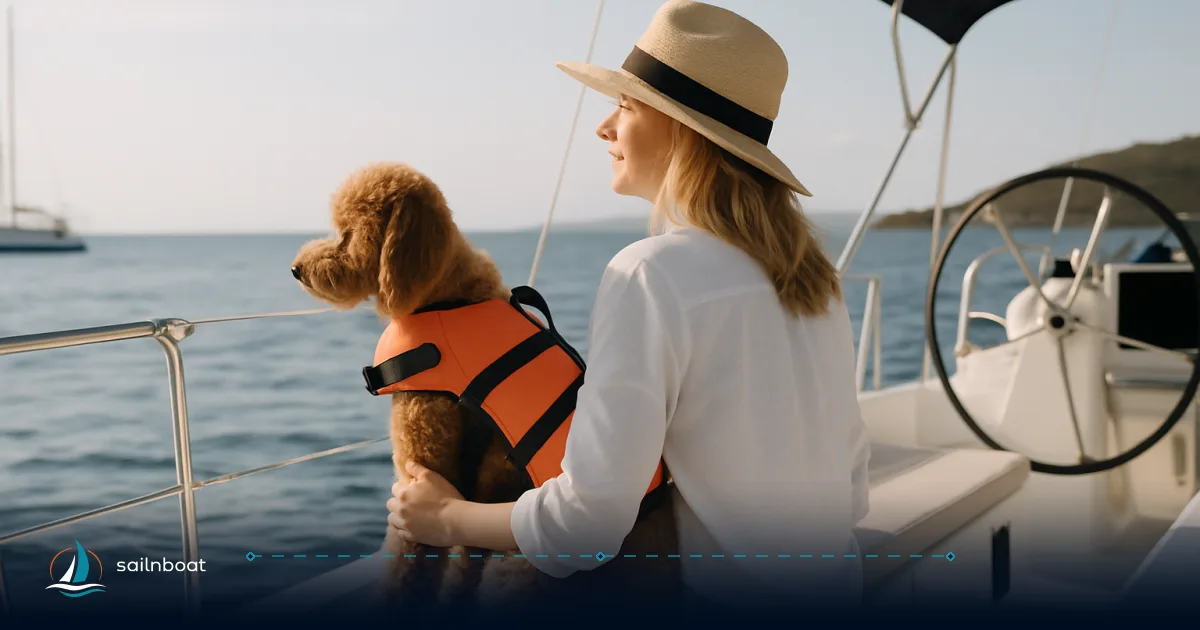
Charter with Pets: Practical Steps for Bringing Animals Onboard
If you want to charter with pets, you need more than goodwill and a leash. Most yacht owners require explicit, written approval, up-to-date health documentation, and a clear agreement on deposits and cleaning fees. Each step protects your animal, your crew, and the owner's asset. The process is practical, but the details matter—especially across borders and in high-demand seasons.
Choosing a Pet-Friendly Yacht
You can only bring a pet if the yacht owner or operator gives formal permission. Many listings do not highlight their pet policy, so ask early and insist on a written clause in the charter agreement. Rely on the owner’s approval—if a broker or platform says “pet-friendly” but the owner disagrees, the owner’s word governs.
Confirming Pet Policies
At both inquiry and booking, ask directly:
- Is the yacht pet-friendly for these dates and this vessel?
- Are there breed, weight, or number restrictions? (Large or multiple animals are frequently refused.)
- Which areas are off-limits (salon, cabins, upholstery)? Will crew enforce these rules?
- Are there surcharges: per-pet, per-night, or one-off cleaning fees? Is a higher refundable deposit required?
- Will any pet kit (non-slip mat, ramp, crate) be supplied, or must you bring everything?
Get all answers in writing (email or platform message). If there’s a mismatch between platform info and owner policy, escalate early—don’t risk a last-minute ban.
Finding Reputable Charter Companies
Established platforms that show yacht specifications and allow direct contact with the owner or manager are your best bet. Look for:
- Listings with a clear “pet-friendly” policy paragraph.
- Photos that show practical modifications (hard decks, removable carpets, designated pet areas).
- Reviews mentioning pets or how crew handled animals.
If the platform doesn’t display a pet policy, ask the broker to confirm it in writing and add a rider to your contract. Early booking is key—most yachts do not accept pets, and options shrink as departure approaches.
Breed-Specific Restrictions
Some countries and regions have restrictions or outright bans on certain breeds (especially in the UK and some Caribbean islands). For example, the UK bans several breeds including pit bull types and Japanese Tosas. In the Caribbean, some islands (e.g., St. Kitts & Nevis, Antigua) also have breed restrictions. If you travel with a breed that is commonly restricted, confirm the rules for every port of call and any transit country—these rules are enforced at customs and can result in quarantine or refusal of entry.
Preparing Your Pet for the Charter
Advance planning ensures safety for your animal and protects you from damage claims. Preparation falls into two areas: documentation and acclimatisation.
Necessary Documentation
What you need depends on your route and whether you cross borders. For most of the EU, a valid EU pet passport (with ISO-standard microchip and rabies vaccination) is standard. For the US and many other destinations, you’ll need a vet-issued health certificate and sometimes government endorsement. Requirements change by country and can depend on where the pet has been in the previous six months, so always check with the destination authority or your charter consultant.
Regulatory Comparison Table
| Region | Microchip Required | Rabies Vaccine | Waiting Period | Pet Passport/Health Cert | Breed Restrictions | Notes |
|---|---|---|---|---|---|---|
| EU | Yes (ISO 11784/85) | Yes | 21 days after first rabies shot | EU pet passport or health certificate | Some countries restrict certain breeds | Passport covers ID and vaccinations |
| US | Yes | Yes | Varies (commonly 30 days for rabies after vaccination) | USDA/APHIS health certificate | Restrictions for dogs from some countries | Import rules subject to CDC/USDA |
| Caribbean | Yes (varies) | Yes | Often 30 days or more | Country-specific health certificate, import permit | Breed bans in some islands | Advance notice and permits often needed |
| UK | Yes | Yes | 21 days after rabies vaccination | UK pet travel scheme (PETS) or health certificate | UK bans certain breeds | Tapeworm treatment for dogs required |
| Australia | Yes | Yes | 180 days after rabies blood test | Australian import permit, health certificate | Strict, long quarantine | Complex, limited approvals for pets |
Always confirm the latest requirements for each country on your itinerary, especially if crossing borders. Entry rules can change with little notice.
Practical Document Checklist
- Readable microchip (ISO 11784/11785; bring a scanner if not standard).
- Up-to-date rabies certificate (in the EU, at least 21 days after primary vaccination).
- If crossing borders: animal health certificate or pet passport, plus any required government endorsements.
- Digital and paper copies of all records, plus your vet’s contact number.
Keep originals with you and copies accessible to the skipper and at least one other crew member.
Acclimating Your Pet
Ease your animal into boat life:
- Dock trials: Let the pet explore the yacht while moored, supervised, and in the areas where they’ll sleep or toilet.
- Short day trips: Build up to several hours on the water. Watch for motion sickness (drooling, lip-licking, vomiting) and consult your vet about anti-nausea medications. Maropitant (Cerenia) is a commonly prescribed, vet-approved option for dogs—discuss with your vet before departure.
- Train commands: Recall, ‘place’/bed, ‘stay’, and calm boarding routines.
- Practice with steps, ramps, or gangways—especially if your pet is unused to these.
Pack bedding and a crate or carrier your pet already accepts; familiar smells help reduce anxiety and make the crew’s job easier.
Sample Pet Kit Packing List
| Item | Purpose | Notes |
|---|---|---|
| Fitted life jacket | Flotation and safety | Test fit before trip |
| Non-slip mat | Deck traction | Prefer washable, rubber-backed mats |
| Portable crate/carrier | Secure rest and sleep area | Familiarize pet ahead of time |
| Waste bags + container | Onboard and shore toilet management | Bring extra for longer trips |
| Pet food & treats | Diet continuity | Enough for full charter, plus extra |
| Water/food bowls | Hydration, feeding | Non-tip and easy-clean preferred |
| Pet first-aid kit | Emergency care | Include motion sickness meds if needed |
| Towel/blanket | Comfort and drying | Use item with pet’s scent |
| Leash/harness | Safe movement on deck and ashore | Short, strong leash for deck use |
| Grooming tools | Cleanliness and matting prevention | Especially for long-haired breeds |
| Recent pet photo | For ID in case of loss | Store digital and paper copies |
Managing Additional Costs
Bringing a pet almost always increases the total charter price. Expect three main fee types, which can vary substantially by region, yacht size, and owner policy.
Common Additional Fees
Actual fee amounts for pets are not standardized and vary widely by region and operator. In the Mediterranean, as of 2023, many charter companies report:
- Refundable pet damage deposit: Often a higher deposit is held at check-in for pet charters, sometimes several hundred euros, but exact amounts vary and can be set by the owner depending on vessel size and refit status.
- Deep-cleaning fee: Many operators charge a one-off cleaning fee for pet charters. Recent listings for 40–50 foot yachts in the Med show cleaning fees in the €100–€300 range, but some luxury or crewed yachts may set higher charges. Always confirm the fee and what it covers.
- Per-pet or per-night surcharge: Some operators add a per-pet, per-night surcharge or a flat supplement for the charter. Ranges vary widely; you may see €10–€30 per night or €50–€200 per charter for a single pet, but this is not universal.
| Fee Type | Typical Form | Example Range (as of 2023, varies by region/yacht) |
|---|---|---|
| Refundable pet damage deposit | Held on card at check-in; refunded if no damage | Varies widely; often several hundred euros |
| Deep-cleaning fee | One-off, non-refundable post-charter charge | €100–€300+ (higher on luxury/crewed yachts) |
| Per-pet/per-night surcharge | Flat or nightly rate | €10–€30/night or €50–€200/charter (not universal) |
Get all fees in writing, and clarify what’s refundable and the timeline for deposit return after checkout.
Budgeting for Your Pet
Beyond operator fees, factor in:
- Pet travel gear: life jacket, non-slip mat, crate, waste bags.
- Extra provisioning: pet food, treats, medication (bring enough for the trip—local options may differ).
- Vet contingency: know the nearest vet at your first port and budget for emergency care.
- Dinghy transfer: if extra crew help is needed for pet shore transfers, check if this incurs a charge.
A line item for pet fees in your contract prevents disputes at checkout.
Onboard Safety and Comfort for Pets
A safe, comfortable pet is less likely to cause damage or require emergency care. Flotation, secure zones, routine, and toilet management all matter.
Safety Measures
- Life jacket: Fit is critical. Choose one with buoyancy, a grab handle for lifting, and secure fastenings. Test it before departure.
- Prevent falls: Use a harness and short leash on deck in rough conditions. Designate a low-traffic rest zone (crate or bed), especially underway or at night.
- Even strong swimmers should wear a life jacket near the rail or in chop—fatigue or entanglement can occur quickly.
- At handover, brief the crew on where pet documents, gear, meds, and food are kept. Decide who is responsible if you go ashore and leave the pet aboard.
Comfort Considerations
- Keep feeding and exercise routines as normal as possible.
- Bring non-slip bedding and at least one blanket or towel with your pet’s scent.
- Provide shade and fresh water at all times—dehydration and sunburn are real risks, especially for light-coated or short-muzzled breeds.
- If your pet has shown motion sickness, discuss prevention with your vet. Vets commonly recommend antiemetic drugs such as maropitant (Cerenia) for dogs, but always confirm suitability.
Pet Toilet Solutions Onboard
Toilet logistics are a major practical concern when you charter with pets. Most owners expect you to prevent accidents and clean thoroughly:
- Small dogs/cats: Many crews recommend training your animal to use a puppy pad or artificial grass mat on deck. Secure the mat to a spot near the transom or cockpit, away from lines and traffic.
- Cleaning: Bring enzymatic cleaners and waste bags. Remove soiled pads promptly and rinse any artificial grass with fresh water.
- Longer passages: If your pet cannot reliably use a pad or mat, plan for more frequent shore stops. Cats may adapt to a litter box (choose a covered, non-tip design).
- Crewed yachts: Always ask where toilet areas are permitted and who is responsible for cleaning. Some crews will help; others expect you to handle everything.
Failing to manage pet waste can result in additional cleaning fees or disputes at checkout.
Navigating Regulations for Traveling with Pets
Rules differ by country and can change quickly. For international charters, you must meet the regulations of every country where your pet will disembark.
Country-Specific Regulations
- EU: Pet passport with ISO microchip and rabies vaccination (21-day wait after primary shot). Some countries require additional parasite treatments or have breed bans.
- US: CDC and USDA/APHIS set rules. Dogs require health certificates and sometimes pre-arrival clearance. Import from certain countries may face extra restrictions.
- Caribbean: Each island sets its own pet import policy, often requiring advance notice, import permits, and sometimes breed bans.
- UK: Pet travel scheme requires microchip, rabies vaccination (21-day wait), and tapeworm treatment for dogs. Certain breeds are banned.
- Australia: Strictest regime; requires import permits, lengthy rabies antibody testing (180 days), and quarantine on arrival.
Always check the current entry requirements for each country before booking.
Local Laws and Waste Disposal
Leash laws, beach access, and waste disposal rules vary. Carry waste bags and a portable, sealed container for proper disposal. Some marinas and parks fine for non-compliance. Ask at the marina office for local rules and disposal points.
Notable Pet-Friendly Marinas
Some marinas in the Mediterranean and Caribbean are known for being more pet-friendly, with designated walking areas or pet waste bins. In Croatia, ACI Marinas typically allow leashed pets ashore, but always check with the office. In the Balearics, some marinas restrict dogs on pontoons. In the US, larger marinas often provide dog-walking zones, but leash and waste rules are enforced.
Ensuring Your Pet's Needs During Shore Visits
Shore time is often your pet’s highlight, but planning is essential to avoid issues for the yacht or local community.
Planning Shore Visits
- Pre-identify pet-friendly beaches, parks, and marinas. Many towns publish lists of permitted areas and restricted hours.
- Ensure access to freshwater and shade at landing spots; pack a collapsible bowl and portable shade cloth or umbrella.
- Bring a towel to dry off and a spare leash/harness in case of saltwater exposure or breakage.
- If you plan to visit restaurants or attractions, check pet policies in advance—many restrict animals in dining areas or on certain trails.
Waste Management
Carry waste bags and a sealed container for disposal. Some destinations require you to bring waste back to the yacht or use marina bins. Leaving waste behind can result in fines and damages relationships with marinas and local businesses.
Insurance and Waivers
Is Pet Insurance Required or Recommended?
Pet insurance is not usually required by charter operators, but it is strongly recommended—especially for international charters. Medical care for animals can be expensive and limited in some ports. Consider:
- Travel insurance that includes veterinary care, lost pet recovery, and third-party liability for damage or injury caused by your pet.
- Some operators may require proof of liability coverage for pets, especially on larger yachts or in certain regions.
Sample Pet Waiver Clause for Charter Agreements
When negotiating your contract, ask for a clear clause such as:
“The Charterer is permitted to bring one (1) domestic pet (dog/cat) aboard, subject to the following: all required health and entry documents are provided; the pet remains under control at all times; designated areas are respected; a refundable damage deposit of €X and a non-refundable cleaning fee of €Y apply. The Charterer is solely responsible for any damage, injury, or additional cleaning required due to the pet. The Owner and Crew reserve the right to restrict access to certain areas for safety and hygiene.”
Adjust the numbers and specifics to match your agreement.
Troubleshooting: Common Pet Issues During Charters
What if My Pet Gets Seasick?
- Early signs: drooling, lip-licking, vomiting, restlessness.
- Solution: Try short, calm day trips before the main charter. Discuss anti-nausea meds with your vet—maropitant (Cerenia) is widely used for dogs.
- Keep plenty of water available and avoid feeding right before departure.
What if My Pet is Lost Ashore or Overboard?
- Carry a recent photo and keep your pet’s microchip registration up to date.
- Attach a tag with your mobile number and yacht name.
- Alert the marina office and local authorities immediately—many ports have procedures for lost animals.
What if My Pet is Denied Entry at a Port?
- Have copies of all documents ready for inspection.
- If denied, the pet may be quarantined or refused landing. This can mean the animal must remain onboard or, in some cases, be returned to the departure country at your expense.
- Always check requirements before arrival to avoid this situation.
What if My Pet is Injured or Falls Ill?
- Know the location and contact details of the nearest 24/7 vet at each port.
- Carry a basic pet first-aid kit and any prescription medications.
- For emergencies, notify the crew and contact the vet immediately.
What if There is an Owner-Pet Dispute Over Damage or Cleaning?
- Insist on a photo inventory at check-in and check-out.
- Get the fee schedule for any cleaning or damage in writing before the charter.
- If a dispute arises, refer to the written agreement and platform support.
Weather and Seasonal Considerations for Pets
- Heat: Decks can get extremely hot in summer. Provide shaded rest, avoid midday sun, and check paw pads for burns.
- Cold: Short-haired and small breeds may need a jacket for early/late season charters.
- Storms: Secure your pet below deck during rough weather. Bring familiar bedding and comfort items.
- Noise: Some pets are sensitive to engine noise or thunder. Prepare a quiet retreat on board.
Practical Checklists
Pre-booking Checklist
- Written owner/broker confirmation of pet acceptance and any restrictions.
- Exact fee schedule for pet-related charges in the charter agreement.
- Vet visit for health certificate, microchip verification, and motion-sickness advice.
- Digital and paper copies of all pet documents, shared with the skipper.
Handover Checklist (Embarkation Day)
- Provide skipper with originals and copies of documents and a local emergency vet contact.
- Show pet kit: life jacket, food, meds, leash, bed/crate, waste bags.
- Walk the vessel with the crew to identify off-limit areas and the designated pet rest space.
- Agree on how deposit and cleaning fees will be handled at checkout.
Emergency Plan
- Identify the nearest 24/7 vet at your first port of call.
- Keep a pet first-aid kit, recent pet photos, and vaccination records accessible.
Final Trade-Offs and Tips
Chartering with a pet expands your travel options but restricts the pool of available yachts and adds costs, paperwork, and logistical complexity. If the owner is hesitant:
- Offer a higher refundable deposit.
- Book larger yachts with hard floors or easy-clean interiors.
- Agree to restrict the pet from sensitive upholstery or soft furnishings.
If your pet is elderly, brachycephalic (short-muzzled), anxious, or has health issues, think carefully—some animals will not thrive at sea and emergency vet access can be limited. Put your animal’s welfare above the itinerary.
Open the pet conversation early in the booking process and document every agreement. With clear documentation, the right kit, and sensible boundaries, chartering with pets is practical and rewarding.
Frequently Asked Questions
Search listings for 'pet-friendly' tags, read yacht specifications and reviews, and ask the broker or owner directly; not all platforms list pets clearly so confirm in writing before paying.
Commonly required: a readable microchip, up-to-date rabies vaccination record, and for international travel either an EU pet passport or an export/import health certificate per the destination authority.
Expect a refundable damage deposit, a non-refundable cleaning fee and sometimes a per-pet or per-night surcharge; amounts vary by operator and region.
Bring a properly sized life jacket with a grab handle, set up a secure rest area, maintain feeding/exercise routines, and acclimatise with short trips before the charter.
Yes — rules differ: the EU uses pet passports plus microchip/rabies requirements, and the U.S. has CDC/USDA import rules; check the rules for every country where your pet will disembark.
Start with short dockside visits, practice boarding and stepping into a dinghy, trial a short day trip, and train recall and 'place' commands for stability on deck.
Identify pet‑friendly beaches/parks ahead of time, carry waste bags and a small scooper, carry fresh water and shade, and obey local leash and waste laws.
Written by
Sailnboat Editorial
The Sailnboat editorial desk covers yacht and boat chartering worldwide — routes, bases, seasons, boat types, paperwork and the practical costs that decide a trip. We are a charter marketplace, not a boat owner or a local agency: what we sell is judgement and support, so our guides are written to help you make a decision, not to sell you a specific boat. Every guide is checked against live operator and marina data before it goes out.
Fact-checked against live operator and marina data, and published under our editorial standards. Last reviewed: .