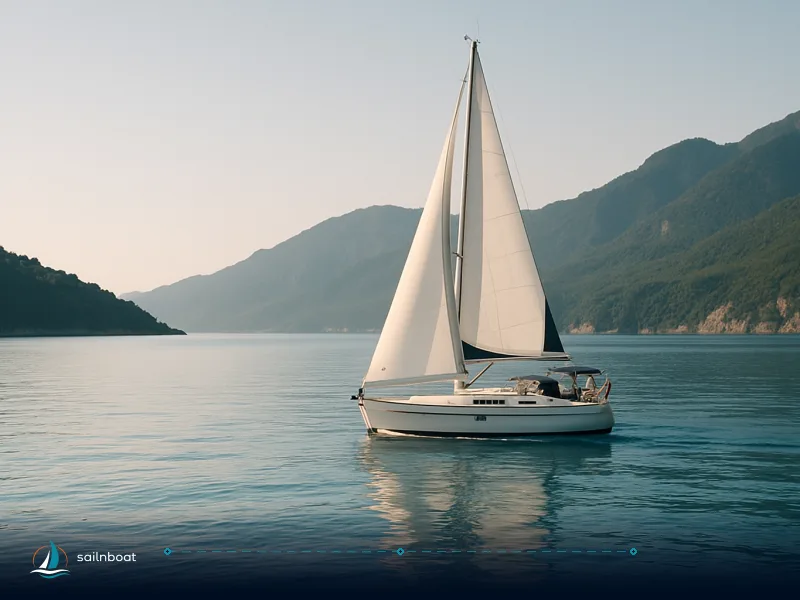
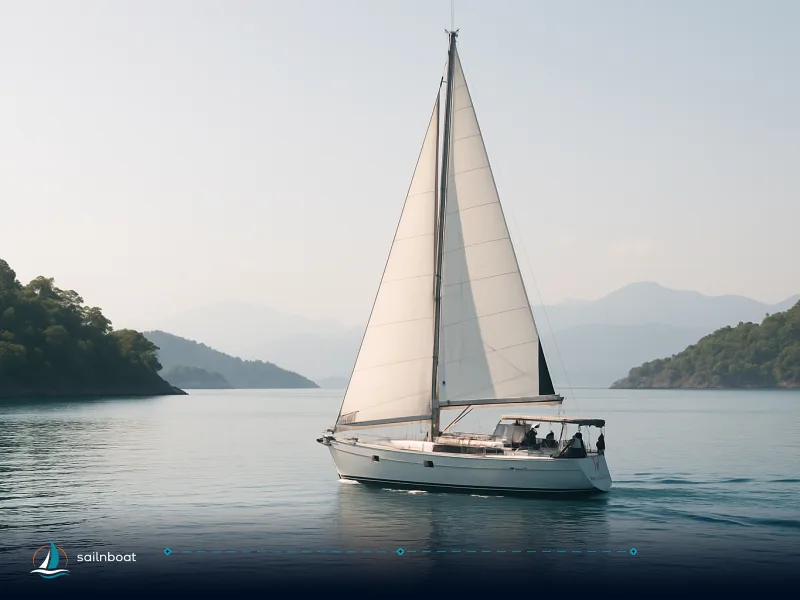
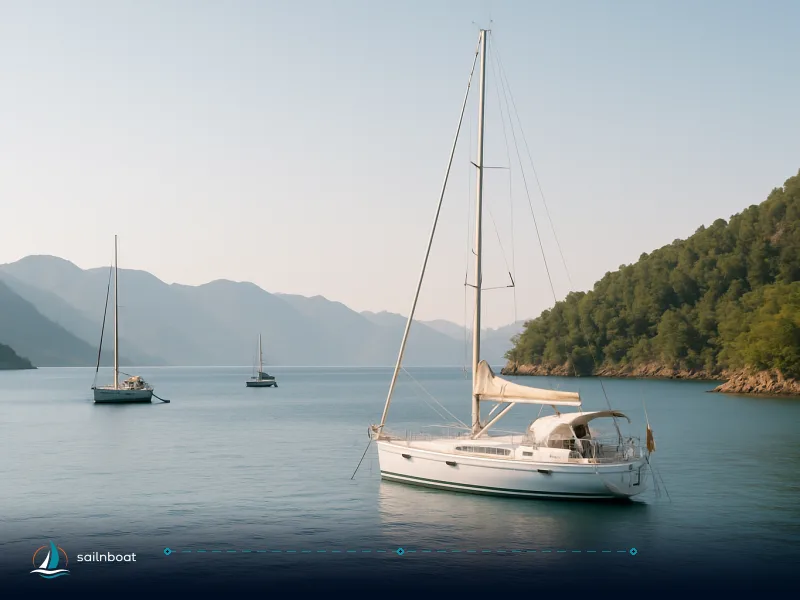
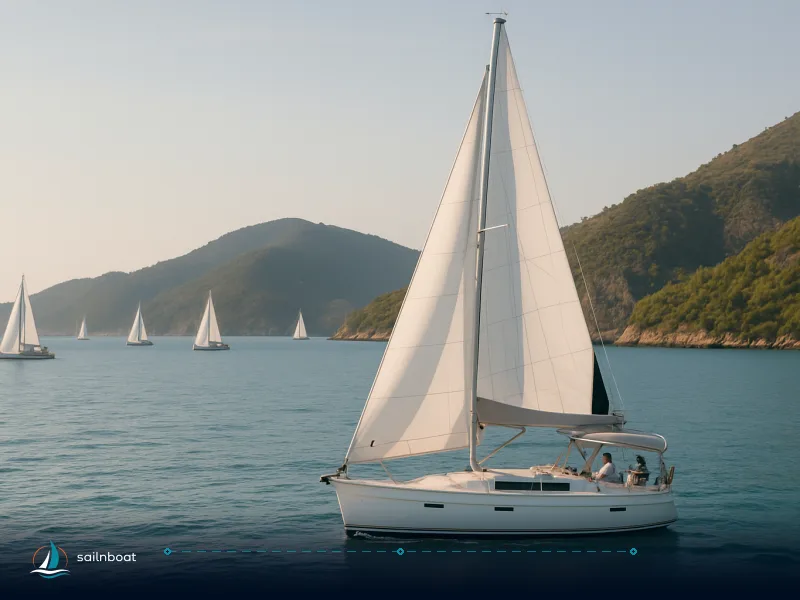
Top 5 Secluded Sailing Destinations in Turkey's Gulf of Gökova
A concise, skipper-focused guide to the Gulf of Gökova sailing destinations that give you quiet anchorages, archeology and clear water—routes from Bodrum, mooring options and realistic cost ranges.

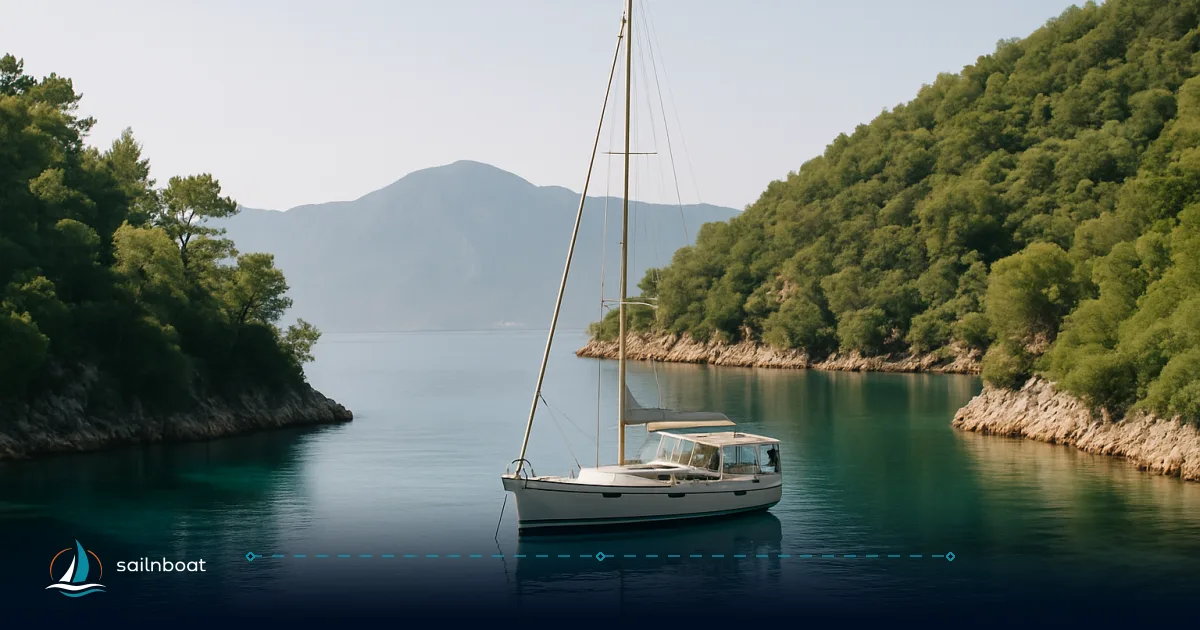
The quickest way to get into quiet anchorages is to head east from Bodrum and use the Gulf of Gökova’s natural protection: Orak for the first night, then through the Seven Islands toward English Harbour, Longoz and finish at Sedir (Cleopatra Island). These gulf of gökova sailing destinations give you sheltered water, protected coves and archaeological shoreline to explore while keeping most of the crowds at the main marinas. Below are the practical details you need for each spot — location, navigation legs from Bodrum, mooring options and realistic cost and timing expectations.
Overview of the Gulf of Gökova
The Gulf of Gökova (often called Gökova or the Gökova Gulf) is a long, narrow Aegean inlet between the Bodrum and Datça peninsulas that stretches roughly 100 km from mouth to head and contains dozens of sheltered anchorages and small islands. It’s a natural cruising ground: pine-clad slopes fall to the water, the bays are deep and protected, and several zones are managed for conservation.
Geographical Features
- Shape and scale: a long, narrow gulf with many side bays and islets; the entrance sits to the south-west of Bodrum and narrows as you go east. The most frequented island anchorages sit on the gulf’s northern flank and at its mouth.
- Key islands/bays: the common sailing circuit includes Orak Island, the Seven Islands (Yedi Adalar), English Harbour (İngiliz Limanı / Değirmen Bükü), Longoz (Longöz / Löngöz) and Sedir (Cleopatra) Island; each offers distinct anchoring character and protection.
Cultural Importance
- Ancient sites: the gulf sits within classical Caria; Sedir is the island of ancient Kedrai and contains an amphitheatre and ruins. The coastline contains scattered Hellenistic and Roman remains used to punctuate itineraries.
- Local customs: the area runs on seasonal tourism. Many shore restaurants operate only in summer and offer mooring lines in exchange for a meal; environmental protection measures (protected sand on Sedir, national park rules, and no-fishing zones in places) are in effect and increasingly enforced.
Quick-route table: practical distances and overview
Below is a compact comparison you can use while planning. Distances are approximate sailing legs from Bodrum using common charter routes; actual mileage depends on your exact marina exit and chosen course.
| Destination | Typical leg(s) from Bodrum (NM) | Typical anchor depth (m) | Mooring options | Typical seasonal fee (TRY / approx. EUR) | Best months |
|---|---|---|---|---|---|
| Orak Island | 6–12 NM (first night from Bodrum). | 4–8 m (sand) — good holding. | Swing anchor; quiet shore; no facilities. | Free to anchor; no facilities. | May–June, Sept–Oct. |
| Seven Islands (Yedi Adalar) | 12–20 NM from Orak / interior cluster. | 4–8 m (sand/mud). | Anchor; restaurant buoys in some coves (seasonal). | Buoy/restaurant lines often ₺100–₺200 (a few € at current rates). | May–Oct (shoulder months quieter). |
| English Harbour (İngiliz Limanı) | ~14–18 NM along the Gökova circuit; commonly reached mid-trip. | 6–12 m (sand/mud); very sheltered. | Swing anchor; small jetties/shore lines where present. | Mostly free to anchor; restaurants may offer lines (small fee or tied to dining). | |
| Longoz Bay (Longöz / Löngöz) | Short hop inside Gökova once east of English Harbour; usually part of the same day. | Sheltered, shallow approaches; good sand holding in anchor pockets. | Anchor; quiet shore; no marina. | Free anchoring typical; no formal facilities. | |
| Sedir Island (Cleopatra) | Often the eastern objective after English Harbour/Longoz — typical leg 6–12 NM from nearby anchorages; overall route distance from Bodrum depends on stops. | 6–12 m in main coves; sand bottom with excellent holding. | Anchor in the bay; if going ashore pay island entry ticket (managed as archaeological site). | Island entry for foreigners is currently €13 (about ₺450); boat anchoring itself is free. |
Notes on fees and conversions: many local mooring or buoy charges are collected in Turkish lira and set by seasonal operators (restaurant buoys or island desks). Typical buoy/restaurant fees reported in guides and anchorage databases fall in the range ₺100–₺200 — that converts to only a few euros at recent exchange rates (1 TRY ≈ €0.018 in early October 2026). Use the local price board at your first stop to confirm current figures.
1. Sedir Island
Highlights of Sedir Island
- Sedir (Cleopatra) is the gulf’s most famous historic stop: the island contains the ancient city of Kedrai with an intact theatre and substantial ruins. The beach is protected and famed for its unique ooid sand. The site is an official archaeological area with museum oversight; the visitor desk publishes opening hours (typically 09:00–17:30).
- What you’ll find: clear swimming, a wooden boardwalk to the beach, and chance to walk among ruins; beach operations (gates/entry) are staffed and time-limited in season.
Mooring Information
- Anchoring: the two main coves offer sand depths of about 6–12 m with excellent holding; set a deep scope (7:1 is commonly recommended in deeper Mediterranean anchorages) and check your swing room. Anchoring is free.
- Shore access: if you intend to go ashore there is an archaeological site entry fee; as of late 2026, the entry fee for foreigners is €13 (about ₺450) per person. Plan to pay the fee at the ticket desk or buy through your tour provider if included.
Best Visiting Times
- Shoulder months (May–June, Sept–Oct) give warm water and far fewer day-boat crowds; island gates and beach staff operate in season with earlier closing times in shoulder periods. Expect full summer crowds in July–August.
2. Longoz Bay
Natural Features
- Longoz (Longöz / Löngöz) is a compact, pine-backed bay inside the eastern reaches of Gökova and is prized for quiet water, tree shade to the shoreline and shallow, protected anchor pockets ideal for evening swims. It’s one of the quieter choice anchorages if you want solitude but still easy access to Sedir and English Harbour.
Mooring Information
- Options: most boats swing on anchor; there is no marina and little infrastructure ashore. If a seasonal restaurant or local operator offers a shore line it’s typically seasonal and tied to dining. Expect no shore power or fuel.
Best Visiting Times
- Shoulder season and early summer (May–June; September) are quieter and avoid the heaviest day-boat traffic. The bay shelters from northwest meltemi well but is exposed to easterly winds; check forecast before committing overnight.
3. English Harbour (İngiliz Limanı / Değirmen Bükü)
Historical Significance
- Known locally as İngiliz Limanı (English Harbour) from wartime use and sheltering ships, this narrow, pine-fringed inlet sits like a fjord within the gulf and has local folklore and small wartime-era relics along the shoreline. It’s a classic overnight anchorage because of its protection and quiet walking options ashore.
Mooring Information
- Anchor or take a stern line to seasonal shore moorings; shore facilities are minimal (forest to water, maybe a seasonal small restaurant). Mooring buoys and restaurant lines are sometimes available but operated only in season; fees tend to be small or discretionary with dining.
Best Visiting Times
- Late spring and early autumn avoid the worst of day-boat churn and offer cooler evenings for shore walks. English Harbour’s fjord-like geometry keeps nights flat even with a moderate meltemi aloft.
4. Seven Islands (Yedi Adalar)
Unique Features
- Yedi Adalar is a cluster of small, pine-clad islets with multiple quiet anchorages (Küfre Koyu, Uzun Liman, Babuş Bükü among them). It’s an archipelago-style anchorage: jump between coves, snorkel between rocks and use the single seasonal floating-restaurant as a convivial meeting point. The area sits inside a protected zone which helps keep development low.
Mooring Information
- Floating restaurant buoys are common in Küfre Koyu and nearby pockets — anchors are free but if you want the convenience of a stern line you’ll likely pay a modest seasonal fee (operators commonly quote ₺100–₺200). There is no fresh water or fuel; provision in Marmaris or larger ports before heading into the islands.
Best Visiting Times
- The islands are pleasant throughout May–October; July–August sees most boats but these coves are numerous and you can usually find solitude at dusk and overnight. The sites are especially calm after day-boat fleets depart late afternoon.
5. Orak Island
Attractions of Orak Island
- Orak is a close, convenient first stop from Bodrum and a popular day-anchorage and first-night destination on blue-cruise routes. It offers sand-bottom turquoise pools, snorkelling and dramatic underwater topography for divers. The island is uninhabited, so come provisioned.
Mooring Information
- The main bay holds 4–8 m on sand; anchoring is free and reliable. There are no shore services — no fuel, no water — so treat it as a swim-and-snorkel stop rather than a resupply point. Expect day-boat traffic in high season but relative quiet after 17:00.
Best Visiting Times
- Orak is a practical early-season stop; mornings will be calm, afternoons see a developing sea-breeze but the island’s topography keeps the cove sheltered. May–June and September are ideal for lower crowds.
Navigation tips and an example route from Bodrum
- Prevailing conditions: the Aegean meltemi (northwesterly summer wind) fills in reliably from mid-May through mid-September, strongest in July–August; inside the gulf the winds are softened but still plan for afternoon pressure increases and stronger exposed legs. Shoulder months give calmer afternoons and fewer boats.
Example 5-day mini-loop (practical for a 40–45 ft monohull or small cat):
- Day 1 — Bodrum → Orak Island: ~6–12 NM depending on marina exit; good first-night anchorage with short transit.
- Day 2 — Orak → Seven Islands (Küfre/Uzun Liman cluster): 8–15 NM; navigation requires careful charting between islets.
- Day 3 — Seven Islands → English Harbour / Longoz: short hop inside the gulf; shelter for a day exploring shore.
- Day 4 — English Harbour → Sedir Island: ~6–12 NM depending on exact start; plan arrival before mid-afternoon if you intend to go ashore.
- Day 5 — Sedir → return toward Bodrum or on to Marmaris depending on schedule — distances variable.
Always use current marine charts and local notices to mariners: charted depths, shoals and seasonal buoy positions change and cutting between islets without current chart confirmation is a common hazard. For every anchorage, note shelter vector: many coves are well-protected from NW but exposed to E/SE; pick the bay that suits forecast wind direction.
Practical checklist before you go
- Charts & pilot: carry up-to-date Turkish charts (paper or ECDIS) covering chart 311 and the Gökova approaches; mark protected zones and restaurant buoys.
- Provisioning & fuel: top up in Bodrum or Marmaris — many anchorages have no services.
- Payments: carry small denominations of TRY for buoy fees, island tickets and seasonal restaurant charges; Euros are sometimes accepted but expect to pay in lira. Recent guide reports list buoy/restaurant fees in the ₺100–₺200 band. Convert with the latest rate — 1 TRY ≈ €0.018 (early October 2026 reference) — so those buoys are typically only a few euros.
- Environment: Sedir’s sand is legally protected; take nothing from the beach and follow no-discharge rules inside protected zones.
Plan your sailing trip to the Gulf of Gökova today — pick a shoulder-week, book your preferred boat early for July/August, and route the first night to Orak so you can properly time the interior crossings with morning calm and afternoon breeze.
Frequently Asked Questions
Sedir Island (Cleopatra Beach), Longoz Bay (Löngöz/Longöz Koyu), English Harbour (İngiliz Limanı / Değirmen Bükü), the Seven Islands (Yedi Adalar) cluster, and Orak Island — all offer sheltered anchorages, sparse shore development and easy swimming/snorkelling.
A practical route is Bodrum → Orak (first stop, ~6–12 NM) → Seven Islands (next cluster) → English Harbour/Longoz → Sedir; leg distances vary by chosen route but are commonly 6–20 NM per hop on standard 3–5 day itineraries.
Sedir Island contains the ancient city of Kedrai and its theatre; the whole gulf sits within a landscape with Carian and Hellenistic ruins visible ashore; English Harbour has wartime and local maritime history while small ruins appear at coves across the Seven Islands.
Mooring options are typically: swing anchor (free), restaurant/shore buoys (seasonal) or limited jetties; seasonal buoy or restaurant fees are commonly charged in Turkish lira (often in the range of ₺100–₺200 for a buoy/restaurant tie) — roughly a few euros at current exchange rates.
Shoulder months (May–June and September–October) balance warm water, lighter crowds and kinder afternoon meltemi winds; July–August is reliably breezy and busier but still entirely sail-able with an experienced crew.
Written by
Sailnboat Editorial
The Sailnboat editorial desk covers yacht and boat chartering worldwide — routes, bases, seasons, boat types, paperwork and the practical costs that decide a trip. We are a charter marketplace, not a boat owner or a local agency: what we sell is judgement and support, so our guides are written to help you make a decision, not to sell you a specific boat. Every guide is checked against live operator and marina data before it goes out.
Fact-checked against live operator and marina data, and published under our editorial standards. Last reviewed: .