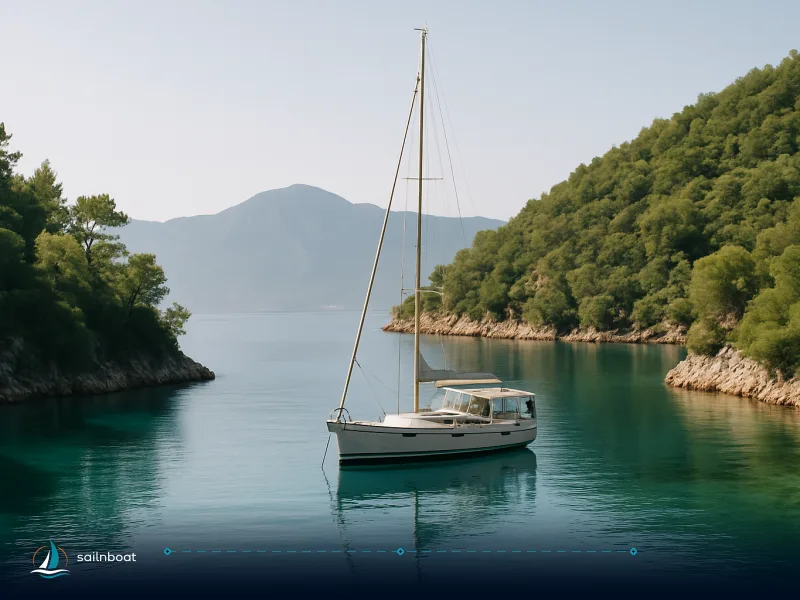
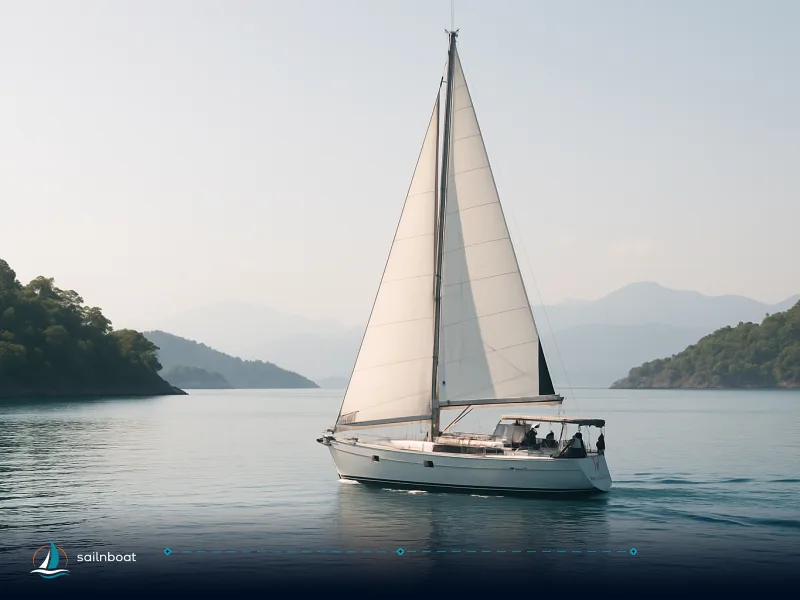
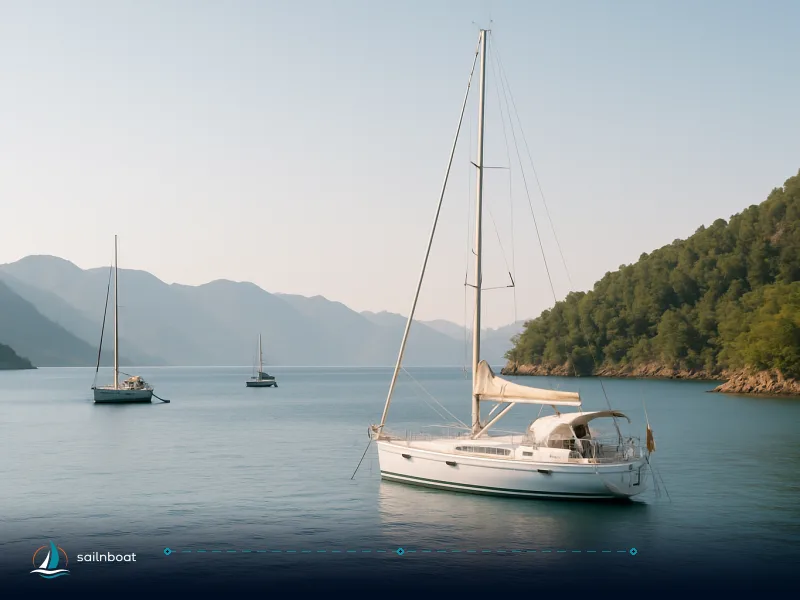
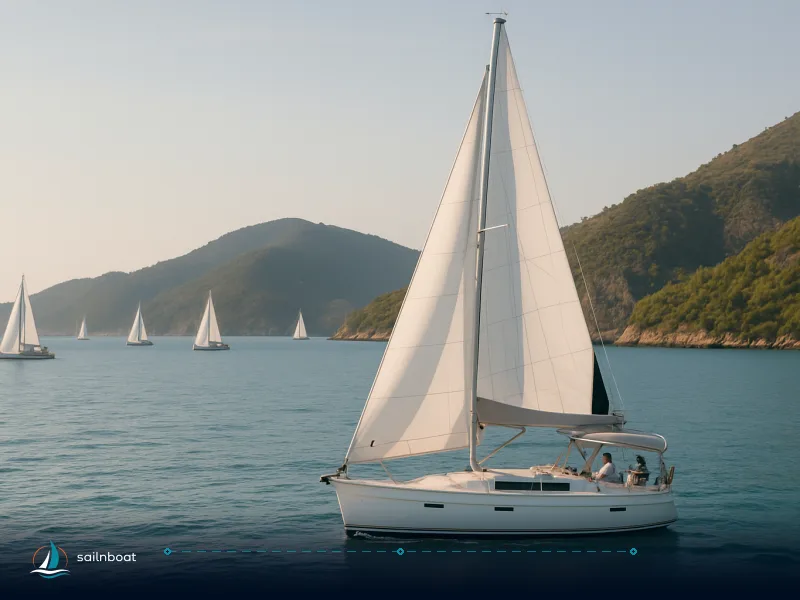
Best Time to Sail the Gulf of Gökova: A Seasonal Guide
Late spring (late April–June) and early autumn (September–October) give the best balance of warm water, manageable winds and fewer crowds for Gulf of Gökova sailing.

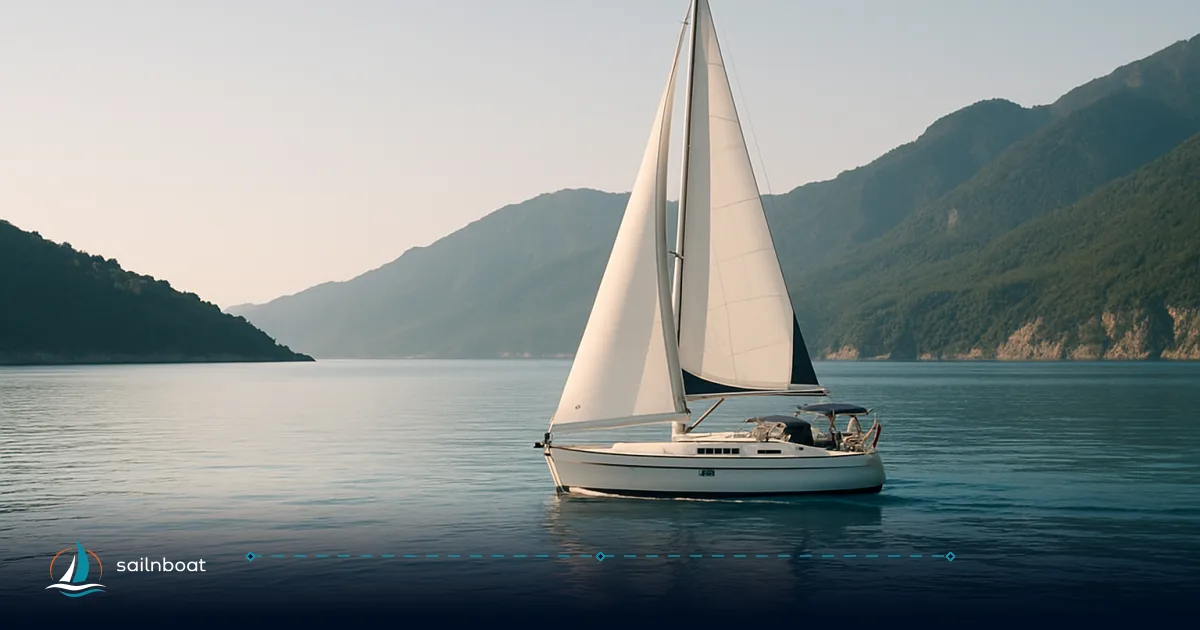
Sail the Gulf of Gökova best in the shoulder seasons: late April–June and September–October give the warm water, milder northerlies and far fewer day‑boat crowds that make coastal cruising straightforward. If you prefer stronger wind and lively sailing, June and September deliver good conditions; if you want to avoid the Meltemi’s peak, avoid July–August when the northerly reaches its highest frequency and strength.
Monthly Weather Patterns in the Gulf of Gökova
This section gives a month-by-month practical read—air and sea temperature bands, typical wind behaviour and how crowded anchorages usually are. Use this as a decision tool when you pick dates.
| Month | Air temp (typ.) | Sea temp (typ.) | Wind pattern | Crowd level / cost |
|---|---|---|---|---|
| Jan–Mar | ~10–15°C | ~15–17°C | Generally light, variable; storm fronts possible | Quiet; low charter/marina rates. |
| Apr–Jun | ~16–26°C (rising) | ~18–23°C | Increasing thermal/Meltemi activity; often gentle–moderate afternoons | Shoulder-season crowds; better rates and many facilities open. |
| Jul–Sep | ~25–35°C | ~23–27°C | Meltemi strongest (see next section); steady northerlies with afternoon build | Peak crowds in July–Aug; highest charter and marina costs. |
| Oct–Dec | ~15–24°C (falling) | ~20–22°C (Oct) to ~17°C (Dec) | Winds generally calm outside storm passages; fewer thermals | Quieter again; shoulder/off‑season pricing returns. |
January to March
- Expect cool, generally settled weather with occasional frontal systems; winds are typically lighter than summer. Sea temperatures are at their annual low. These months are fine for non‑swimming coastal cruising and bargain charters.
April to June
- Spring brings the fastest improvement in conditions: air and sea warm quickly, many bays open for business, and afternoon northerlies start to show. Late April–May often has comfortably moderate winds that are predictable for training and easy coastal passages. By June the Meltemi becomes more frequent.
July to September
- This is high summer: hot, busy and when the Meltemi is at its most consistent. July–August is the busiest tourist window and the most wind‑challenging; September often keeps summer warmth while crowds thin and conditions can mellow.
October to December
- Autumn cools quickly; October keeps good sea temperatures and often calm weather windows—an excellent late season option. After November expect more unsettled weather and fewer charter services.
Understanding the Meltemi Wind
If you plan to cruise Gökova you need a working picture of the Meltemi and how to use lee anchorages when it builds.
Characteristics of the Meltemi
- Timing: The Meltemi (also called the Etesian) regularly affects the Aegean from roughly May through September, with its highest frequency and intensity in July–August. It is a synoptic northerly driven by pressure patterns over the Balkans and Turkey.
- Strength: Typical sustained speeds are often in the Beaufort 4–6 range (roughly 15–25+ knots) and can reach 7–8 with gusts above 30 knots on exposed stretches in the peak weeks. Expect afternoon onset and a tendency to ease overnight or during brief weather breaks. Phrase it as "often" rather than absolute—local intensity varies day to day.
Impact on Sailing
- For passage planning: if you cross open water mid‑gulf on a southerly course during peak Meltemi you will likely meet steady northerlies and choppy short sea. Many skippers schedule longer hops for early morning or pick routes that keep islands between them and the wind.
- For anchoring and shelter: use well‑protected coves and lee sides of islands—İngiliz Limanı (English Harbour / Değirmen Bükü), Orak Island, Yedi Adalar (Seven Islands) and Sedir (Cleopatra) Island are often considered for shelter from northerlies. These anchorages lie in the lee of headlands or islands and may be favoured when the Meltemi strengthens, but confirm suitability with your operator or up-to-date cruising guides.
- For less experienced crews: strong Meltemi conditions can create sustained wind and short seas that make mooring, anchoring and some manoeuvres demanding—plan to avoid the high‑intensity weeks or sail with an experienced skipper.
Crowd Levels and Pricing Variations
Charter and mooring economics in Gökova follow the tourist calendar—know when to book and when you get value.
Peak season insights
- When: July and August are the busiest months for domestic and international holiday traffic; day‑boats fill anchorages and marinas. Expect the tightest availability and the highest fees in this window.
- Pricing: charter rates and marina fees are generally at their peak in August. Operators and local sources commonly report that June and September rates are often noticeably lower—YachtsForKings and other charter guides report that June and September rates are often noticeably lower than August on comparable boat types. The exact difference varies by boat model and operator, so confirm current rates with your charter provider.
Off‑peak advantages
- April–June and September–October give you more anchorages to yourself, better chance of a marina berth without reservation, and lower charter and provisioning costs. Service availability (restaurants, marinas, agent hours) is also better in these shoulder months than in deep winter.
Booking and logistics tips
- If you plan to cruise in July–August: book boats and marina berths 3–6 months ahead. In shoulder months a month or two is often sufficient. Day‑boat activity affects popular coves—arrive early afternoon to secure the best spots.
Best Months for Different Sailing Preferences
Match the month to the experience you want.
Beginners (safer, gentler sailing)
- Best months: late April–June and October. These months deliver milder winds, manageable afternoons and far fewer day‑boat crowds—ideal for learning anchoring in quiet coves and doing short coastal hops. Expect predictable thermal breezes rather than the sustained Meltemi peaks.
Experienced sailors (wind and longer passages)
- Best months: June and September give the best compromise of wind for active sailing and still‑comfortable temperatures. July–August are for crews who want consistent stronger northerlies and are competent in heavier conditions; these months demand solid crew work and careful anchoring choices.
Day‑boat / family cruisers
- Aim for June or September to enjoy warm sea without the crowded anchorages of high summer; afternoons are usually breezy but not extreme and day‑boat traffic is reduced compared with August.
Comparing Wind Conditions with Other Turkish Destinations
How Gökova stacks up when you’re choosing between popular bases.
Gökova vs Bodrum
- Gökova is a long narrow gulf with many islands and lee coves, which generally makes for flatter sea states and more sheltered anchorages compared with the more open waters around Bodrum. Bodrum tends to feel the Meltemi more directly on exposed coastlines and can be windier on comparable days. For sheltered cruising and easy overnight anchorages, Gökova often has the advantage.
Gökova vs Fethiye / Göcek
- Fethiye/Göcek areas tend to offer an even longer calm season and many protected harbours; Göcek in particular is known for extremely protected anchorages that are good when you want flat water. Gökova’s selling point is a middle ground: more shelter than Bodrum but a livelier summer scene than Göcek. Choose Gökova if you want a mix of sheltered bays and accessible day‑trip culture from Bodrum.
Practical, decision‑grade planning checklist
- Choose your window: shoulder months (late Apr–Jun; Sep–Oct) for easiest overall experience; July–Aug only if you want stronger, predictable northerlies and can handle higher costs.
- Book early for August; reserve a berth if you need a marina in busy anchorages.
- Study anchorages: keep a shortlist of lee coves (İngiliz Limanı, Orak Island, Yedi Adalar, Sedir) for shelter if the Meltemi freshens. Mark them on your chart before departure.
- Daily routine: expect northerly build in the morning or late morning and strongest mid/late afternoon; plan passages for early hours or route to stay sheltered. Use local forecasts (wind forecast services) the day before and each morning.
- Crew & safety: carry a reliable wind forecast app, keep anchors ready for short hops into shelter, and ensure every crew member knows short‑hand anchoring and stern‑to procedures—busy anchorages mean less tolerance for mistakes. (Operational best practice; local operators emphasise experience when Meltemi is strong.)
Plan your charter around what you want to trade: guaranteed warm sun and reliable wind (and a livelier scene) in July–August, or better value, more anchorages and calmer sailing in the shoulder months. If you need help matching available yachts and bases to your exact dates, we can run availability and sample cost comparisons for your preferred windows.
Frequently Asked Questions
Winters are cool and relatively calm (air often ~10–15°C); spring warms quickly (April–June commonly mid-teens to high-20s°C); July–September brings high heat (mid-20s to mid-30s°C) and the strongest northerly Meltemi winds; autumn (October–November) cools with generally calmer seas.
The Meltemi is a dry northerly that typically blows May–September and peaks July–August, often force 4–7 (roughly 15–30+ knots) with gusts higher, so plan routes and anchorages to lie to the lee of islands and headlands.
July and August are the high season—anchorages, day boats and marinas are busiest and charter and mooring rates are at their highest.
Shoulder months—late April to June and September to October—offer milder winds, warm water and fewer day-boat crowds, making them the safest choice for novice crews.
Crowds and prices peak in July–August; charter and marina costs are typically noticeably higher in those months, while June and September commonly offer 20–40% better value.
You get warm water, more available berths and anchorages, lower rates and lighter day-boat traffic while still enjoying reliable afternoon breezes.
Gökova is generally more sheltered with flatter water and many lee coves; Bodrum is exposed and typically windier during Meltemi peaks; Fethiye/Göcek have a longer calm season and more protected anchorages overall.
Written by
Sailnboat Editorial
The Sailnboat editorial desk covers yacht and boat chartering worldwide — routes, bases, seasons, boat types, paperwork and the practical costs that decide a trip. We are a charter marketplace, not a boat owner or a local agency: what we sell is judgement and support, so our guides are written to help you make a decision, not to sell you a specific boat. Every guide is checked against live operator and marina data before it goes out.
Fact-checked against live operator and marina data, and published under our editorial standards. Last reviewed: .