7-Day Sailing Itinerary: Exploring the Twelve Islands of Göcek
A practical, day-by-day 7-day sailing plan around Göcek’s Twelve Islands with distances, anchorages, mooring guidance, provisioning and safety notes.

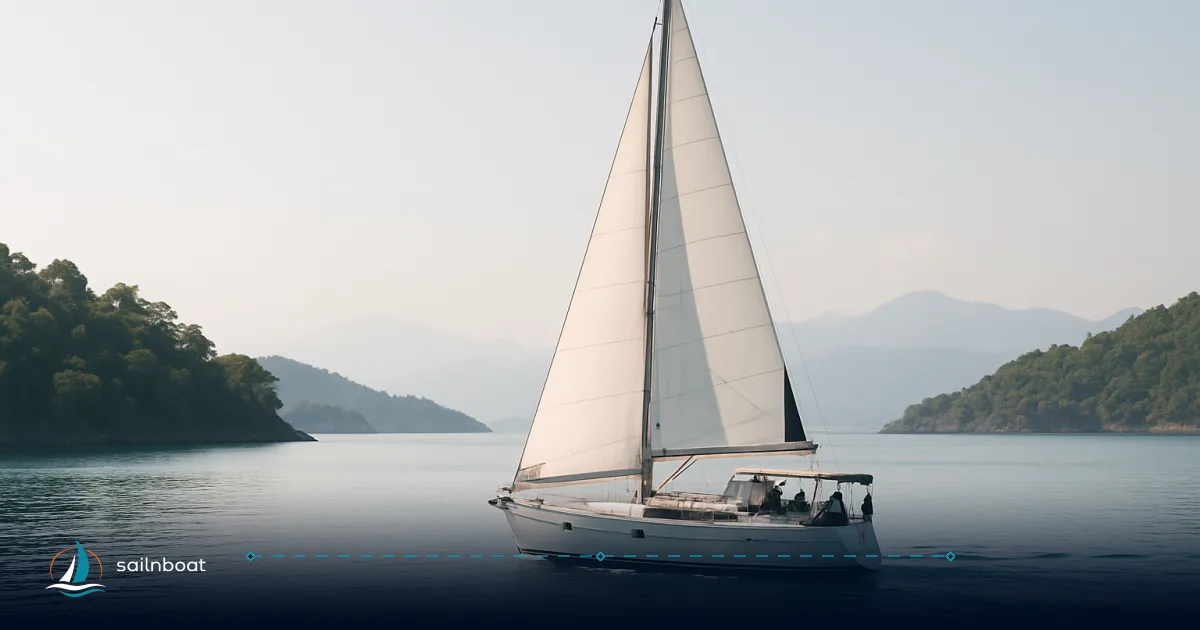
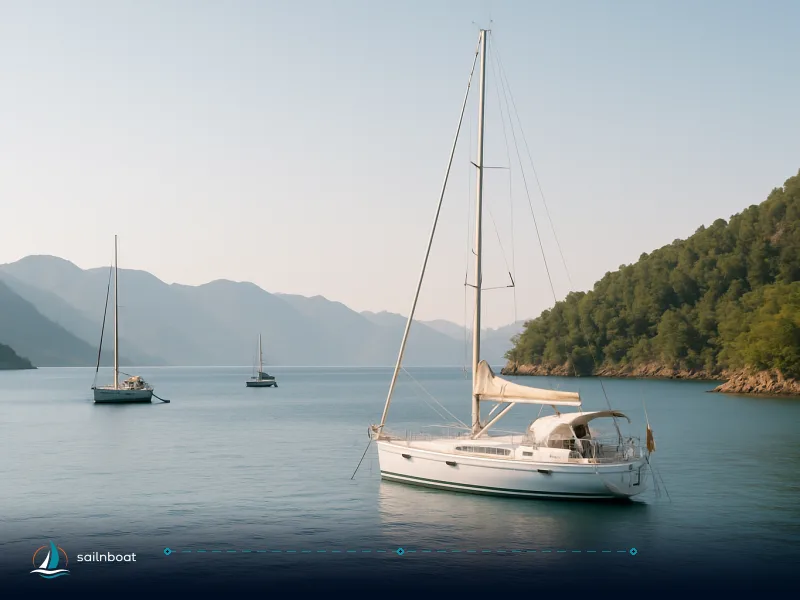
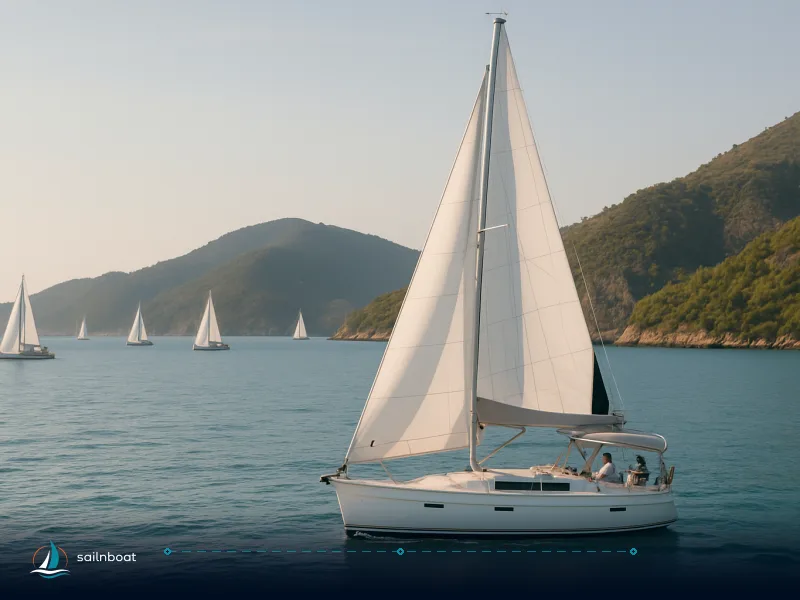
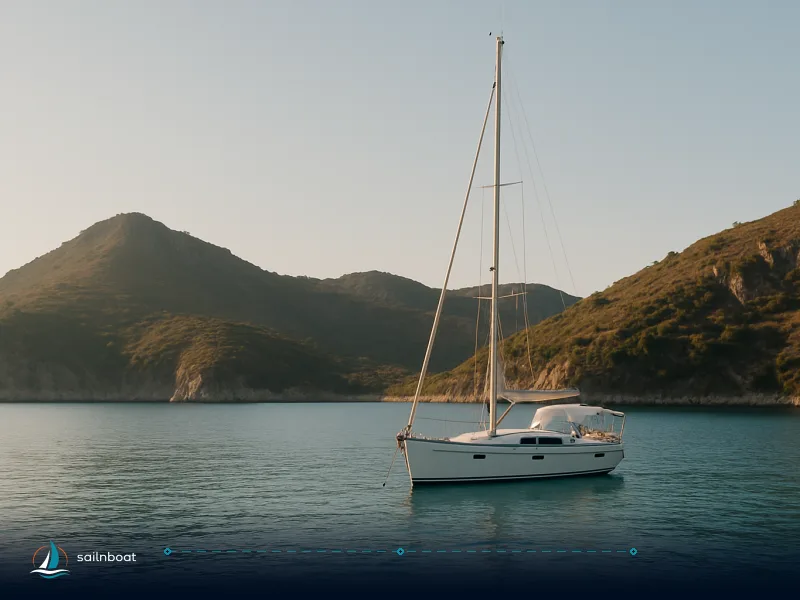
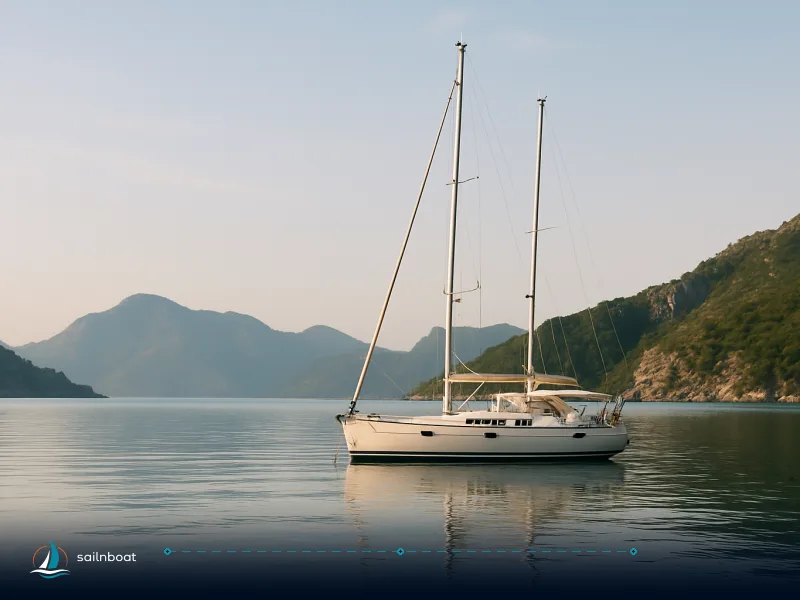
The Göcek twelve islands sailing itinerary below emphasises short passages, stern‑to bay nights and one marina night for reprovisioning — exactly what works for a week-long Blue Cruise out of Göcek.
Overview of the Twelve Islands of Göcek
Göcek sits inside the Gulf of Fethiye and functions as a concentrated yacht hub with multiple marinas and dozens of sheltered coves. The so-called “Twelve Islands” are the classic compact circuit at the mouth of Göcek’s inner gulf: a string of small islands and bays that can be comfortably visited on short daily hops. Göcek is the practical base for this cruise — Dalaman Airport is a short transfer and the marinas handle large charter fleets and provisioning.
Why sailors choose the Twelve Islands
- Short legs and sheltered anchorages reduce fatigue and fuel use — good for mixed wind/motor passages.
- Protected bays and established buoy fields make stern‑to shore mooring straightforward for most crews.
- History and shallow archaeological sites (Lycian tombs, Byzantine ruins, Bedri Rahmi’s fish) provide on‑shore options that fit a relaxed schedule.
Practical access
- Dalaman → Göcek runs about 20–30 minutes by road (roughly 20–25 km) so your flight and transfer logistics are straightforward for a Saturday handover. Plan an arrival that allows a calm afternoon check‑in.
Day-by-Day Sailing Itinerary
Notes on planning times and speeds: the distances below are approximate and sourced from local charter route planners; estimated passage times are shown for two typical cruising speeds (6 kt for a cruising monohull, 8 kt for a faster sailboat/catamaran) so you can choose how relaxed to keep each day. In all cases, multiply the time by 1.2–1.5 to allow for manoeuvring, currents, or a slower crew. Distances and times marked “≈” are approximate.
| Day | From → To | Distance (NM, approx.) | Est. time at 6 kt | Est. time at 8 kt | Overnight mooring |
|---|---|---|---|---|---|
| 1 | Göcek → Yassıca Islands | ≈ 8–10 NM (as commonly quoted by local planners) | 1.5–2.0 h | 1.0–1.5 h | Buoy or sheltered anchor (long‑lines ashore common). |
| 2 | Yassıca → Tersane Island | ≈ 6–8 NM | 1.0–1.5 h | 0.8–1.1 h | Tersane inlet; stern‑to and short shore walk to ruins. |
| 3 | Tersane → Bedri Rahmi Bay (Taşyaka) | ≈ 4–6 NM | 0.7–1.0 h | 0.5–0.8 h | Popular bay with small pier restaurant; stern‑to or buoy. (See Bedri Rahmi fish rock). |
| 4 | Bedri Rahmi → Göbün (Kapi Creek) | ≈ 5–7 NM | 0.8–1.2 h | 0.6–0.9 h | Göbün has shore restaurants and easy stern‑to mooring. |
| 5 | Göbün → Domuz Island (and Tomb Bay / Manastır) | ≈ 3–5 NM | 0.5–0.9 h | 0.4–0.7 h | Tomb Bay (Lycian tombs) — stern‑to; small on‑shore walk to ruins. |
| 6 | Domuz → Hamam Bay (Cleopatra’s Bath) | ≈ 3–4 NM | 0.5–0.7 h | 0.4–0.6 h | Hamam/“Cleopatra” — swim over submerged ruins; many private bay restaurants (Adaia). |
| 7 | Hamam → Sarsala Bay → Return to Göcek or Fethiye | ≈ 6–12 NM (via Sarsala) | 1–2.0 h | 0.8–1.5 h | Sarsala is a reliable final night if you don’t want a marina — otherwise return to Göcek marina for check‑out. |
Detailed day notes
Day 1: Göcek → Yassıca Islands
Plan a short sea trial for the crew and systems before crossing to the Yassıca group. Yassıca is shallow, calm and ideal for your first long swim, paddleboard, and a relaxed stern‑to evening. Buoys are present but slots fill early on weekends. Typical charter guides show this as an 8–10 NM opening leg from Göcek, though exact distances may vary and are often quoted by local planners. Expect a 1–2 hour transit.
Day 2: Yassıca → Tersane Island
Tersane is the largest island in the archipelago and a good place to explore rock slipways and Ottoman‑era shipyard ruins. Moor stern‑to or pick up a buoy if provided; expect snorkel spots near the head of the inlet. Distance is commonly given around 6–8 NM from Yassica/Fethiye approaches.
Day 3: Tersane → Bedri Rahmi Bay
A short hop into Bedri Rahmi (Taşyaka) gives you the famous Bedri Rahmi “fish rock” and a simple shore restaurant. This bay’s combination of swim access and a short walk to the rock painting makes it a favourite for mid‑cruise relaxation.
Day 4: Bedri Rahmi → Göbün Bay
Göbün (Kapi Creek) has a small pier and a couple of family restaurants; it’s useful for a longer lunch ashore and for topping up water or small provisioning runs by tender. Stern‑to mooring is normal here.
Day 5: Göbün → Domuz / Tomb Bay
Tomb Bay (Taşyaka area) provides the Lycian rock tombs on the cliffface above the water — a short hike from the beach is rewarded with ancient stone façades. The bay is well protected and popular for evening barbecue dinners ashore.
Day 6: Domuz → Hamam Bay (Cleopatra’s Bath)
Hamam (also called Cleopatra’s Bath or Manastır Bay) contains submerged masonry you can snorkel around; Adaia and a small number of private bay restaurants operate here by sea access only. The story that Cleopatra used these baths is folklore; the remains are late‑Roman/Byzantine masonry submerged by slow subsidence.
Day 7: Hamam → Sarsala → Return
Sarsala is a roomy, protected bay and a practical final overnight if you want a last peaceful swim before returning to base. If you prefer marina services (pump‑out, laundry, final provisioning) schedule an early return to D‑Marin/Gocek or Fethiye for check‑out.
Historical and Cultural Highlights
Key sites to plan ashore time for
- Bedri Rahmi rock painting: a simple visit — the painting on a large shoreline rock is the cultural emblem of the bay. Allow 20–40 minutes ashore. The exact date and artist attribution are widely cited but not definitively confirmed.
- Lycian rock tombs at Tomb Bay and nearby headlands: these tomb façades date to the classical Lycian period and are visible from short walks above the shore; plan a morning hike when temperatures are cooler.
- Tersane Island shipyard ruins: “Tersane” literally means shipyard; the island preserves slipways, cut stone and ruined buildings from past centuries — allow an hour to explore the remains.
- Gemiler Island (optional extra): Byzantine churches and mosaic fragments on the island reward early arrival before day‑tour crowds. Gemiler is frequently added to longer routes east of the Twelve Islands.
Trade‑offs: archaeology vs crowds Historic sites draw day boats. Visit ruins early or late afternoon to avoid the crowded lunch window, and bring sturdy shoes — paths are rough.
Practical Considerations for Your Trip
Mooring fees and regulations
-
Buoys/shore moorings in Göcek bays: widely used and often administered by local operators; recently reported buoy fees for a 12–15 m yacht typically range from about 900–1,100 TRY per night in low season to around 1,250 TRY in high season, though values vary by season and currency fluctuations. Private marinas (D‑Marin, Göcek Village Port, municipal marinas) cost significantly more — think tens to several hundreds of euros per night depending on boat length. Plan to budget for at least one marina night during a week if you need pump‑out, large provisioning or technical services.
-
Environmental protection and anchoring rules: the Fethiye–Göcek area is a designated Special Environmental Protection Area; local authorities have installed buoy fields and restricted anchoring to protect Posidonia seagrass. In many bays buoys are mandatory and anchoring on seagrass is prohibited. Respect the buoy system — fines and enforcement have increased. Carry electronic charts and the harbourmaster’s KMZ/notice list if provided at check‑in.
-
Typical mooring method: stern‑to with long shore‑lines to trees/pegs is the standard overnight in many Göcek coves; ensure your boat carries at least two 50m‑plus lines and ample fenders. Public buoys exist where anchoring is restricted; private restaurants sometimes allow free mooring if you dine.
Weather patterns and seasonality
-
Season window: the sailing season runs roughly April–November, but May–June and September–October give the best balance of calm seas, warm water and fewer crowds. July–August remain busy and hotter; wind patterns are generally lighter in Göcek than in open Aegean waters. Local wind speeds in sheltered bays are generally moderate; larger open passages can be windier.
-
Forecasting: check synoptic charts and local forecasts before each departure; shore‑based gaps can change quickly and cause uncomfortable conditions in exposed external bays. Many charter bases provide a morning weather brief at handover.
Safety protocols and emergency contacts
- Turkey unified emergency number: 112 (ambulance, police, fire and coast guard routed through the 112 centre). Save 112 on every crew member’s phone. Historically the Coast Guard used 158, but 112 is now the main nationwide emergency line.
- Harbourmaster and base contacts: record your charter base phone and the marina you plan to use (D‑Marin Göcek / Göcek Village Port / municipal marinas). Your operator should provide specific harbourmaster or marina phone numbers at check‑in.
- On‑board safety: use two stern lines ashore where possible, check propeller clearance when approaching buoy fields, secure small tenders and inflatables, and brief your crew on man‑overboard drills before you leave the marina. Pump‑out and waste rules are enforced inside the SEPA—retain sewage on board until you can pump out at a marina.
Local Dining and Provisioning Options
Provisioning strategy
- Provision fully in Göcek or Fethiye before you leave; supermarkets, chandleries and provisioners in the towns can handle yacht orders and deliver to the marina. The Migros/big supermarket network and local markets offer fresh produce; some operators or local provisioners deliver to boats or marinas. A typical charter will leave port with a fully stocked fridge or an APA (Advance Provisioning Allowance) arranged by the broker.
Bay restaurants worth knowing
- Adaia (Hamam Bay): full‑service bay complex with a proper restaurant and beach facilities reachable only by sea — good for a special shore lunch or dinner. Advance booking for dinner is advisable in high season.
- Bedri Rahmi / Tersane / Boynuzbükü: these bays have small, family‑run piers serving fresh fish and meze; menus are seasonal and often cash/limited‑card friendly. If you plan to rely on bay restaurants, keep a small cash float and call ahead if you need a guaranteed pier slot.
- Göcek town restaurants: the village marinas and promenade host higher‑end options, bakeries and fish markets — plan one marina night midweek if you want a restaurant evening with variety and wine lists.
Local specialties to try
- Fresh seabass/sea bream (levrek/çupra), grilled octopus, ankara pide, mixed meze plates, and regional olive oil salads; pair with Turkish white wines from the Aegean. Markets in Fethiye/Göcek have excellent local olives, cheeses and honey for simple aboard lunches.
Final provisioning tips
- If you run low on fresh produce mid‑week, the Migros supermarket supply boat often visits bays; it’s a useful contingency but arrives at set times and is busy. If you require special items (large wine orders, specific seafood) order a day ahead through your base agent.
Final checklist before you cast off
- Confirm berth and check‑out time with your charter base (most check‑outs are mid‑morning though each operator varies). Prepare copies of passports, charter party and skipper’s licence or qualification requested by the operator.
- Save emergency numbers (112) and your base contact; brief the crew on stern‑to mooring and man‑overboard procedures. Pack lines (2 x ≥50 m recommended) and extra fenders for stern‑to nights.
- Budget: allow for fuel, final cleaning, transit log, provisioning/APA, mooring fees (buoys ≈ €20–€50; marinas considerably more), and a customary crew tip (if crewed charters). Most charter operators will list typical extras at booking.
Plan your route, but leave the days flexible. The real advantage of a Göcek week is short distances, easy shelter and the option to stop ashore for archaeology or a slow lunch without blowing the schedule. Book key marina nights and special restaurant tables ahead in high season; otherwise you’ll find space to anchor and swim almost every evening.
Safe sailing — and bring the camera for the Bedri Rahmi fish and the Lycian tombs.
Frequently Asked Questions
The shoulder seasons—May–June and September–October—are widely regarded as the best time: warm water, lighter crowds and steady, moderate winds.
Legs are short (typically 4–12 NM); at an average cruising speed of 6–8 kt a sailing yacht will take about 0.5–2 hours per leg, depending on wind and boat.
There are no special private‑yacht permits beyond normal documentation, but Göcek sits inside a Special Environmental Protection Area with mandatory buoy fields and anchoring restrictions in many bays.
Expect buoy/shore mooring fees commonly in the range equivalent to roughly €20–€50/night for a 10–12m yacht; private marina berths are substantially higher (€80–€300+ depending on size and season).
Many sheltered bays have seasonal, family-run piers and a few dedicated bay restaurants (Adaia at Hamam, small restaurants at Bedri Rahmi and Tersane); provisioning in Göcek or Fethiye is recommended for full weeks.
The season runs April–November; shoulder seasons bring light to moderate northerly/northwesterly winds and comfortable temperatures, while July–August sees hotter weather and busier anchorages.
Watch for shallow channels between islets, crowded day‑boat anchorages in high season, submerged ruins near Hamam/Cleopatra, and protect seagrass by using assigned buoys rather than dropping anchor in protected zones.
Written by
Sailnboat Editorial
The Sailnboat editorial desk covers yacht and boat chartering worldwide — routes, bases, seasons, boat types, paperwork and the practical costs that decide a trip. We are a charter marketplace, not a boat owner or a local agency: what we sell is judgement and support, so our guides are written to help you make a decision, not to sell you a specific boat. Every guide is checked against live operator and marina data before it goes out.
Fact-checked against live operator and marina data, and published under our editorial standards. Last reviewed: .