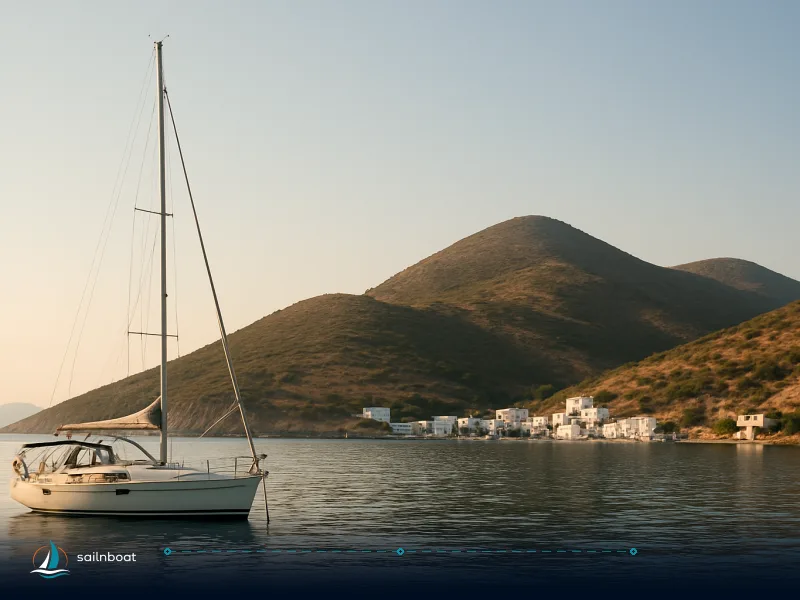
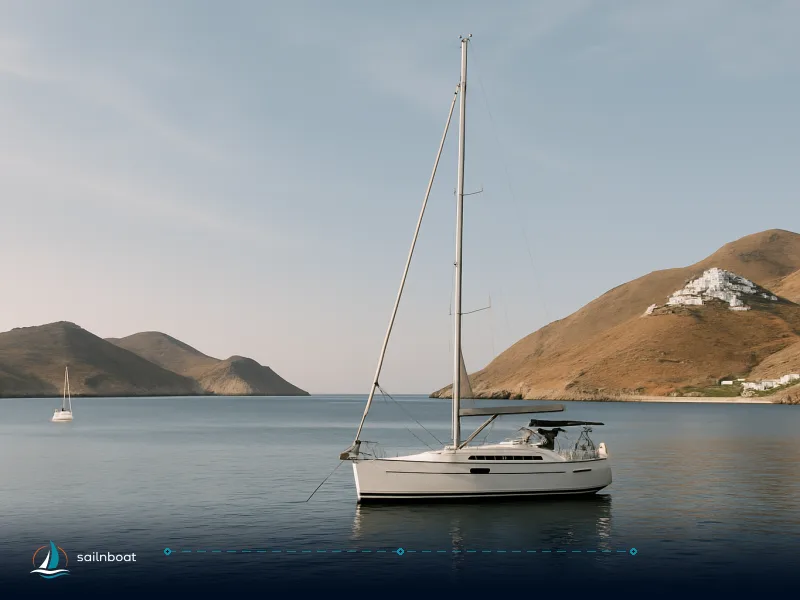
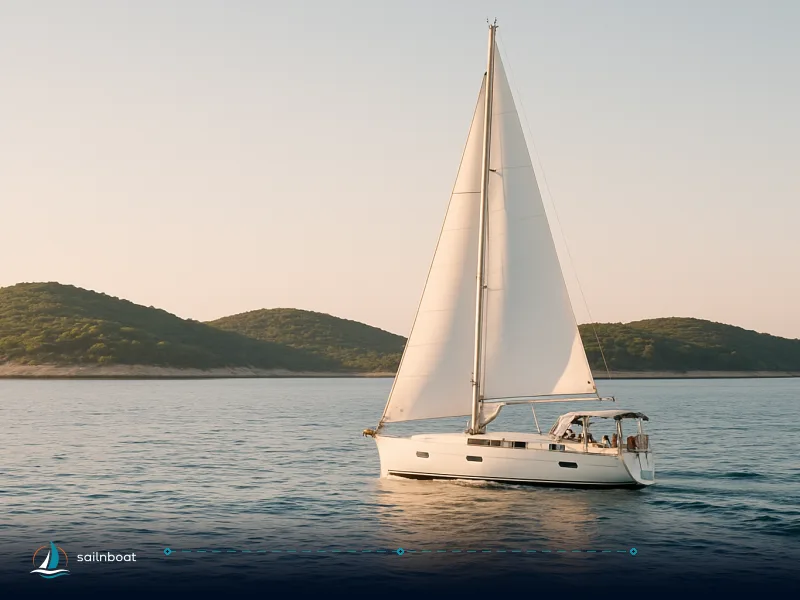
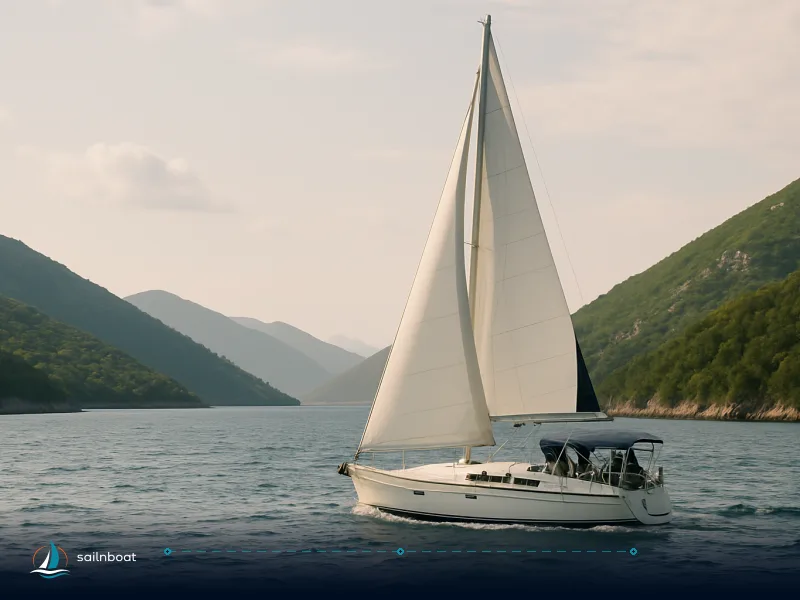
A Week Navigating the Lysefjord: Unforgettable Moments at Sea
A compact, decision-ready week for lysefjord sailing from Stavanger: short daily hops, two iconic hikes (Preikestolen, Kjerag), mooring notes and charter cost ranges.

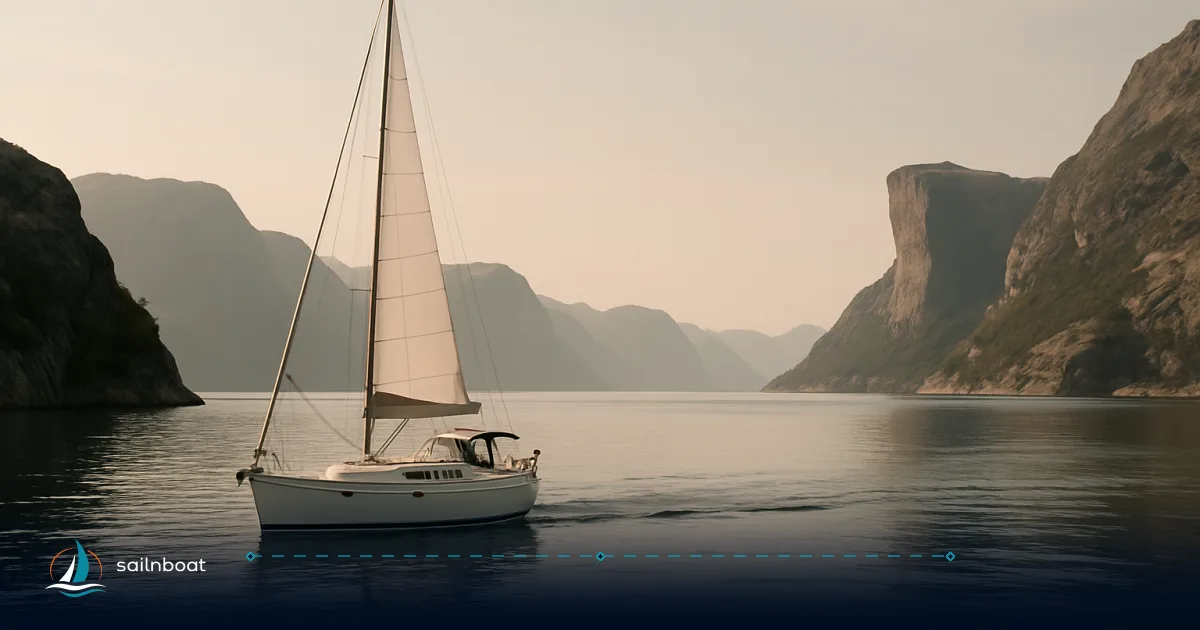
You can cover Lysefjord’s full 42 km (≈22.7 nm) in a week from a Stavanger base while leaving time for both Preikestolen and Kjerag hikes — that’s the practical rhythm of lysefjord sailing: short, sheltered hops between villages and scenic anchorages with shore excursions each day. Below is a compact, action‑oriented seven‑day plan plus the route, mooring, weather and charter details you need to make it happen.
Planning Your Week in Lysefjord
This plan assumes a week (7 nights) starting and finishing in Stavanger, giving you a relaxed pace inside a fjord that measures about 42 km end‑to‑end (≈22.7 nautical miles). The sailing legs inside the fjord are short — most days will be 3–8 nm under sail — which leaves time for hikes and exploring on shore. The map points you must budget time for are the fjord mouth (Forsand/Oanes), Flørli (the hydro‑plant and 4,444 steps), Songesand/Bratteli and the inner village at Lysebotn.
Day‑by‑Day Itinerary (overview)
- Day 1 — Stavanger → Fjord entrance (make a provisioning stop in Stavanger, depart mid‑morning, overnight near Forsand or the fjord mouth). Typical channel transit and approach to the entrance takes a few hours depending on whether you cruise along the coast first.
- Day 2 — Enter Lysefjord → Flørli (short hop; land, climb the steps or walk the trail, return to the boat or stay ashore).
- Day 3 — Flørli → Songesand / Bratteli (explore small coves and photo viewpoints; sheltered anchorage).
- Day 4 — Songesand → Lysebotn (inner fjord; arrange berthing and use this day for the Kjerag hike or local walks).
- Day 5 — Full day for Kjerag/Flora or rest in Lysebotn (hiking day; boats stay secured in harbour).
- Day 6 — Begin return westwards with stops as desired (anchorage or Forsand).
- Day 7 — Return to Stavanger, check‑out and reprovision if required before disembark.
Itinerary table (quick reference)
| Day | Route (typical) | Sailing distance (approx.) | Typical time under power/sail (est.) |
|---|---|---|---|
| 1 | Stavanger → fjord mouth / Forsand | variable (coastal leg) | 1.5–4 hours depending on departure point and route |
| 2 | Fjord mouth → Flørli | 3–6 nm | 30–90 minutes at 6–8 kt |
| 3 | Flørli → Songesand / Bratteli | 3–5 nm | 30–60 minutes |
| 4 | Songesand → Lysebotn (inner fjord) | 5–8 nm | 45–120 minutes |
| 5 | Lysebotn — hiking day | 0 nm | ashore |
| 6 | Lysebotn → Forsand / mid‑fjord stop | 4–6 nm | 40–90 minutes |
| 7 | Forsand → Stavanger (exit) | variable | 1–4 hours |
Note: The table sums local legs inside the fjord; the full fjord measures roughly 42 km (≈22.7 nm). Use the table as a pacing tool — all sailing times depend on your boat’s cruising speed, tides and whether you motor or sail.
Natural Landmarks to Explore
Preikestolen (Pulpit Rock)
Preikestolen sits about 604 metres above the fjord and is a straightforward, hugely popular day hike from the parking area at Preikestolen Basecamp; the plateau itself is roughly 25 × 25 m and gives the classic Lysefjord panorama. For your schedule: allow 4–5 hours round trip from the car park and an afternoon to recover on deck — sunrise/sunset light is excellent for photos. Because the trail is so popular, aim to hike early or late in the day to avoid crowds.
Best viewing from the boat: tie up at a secure quay near Forsand or anchor where permitted and use binoculars or a short tender to position for framed shots of the cliff face.
Kjeragbolten and Kjerag
Kjerag’s cliffs plunge almost vertically to the fjord below; the mountain has sheer faces that drop in the order of ~1,000 metres and the famous Kjeragbolten is a 5 m³ boulder wedged in a crevice on the plateau. The hike is longer and rockier than Preikestolen — plan a full day (2.5–3 hours each way from Øygardsstølen) and expect chains/hand‑rails on exposed sections. If Kjerag is on your list, base a night in Lysebotn so the crew has time to ferry hikers ashore and give them a secure return window.
Sailing Conditions and Weather Patterns
Optimal Sailing Season
The high season for Lysefjord begins in June and runs through August when daylight is long and the weather is most settled for visitors — July and August typically give the warmest daily highs in the Stavanger area and the most scheduling flexibility for hikes and boat activity. Expect frequent light rain even in summer; plan flexible days and always check updated forecasts before setting off.
Daylight: long June–August days let you run hikes early and return to the boat with light to spare — an operational advantage for multi‑stop itineraries.
Navigational Considerations
- Depths and currents: Lysefjord is deep in many places, but the fjord mouth and some inshore quays are shallow. Nautical guides and pilot pages list berth depths and channel details — expect notable tidal streams near the fjord threshold; strong currents are possible at the mouth, but specific maximum speeds can vary and should be checked locally. Plan arrivals away from peak tidal flows and brief all crew on handling the boat in a strong stream.
- Wind and gusts: steep granite walls can funnel gusts and create sudden local wind shifts; reef early if conditions build and consider motoring when passage planning is tight.
- Electronic navigation and charts: use official charts for the area (local Norwegian charts), AIS and up‑to‑date pilot notes; council harbour information should be checked before attempting to use a pier with limited depth.
Mooring Options and Local Regulations
Mooring in Forsand and Lysebotn
Both Forsand and Lysebotn have guest berths, shore services and fuel at main quays; facilities and depths vary by quay (some berths are shallow for deeper‑keel yachts). The small villages handle visiting crews but fill fast in July–August — booking or at least advance notice to the local harbormaster is widely recommended. Local harbour pages and marina listings show available services (shore power, water, showers) and up‑to‑date depth notes for berths; consult them when planning.
Practical mooring tips
- Call ahead in high season; many berths are first‑come in shoulder months but can be fully booked in July/August.
- Check depth alongside if your draft exceeds ~1.8–2.0 m for small piers (some inner quays fall to shallow depths). DNL pilot notes show specific quay depths and recommend approach timings relative to tides.
Local Sailing Regulations & Environmental Responsibility
- Norway expects responsible waste handling: use port reception facilities, avoid discharging black water close to shore and follow marina rules about garbage and recycling. Many marinas provide pump‑out or collection — ask on arrival.
- Respect protected areas, fish farms and private landings; anchoring restrictions can apply in sensitive zones. Follow local signage and harbourmaster directions.
- Keep noise low at night, use low wakes near small villages and carry all rubbish ashore — these are practical rules that preserve access for future visitors.
Chartering a Yacht in Stavanger
Cost Breakdown
- Bareboat: market listings show bareboat 38–42 ft monohulls in Norway priced widely by season — low‑season examples for a 41 ft boat are often quoted around €2,000/week, but actual prices vary by boat, operator, and exact week. Expect a security deposit, transit log, cleaning and a starter pack to be either included or itemised.
- Skippered/day charter: established local operators advertise skippered day charters from roughly 12,000 NOK per day upwards for group hire; fully skippered multi‑day charters will be priced by the operator (day rates are useful for short trips up the fjord). Skipper and provisioning are separate line items on most quotes.
What the charter price typically includes and doesn’t
- Usually included: yacht hire, basic safety equipment, bedding, dinghy and outboard, standard insurance and mandatory kit.
- Common extras: fuel, food, harbour fees, final cleaning, provisioning delivery, APA/service fee and skipper/host food. Ask for a full equipment and inclusions list at booking.
Choosing the right yacht
- For fjord cruising pick a vessel with a modest draft if you want to use smaller quays (draf t <2.0 m is easier in some inner berths), a reliable heating system for cool evenings and a sturdy tender for shore transfers. Catamarans give space and stability at anchor but need wider berth space; monohulls are more common and manoeuvrable in tight quays. Balance cabin count against crew size and sleeping comfort.
Cultural Experiences and Local Cuisine
Local Dining and Provisioning
Stavanger is your provisioning hub — supermarkets, fish markets and specialist shops are concentrated around the harbour and city centre; a last‑minute provisioning run here saves time. The harbour fish market and several quality seafood restaurants serve local specialities such as fiskesuppe (fish soup) and fresh cod/seasonal catches — a good place to stock picnic provisions or plan a final dinner ashore.
Provisioning checklist for the fjord
- Fresh water and fuel top‑ups in Stavanger.
- Fresh seafood, ready meals and picnic supplies for hikes.
- Basic spare parts, warm clothing, foul‑weather gear and a tether for hiking parties.
Cultural Landmarks and Community
- Small settlements along the fjord are quiet and community‑led; treat public spaces respectfully, buy local produce where possible and check opening times — summer timetables are busiest. Rødne and FjordCruise operate scheduled sightseeing runs if you want a shore‑side perspective without using your own boat.
Closing practical CTA Plan your Lysefjord sailing week around shoretime as much as sea time: the fjord’s scale (42 km) rewards slow cruising and two full shore days for Preikestolen and Kjerag will turn a good trip into an unforgettable one. When you’re ready, check current charter availability and local marina notes and build the week around the weather window that suits your crew.
Frequently Asked Questions
Use Stavanger as your base, enter Lysefjord and make short hops (3–8 nm) between Flørli, Songesand and Lysebotn so you can hike Preikestolen and Kjerag and still cruise the fjord’s full 42 km (≈22.7 nm) length.
June–August offers the most reliable summer conditions and long daylight; even then expect rain and local gusts off the cliffs — monitor forecasts and reduce sail near the steep walls.
Both villages have guest berths, shore services and fuelling at main quays; depths and berth length vary, so reserve in peak season and check the marina for depth limits before arrival.
Bareboat weeklies in Norway vary by season and size; low-season 38–42 ft options can appear from roughly €1,960–€2,100/week while high-season mid‑size bareboats commonly run €3,000–6,000/week; skippered day charters from established operators often start in the low‑to‑mid tens of thousands NOK per day.
Preikestolen (604 m above the fjord) and Kjerag/Kjeragbolten (cliffs and a wedged boulder with near‑1,000 m drops) are the two headline stops; Flørli’s 4,444 wooden steps and small hamlets add local flavour.
Carry proper safety kit, use port reception for waste, follow harbourmasters’ instructions for berthing, avoid anchoring in protected or farm areas and be considerate ashore — local rules and practices vary by municipality.
Written by
Sailnboat Editorial
The Sailnboat editorial desk covers yacht and boat chartering worldwide — routes, bases, seasons, boat types, paperwork and the practical costs that decide a trip. We are a charter marketplace, not a boat owner or a local agency: what we sell is judgement and support, so our guides are written to help you make a decision, not to sell you a specific boat. Every guide is checked against live operator and marina data before it goes out.
Fact-checked against live operator and marina data, and published under our editorial standards. Last reviewed: .