Best Monohulls for Family Charters: Top Models Compared
A practical comparison of the leading monohull models for family charters—dimensions, cabin layouts, cockpit safety, sailing behaviour and typical charter costs to help you pick the right boat.

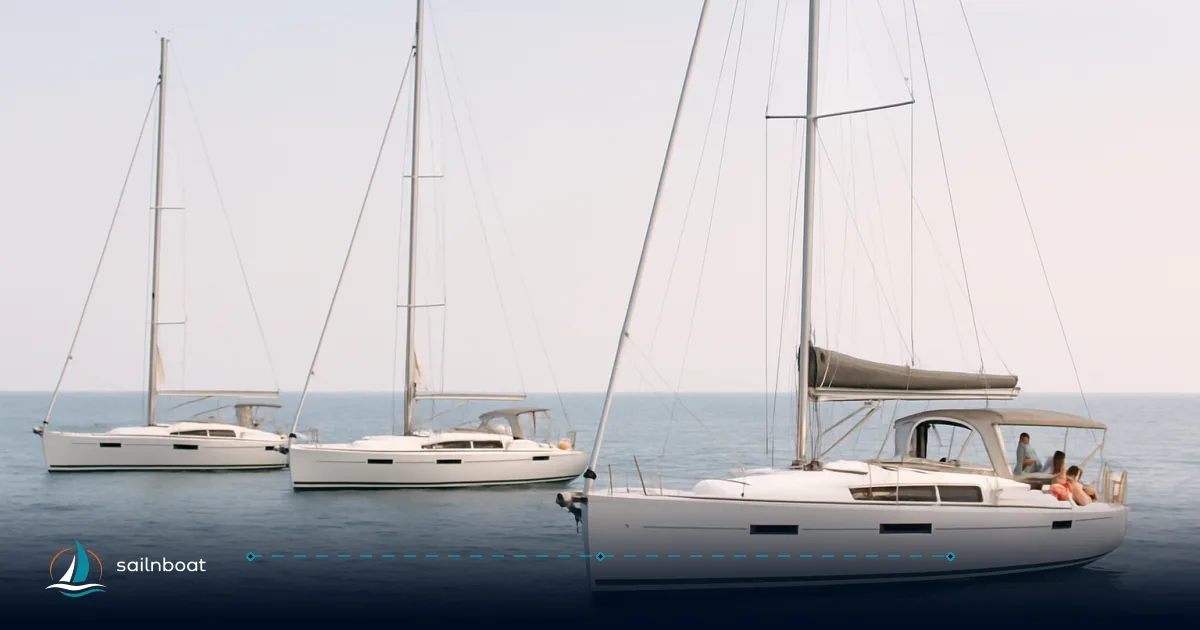
Best Monohulls for Family Charters: Top Models Compared
Choosing a 45–50 ft monohull for your family charter is about more than berth count. You need a cockpit that’s genuinely secure for children, a galley that handles real provisioning, and a layout that keeps handling manageable for one or two adults—even in a tight marina or gusty conditions. The most chartered family monohulls in this bracket are the Bavaria Cruiser 46, Beneteau Oceanis 49 (sometimes listed as Beneteau 49), Jeanneau Sun Odyssey 490, and Dufour 460 Grand Large. Each strikes its own balance of space, robust systems, and family-friendly features. Below, you’ll find a comparison of their specs, layouts, mooring characteristics, seasonal planning, and the critical questions to ask before you book.
Top Monohull Models for Family Yacht Charters
Charter bases consistently recommend these models for family groups, thanks to their predictable layouts, straightforward handling, and solid performance in charter fleets.
Bavaria Cruiser 46
- LOA: ~14.27 m; beam: ~4.35 m; draft: typically 1.75–2.10 m depending on keel.
- Cabin layouts: 3-cabin (with large owner’s forward cabin) or 4-cabin (split forward); the 4-cabin is widely available in charter fleets.
- Family highlights: Large, protected cockpit with twin helms, a broad transom platform for water access, and flexible cabin arrangements for families with younger or older children.
- Quirks: Many Cruiser 46s in charter fleets have electric windlass and bow thruster as standard, but always confirm with your base—older boats or cost-down versions may lack these.
Beneteau Oceanis 49 / Beneteau 49
- LOA: ~14.98 m; beam: ~4.32 m; draft: 1.65–2.15 m depending on version.
- Cabin layouts: 3- or 4-cabin; owner’s and charter versions exist.
- Family highlights: Spacious saloon and cockpit make onboard meals and downtime easy; tank capacities are standard for this size, but check with your base if you have longer passages planned.
- Quirks: Some older Oceanis 49s in charter fleets may have original electronics or less accessible storage lockers; check at handover for recent upgrades.
Jeanneau Sun Odyssey 490
- LOA: ~14.42–14.80 m; beam: ~4.49 m; draft: 1.65–2.24 m depending on keel.
- Cabin layouts: 2 to 5 cabins (3–4 most common in charter).
- Family highlights: Child-safe deck layout, ergonomic cockpit, and factory options like bow thruster and roller furling to ease crew workload.
- Quirks: Some shoal-draft versions are less stiff upwind. Handover check: ensure the folding swim platform operates smoothly and check for any deck scuffing from previous charters.
Dufour 460 Grand Large
- LOA: Manufacturer and fleet listings vary; typically cited as ~13.5–14.2 m; beam: often listed ~4.5 m; draft: commonly 1.95–2.20 m depending on keel. Confirm exact dimensions with your base, as Dufour has produced several variants and refits.
- Cabin layouts: 3 or 4 cabins; strong emphasis on locker space and a single-level galley-to-cockpit flow in some charter specs.
- Family highlights: Modern interior, generous stowage, and practical layout for families who need to keep clutter under control.
- Quirks: Galley space can feel tight for larger crews (8+). Some Dufour 460s have unique electrical or water system layouts; ask for a walk-through at handover.
Tip: Charter fleets offer multiple interior and keel configurations. If you need a shallow-draft version for a particular cruising ground, ask your base for the exact spec before confirming your booking.
Model Comparison Table: Specs and Family Pros/Cons
| Model | LOA (m) | Beam (m) | Draft (m) | Typical Cabins | Family Pros | Family Cons |
|---|---|---|---|---|---|---|
| Bavaria Cruiser 46 | 14.27 | 4.35 | 1.75–2.10 | 3 or 4 | Reliable, safe cockpit, flexible layout | Some find cockpit cushions thin |
| Beneteau Oceanis 49 | 14.98 | 4.32 | 1.65–2.15 | 3 or 4 | Wide saloon, roomy cockpit | Some storage less accessible; check spec |
| Jeanneau Sun Odyssey 490 | 14.42–14.80 | 4.49 | 1.65–2.24 | 3 or 4 | Child-friendly deck, modern features | Shoal keel versions less stiff upwind |
| Dufour 460 Grand Large | ~13.5–14.2 | ~4.5 | 1.95–2.20 | 3 or 4 | Ample storage, single-level galley flow | Galley space tight for 8+; confirm details |
Mooring, Anchoring, and Family Safety on Monohulls
Draft, Access, and Med-Mooring for Family Yacht Charters
- Draft Considerations: In Mediterranean and Caribbean charter hotspots, many anchorages and marinas have depths of 2–4 m close to shore. Monohulls with a draft under 2.0 m (common in charter versions of these models) can access nearly all family-friendly anchorages and most town quays. Always confirm your assigned boat’s draft with the base if you plan to anchor in shallow bays or enter smaller harbours.
- Med-Mooring: Most marinas in the Med use stern-to (Med-mooring) with mooring lines or an anchor. For families, look for a model with a wide, low transom platform and guard rails—this makes boarding with children safer and reduces the risk of a slip between tender and dock.
- Anchoring Gear: Many Bavaria Cruiser 46s and Jeanneau Sun Odyssey 490s in charter fleets have electric windlass as standard, but this is not universal. Beneteau Oceanis 49s and Dufour 460s may vary, especially on older boats. Always confirm anchor handling gear, chain length (50–70 m is typical), and whether there is a remote windlass control. For family charters, an electric windlass is highly recommended—manual recovery is a struggle with children onboard.
Mooring and Anchoring Table
| Model | Typical Draft (m) | Stern Platform | Med-Mooring Ease | Anchor Handling Notes |
|---|---|---|---|---|
| Bavaria Cruiser 46 | 1.75–2.10 | Wide, drop-down | Very good | Many with electric windlass; confirm with your base |
| Beneteau Oceanis 49 | 1.65–2.15 | Large, open | Good | Electric windlass common, but not universal |
| Jeanneau Sun Odyssey 490 | 1.65–2.24 | Step-down, flat | Very good | Bow roller, remote windlass on many; check at handover |
| Dufour 460 Grand Large | 1.95–2.20 | Flush, broad | Good | Deep locker, chain counter on some; confirm with your base |
Med-mooring tip: Assign one adult to control the stern lines and platform, and another to manage children during docking. Review our family safety at sea guide before you go.
Child Safety Modifications
Most charter bases can supply child netting for guard rails, extra lifelines, or additional jacklines on request. If you have toddlers or very young children, ask the base about these options before arrival—installation may take extra time.
Seasonal and Weather Considerations for Family Yacht Charters
When to Charter for Families
- Mediterranean: The core family season is late May through September. July and August bring the warmest water and most consistent breeze, but also higher marina demand and pricing. Shoulder months (late May/June, September) offer milder temperatures and less crowded anchorages—ideal for families with younger children or those sensitive to heat.
- Weather Windows: Afternoon sea breezes (10–18 knots) are typical in the Med, but sudden squalls can happen. Review local weather apps daily and avoid long open-water legs if thunderstorms are forecast. In the Caribbean, the dry season (December–April) is generally most reliable, but always check for local advisories.
- Wind: Modern monohulls in this class are stable in up to 20 knots under reefed sail. For family comfort, plan routes that avoid exposed coastlines on days with strong wind warnings.
Practical Weather Table
| Season | Pros | Cons | Family Tip |
|---|---|---|---|
| Early Summer | Mild heat, less crowded, lower prices | Water still cool in some areas | Good for first-timers with young kids |
| Peak Summer | Warm water, lively marinas, steady breeze | Higher prices, busy anchorages | Book marinas in advance, shade is vital |
| Late Summer | Warm water, quieter, late-summer fruit | Storm risk rises in some regions | Watch for jellyfish in some anchorages |
For more, see our destination weather planning guide.
Sample Day Onboard: Family Charter Routine
07:30 — Children are up; one adult preps breakfast in the galley (expect fridge and oven tight for space, but functional for a family of 4–6). Coffee at the cockpit table while you review weather on the chartplotter.
09:00 — Short hop to a nearby cove; electric windlass (if fitted) makes anchor recovery manageable for one adult. Children help spot buoys and dolphins from the foredeck (lifelines are at a safe height for ages 5+).
11:00 — Anchor in 3.5 m of water, swim ladder and stern platform deployed. Children swim, adults prep snacks. Cockpit shade from the bimini keeps things cool.
13:00 — Lunch at anchor. Saloon table fits the whole crew, but most family meals happen in the cockpit.
15:00 — Move to a town quay. Med-mooring is smoother with a bow thruster (if equipped) and a wide stern platform. Children secure fenders; lines pre-rigged for stern-to docking.
17:00 — Walk into town for ice cream and provisions. Return with supplies to the cockpit lockers and galley.
18:30 — A squall is forecast; you brief the crew. Children are given lifejackets and gather below. Adults check hatches, secure gear, and start the engine if needed. Having a set plan for sudden weather is essential—review your route and safe harbours in advance.
20:00 — Dinner onboard. Board games in the saloon, then children to aft cabins. Adults enjoy a quiet drink in the cockpit, monitoring wind and anchor alarm on the plotter.
22:00 — Night checks: ensure all hatches are secure, anchor alarm set, and a flashlight and first aid kit are accessible in the saloon.
Essential Amenities for Family-Friendly Monohulls
Cockpit Layout
- Safety First: Look for high coamings, solid guard rails, and a secure, step-down swim platform. Twin helms open up space for adults and children to move without crowding.
- Dining and Lounging: A cockpit table that folds or drops to widen the passage is more practical than a fixed table—especially when boarding from a tender.
Galley and Storage
- Family Galley Checklist:
- Electric or compressor fridge (80–130 L typical for this size)
- Two-burner cooker and oven (gas or electric)
- Locking drawers and secure lashing for cookware
- Tall pantry lockers for bulk provisioning
- Stowage baskets or nets for fruit/snacks
For larger families (7–10 people), ask your base about extra coolboxes or secondary fridges. Provision in bulk for breakfast and snacks, and plan for daily stops in towns with markets.
Onboard Entertainment
- Low-Tech Wins: Fold-out cockpit tables, extra cockpit cushions, portable speakers, and waterproof tablet cases keep everyone happy. Satellite TV is rare on these boats, but 12V charging points for devices are standard.
Sailing Performance for Family Crews
Heel and Stability
- Typical Experience: Expect moderate heel angles (10–20 degrees in 15 knots, less with early reefing). Chined hulls on the Jeanneau and Beneteau models give more form stability—meaning less sudden rolling.
- Reef Early: All models support roller-furling headsails and either in-mast or slab-reefed mainsails. For families, reefing early keeps the boat more upright and easier to handle.
Maneuverability
- Bow Thrusters: Many recent charter versions of these models include a bow thruster, but not all—always confirm with your base. This reduces stress in tight marinas.
- Engine Reliability: Charter bases typically service engines before each turnaround, but always check oil, coolant, and belts at handover.
Charter Costs and Value Considerations
Weekly Rates (Peak Season)
| Model Class | Bareboat Peak-Week Range (EUR) | Charter Advantages |
|---|---|---|
| Bavaria Cruiser 46 | €2,400–€7,200 | Affordable, high availability |
| Beneteau Oceanis 49 | €3,000–€7,500+ | Spacious cockpit and saloon |
| Jeanneau Sun Odyssey 490 | €2,700–€6,000 | Modern deck, easy maneuvering |
| Dufour 460 Grand Large | €2,800–€6,500 | Excellent storage, flexible layout |
- Extras to Budget: Port fees (in the Med for 2024, expect €40–90/night for a 45-footer in high season), fuel (~€100–200/week for coastal cruising), provisioning, skipper/hostess (if hired), and a damage deposit (commonly €2,000–€3,500, held on card).
- Advance Provisioning Allowance (APA): For crewed charters, APA is usually 20–30% of the base fee; for bareboat, allow for fuel, cleaning, and marina costs as separate items.
For more on pricing, see our Mediterranean charter cost breakdown.
Value for Money
- Newer vs Older Boats: Newer boats with air conditioning and crew command a premium. Well-maintained older boats offer similar comfort for less, but always check recent maintenance history and support options.
- Support: Charter bases offer technical support lines and, in most regions, can arrange local mechanic visits within a day if needed. Ask your base about their breakdown response times.
Model-Specific Quirks and Maintenance Checks
| Model | Common Quirks/Issues | What to Check at Handover |
|---|---|---|
| Bavaria Cruiser 46 | Some cockpit cushions thin; check windlass | Platform operation, bow thruster |
| Beneteau Oceanis 49 | Older electronics, tight engine access | Anchor windlass, electronics status |
| Jeanneau Sun Odyssey 490 | Swim platform mechanism, deck scuffing | Platform, mainsheet traveler |
| Dufour 460 Grand Large | Unique water/electrical systems, galley size | Water system, galley layout, lockers |
Safety Features and Regulatory Considerations
Family Safety Gear Checklist
- Enclosed or high-coaming cockpit
- Solid lifelines and handholds
- Jacklines and harness points for adults
- Lifejackets for all ages, throw line, rescue sling
- Reliable VHF (with DSC), and ideally an AIS transponder
- Child-friendly deck (no large gaps, non-skid, guarded winches)
- Emergency equipment briefing at handover
See our family sailing safety checklist for a full rundown.
Regulatory Requirements for Family Yacht Charters
- Certificates: The ICC is widely accepted in Europe, but charter operators may also accept RYA Day Skipper, ASA 104, or country-specific licences. Bring originals and a recent sailing CV.
- VHF/SRC: Many charter companies, especially in Croatia, Spain, and Italy, require at least one crew member to hold a Short Range Certificate (SRC) or similar VHF operator qualification.
- Insurance: Missing the required certificates or skipping the safety briefing can affect how damage deposits and insurance claims are resolved.
For more, see our charter qualification guide.
Final Decision Checklist: What to Ask Your Charter Base
- Exact model, year, and build spec—request LOA, beam, draft, and cabin plan.
- Confirm safety kit: EPIRB, lifejackets for children, life raft, harness/jackline points.
- Ask if the boat has bow thruster, bimini/sprayhood, and a secure bathing platform.
- Confirm if child safety netting/lifelines are available or can be installed.
- Get a breakdown of extra costs: damage deposit, home port fees, fuel, end-cleaning.
- Confirm skipper and VHF certificate requirements for your country/base.
- Ask what support is available if you need technical help during your trip.
- Request information on late check-in/check-out policies and return-leg weather planning.
Family Monohull Charter FAQ
Can I request child lifejackets or safety netting? Yes, most charter bases can provide child-sized lifejackets and install netting or extra lifelines if requested in advance. Specify the ages and weights of children when you book.
What if my child has allergies or medical needs? Inform the charter base before arrival. Bring all required medications and consider a medical kit tailored to your family. Most bases can recommend local pharmacies and clinics.
Are pets allowed on board? Policies vary by country and charter operator. Some allow pets with advance notice and a cleaning fee, others do not. Always confirm in writing before booking.
Is provisioning service available for larger families? Many bases offer advance provisioning services. For parties of 7–10, ask about additional fridge space or coolers, and plan for bulk shopping at larger ports.
How do I plan for bad weather or emergencies with children? Review emergency procedures with your crew on day one. Have lifejackets ready, assign roles, and identify safe harbours along your route. Keep a grab bag with essentials accessible at all times.
Can I check in late or return early? Most bases offer late check-in for an extra fee if arranged in advance. Early return is possible but check with your base for opening hours and handover procedures, especially if weather is a concern.
What if I need technical support during my charter? Charter bases provide a technical support line and, in most cruising areas, can arrange for a local technician within a day. Ask about response times and support coverage at your briefing.
Explore Our Family Monohull Fleet
Ready to plan? Browse Sailnboat’s family-friendly monohull fleet and request your exact layout and safety kit. Our team supports you from booking through handover—so you can focus on your family, not the paperwork.
For more practical tips, see our family sailing safety checklist, provisioning guide, and destination weather planner.
Frequently Asked Questions
The models we recommend are the Bavaria Cruiser 46, Beneteau (Oceanis) 49, Jeanneau Sun Odyssey 490 and the Dufour 460 Grand Large — each balances accommodation and simple handling for family crews.
The Bavaria Cruiser 46 is about 14.3 m LOA with a beam ~4.3 m and flexible 3–4 cabin layouts; the Beneteau 49 runs closer to 14.9–15.0 m LOA with a slightly wider beam and comparable 3–4 cabin arrangements, giving a bit more cockpit and saloon volume.
Prioritise an easy, sheltered cockpit with high coamings, a full-length chart table and comfortable saloon, a practical galley with oven and fridge capacity for family meals, plus ample secure stowage for provisions and toys.
Large cruiser monohulls are stable and predictable: they heel under sail (which many families find comfortable) and typically offer straightforward sail controls and optional self-tacking headsails or roller-furling to reduce crew work.
For 45–50 ft monohulls in peak Mediterranean season expect a wide range—commonly a few thousand to several thousand euros per week; many listings show Bavaria 46s around €2,400–€7,200 depending on season and condition, and similar ranges for 49–50 ft boats.
Look for enclosed or partially enclosed cockpits, high cockpit coamings, solid lifelines and gates, jacklines and harness points, dedicated children's lifejackets and a simple, guarded walkway aft to reduce trip hazards.
Regulations vary by country; many Mediterranean charter bases require a VHF radio certificate (SRC or national equivalent) and will expect some recognised skipper qualification (ICC, RYA, ASA or national licence) or an assessment of recent experience.
Written by
Sailnboat Editorial
The Sailnboat editorial desk covers yacht and boat chartering worldwide — routes, bases, seasons, boat types, paperwork and the practical costs that decide a trip. We are a charter marketplace, not a boat owner or a local agency: what we sell is judgement and support, so our guides are written to help you make a decision, not to sell you a specific boat. Every guide is checked against live operator and marina data before it goes out.
Fact-checked against live operator and marina data, and published under our editorial standards. Last reviewed: .