Planning Family-Friendly Sailing Itineraries: A Practical Guide
A concise, practical plan to build family-friendly sailing itineraries: choose calm water destinations, keep daily legs short (typically 10–20 nm), pick a stable boat, and prepare child-focused activities and safety gear.

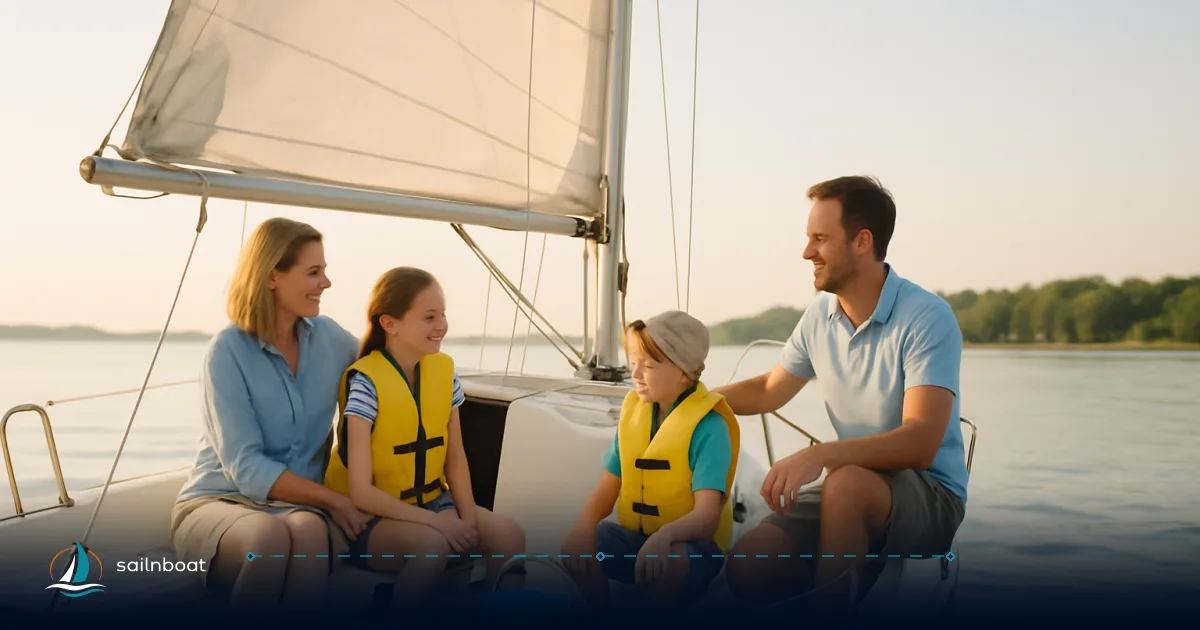
Families stay happiest afloat when you keep daily passages short, plan for protected anchorages, and build shore time into your itinerary. Most family-friendly sailing routes work best with legs of 10–20 nautical miles per day—enough for a few hours under sail, a swim stop, and time ashore before dinner. The key is to choose stable boats with space, stay flexible for weather or tired kids, and plan provisioning so you’re never caught out.
Choosing Family-Friendly Sailing Destinations
Pick a cruising ground that avoids long open-sea crossings, offers bays protected from the prevailing wind, and gives you access to supermarkets, pharmacies, and medical care when needed.
Top Destinations for Families
- Ionian Sea (Greece): Gentle summer winds (often force 3–4), close island hops, and a network of tavernas and sandy coves. Most weekly itineraries keep daily legs under 20 nm. Supermarkets are found in Lefkas, Nidri, Vathi, and Gaios; many offer delivery to the quay.
- British Virgin Islands (BVI): Sheltered waters, short hops (Tortola → Norman Island → Cooper Island), and a strong charter infrastructure. Supermarkets in Road Town and Spanish Town; provisioning delivery is widely available.
- Grenadines (Tobago Cays, Bequia, Mustique): Calm anchorages behind reefs, clear snorkeling, and beaches for younger swimmers. Tobago Cays Marine Park charges a per-person fee (see below). Provisioning can be limited; best to stock up in St. Vincent or Bequia.
- Abacos & Exumas (Bahamas): Shallow sandbanks, short legs, and sandbars for paddling. Larger supermarkets in Marsh Harbour (Abacos) and George Town (Exumas); smaller out-island shops are less reliable for fresh produce.
How to Choose Between Them
- Ionian: For green islands, calm afternoons, and family-friendly tavernas.
- Caribbean (BVI, Grenadines, Bahamas): For warm-water snorkeling, endless beaches, and short motoring legs.
- Consider flight connections (Caribbean hubs vs. European gateways), time of year (hurricane season, summer crowds), and whether you want a bareboat or crewed charter.
Planning Family-Friendly Itineraries: Short Legs and Flex Days
Short passages, sheltered anchorages, and one or two “flex” days keep family trips enjoyable and avoid exhaustion.
Daily Distances and Timing
- Typical range: 10–20 nautical miles per day is a reliable rule for family cruising. This means 2–4 hours of sailing on most modern yachts, leaving time for swimming and shore visits. Flotilla operators and family charters commonly plan for this range.
- Younger children or seasickness: Consider 5–12 nm legs and time arrivals for calmer afternoon winds. Many flotillas target no more than 3–4 hours underway.
Route-Building Checklist
- Brief the crew each morning: weather, passage time, and backup anchorages.
- Plan a marina or quay stop every 2–3 days for water, laundry, and supermarket access.
- Build in one full “shore day” per week for a land excursion or as a weather buffer.
- Favor bays protected from prevailing winds for overnight stays. If strong afternoon breezes are forecast, aim to be on a quay or in a sheltered cove by midday.
Mooring and Fees
- Ionian (Greece): Quay fees in smaller ports are often modest—many towns charge a nominal fee or none at all, especially if you dine at a taverna. Marina berths in Lefkas or Gouvia are higher; in high season, expect a broad range depending on boat size and marina—typically, €40–90 per night for a 45-footer is possible, but confirm with your operator or marina.
- BVI: Mooring balls are widely used, with rates typically in the $30–40 USD per night range. Marina slips in Road Town or Nanny Cay vary, often significantly by season and boat size. It’s common to see rates above $80 USD per night for a mid-sized yacht, and higher for larger or peak-season bookings.
- Grenadines: Tobago Cays Marine Park charges a per-person fee, commonly reported as EC$10–12 per person per day (about €3–4), collected by rangers. Most other anchorages are free, but marina berthing (e.g., Port Elizabeth, Bequia) is limited and varies; expect that rates can change, and confirm before arrival.
- Bahamas: Mooring balls in popular spots like Hope Town often run in the $20–30 USD per night range. Marina fees vary, often quoted per foot—$2–4 per foot per night is a common range in Marsh Harbour or George Town, but always verify current rates.
Many families minimize marina nights to save money, relying on anchorages where possible. Always check for local fee changes, especially in marine parks.
Provisioning: Supermarkets, Delivery, and Typical Costs
- Ionian: Large supermarkets in Lefkas, Nidri, Vathi (Ithaca), and Gaios (Paxos) are within walking distance of the quay. Many offer delivery direct to your boat, especially at Lefkas and Gouvia marinas. Prices for basics are generally in line with mainland Greece, but costs can vary by island and season. For a family of four, provisioning for a week (excluding restaurant meals) may range widely; budget accordingly and check with your base for current prices.
- BVI: Good provisioning in Road Town (RiteWay), with pre-order and delivery services available. Prices are higher than mainland US or Europe—imported goods and fresh produce can be expensive. A typical week’s groceries for a family can vary substantially; plan for higher costs, especially for fresh or specialty items.
- Grenadines & Bahamas: Stock up in main towns (St. Vincent, Bequia, Marsh Harbour, George Town). Out-island shops are smaller, with less choice and higher prices. Delivery is possible in main ports, but plan to stock up before you depart.
For all regions: Check with your charter base about pre-order and delivery options. Bring specialty snacks, allergy-friendly foods, or child-specific items from home if you’re particular.
Weather Windows and Seasonal Planning
- Ionian: Best from late May to mid-October. Summer brings predictable NW thermal winds (force 3–5), usually calm mornings and breezier afternoons. July–August is busiest and hottest; June and September offer fewer crowds and milder temperatures.
- BVI: High season is December–April (dry, steady easterlies, 15–20 knots). Hurricane season runs June–November; August–October have the highest risk and many operators close or restrict charters. Shoulder seasons (May/early June, late November) offer good sailing with fewer boats.
- Grenadines & Bahamas: Peak season is December–April. Expect steady trade winds (15–20 knots). Hurricane risk rises June–November, especially in the Bahamas. Always monitor weather forecasts and follow local advice.
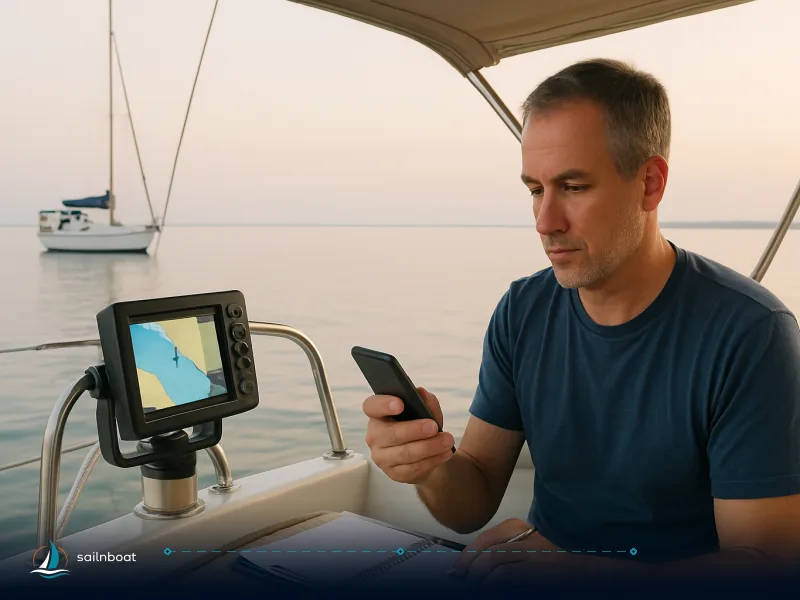
Avoid planning open-water crossings on days with high wind or storm warnings. Local weather apps and VHF forecasts are widely used; ask your base for recommended sources.
Kid-Friendly Activities on a Family Sailing Itinerary
Mixing up high-energy days with relaxed shore time keeps children engaged and reduces stress.
Activities for Children
- Snorkeling: Shallow reefs in Tobago Cays, Exumas, and Ionian coves offer safe underwater exploration. Always supervise closely and use reef-safe sunscreen.
- Dinghy trips: Short runs ashore for sandcastles, tide pools, and beach games (Voutoumi Beach, The Baths, Salt Whistle Bay).
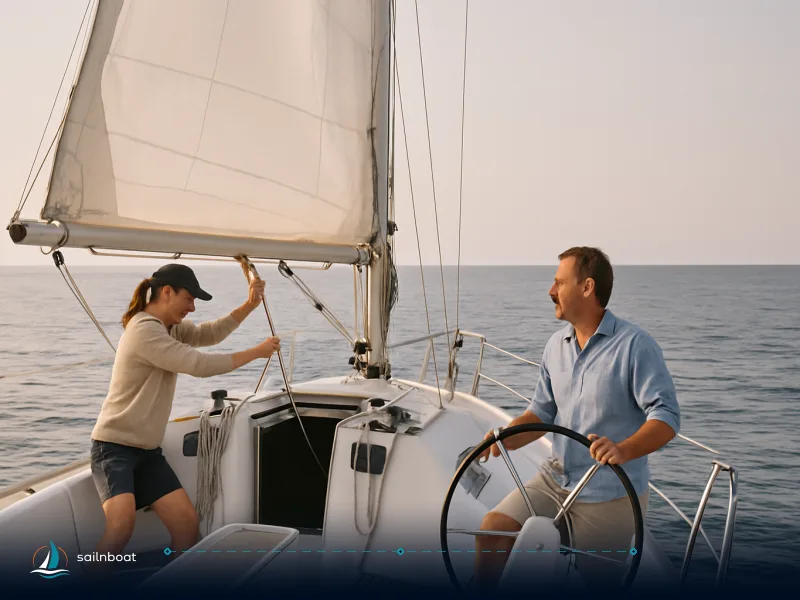
- Onboard tasks: Let children steer in calm conditions, help with simple navigation, or prepare snacks. Older kids can assist with lines and fenders.
- Land excursions: Nature walks, small museums, and local farms break up the routine and reduce screen time.
Planning for Downtime
- Schedule a daily “quiet hour” after lunch for reading or games. This helps prevent late-afternoon fatigue.
- Bring compact toys and games (cards, magnetic board games, books, swim vests). A small bag of beach toys makes a big difference at anchor.
Selecting the Right Charter Boat for Families
Your boat choice affects comfort, safety, and where you can anchor. The main trade-offs are stability and space versus cost and marina charges.
Boat Recommendations
| Boat type | Pros (family) | Cons | Typical draft (approx.) | Best when. |
|---|---|---|---|---|
| Catamaran | Level decks, spacious, shallow draft | Higher charter and marina rates | ~1.2–1.5 m | You want comfort, stability, and access to shallow bays |
| Monohull | Good upwind, usually cheaper to charter | Heels under sail, deeper draft | ~1.8–2.5 m | You prioritize sailing performance and lower cost |
| Motor yacht | Fast, enclosed cabins, predictable timing | Higher fuel costs, less “sailing” feel | Varies by model | You need quick transfers or mainly motor between stops |
Charter Options
- Bareboat: Cost-effective if you have the required experience and licences. Plan short legs and know your local navigation.
- Crewed: Skipper and host/hostess manage sailing, provisioning, and often lead kid-friendly activities. The APA (Advance Provisioning Allowance) typically runs 20–30% of the charter fee—major operators often quote 25% as a starting point. For a €7,000 charter, budget €1,400–2,100 as APA, but check with your operator for the latest policies.
- Flotilla/skippered day packages: Good for first-time family skippers. The lead crew plans routes and is on hand for support. Many flotilla operators offer family-focused itineraries with predictable distances and organized activities.
Safety Measures and Regulations on a Family Charter
Safety routines matter even more with children aboard. Make procedures simple, visible, and practiced before leaving the dock.
Essential Safety Gear
- Life jackets: One per person, correctly sized and meeting local standards. Many countries require children under a certain age to wear a life jacket while underway—check local rules. Store jackets where they’re easily accessible.
- Harnesses & jacklines: Use on open-water passages or for older children with tethers. Otherwise, keep small children below deck when underway.
- Other gear: Throwable float, first-aid kit (with seasickness and pediatric supplies), hats, sunscreen, fever/pain relief, and antihistamines.
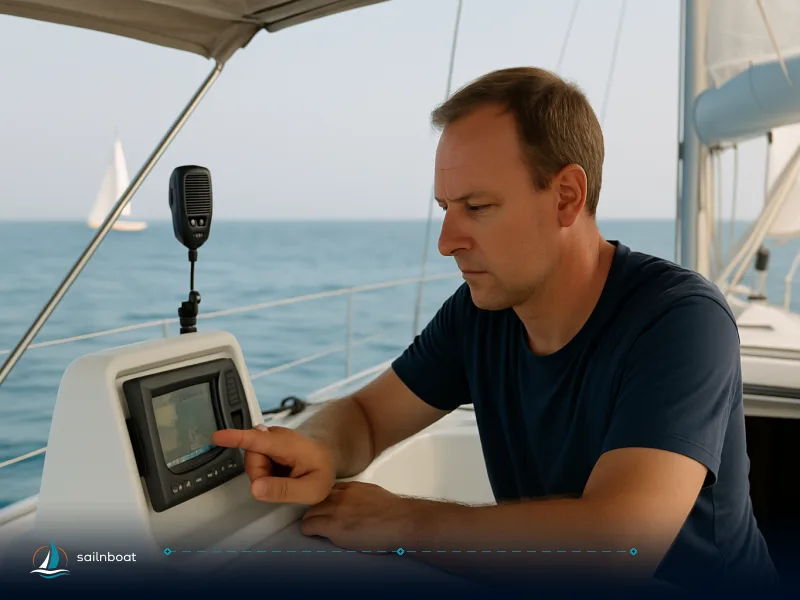
- Communications: VHF with DSC and programmed MMSI; carry an EPIRB or PLB for offshore legs. Ensure you and your skipper know how to use all equipment.
- Emergency routines: Fire extinguisher, bilge pump, flashlights, and a clear man-overboard plan. Rehearse a simple drill with the whole crew on day one.
Understanding Regulations and Local Practice
- Qualifications: Charter companies may require a sailing licence, VHF/SRC operator certificate, or proof of experience. The ICC is widely recognized in Europe; many Mediterranean countries and most major charter firms ask for it or a national equivalent. In the BVI and Bahamas, some companies accept a sailing resume but may still require a VHF operator certificate. Actual legal requirements and company policy are not always identical—confirm with your charter provider.
- VHF/SRC: In Croatia and many Mediterranean countries, charter companies routinely require at least one crew member to hold a VHF (SRC or equivalent) certificate, regardless of whether local law mandates it. In the Caribbean, requirements are more variable, but a VHF certificate is increasingly requested.
- Park rules: Marine parks typically limit anchoring, require ranger check-in, and charge entrance or per-person fees (e.g., Tobago Cays ~EC$10–12 per person per day at last report). Carry cash for park fees and follow published anchoring guidelines.
- Medical access: Know the locations of clinics and pharmacies along your route. In the Ionian, Lefkas General Hospital and Corfu General Hospital are the main facilities; most main islands have at least a pharmacy and doctor. In the BVI, Dr. D. Orlando Smith Hospital in Road Town and a clinic in Spanish Town are best equipped. In the Bahamas, Marsh Harbour Clinic (Abacos) and the Exuma Medical Clinic in George Town are primary options. Carry a list of emergency contacts and the local coastguard number, and pre-load them into your phone.
Insurance for Family Sailing Charters
Before booking, review insurance in three areas:
- Travel insurance: Covers trip cancellation, medical emergencies, and evacuation. Check that sailing (often up to a certain distance offshore) is included and that children are covered.
- Medical insurance: Verify your family’s coverage abroad; consider a supplemental policy if needed, especially for remote destinations.
- Charter deposit insurance: Most operators require a security deposit (often €2,000–4,000 for a typical family yacht); you can insure this deposit for a fee, which may reduce your liability for accidental damage.
- Personal accident/third-party liability: Some policies cover injuries onboard or damage to third parties—review your policy and ask your operator what’s included.
Sample Family-Friendly Itinerary: Ionian Sea, Greece
A flexible 7-day loop in the Ionian, keeping daily passages short and sheltered, with activities for all ages.
| Day | Route (approx.) | Distance (nm) | Kid-friendly activity |
|---|---|---|---|
| 1 | Base → Nearby marina/anchor (check-in, provisioning) | 0–5 nm | Harbour walk, provisioning, settle-in |
| 2 | Base → Meganisi / sheltered bay | 6–12 nm | Swim, snorkel, dinghy to beach |
| 3 | Meganisi → Kalamos / Kastos | 8–15 nm | Beach games, simple island hike |
| 4 | Kalamos → Ithaca (Kioni) | 15–20 nm | Village stroll, ice-cream, short walk |
| 5 | Ithaca → Fiskardo (Kefalonia) | 10–20 nm | Beach, taverna dinner |
| 6 | Fiskardo → Paxos (Gaios) | 20–35 nm (varies) | Harbour afternoon, trip to Antipaxos for Voutoumi |
| 7 | Paxos → Base or last-day relaxation | Variable | Morning swim, return to base |
Notes:
- Corfu → Paxos is ~30–35 nm from Corfu Town, shorter from southern bases. Check your exact base location and allow time for lunch/swim stops.
- Plan for at least one marina or town quay night for water, electricity, and shopping—kids appreciate a playground or gelato ashore.
- Keep a flex day for weather or recovery if a child is tired or unwell.
Sample Family-Friendly Itinerary: BVI (British Virgin Islands)
A classic 7-day route with short legs, safe anchorages, and kid-friendly stops.
| Day | Route (approx.) | Distance (nm) | Kid-friendly activity |
|---|---|---|---|
| 1 | Tortola (Road Town) → Norman Island | 7 nm | Snorkel at The Caves, beach at Pirates Bight |
| 2 | Norman Island → Cooper Island | 6 nm | Swim, beach games, ice-cream at Cooper Island Beach Club |
| 3 | Cooper Island → Virgin Gorda (The Baths) | 10 nm | Explore The Baths (boulders, pools, short walk) |
| 4 | The Baths → North Sound (Leverick Bay) | 8 nm | Water sports, pool, explore Bitter End Yacht Club |
| 5 | North Sound → Anegada | 13 nm | Flamingo ponds, Loblolly Beach, bike/scooter rental |
| 6 | Anegada → Jost Van Dyke (Great Harbour) | 20 nm | Swim, walk to White Bay, beach time |
| 7 | Jost Van Dyke → Tortola (base return) | 10 nm | Morning swim, return to base |
Notes:
- Mooring balls at most stops; current rates are typically $30–40 USD per night.
- Supermarkets in Road Town and Spanish Town for provisioning; delivery services available.
- The Baths is a must for families, but can be crowded—arrive early.
- Keep a flex day for weather or a longer stay at a favorite island.
Final Practical Checklist Before You Leave the Dock
- Confirm life jacket sizes for each child and know where they are stowed.
- Pack a medical kit: prescription meds, seasickness remedies, thermometer.
- Pre-load emergency contacts and the local coastguard number into your phone; leave a paper itinerary with someone ashore.
- Agree simple rules with children: PFDs when asked, no running on deck, buddy system for swimming.
- Book popular anchorages or quay nights in high season early. For marine parks, check if a ranger or entrance fee (cash) is required.
- Review your insurance cover, including medical and deposit insurance.
Choose a cruising ground that fits your family’s comfort level (Ionian for short, calm hops; BVI/Grenadines for warm-water snorkeling), select a stable platform (catamaran if budget allows), and plan a week around short legs, a shore day, and repeatable safety routines. If you want a sample route tailored to your base, children’s ages, and charter budget, contact us with your preferred region and we’ll prepare a detailed 7-day plan with precise distances and overnight stops.
Family Sailing FAQ
What’s the minimum age for children on a charter? Most charter companies do not specify a strict minimum, but infants and toddlers require extra safety measures—netting, harnesses, and constant supervision. Ask your operator about safety gear for small children.
How can I manage seasickness with children? Stick to short, sheltered legs and time passages for calm seas (usually mornings). Bring seasickness remedies suitable for children (always check age restrictions) and encourage time on deck, fresh air, and looking at the horizon.
Are there insurance policies that cover children and sailing? Yes, but check the fine print—ensure your travel and medical insurance includes recreational sailing and covers children for both illness and injury. Charter deposit insurance is also available.
How do I provision for allergies or special diets? Inform your charter base in advance—they can advise on local availability or arrange special orders. In the Med and Caribbean, gluten-free and lactose-free basics are increasingly available in main ports, but bring essentials from home if you rely on specific brands.
What if a child gets sick or injured? Know the nearest clinic or hospital for each planned stop (see regional detail above). Carry a list of local emergency contacts. For serious emergencies, VHF channel 16 reaches the coastguard in most regions.
Do I need a licence or certificate to charter with kids? Requirements depend on country and charter company. In the Med, an ICC or national equivalent is widely requested, and a VHF operator’s certificate is often required by the charter company. In the Caribbean, some bases accept a sailing resume, but requirements are tightening—ask your operator at time of booking.
Can I request extra safety gear? Most operators supply life jackets for all ages if requested in advance. Ask about safety netting, child harnesses, and baby/toddler PFDs. Bring familiar flotation aids from home if your child has a favorite.
Will my mobile phone work for emergencies? In most cruising regions, mobile coverage is good in port and near larger towns but patchy in remote anchorages. Carry a VHF radio, and ask your base about local SIM cards or emergency procedures.
How do I plan for a weather or illness delay? Build a “flex” day into your route and avoid over-committing to fixed bookings. Have backup anchorages and marina options marked on your chart in case you need to shorten a leg or lay over for a day. Communicate any changes to your charter base.
What’s the best boat type for families? Catamarans are popular for families due to stability and space, but monohulls are more economical and offer a traditional sailing experience. Prioritize safety, comfort, and ease of movement on deck.
If you have specific needs or want a custom itinerary, reach out to Sailnboat and we’ll work with your family’s ages, interests, and budget to craft a practical, enjoyable plan.
Frequently Asked Questions
Look for sheltered waters and short island hops: the Ionian Islands (Greece), the British Virgin Islands, the Grenadines, the Abacos and the Exumas are commonly recommended for families because they offer calm passages, nearby services, and many beaches and shallow anchorages.
Plan short days — typically about 10–20 nautical miles (2–4 hours under sail for most charter yachts). That gives time for breaks, lunch swims and an afternoon ashore; in very sheltered areas you can plan even shorter legs.
Snorkeling, guided nature walks, beach games, short dinghy trips, simple onboard chores (age-appropriate) and evening storytelling or card games work well; rotate high-energy days with restful anchorages.
Most family groups favour a catamaran for its stability, flat decks, shallow draft and living space, though a roomy monohull or a small motor yacht can suit families depending on budget and cruising ground.
Ensure each child has a properly sized, Coast Guard–approved life jacket; fit harnesses and jacklines for open-water sections; carry a well-stocked first-aid kit, VHF/EPIRB/PLB and rehearse man-overboard and emergency procedures before you leave the marina.
Written by
Sailnboat Editorial
The Sailnboat editorial desk covers yacht and boat chartering worldwide — routes, bases, seasons, boat types, paperwork and the practical costs that decide a trip. We are a charter marketplace, not a boat owner or a local agency: what we sell is judgement and support, so our guides are written to help you make a decision, not to sell you a specific boat. Every guide is checked against live operator and marina data before it goes out.
Fact-checked against live operator and marina data, and published under our editorial standards. Last reviewed: .