Best Time to Sail to Alaska: A Month-by-Month Guide
Late June through early September gives the best balance of daylight, milder weather and peak wildlife; this guide breaks May–September down month by month with weather, wildlife windows, hazards and mooring notes.

The best time to sail to Alaska is late June through early September: that window gives you the longest daylight, the warmest coastal averages and the peak wildlife runs that most crews want to see (whales, salmon-driven brown-bear activity and productive sport fishing). This guide breaks the season down month by month, lists what wildlife you can expect, and gives the safety and mooring details you actually need to plan a safe voyage.
Overview of Alaska's Cruising Season
Seasonal breakdown
- Typical cruising season for pleasure craft runs from May through September; transits outside that window are possible but encounter more ice, shorter daylight and much colder conditions.
- Early season (May–early June): cooler water and air, fewer crowds, useful for glacier access before peak melt and before some charter operations begin full schedules. Mid-season (late June–August): longest days, highest wildlife activity, and busiest harbors. Late season (September): shorter days, increasing rain and fog, and salmon runs that attract bears — good for focussed wildlife viewing but with more unsettled weather.
Trade-offs to choose your month
- If you want fewer crowds and easier marina berthing, choose May–early June or September. If you want the most wildlife and the warmest weather, choose late June–August — but be prepared to reserve moorage and buoy spots ahead.
Monthly Weather Patterns and Daylight Hours
Detailed monthly conditions — how to read these figures
- Alaska is large: coastal Southeast (Juneau, Sitka), Southcentral (Seward, Prince William Sound, Homer) and Gulf/Southwest areas see different temperatures and rainfall. Below are practical, region-based ranges for planning (temperatures in °C; daylight as a typical mid-month daily length). These are climatological averages (NOAA normals and local forecast offices) and will vary year to year.
Month-by-month quick table (practical planning values)
| Month | Typical coastal temps (°C) — Southeast / Southcentral / Sitka | Typical daylight (mid-month) | What to expect for a cruising crew |
|---|---|---|---|
| May | Cooler coastal temps (often single digits to low teens °C; Southeast slightly milder). | ~18 hrs (Southeast); slightly longer inland. | Early-season snowmelt, many private marinas opening; colder water, chance of spring storms. |
| June | Typically 10–16°C in coastal areas (Sitka/Juneau milder). | Up to ~19 hrs daylight — long twilight into late night. | Rapidly improving weather windows, whale arrivals begin; good glacier access before maximal melt. |
| July | Warmest month, often in the low to mid teens °C (peak seasonal warmth on average). | ~17–18 hrs. | Warmest month; steady wildlife activity (whales, bears); busiest marinas and state camps. |
| August | Coastal cooling begins, typically low teens °C; more rain in some areas. | ~15–16 hrs. | Salmon runs intensify in many rivers; fog and frontal rain become more common later in the month. |
| September | Noticeably cooler, often single digits to low teens °C; nights chill. | ~12–13 hrs (drops quickly through month). | Strong tidal/current changes, increasing fall storms and rain — excellent late-season wildlife viewing but more unsettled weather. |
Practical note on regional variance: Sitka and other outer-coast ports have a smaller temperature range and more maritime moderation than interior fjords; Anchorage-area cruising (Prince William Sound) will often be a few degrees cooler than Juneau on the same day. Use local station normals for final planning.
Wildlife Viewing Opportunities Throughout the Season
Key species and timing (practical windows)
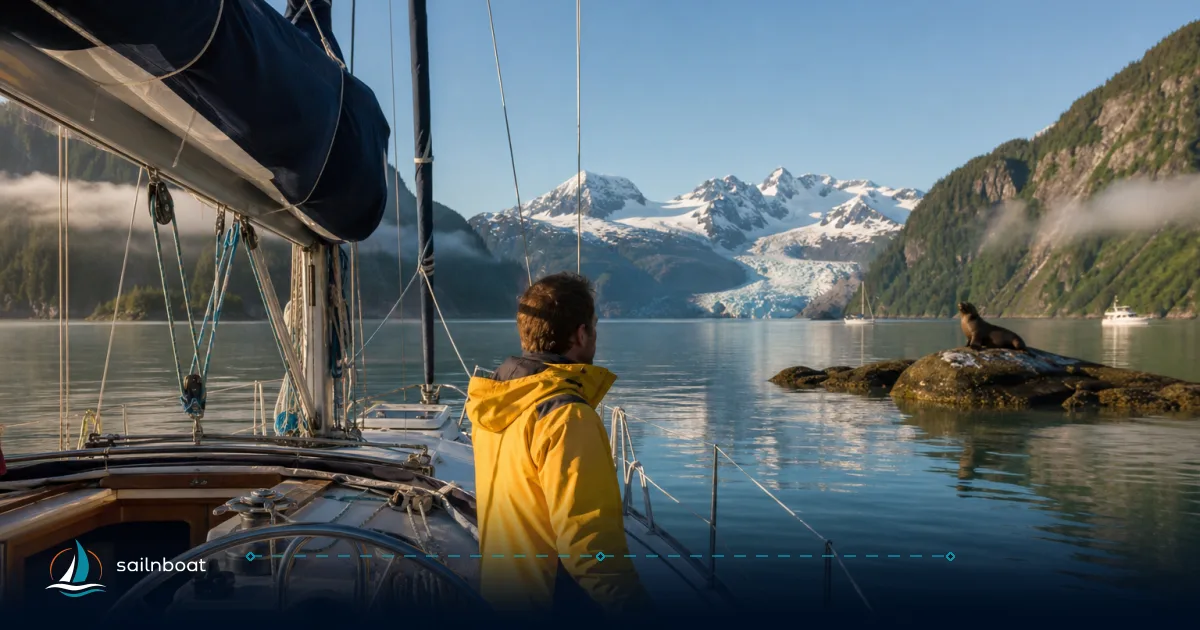
- Whales (humpback and other baleen species): most reliably seen June through August in Southeast Alaska and Prince William Sound as they follow herring and eulachon and feed nearshore. Expect the densest activity mid-summer.
- Bears (brown/grizzly and black): bears congregate on salmon streams from July into September, with many hotspots showing highest activity in July (when salmon runs peak in many rivers) and again in late August–September depending on river/run timing. If bear-watching is primary, plan for July–early September and expect to use approved viewing platforms or guided trips in high-use locations.
- Salmon: run timing varies by species and river. Sockeye and pink runs often peak June–July in many fisheries; chum and coho can run later into August–September depending on the basin. Salmon timing drives bear activity and many charter fishing seasons. Check the Alaska Department of Fish & Game run timing for your target river before you go.
- Seabirds, sea otters, porpoises and orca: seabird colonies have best visibility from late June into July; orca sightings occur year-round but are concentrated where prey is present and show heighted encounters mid-summer in the inside passage.
Wildlife trade-offs
- Peak wildlife months overlap with high visiting pressure. If you want big concentrations of bears (Brooks Camp, Katmai) expect crowds and permit queues; if you prefer solitude, accept a lower probability of the most dramatic sightings and choose May or September in less-accessible regions.
Safety Considerations for Navigating Alaska's Waters
Primary hazards and practical precautions
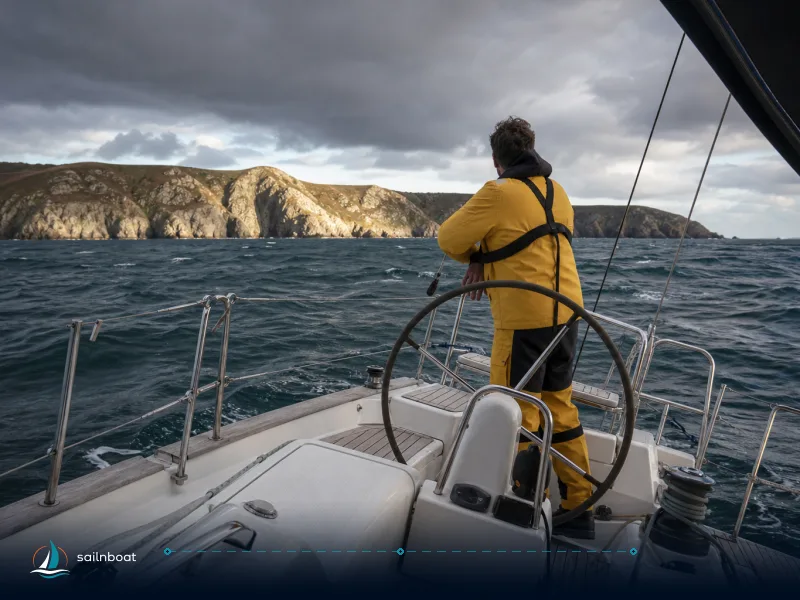
- Cold-water exposure: North Pacific and coastal Alaska waters are cold year-round; cold shock and rapid incapacitation are real in water under ~10–15°C (50–60°F). Use PFDs at all times on deck, carry immersion/insulation suits for offshore or exposed passages, and have an EPIRB/PLB and a plan for rescue. Survival and incapacitation times depend on water temperature, clothing and flotation; plan accordingly.
- Strong currents and tidal gates: many inlets and straits (narrows, headlands and ferry channels) produce strong tidal currents and overfalls. Tide/current planning is navigation-critical: use the NOAA Coast Pilot for Alaska (Coast Pilot 8/9 as relevant) for local current notes and timing, and compute slack windows before attempting tight passages. Never assume a slack period without checking local tide tables.
- Fog and reduced visibility: persistent summer fog can close visibility for hours or days in outer-coast areas; radar, AIS, good lights and sound-signal readiness are essential. The Coast Pilot specifically recommends using radar ranges for fixes where relief gives good radar echoes.
- Ice and glacier calving: when approaching tidewater glaciers give a wide berth — ice bergy bits roll and calve without warning. Glacier fronts can generate local winds and waves; limit close approaches and use a tender or shore-based viewpoint for photography.
- Search-and-rescue coverage and logistics: SAR response times vary in remote areas; if you plan remote coastal cruising, carry redundant comms (VHF, satellite messaging), a charged EPIRB and a written contingency plan for medevac or tow. The USCG and local harbor authorities expect vessels to be self-sufficient for extended periods in remote waters.
Checklist (minimum recommended)
- Functional radar + AIS, paper and electronic charts (NOAA raster/tideland prints), tide/current tables for intended narrows, lifejackets for every crew, immersion suits/wetsuits for exposed crew, EPIRB/PLB, grab bag, and a plan for shore support or a standby vessel if you transit remote passages.
Optimal Months for Specific Sailing Activities
Activity-specific timing (what months give the best return)
- Glacier viewing: June–early September. Early summer (June–early July) often offers clearer approaches before late-summer meltwater increases glacial runoff and turbulence. Tidewater glacier calving is possible all season—keep distance.
- Fishing (salmon, halibut): July–August is the busiest and most productive time in many coastal regions; exact windows depend on species and river system — check ADF&G advisories and sport-fishing regulations the week you go.
- Whale watching: June–August is the most reliable window for humpback and other baleen whales in Southeast Alaska and Prince William Sound. Plan shore or skiff-based approaches where permitted and keep legal separation distances.
- Kayaking and sheltered cruising: June–early July gives longer, typically calmer days; late July–August has the warmest air but can bring more rain and afternoon winds in exposed places. Choose bays and fjords accordingly.
Mooring Availability and Fees Throughout the Season
What to expect on cost and availability
- Demand curve: moorage and buoy fields peak in July and early August. Popular harbors (Sitka, Juneau, Ketchikan, Seward, Homer) fill quickly on summer weekends and during festival/derby weekends — reserve when you can or arrive early in the day for transient spots.
- Typical municipal rate structure: many Alaska municipal harbors publish transient moorage by the foot per day. Example: Sitka’s published transient rates are currently about $1.44/ft/day for vessels up to 80ft (tiered higher for larger vessels); that equates to roughly $65/day for a 45ft boat at the Sitka published rate. Expect similar per-foot municipal pricing elsewhere, often with power and pump-out charged separately. (Rates change; check the harbor pages for current tables.)
- State marine parks and buoys: some state park mid-channel buoys or mooring buoys may be free or low-cost and are generally first-come, first-served; these are useful alternatives to docks where available but do not offer shore utilities. Availability in high season is limited.
Sample cost guidance (practical)
- Municipal transient: commonly ~$1.00–$2.50 per foot per day in many Alaska towns (tiered by length); for a 40–50 ft yacht that typically means tens to a low triple-digit USD total per night at high-demand facilities. Private marinas and full-service marinas will charge more. For budgeting, use municipal published rates for the towns on your route and allow margin for electricity, pump-out and berth reservation fees.
Putting it Together — Route & Timing Examples
Short planning scenarios
- Inside Passage, leisurely 10–14 day summer cruise: depart late June or early July to maximise daylight and whale activity; reserve key stops (Sitka, Gustavus/Glacier Bay, Juneau) for weekends in advance. Expect calm mornings, variable afternoons, and busy marinas in July.
- Prince William Sound & Glacier run: aim for June–early July for clearer glacier approaches, or late August–September for intense salmon/bear viewing at specific rivers — choose based on whether your priority is glacier approach clarity or bear concentrations.
- Sport‑fishing-focused trip: schedule for July–August in the target management area (ADF&G run timing varies by watershed — consult the run-timing calendars for the specific river).
Final safety-first checklist before departure
- Check the latest local weather and small-craft forecasts (NOAA); print/keep local tide tables and Coast Pilot extracts for narrow passages; verify moorage availability for weekends and festival dates; ensure everyone aboard knows man-overboard and cold-water procedures and can don immersion protection quickly.
Frequently Asked Questions
May–September shows rapidly increasing daylight into June, then slowly decreasing; mean temps vary by region but typically sit in the range of ~8–18°C across coastal cruising areas (cooler in May/September, warmest in July).
Whales are most visible June–August, bears concentrate on salmon streams July–September (peak viewing in July), and major salmon runs often peak July–August (species and timing vary by river).
Carry immersion suits or exposure protection, lifejackets, radar/AIS, current/tide planning (Coast Pilot), and an EPIRB/PLB; respect glacier calving distances and treat fog and strong tidal currents as routine hazards.
Fishing (salmon/halibut) is best July–August in most coastal regions; glacier viewing is good June–September, with June–early July often clearer for tidewater glacier approaches.
Availability is tight in July–early August in popular ports; many municipal harbors publish per-foot daily transient rates (commonly in the $1–$2/ft/day range), so moorage for a 40–50ft boat commonly runs tens of dollars per night.
Written by
Sailnboat Editorial
The Sailnboat editorial desk covers yacht and boat chartering worldwide — routes, bases, seasons, boat types, paperwork and the practical costs that decide a trip. We are a charter marketplace, not a boat owner or a local agency: what we sell is judgement and support, so our guides are written to help you make a decision, not to sell you a specific boat. Every guide is checked against live operator and marina data before it goes out.
Fact-checked against live operator and marina data, and published under our editorial standards. Last reviewed: .