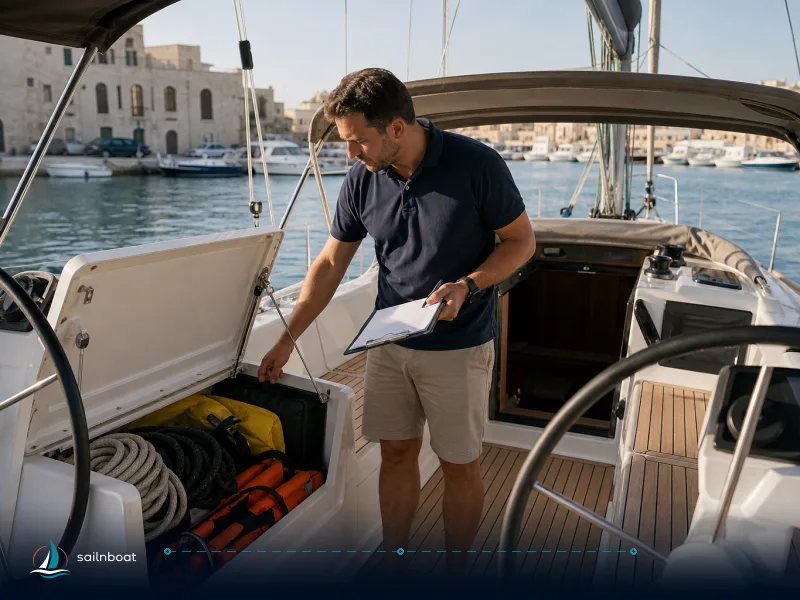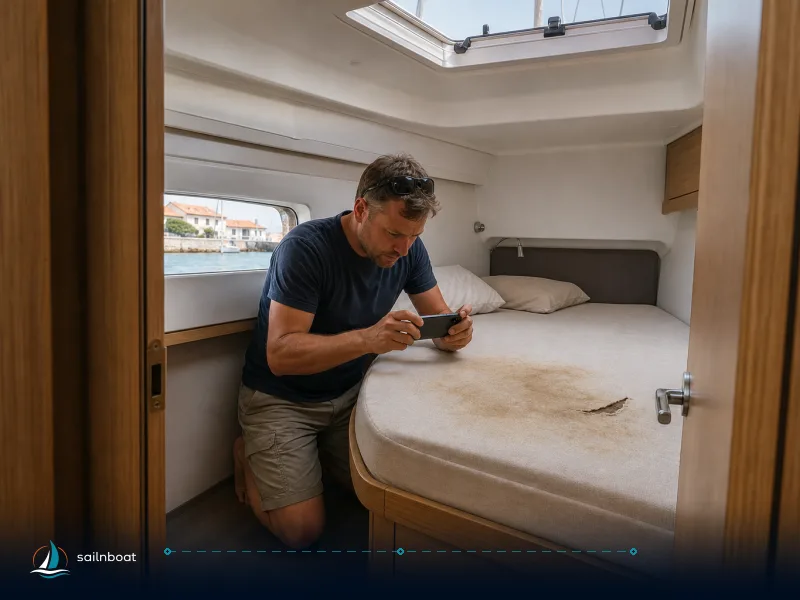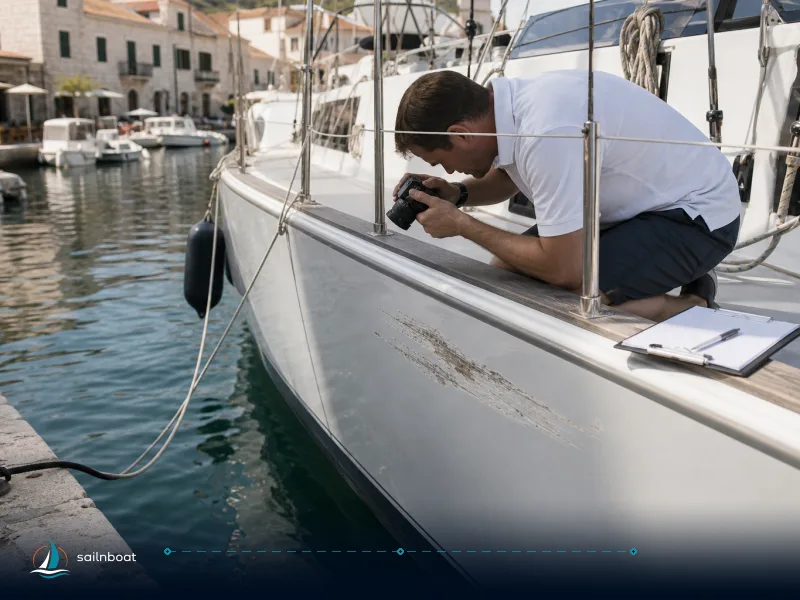
Central Agent vs Local Broker: Crisis Management in Yacht Chartering
A central agent holds the commercial relationship with the owner and manages contracts and funds; the local/retail broker and the captain are usually your on-scene crisis responders. This article explains the operational, contractual and liability distinctions you must insist on before you book.

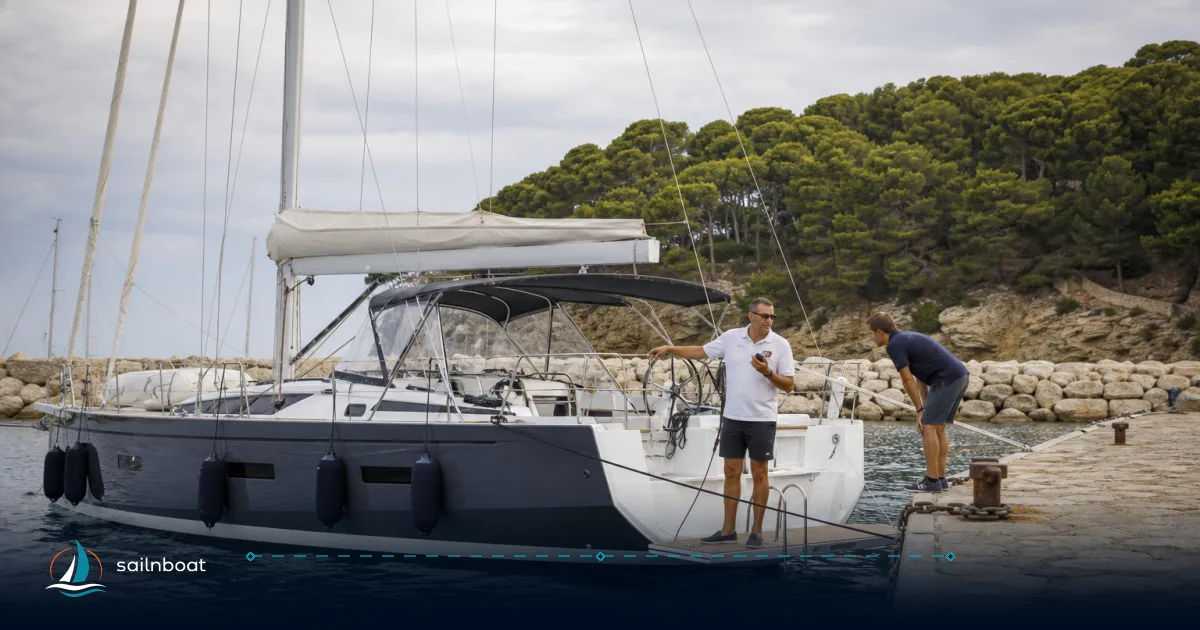
The central agent holds the owner’s commercial relationship: they issue the contract, act as stakeholder for funds, and manage market communications for the yacht; however, when something goes wrong at sea your immediate responders are the captain, crew and the local (retail) broker who is “boots on the ground.” Put plainly: the central agent manages the contract and owner-side decisions; the local broker and the vessel handle first-response and logistics — your contract must say how those lines of authority connect.
Defining Central Agents and Local Brokers
Know which entity does what before you sign. The distinction is operational and contractual, and it changes who you call at 02:00.
What is a Central Agent?
A central agent is the company the yacht owner appoints to run the yacht’s charter business: listing the yacht, distributing availability to the broker network, issuing the charter agreement (MYBA/CYBA/other standard forms) and often acting as the stakeholder that receives and holds charter funds. This role is commercial and administrative — they protect owner interests, negotiate bookings and coordinate paperwork rather than physically providing on‑site support.
Operational note (confidence): many central agents also provide or arrange charter‑management services, but those are distinct functions; confirm whether the central agent also runs the yacht operationally before you assume they will manage crew, maintenance or emergency logistics.
What is a Local Broker?
A local broker — frequently called the retail broker — represents you, the charterer, and manages the pre‑charter logistics and guest liaison (embarkation, provisioning briefings, local permits). During the charter they act as the immediate point of contact for itinerary changes, local suppliers and guest complaints; they are the “boots on the ground” who liaise with marinas, port authorities and emergency services when required.
Practical consequence: expect the retail broker to solve practical problems quickly (berthing, replacement services, quick‑parts, local medical evacuation suppliers); expect the central agent to handle contract amendments, refunds, stakeholder releases and owner approvals.
Crisis Management Responsibilities
A crisis splits into two distinct workflows: immediate safety/operations, and contractual/financial resolution. Each party contributes, but their responsibilities differ.
Central Agent's Role in Emergencies
- Contract and stakeholder duties: the central agent is frequently the charter stakeholder named in the contract and therefore controls release of charter funds and formal amendments to the booking. That makes them pivotal for refunds, invoicing emergency costs and issuing any contract variations.
- Owner liaison and legal coordination: they notify and advise the owner, coordinate insurance notifications if needed, and arrange owner-side approvals for changes to itinerary, repairs or repatriation.
- Communications escalator: central agents are the escalation point for disputes that cannot be solved locally; they will normally open formal incident reports and activate legal or claims processes.
These are industry‑standard roles for central agents in MYBA/CYBA frameworks, but exact duties and authority depend on the central‑agency mandate and the charter form named in the contract.
Local Broker's Emergency Response
- Immediate assistance: local brokers coordinate local service suppliers (tugs, mechanics, medical providers), help re‑berth the yacht, and arrange ground transport or onward travel when the crew and captain request assistance.
- Client liaison: they keep you informed in real time, collect witness statements and coordinate with the captain on guest priorities (medical, safety, continuation vs cancellation).
- Practical payments: when an urgent supplier requires payment, the retail broker may assist with local arrangements (card, cash or company account) while the stakeholder processes formal payment, but the exact process can vary and should be confirmed with your broker.
Operational note: availability and response capacity vary widely by destination — a local broker in a busy Mediterranean marina will have more rapid options than one based in a remote archipelago. Ask for specifics.
Liability and Dispute Resolution
Liability after a crisis depends on who did what, what the contract says, and the governing law named in the charter.
Liability of Central Agents
- Contractual exposure: because the central agent is usually a signed party (or the stakeholder) to the charter form, they may have contractual exposure for breaches related to their commercial duties (such as misrepresentations about availability or issues with fund release), but the extent of liability depends on the contract and applicable law.
- Not a rescue operator: central agents do not typically accept operational liability for on‑scene decisions made by the captain; operational responsibility generally sits with the owner, operator, or captain and the vessel’s insurer, but confirm this in your contract.
- Insurance and PI: reputable central agents carry professional indemnity and are required by some platforms to hold client-accounting safeguards; the extent to which that protects you varies by jurisdiction and policy wording.
Local Broker Liability
- Operational interface: the local broker can be exposed if they give operational advice that the captain relies on, or if they undertake local services and those services fail. Liability here is highly fact‑dependent and governed by the contract and local law.
- Dispute path: routine disputes (berth damage, supplier claims, provisioning shortfalls) are usually first handled between charterer/retail broker/captain; escalations go to the central agent and then to arbitration or court per the charter agreement.
Legal calibration: law and professional duties vary by country; treat these descriptions as typical industry practice rather than legal certainty and seek legal counsel for binding interpretations.
Key Contract Clauses for Crisis Management
A clear contract prevents confusion when time matters. Below are clauses to insist on or add as special conditions.
Essential clauses to include (practical checklist)
- Named parties and stakeholder: full legal names for owner, central agent (stakeholder if different), retail broker and charterer.
- Escalation ladder: a short, ordered list — Captain → Retail Broker (local) → Central Agent (stakeholder/owner contact) → Owner → Insurer — plus 24/7 contact details for each.
- Emergency costs & APA handling: who authorises urgent supplier invoices; how interim payments are made and how they are reconciled with the APA/stakeholder.
- Medical evacuation and repatriation: named medical‑evac insurer or supplier, responsibility for cost, and how medical decisions are made if the charterer is incapacitated.
- Variation & itinerary changes: who may approve route or schedule changes while the charter is in progress and what constitutes “reasonable” owner approval.
- Dispute resolution and governing law: specify arbitration/mediation or court, and the governing law (commonly English law under MYBA forms, but this varies).
Ensuring clarity in contracts
- Get the contract (the exact MYBA/CYBA form) before you pay anything and read the stakeholder and special‑conditions sections line by line.
- If you need different operational authority in a crisis (for example, immediate owner approval for a medical evacuation), add a specific special condition that names a decision maker and the time window for automatic approval.
Questions to Ask Your Broker
Use these to test preparedness; insist on written answers and local contacts.
Assessing preparedness (ask for evidence)
- “Have you handled a medical evacuation or major mechanical failure in this base in the last 36 months? Can you give the dates, outcome and references?” (many brokers will provide anonymised examples).
- “Who is the 24/7 on‑call contact for this charter and what is their local mobile number?”
- “Which local suppliers (tugs, mechanics, medevac, customs agent) do you use and how quickly can they respond?”
Clarifying protocols (practical, contractable prompts)
- “Who is the named stakeholder in the contract and what is the process for releasing funds for emergency services?”
- “Describe the escalation procedure from crew to owner-side and provide it in writing as a charter appendix.”
- “Which insurer handles evacuation/medical liability and do they require pre‑authorisation for treatment?”
- “If the captain deems the yacht unseaworthy, what is the step-by-step cancellation/refund process and timeline?”
Sample comparison table — At-a-glance
| Task or duty | Central Agent | Local/Retail Broker | Captain/Crew |
|---|---|---|---|
| Contract, stakeholder & funds | Primary (issues contract; may be stakeholder). | Not usually (except where acting as stakeholder). | No |
| First‑line emergency response | Remote coordination, owner liaison | On‑site coordination with suppliers | Immediate safety, navigation, first medical response |
| Local logistics (berthing, permits) | Coordinates as needed | Primary responsibility | Crew executes |
| Insurance / claims liaison | Notifies owner; coordinates claims | Assists with evidence and local supplier invoices | Initial incident report; works with insurers |
| Dispute escalation | Final commercial/owner contact | First escalator for charterer | Reports and supports |
Practical next steps before you book
- Request the exact charter form (MYBA/CYBA) and the signed central‑agency mandate for the yacht.
- Get a written escalation ladder and 24/7 numbers in the booking confirmation.
- Ask for the named stakeholder and their banking instructions in writing; verify bank details by phone.
- Confirm evacuation/medical insurer and whether pre‑authorisation is required.
- Keep a small contingency card for immediate local payments; expect formal settlement through the stakeholder after the incident.
Final practical advice
Treat the central agent as the contract and owner‑side hub, and the local broker as your operational ally. Don’t rely on verbal assurances for crisis roles: get the escalation ladder, supplier lists and stakeholder details into the charter contract or an appendix. That single page of operational clarity is the difference between a fast, clean resolution and months of disputed invoices.
Contact us to learn more about how to draft the crisis clauses you need and to review any charter contract before you sign.
Frequently Asked Questions
A central agent markets the yacht for charter, holds the commercial relationship on behalf of the owner, often acts as the stakeholder named in the charter and issues the industry-standard contract.
A local or retail broker represents the charterer, handles local logistics, coordinates embarkation and is typically the first contact for operational or guest-facing issues during the charter.
Immediate safety and response are managed by the captain and crew and supported locally by the retail/local broker; the central agent supports contract, financial and owner-side decisions remotely.
Liability depends on contract wording and governing law; central agents are party to the charter and can be accountable for miscommunications or failing stakeholder duties, but operational liability usually rests with the owner/captain and insurer.
Insist on explicit clauses: named stakeholder, escalation ladder (captain → retail broker → central agent → owner), communications templates, insurance contacts and dispute-resolution forum.
Roles and limits of authority, escrow/stakeholder duties, emergency costs (APA handling), medical/evacuation procedures, and a clear dispute-resolution and governing‑law clause.
Request evidence of past incidents handled, 24/7 contact details, local emergency suppliers, insurer contacts and a written incident-response plan or checklist.
Ask who is the named stakeholder, who will lead an on‑scene response, how funds for emergency costs are released, what emergency contacts exist locally and which dispute forum applies.
Written by
Sailnboat Editorial
The Sailnboat editorial desk covers yacht and boat chartering worldwide — routes, bases, seasons, boat types, paperwork and the practical costs that decide a trip. We are a charter marketplace, not a boat owner or a local agency: what we sell is judgement and support, so our guides are written to help you make a decision, not to sell you a specific boat. Every guide is checked against live operator and marina data before it goes out.
Fact-checked against live operator and marina data, and published under our editorial standards. Last reviewed: .