Circumnavigating Corsica: A Ten-Day Sailing Expedition
A practical, ten-day counter-clockwise Corsica sailing route with daily distances and times, marina and anchorage options, seasonal wind windows and the key safety checks you must make before you leave the dock.

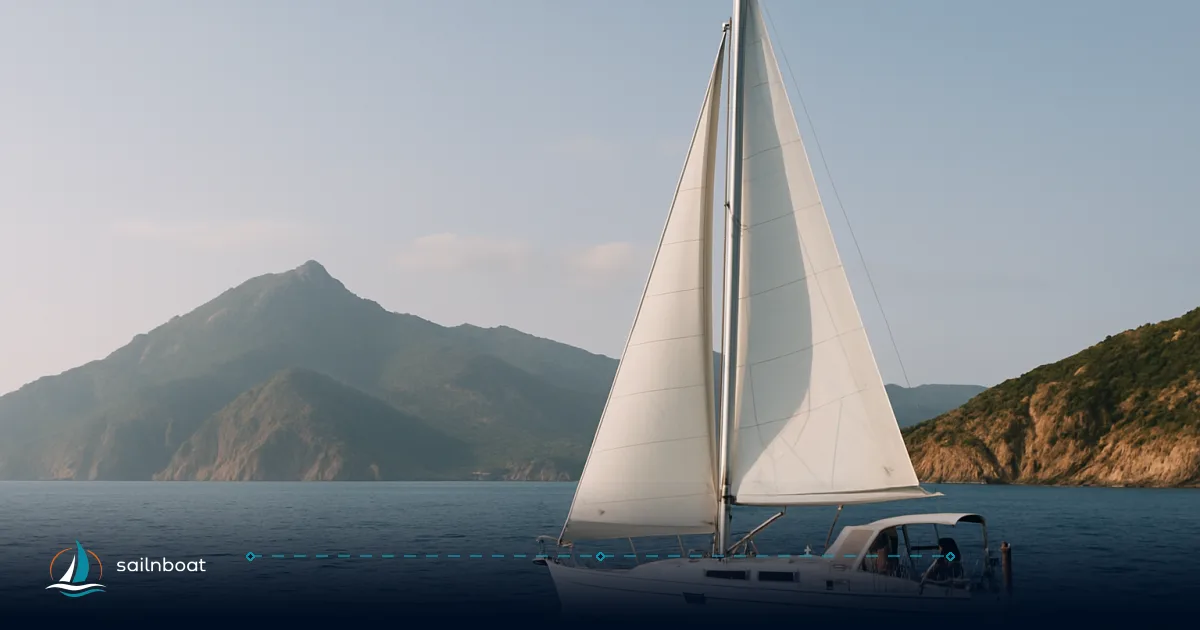
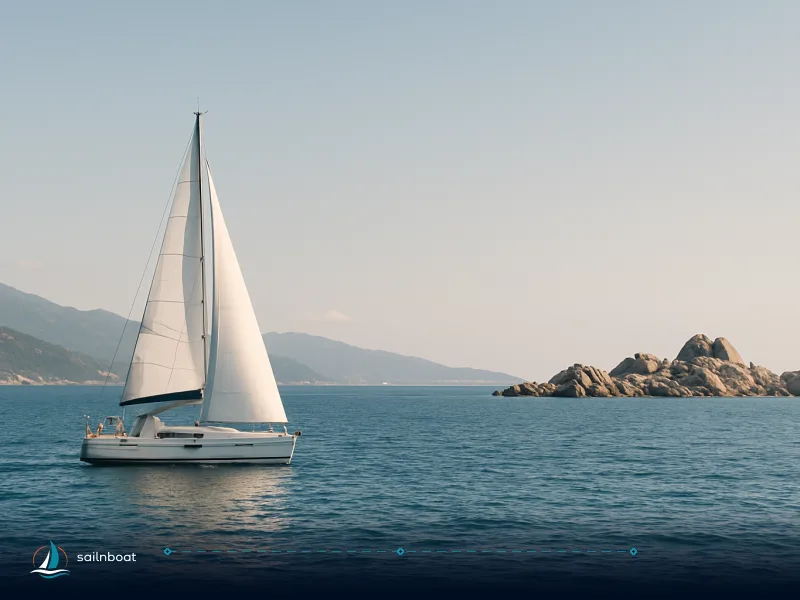
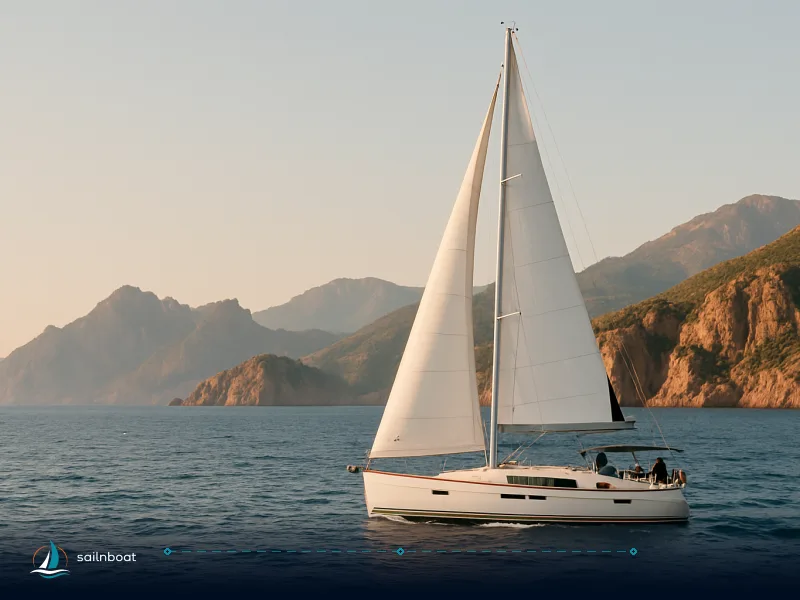
Corsica sailing route: the most practical ten‑day circuit runs counter‑clockwise from Ajaccio down the west coast, around the southern cape and then up the east coast before returning to Ajaccio — that sequence keeps the consistently exposed Bonifacio strait as a single managed transit and spreads the longer east‑coast mileage over two days.
Day-by-Day Sailing Itinerary
Below is a compact ten‑day plan for a motivated intermediate/advanced crew on a coastal cruising yacht (cruise speed assumed 6–7 knots for a monohull; catamarans will be faster). Distances are coastal/route‑of‑interest estimates; allow extra miles for tactical routing, sheltering or detours. Where a leg is unusually long for a day hop I note alternatives.
-
Day 1: Ajaccio → Propriano — Distance ~25–30 nm; est. sail 4–6 hrs. Typical first day after handover: down the Gulf of Ajaccio and past the Sanguinaires islands toward the Valinco / Propriano anchorage and marina. Plan for late afternoon check‑in; berths at Tino Rossi fill in high season.
-
Day 2: Propriano → Campomoro — Distance ~8–12 nm; est. sail 1–2.5 hrs. Short coastal hop into the sheltered bay of Campomoro—good for a relaxed morning sail and a quiet night at anchor or a small village quay.
-
Day 3: Campomoro → Bonifacio — Distance ~20–30 nm; est. sail 3–5 hrs. A straightforward coastal passage rounding southern headlands toward the narrow approaches of Bonifacio. Time your approach for daylight; the channel and harbour require attention to traffic and local rules.
-
Day 4: Bonifacio → Porto‑Vecchio — Distance ~12–18 nm; est. sail 2–3.5 hrs. Short run north along the southeast coast to Porto‑Vecchio — convenient provisioning, good berth options but tight in peak season.
-
Day 5: Porto‑Vecchio → Saint‑Florent — Distance is a long direct coastal leg; est. sail time varies and may require 10–12+ hrs or splitting into two days (recommended). This is the day that commonly forces a decision: make a long east‑coast passage (becoming a full sea day) or break the leg at Solenzara / Aléria / Bastia depending on conditions. Harbour options on the east coast are more limited and the coast is exposed to certain wind directions. Use this day to plan for a dawn departure if you must make the full distance. Distance example: Porto‑Vecchio to Saint‑Florent is a long east-coast leg; check your chart or routing tool for the most accurate direct distance.
-
Day 6: Saint‑Florent → Calvi — Distance ~25–35 nm; est. sail 4–6 hrs. Shorter hop across the Agriates and the Balagne coast to Calvi; excellent final‑afternoon berth options in Calvi’s marina or anchorages nearby.
-
Day 7: Calvi → Girolata — Distance ~20–30 nm; est. sail 3–5 hrs. Cross to the Golfe de Porto; Girolata is car‑free and a classic anchor/night‑stop. Keep to standard approaches and respect the marine park boundaries.
-
Day 8: Girolata → Scandola (day visit / anchorage nearby) — Distance ~5–10 nm; est. sail 1–2 hrs. Scandola is a protected marine reserve; most visitors reach the reserve by licensed excursion or by approach under strict rules — anchoring inside certain zones is restricted and dedicated buoys exist in limited locations. Plan a morning visit by tender or an early arrival to avoid tour‑boat rush.
-
Day 9: Scandola → Cap Corse (Macinaggio / Bastia area) — Distance variable; estimate 40–80 nm depending on exact destination; est. sail 6–14 hrs. This is a longer transfer up the west and then east side of Corsica to the Cap Corse tip — break it in Bastia or Centuri if you prefer shorter days. Cap Corse approaches and anchorages are exposed; check local wind angles.
-
Day 10: Cap Corse → Ajaccio (return) — Distance depends on start point; example Bastia → Ajaccio ≈ 48 nm (direct) so plan 8–10 hrs coastal sailing; from Macinaggio it’s significantly longer and may take two days. Finish with a late‑afternoon berth back at Ajaccio Tino Rossi. If you have time, allow an extra day—this final leg can be the trip’s most committing if you start at the extreme tip.
Notes on timings: the estimates above assume 6–7 kt average hull speed for a monohull under mixed sail/motor; catamarans are often faster than monohulls under similar conditions, but the exact time savings vary by boat and conditions. Where I give a long single‑day distance I also list practical break options — sensible for weather or crew fatigue.
Mooring Options and Fees
Marinas on Corsica are a mix of municipal capitaineries and private marinas; availability tightens considerably July–August. Tariffs change seasonally and are usually calculated by length or surface area (m²). Below is a practical comparison table for the ports named in the route—fees are typical high‑season visitor ranges for an ~10–12 m monohull as reported by local port pages, skipper forums and recent marina summaries.
| Port / Marina | Typical visitor fee (10–12 m, high season) | Facilities / notes |
|---|---|---|
| Ajaccio — Port Tino Rossi | ~€50–€90 / night reported for visitor berths (varies by length). | Central berth at the citadel, limited visitor spaces in high season; check capitainerie times. |
| Propriano — Port de Plaisance | ~€30–€60 / night (municipal tariffs shown on port site). | Water/electric often included; protected gulf; good provisioning. |
| Bonifacio — Port de Plaisance / mouillage | ~€60–€120+ / night possible in high season; organized moorings and marina tariffs published. | Very popular; approach is scenic but needs attention; buoy fields operate with fixed rates. |
| Porto‑Vecchio — Port de Plaisance | ~€60–€100 / night reported in recent port summaries. | Modern marina; reserve in July/August. |
| Calvi — Port de Plaisance | ~€50–€90 / night in high season (reports vary). | Check for local advisories on swell and shore access. |
Practical tips:
- Book high‑season berths in advance for Ajaccio, Bonifacio and Porto‑Vecchio (often a week+). Many charter skippers use a combination of reserved marina nights and protected anchorages to save cost.
- Some municipal ports show tariffs in m² on official PDFs; visitor rates often rise by bracket in July–August. Check the local capitainerie pages on arrival day for up‑to‑date rules.
Weather Patterns and Optimal Sailing Windows
Corsica sits in the northwestern Mediterranean and its wind climate combines large‑scale systems (Mistral/Tramontane) and local thermal winds.
-
Best months: May–June and September are the cleanest sailing windows — milder tourist pressure, reliable sea temperatures and fewer extreme afternoon thermals. July–August is perfectly sailable but expect stronger daily thermals and busy marinas. Winter (Nov–Mar) is wetter and often windy; not recommended unless you have a seaworthy plan and full weather support.
-
Key winds to plan around:
-
Mistral / Tramontane (strong, north‑westerly / northerly) — most frequent in winter/spring transitions but can occur year‑round; when it sets in it can blow for multiple days and produce high seas on exposed coasts.
-
Libeccio / Ponente (south‑west / west) — common on the west coast and can create confused seas near headlands.
-
Gregale (NE) and Sirocco (SE) — episodic; Sirocco brings warmer air and seas with possible Saharan dust.
-
Local pattern: in summer expect a combination of morning Mistral or northerlies and a predictable afternoon thermal component in the bays; this produces pleasant sailing but also gusty headlands — reef early if you expect gusts over 20–25 kt.
Always check synoptic charts and a reliable local forecast provider for the day before departure; Corsican passages can be short but exposed, so a misjudged wind direction can make a coastal hop uncomfortable and slow.
Navigational Challenges and Safety Considerations
-
Strait of Bonifacio (Bouches de Bonifacio): historically hazardous — many rocks, busy shipping, and protected‑area rules. Follow the buoyed channels, consult current local notices and allow wide clearance of the Lavezzi islets. The strait has specific traffic management and environmental protections; plan crossings in daylight and check for pilotage or reporting requirements for large or commercial craft.
-
Scandola / Golfe de Porto / Girolata: strictly managed marine reserve and UNESCO site — anchoring and visiting rules apply, and access is managed to protect habitats. Girolata provides limited quays and buoys; many operators run licensed visitor trips from nearby ports. Expect restrictions on where you can anchor and prefer designated buoys.
-
Tides and set: tidal amplitudes around Corsica are generally modest compared with open ocean coasts — many places show tidal ranges measured in decimetres to around half a metre in normal cycles — but local set caused by strong winds and pressure can create surprising currents and water level changes; consult local tide tables for the area you transit (Scandola and some narrow channels require particular attention). Do not rely on “typical” height when navigating narrow approaches.
-
Charts & pilot books: carry up‑to‑date paper charts (SHOM) for the area and a modern electronic chart system with current updates; many Corsican approaches and shoals are best approached with the corresponding 1:50k charts and pilot notes. Buoyage and restricted zones change; rely on official sources for approach rules.
-
Local traffic and day‑boats: expect heavy day‑boat and excursion craft traffic in Porto‑Vecchio, Bonifacio and the Golfe de Porto during summer afternoons; plan manoeuvres with conservative speed and lookouts.
Safety checklist before departure:
- Brief your crew on man‑overboard and harbour‑entry procedures.
- Check fuel and water: ports for fuel are not guaranteed in every small harbour — top up in Ajaccio or Porto‑Vecchio if you must.
- Confirm marina opening hours and late check‑in procedures with the capitainerie; many close the office in evenings even if pontoons remain available.
Cultural and Historical Highlights (select stops)
-
Ajaccio: Napoleon’s birthplace — Maison Bonaparte and the Musée Fesch are core city stops if you have a half‑day. The old town quarters and waterfront make provisioning and last‑minute parts easy.
-
Bonifacio: the citadel perched on limestone cliffs — allow an afternoon to walk the ramparts and the old town; approaches by sea reveal the town’s dramatic cliff base. Be prepared for tourist crowds in summer.
-
Calvi: Genoese citadel, convenient marina and good restaurants ashore; the town is compact and walkable from the pontoon.
-
Girolata & Scandola: natural highlights — the car‑free village of Girolata and the red‑cliff calanques of Piana / Scandola are the cruising high points; allow time for a tender ride, short walks, and wildlife/sea‑cave viewing with minimal disturbance.
Practical shore tip: enjoy local small‑harbour restaurants at lunchtime rather than peak evening service to avoid long waits and to secure tables for your crew.
Final planning notes and trade‑offs
- Pace vs. places: a true circumnavigation in ten days is achievable but tight: expect 1–2 long sea days (50–70+ nm) or split them and accept fewer on‑shore stops. The trade‑off is between more relaxed sightseeing (add days) and completing the full loop in the allotted time.
- Cost vs. convenience: high‑season dockage in Ajaccio/Bonifacio/Porto‑Vecchio is comparatively expensive — combining a few nights at anchor or in municipal buoy fields can cut costs considerably but requires self‑sufficiency (water, power).
- Weather conservatism: allow extra days or identify safe havens (Propriano, Porto‑Vecchio, Bastia, Calvi) to shelter from a sustained Mistral or an unexpected squall front.
Plan your charter with the ports’ capitaineries on your short‑list, carry up‑to‑date charts and a reliable forecast service, and give priority to safe daylight transits through the Strait of Bonifacio and the Golfe de Porto.
Frequently Asked Questions
A practical counter‑clockwise circuit: Ajaccio → Propriano → Campomoro → Bonifacio → Porto‑Vecchio → up the east coast to Saint‑Florent → Calvi → Girolata → Scandola → Cap Corse (Macinaggio/Bastia area) → Ajaccio, splitting the longer east‑coast legs across two days where needed.
Major marinas (Ajaccio Tino Rossi, Propriano, Bonifacio, Porto‑Vecchio, Calvi) provide visitor berths, shore power and water; high‑season visitor prices for a 10–12 m monohull commonly range from roughly €40–€120 per night depending on port and season—check each capitainerie for exact, current tariffs.
May–June and September offer the best compromise of settled weather, moderate crowds and reliable thermal breezes; July–August is busier with stronger afternoon thermals and crowded marinas.
Key hazards are the narrow, busy Strait of Bonifacio (rocks, unmarked shoals, shipping lanes), strong local winds (Mistral/Tramontane, Libeccio/Gregale episodes), and protected‑area restrictions at Scandola and the Bouches de Bonifacio; carry up‑to‑date charts and local pilot notes.
Short, on‑shore highlights include Napoleon’s Ajaccio (Maison Bonaparte, Musée Fesch), Bonifacio’s clifftop citadel, the Genoese citadel in Calvi, and the car‑free hamlet of Girolata — each is a 1–4 hour stop depending on your schedule.
Written by
Sailnboat Editorial
The Sailnboat editorial desk covers yacht and boat chartering worldwide — routes, bases, seasons, boat types, paperwork and the practical costs that decide a trip. We are a charter marketplace, not a boat owner or a local agency: what we sell is judgement and support, so our guides are written to help you make a decision, not to sell you a specific boat. Every guide is checked against live operator and marina data before it goes out.
Fact-checked against live operator and marina data, and published under our editorial standards. Last reviewed: .