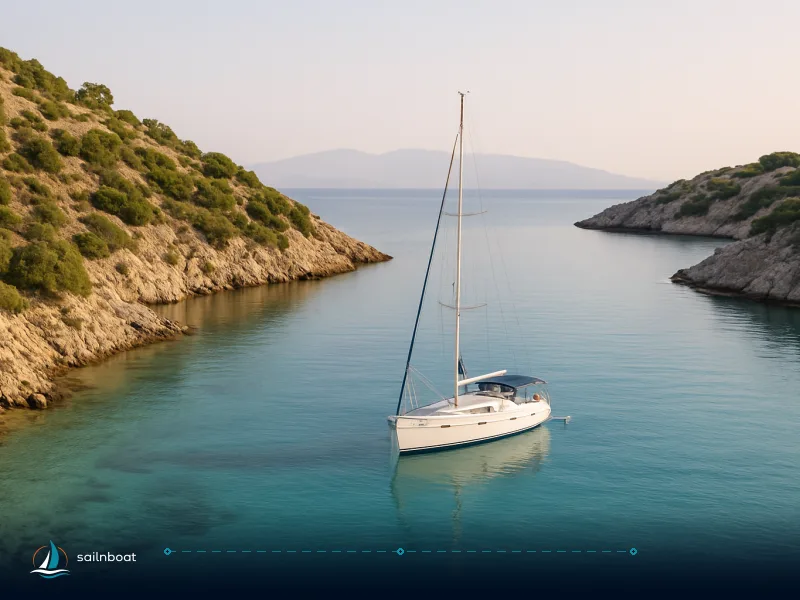
Exploring the Secluded Bays of Kalamos Island: A Sailing Guide
A focused skipper's guide to Kalamos Island bays — where to anchor, what facilities exist in Kalamos Town, how the NW Maistros and local gusts behave, and practical safety steps for overnighting in secluded coves.

Kalamos Island Bays: A Practical Sailing Guide
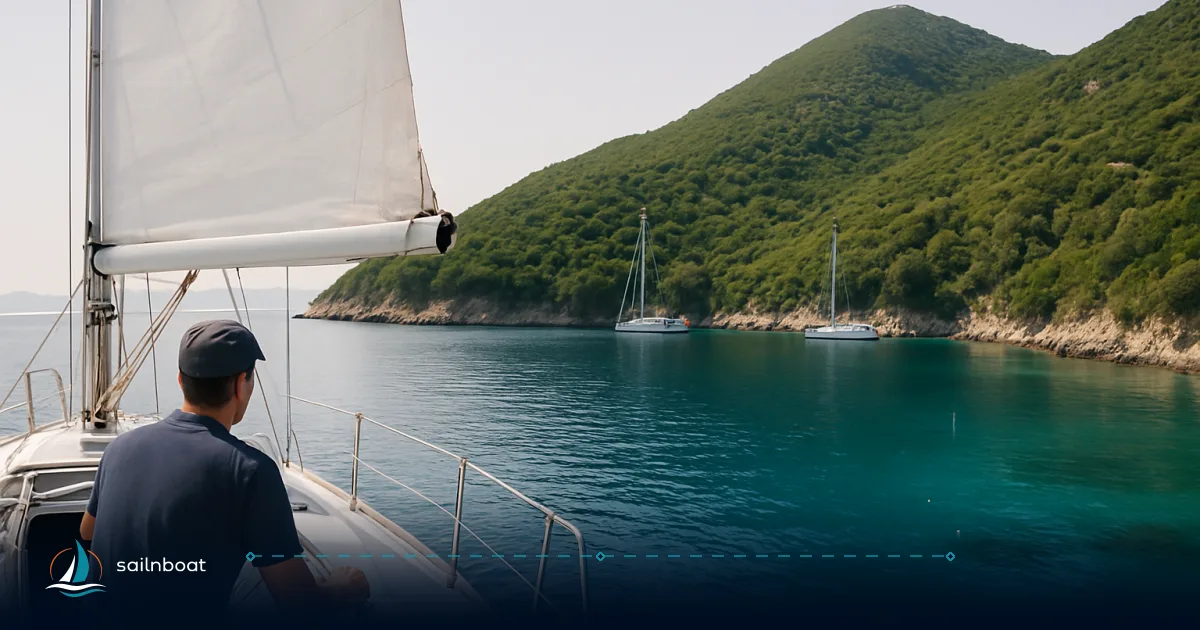
Finding a quiet anchorage in the Ionian can be a challenge during peak season, but Kalamos Island’s bays—Porto Leone, Agrapidia, Asprogiali, and Episkopi—offer a genuine alternative. Each anchorage has its own limits on size, depth, shelter, and facilities. Your experience will depend on your yacht’s draft, your timing, and how ready your crew is to adapt if a preferred spot is full or the wind shifts.
Kalamos Island Bays: Key Anchorages and Hazards
The anchorages on Kalamos are compact, with variable depths and minimal infrastructure. Approach slowly, confirm charted features visually, and expect a mix of sand, mud, and occasional rocky patches. Hazards vary by bay, so use the local notes below alongside your latest charts and pilot guides.
Porto Leone
- Overview: This inlet sits beneath the abandoned village of Kefali (Venetian-era Porto Leone). The village, mostly deserted after the 1953 earthquake, is a short walk uphill from the bay. The area is atmospheric but basic.
- Approach Hazards: The bay entrance is generally clear, but isolated rocks lie near the northern shore—keep mid-channel on approach. Depths shoal rapidly near the pier and close to the SW corner.
- Typical Depths & Seabed: Most yachts anchor in sand/mud in 5–8 m, with swinging room at ~7 m. The small pier is shallow; only vessels drawing up to ~1.8 m can approach bow-to. Larger yachts should anchor off and use a dinghy.
- Shelter & Trade-offs: Offers good shelter from southerlies and easterlies. NW protection depends on position; stern lines to shore help limit swing if Maistros builds.
- Large Yacht Advice: Yachts over 15 m or catamarans with a wide beam should anchor well off the pier; the bay can accommodate several 40–45 ft yachts, but turning space is tight in high season. Arrive early if you want a prime spot.
Agrapidia
- Overview: Main beach anchorage near Kalamos Town, marked by a classic windmill. Popular for swimming and easy shore access.
- Approach Hazards: Sandy bottom with occasional weed; no major rocks charted in the approach, but depths vary. Stay alert for swimmers and small craft near the beach.
- Typical Depths & Seabed: Moderate depths, typically 4–7 m further out; check your chart and sounder. Holding is good in sand.
- Trade-offs: Offers convenience for Kalamos Town supplies, but exposure to late-afternoon northerlies can bring chop.
- Large Yacht Advice: Sufficient space for yachts up to ~16 m if not crowded. Catamarans can anchor further out, but expect some rolling if wind swings north. If the bay is full, consider Porto Leone or the town quay.
Asprogiali (Asprogyali)
- Overview: A small anchorage on the northeast coast, often used for day stops. Local pilot reports and charts indicate a sandy and pebbly seabed, but details on the shore slope and vegetation are limited. The bay is often used for lunch breaks or swim stops rather than overnighting.
- Approach Hazards: Shallow water extends out from the beach; rocks are charted near the north edge. Approach with care and post a bow lookout.
- Typical Depths & Seabed: Very shallow close in (2–3 m), deepening to 4–5 m further out. Good holding in sand/weed.
- Trade-offs: Limited swinging room—avoid overnighting if more than 2–3 boats are present. The anchorage is exposed to NW wind.
- Large Yacht Advice: Not suitable for yachts over 13 m or for catamarans overnight. Use as a lunch stop or swim break.
Episkopi
- Overview: Small harbour/anchorage on the north coast with a compact quay and village access. Short walk to Agios Donatos chapel and castle remains.
- Approach Hazards: Shoal patches and rocks near the quay—approach slowly and use depth sounder continuously. The outer anchorage is clearer but exposed to passing swell.
- Typical Depths & Seabed: Anchor outside harbour in 4–6 m, mostly sand/rock. Quay depths are variable, with some spots as shallow as 1.5 m.
- Trade-offs: Shelter is good except in strong NW. Space on the quay is limited, especially July–August.
- Large Yacht Advice: Quay is only for small craft (<12 m, <2 m draft). Larger yachts must anchor off and dinghy in. If full, consider Porto Leone or anchor further south.
Anchorage Comparison Table
| Anchorage | Typical Depth (m) | Seabed | Shelter | Best for | Hazards/Notes |
|---|---|---|---|---|---|
| Porto Leone | 5–8 (reports ~7) | Sand/mud | Good, varies | Overnight, most yachts | Rocks near pier, tight in high season |
| Agrapidia | 4–7 (check sounder) | Sand/weeds | Moderate | Day & overnight, town access | Swimmers, exposed to N in afternoons |
| Asprogiali | 2–5 (shallow inshore) | Sand/pebble | Limited | Day stops, small boats | Rocks N, tight space, not for large yachts |
| Episkopi | 4–6 (quay 1.5–3 var.) | Sand/rock | Good unless NW | Village visits, small craft | Rocks/quay shallow, limited quay space |
Best Time to Visit Kalamos Island Bays
Seasonality and Crowding
Kalamos is less crowded than nearby Meganisi or Lefkada, but July and August can still see bays fill by early afternoon, especially with flotillas or local boats. Shoulder months—May, June, late September—offer quieter anchorages and more reliable space for larger yachts. Note that some tavernas and shops may have reduced hours outside peak season.
- Peak months: July–August (arrive by midday for best chance at a spot, especially in Porto Leone and Episkopi).
- Shoulder season: May–June, September—lighter crowds, more space, but some facilities may be limited.
- Weather windows: Typical Ionian patterns—settled high pressure, NW Maistros breeze most afternoons in summer. Spring and autumn bring more variable winds and occasional storms; always check the latest forecast.
Weather and Wind
- Maistros (NW sea breeze): Builds from late morning, peaking 10–18 knots in open water by mid-afternoon. Anchorages exposed to the NW (especially Asprogiali and parts of Porto Leone) can become uncomfortable.
- Katabatic gusts: Steep hills on Kalamos and Kastos can create sudden downslope gusts, especially late afternoon and evening. Secure stern lines and monitor anchor holding.
Sailing Conditions and Passage Planning
Funnelling Between Kalamos and Kastos
The strait between these islands accelerates NW winds. Plan passages early in the day or in settled conditions, as wind and chop can be stronger than forecast. If caught by a rising breeze, head for Porto Leone or Kalamos Town quay, which offer more protection.
Sample 1–2 Day Itinerary
| Day | Leg/Stop | Distance (NM) | Mooring Option | Notes |
|---|---|---|---|---|
| 1 | Lefkada/Kastos → Porto Leone | 10–18 | Anchor, lines ashore | Arrive by midday for best chance |
| Porto Leone → Episkopi | 3–4 | Anchor/quay (small) | Explore village, hike to chapel | |
| 2 | Episkopi → Agrapidia | 2–3 | Anchor | Swim, provisions via dinghy |
| Agrapidia → Kalamos Town | <2 | Stern-to on quay | Dinner ashore, basic services |
Distances are approximate; confirm the exact route and wind forecast before departure.
Facilities in Kalamos Town
Kalamos Town is the island’s main service point. Elsewhere, expect minimal infrastructure.
Mooring Options and Fees
- Quay: Stern-to mooring, rafting common in high season. Local taverna owners help with lines. Depths vary (some shallow spots near entrance and quay edge).
- Fees: Practice varies—often a modest port fee or informal arrangement with a local taverna. Reports from recent seasons suggest €10–€20 per night for a typical 12–14 m yacht, sometimes waived if you dine ashore. Water and electricity are sometimes included if arranged with the taverna.
- Large Yacht Note: Limited space, especially for yachts over 16 m. In peak season, arrive early or prepare to anchor off and dinghy ashore.
Provisioning, Water, and Fuel
- Provisions: Small supermarket, bakery, and butcher in port. Stock can be limited—plan ahead for fresh produce and specialty items.
- Water & Showers: Available via local tavernas (often included with a meal or for a small fee). No municipal shore power.
- Fuel: No fixed station. Fuel delivery by mini-tanker is sometimes possible—ask at the quay or arrange in advance. For certainty, refuel at Meganisi or Lefkada before heading south.
Dining and Services
Several tavernas and small cafes operate in season. Many offer showers or laundry for yacht crews by arrangement. No chandlery or technical services—carry spares and basic repair tools.
Anchoring Restrictions and Protected Areas
As of the latest local guidance, there are no formal anchoring bans or marine protected areas specifically restricting anchoring in the main bays of Kalamos. However, always follow current Greek regulations and respect any temporary notices, especially regarding sea grass protection or fishing exclusion zones. Avoid anchoring in dense weed beds where possible to protect the seabed.
Historical and Cultural Sites
- Porto Leone/Kefali: Explore the abandoned village and church above the bay. The trail is short but uneven.
- Agios Donatos & Chapels: The coastal path from Episkopi leads to several chapels, windmills, and castle remains—ideal for a short walk after mooring.
- Pastoral Walks: The island’s interior is quiet, with unmarked trails linking settlements—good for a morning hike before the wind picks up.
Safety Considerations and Anchoring Technique
Anchoring Approach and Scope
- Scope: Set at least 5:1 in calm conditions, increasing to 7:1 in windier weather or if anchoring in exposed bays.
- Stern Lines: Use whenever swinging room is limited or gusts are possible. Local trees and rocks provide good tie-off points.
- Anchor Alarm: Always set one, and check holding visually and with your echo sounder.
- Crowding: If a bay is full, do not force an anchorage; move on to the next bay or Kalamos Town quay.
Charts, Markers, and Local Knowledge
- Charts: Cross-check electronic and paper charts; some rocks and shoals are unmarked or have shifted.
- Local Advice: Ask quay/taverna staff for the latest on depths, hazards, and services—they often have the best real-time knowledge.
Plan B and Weather Watch
- Timing: Arrive in the morning for best anchorage choice, especially in July–August.
- Plan B: Always have an alternative if your first-choice bay is full or if wind picks up unexpectedly.
Medical and Emergency Access
- Medical Access: Kalamos Town has a basic medical clinic, typically staffed during the main season. For anything more serious, the nearest full medical facilities are on Lefkada or the mainland (Mitikas). In an emergency, contact the Hellenic Coast Guard on VHF Channel 12 or 16, or ask local staff to call for assistance.
- Pharmacy: There is no pharmacy on Kalamos; the nearest is on Meganisi or Lefkada.
- Evacuation: Medical evacuation is usually by fast boat to the mainland or by helicopter in severe cases. Have your insurance details and emergency numbers accessible.
- Night Access: Night entry to most Kalamos anchorages is possible but not recommended unless you are familiar with the approaches. There are minimal lights and no marked channels; use radar and keep a close watch. For night entries, Kalamos Town quay is the most navigable but still requires care.
Return-Leg and Weather Planning
- Return-Leg Winds: Afternoon Maistros can make northbound returns choppy, especially between Kalamos and Lefkada. Plan your return early in the day if possible.
- Forecasts: Check forecasts regularly; weather can change quickly, especially in spring and autumn.
- Contingencies: Always have a secondary port or anchorage in mind if the wind or swell builds unexpectedly.
Local Etiquette and Customs
- Mooring: Rafting is common on the town quay—be ready to help or receive lines from neighboring boats.
- Tavernas: If a taverna owner assists you with mooring, it’s customary to dine there if possible.
- Noise: Keep noise to a minimum after midnight; Kalamos is quieter than many Ionian ports.
- Waste: Dispose of rubbish properly—bins are available in the main port, but take recyclables back to Lefkada or Meganisi if possible.
Map: Overview of Kalamos Island Anchorages
Below: A schematic map of Kalamos Island showing main anchorages, depths, and approach notes. Use with your charts for planning.![Kalamos Island Anchorages Map]
Frequently Asked Questions
Porto Leone, Agrapidia, Asprogiali and Episkopi are the top choices: Porto Leone and Agrapidia give the best holding and room to swing; Asprogiali is shallow and best for small boats; Episkopi offers good protection but limited space.
The Ionian’s typical NW sea breeze (Maistros) builds from late morning and peaks afternoon; the strait between Kalamos and Kastos can funnel this wind, increasing strength, and steep slopes onshore can produce abrupt katabatic gusts in the afternoon and evening.
Kalamos Town has a small quay for stern‑to mooring, a supermarket/bakery, several tavernas (one commonly assists with mooring and offers showers), limited water and no fuel station — plan fuel before you arrive.
Visit the abandoned village of Kefali (Venetian name Porto Leone) near Porto Leone and the small coastal chapels such as Agios Donatos near Episkopi; the island also has old windmills and castle remains inland.
Check seabed and depth on your chart, give ample scope, consider stern lines to shore in narrow bays, watch for afternoon wind build and local gusts, and avoid tight anchorages when a strong NW is forecast.
Written by
Sailnboat Editorial
The Sailnboat editorial desk covers yacht and boat chartering worldwide — routes, bases, seasons, boat types, paperwork and the practical costs that decide a trip. We are a charter marketplace, not a boat owner or a local agency: what we sell is judgement and support, so our guides are written to help you make a decision, not to sell you a specific boat. Every guide is checked against live operator and marina data before it goes out.
Fact-checked against live operator and marina data, and published under our editorial standards. Last reviewed: .