Navigating National Park Permits for Yacht Charters
A practical guide to national park permits for yacht charters — when you need them, how buoy and dock fees work, and the steps to secure moorings and avoid penalties.

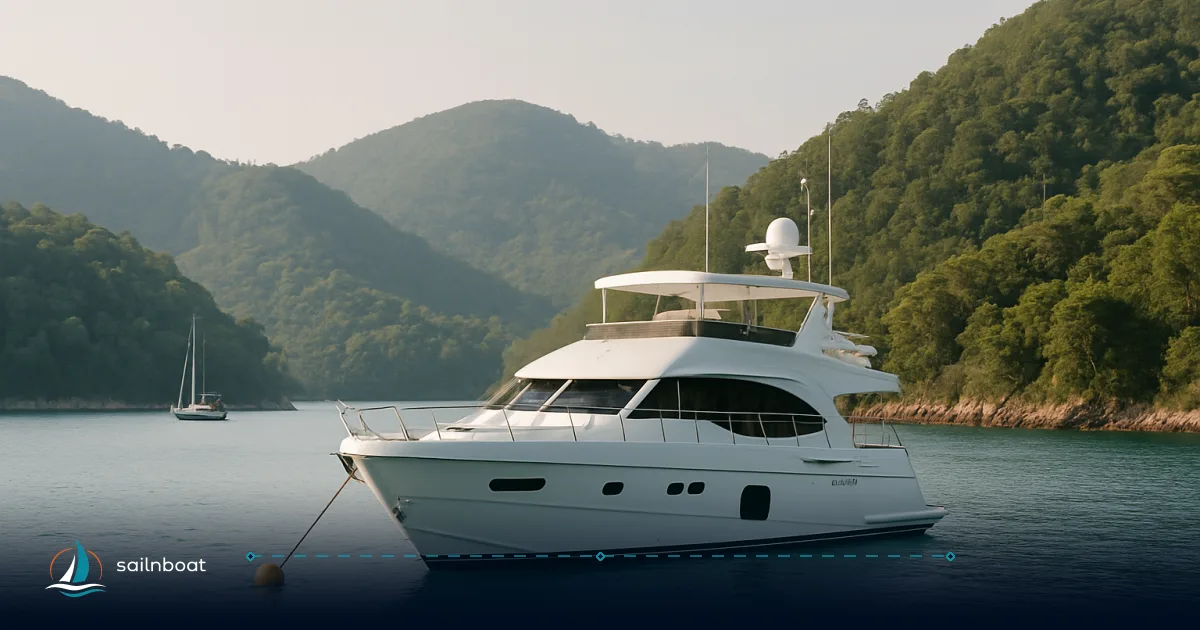
If your charter route includes protected waters, national park permits and mooring fees are not just an add-on—they can reshape your route, your overnight options, and your budget. The rules, fee models, and processes differ sharply between regions and even between neighbouring parks. Planning for these costs and logistics early can mean the difference between a smooth cruise and a last-minute scramble.
Understanding National Park Permits
Why permits exist: Parks and marine protected areas use permits to manage visitor numbers, prevent anchor damage to seagrass and coral, and fund infrastructure like moorings and ranger patrols. In many U.S. national parks, you’ll pay an entrance fee plus a separate overnight or vessel permit if you stay aboard overnight, use a dock, or anchor within park boundaries. The same is true in parts of the Caribbean and the Pacific.
Who enforces permits: There’s a difference between what the law requires and what charter companies enforce. Local rangers and harbormasters can issue fines under federal or local rules, but in practice, a charter company or base might simply refuse embarkation if you cannot show required permits. Both matter—one can block your trip, the other can cost you money.
When and where permits apply:
- Overnight stays at anchor or dock in park waters
- Use of park-managed moorings (day use may be free, overnight typically incurs a fee)
- Any commercial activity (charter, guiding, diving) may require a separate permit
Regional Breakdown: Permit and Fee Regimes
The details change by region. The table below gives you a snapshot of how permit and mooring regimes differ in key charter areas.
| Region | Typical Permit/Fees | Fee Model | Anchoring Rules | Notes |
|---|---|---|---|---|
| Mediterranean | Mooring fees in marine parks, some per-person park entries | Per-boat/night, some per-person | Anchoring often restricted in parks; buoys preferred | Town quays may be free with restaurant use. |
| Caribbean | Park mooring buoys, entrance fees, overnight permits | Per-boat/night, per-person in some parks | Anchoring often prohibited on coral/seagrass | Virgin Islands NP uses color-coded buoys. |
| US National Parks | Entry + overnight/boater permit, mooring fees | Per-boat/night, per-person entry | Designated anchorages, strict no-anchor zones | Dry Tortugas, Isle Royale, San Francisco NHP |
| Pacific (NZ, Australia) | Park entry, mooring fees, some per-boat, some per-person | Mix of per-boat, per-person, per-length | Strict anchoring zones, extensive buoy fields | Great Barrier Reef has detailed zoning. |
Mooring Options in National Parks
Buoys vs. docks—how they work:
- Mooring buoys: Installed to prevent anchor damage. Usually color- or tag-coded by vessel length or activity (e.g., visitor vs. commercial). Pick up with your bow line; stern tie-offs are rarely allowed. In the Virgin Islands and many U.S. parks, moorings are the default—anchoring is only allowed in sand, and only where marked.
- Docks/piers: Offer more stability and often utilities, but are limited in number and size. Rates are higher, and some docks are reserved for concessionaires or research vessels.
Anchoring regulations:
- Anchoring is often banned in or near seagrass and coral. Many parks provide explicit no-anchoring charts—expect to see these on park websites and in briefing packs.
- Designated anchorages are the norm, and consecutive-night limits per bay are common (for example, 7 nights per bay in some Caribbean parks).
Practical steps on approach:
- Study the park’s marine map before arrival—note buoy color codes, permitted LOA, and seasonal closures.
- Use a proper line for the buoy, never tie off to the stern unless specifically allowed.
- If a tropical storm warning is issued, most parks require you to vacate moorings.
Fee Structures for Mooring and Permits
How fees are charged:
- Per-boat/night: The most common model for mooring buoys and overnight anchoring permits. Virgin Islands National Park, for example, charges by the night at floating or land-based stations.
- Per-person: Some parks (e.g., Dry Tortugas) charge an entrance fee per person, regardless of whether you come ashore.
- Per-length or per-metre: Used by many Mediterranean marinas and some managed mooring fields. Catamarans may pay extra for beam.
Budget ranges (current as of 2024):
- Town quays/taverna buoys: Often €10–€30/night, sometimes waived with restaurant use.
- Protected area/national park moorings: €10–€50/night is typical for smaller parks; in high-demand Mediterranean or Caribbean bays, rates can reach €40–€150+ per night. Catamarans usually pay more.
- Entrance fees: For example, Dry Tortugas charges $15 per person for entrance (subject to change; check the park website for up-to-date rates).
Comparison Table: Park Permit & Mooring Snapshot
| Park (example) | Overnight Permit Required? | Moorings Available | Fee Note (Typical Model) |
|---|---|---|---|
| Virgin Islands NP (Caribbean) | Yes—overnight permit/self-registration | Color-coded NPS moorings by size; floating pay stations | Per-boat/night (overnight mooring fee), limits per bay |
| Dry Tortugas NP (US) | Per-person entrance fee, overnight rules | Mooring buoys, dock; anchoring rules | $15 per person entrance; overnight rules, camping fees extra |
| Isle Royale NP (US) | Yes—overnight boater permit required | Park docks, designated anchorages | Entrance fee per person + overnight boater permit |
| San Francisco Maritime NHP (US) | Overnight anchoring by permit only | No fixed moorings; anchor with permit | Permit limits 5 consecutive nights, annual cap |
| Thousand Islands (Canada) | Fees/registration for camping/moorings | Public docks, mooring cans | Parks Canada lists per-boat/night, launch and camping fees |
How Charters Handle Mooring and Permit Fees
Charter companies often pay small local fees on your behalf and invoice you at the end, or ask you to pay cash directly to harbour staff or restaurants. For regulated park fees, marina invoices, or overnight permits, you’re usually required to keep receipts and may see a charge to your card on file. Get clarity in writing before you board—ask your base how they handle these payments, and who is responsible for collecting and presenting proof.
Conservation-Driven Restrictions
Seasonal closures and exclusion zones: Expect certain bays or beaches to be closed during bird nesting or turtle hatching seasons. Parks will post these closures on their marine maps and in compendia. For example, in the Virgin Islands, anchoring and mooring limits are set to protect reefs and shorelines.
No-anchoring zones/eco-protection: Anchoring in seagrass or coral is widely banned. Buoys are installed specifically to prevent anchor damage. If you’re not certain you’re over sand, use a buoy or move on—parks take this seriously.
Operational impacts:
- Night limits: Some parks restrict the number of consecutive nights in a single bay (e.g., 7 nights). This affects your provisioning and route planning.
- Weather: You may need to vacate moorings when storms are forecast. Build time and fuel margin into your itinerary for this possibility.
Sample Permit Application: Virgin Islands National Park
Here’s a step-by-step process for obtaining an overnight mooring permit in Virgin Islands National Park:
- Review park rules: Visit the official park website and locate the boating/marine section. Download the latest compendium or marine map.
- Plan your nights: Count the number of nights and intended bays—note limits (e.g., 7 nights per bay, 30 nights per year).
- Self-register on arrival: At the park, locate a floating or shore-based fee station. Fill out the envelope with vessel name, registration, dates, and bay.
- Pay the fee: Insert the correct fee (in cash or as specified) into the envelope, tear off the permit stub, and display it on your boat as instructed.
- Keep receipts: Keep the permit stub and any payment proof on board. Rangers may check at any time.
- Monitor for updates: Check for posted notices or storm warnings that could require you to move.
Note: In some parks, permits can be reserved online (e.g., Recreation.gov for San Francisco Maritime NHP). For others, you may need to call or visit a visitor centre in advance.
What if a Permit Is Denied or Unavailable?
Sometimes, moorings are fully booked or a permit is unavailable due to closures or maintenance.
- First, check alternatives: Ask the park office or your charter base for alternative bays or public docks outside the protected area.
- If denied at check-in: Most charter companies will not allow you to sail into protected waters without the correct permit. Be ready to adjust your route.
- Refunds/cancellations: Many parks refund permit fees if a closure is weather-related or due to park management decisions. If you cancel for personal reasons, refunds are less common. Always check the specific policy before booking.
- Last-minute changes: Build in flexibility—have backup anchorages or marinas outside the park boundary. If you’re denied a permit on short notice, reroute and notify your charter base.
Obtaining Necessary Permits
How to apply:
- Park website/compendium: Most parks post rules, forms, and maps online.
- Reservation portals: Some parks, especially in the US, use Recreation.gov for permit reservations.
- On-site/self-registration: In parks like the Virgin Islands, use floating pay stations.
- Local authorities: In some regions (e.g., Washington State), you may need state and park permits for mooring buoys.
Checklist for permit applications:
- Start permit requests several weeks in advance, especially for high season.
- Provide vessel details: name, LOA, draft, operator contact, trip dates, passenger count, intended mooring/anchorage.
- Clarify who pays and who presents receipts—get this in writing from your base.
- Print or download all permits and payment confirmations to carry on board.
Avoiding Penalties and Pitfalls
Compliance checklist (before and during your stay):
- Confirm permitted anchorages and mooring zones on the park map—do this before entering any bay.
- Pay all required fees using the method specified by the park. Retain receipts.
- Obey posted time limits and seasonal closures.
- Use proper mooring technique (bow line only unless otherwise stated; never fish from moorings if not allowed).
- Do not exceed vessel size or LOA limits on buoys—always check the posted rating.
Penalties: Federal parks can impose fines under Title 36, sometimes substantial. Most violations are handled with on-the-spot fines or permit revocation, but serious breaches can lead to court action. Local and provincial parks have similar enforcement powers.
Common pitfalls (and fixes):
- Assuming anchoring is always allowed: Always check the map—many areas are sand-only or buoy-only.
- Relying on verbal exceptions: Get any exception in writing.
- Forgetting vessel size limits: Double-check your LOA against posted buoy limits.
If cited by a ranger: Stay cooperative, present your documents, and ask for the officer’s details and the citation process. Appeals are usually handled in writing through park administrative channels.
Final Pre-Departure Checklist
- Review the boating page, compendium, and marine map for every park on your route.
- Reserve moorings and permits well in advance—several weeks before high season.
- Budget for a wide range of mooring costs: from €10–€150+ per night depending on region, boat size, and season.
- Carry all permit documents and receipts on board.
- Brief your skipper and crew on no-anchoring zones, sensitive habitats, and time limits.
- Always have a backup plan for denied permits or closed anchorages.
Permits are as much a part of charter planning as fuel or provisioning. Treat them as a core element of your route and budget, not an afterthought. Every park has its own process and quirks—read the rules, keep your receipts, and allow for extra time and alternative anchorages in your plan.
Plan your yacht charter with the right permits and a realistic mooring budget to avoid last-minute route changes and fines.
Frequently Asked Questions
Often yes for overnight stays or commercial activity — many parks require a boater permit, reservation or payment at arrival; check the park’s boating or permits page for exact rules.
Fees vary widely: small town quays and taverna buoys can be a token fee (€5–€30), while protected-area or marina moorings in high season often cost €40–€150+ per night; catamarans frequently pay a surcharge.
Apply via the park’s official website, Recreation.gov where used, or by contacting the visitor centre; some parks accept on‑site payment at floating stations.
You risk fines, revoked permits or criminal charges under park regulations; federal parks enforce Title 36 rules with penalties that can be significant.
Many charter operators will advise and may pay local fees on your behalf, but confirm who holds responsibility for permits and receipts before you sign.
Written by
Sailnboat Editorial
The Sailnboat editorial desk covers yacht and boat chartering worldwide — routes, bases, seasons, boat types, paperwork and the practical costs that decide a trip. We are a charter marketplace, not a boat owner or a local agency: what we sell is judgement and support, so our guides are written to help you make a decision, not to sell you a specific boat. Every guide is checked against live operator and marina data before it goes out.
Fact-checked against live operator and marina data, and published under our editorial standards. Last reviewed: .