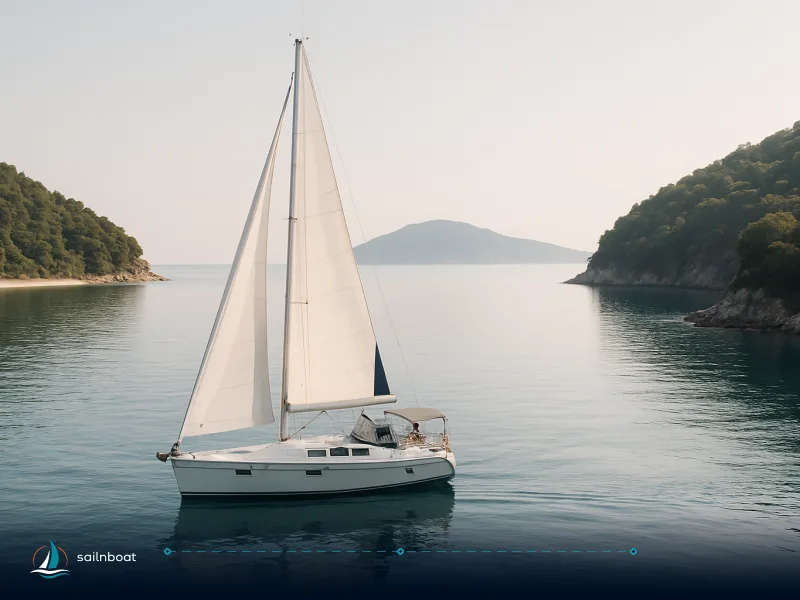
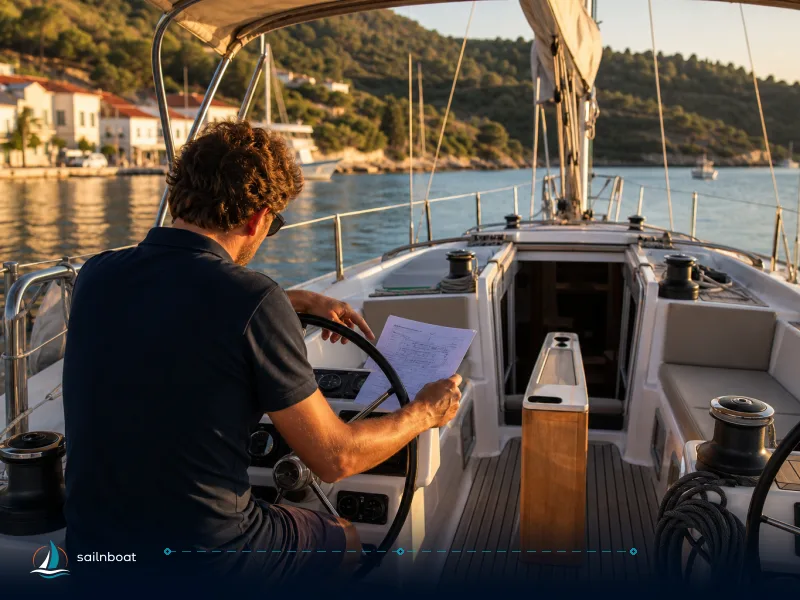
Saronic Short Hops: A Week from Aegina to Methana
A compact seven‑day sailing loop from Port of Aegina to the volcanic Methana peninsula, built for short hops, village quays and crater hikes.

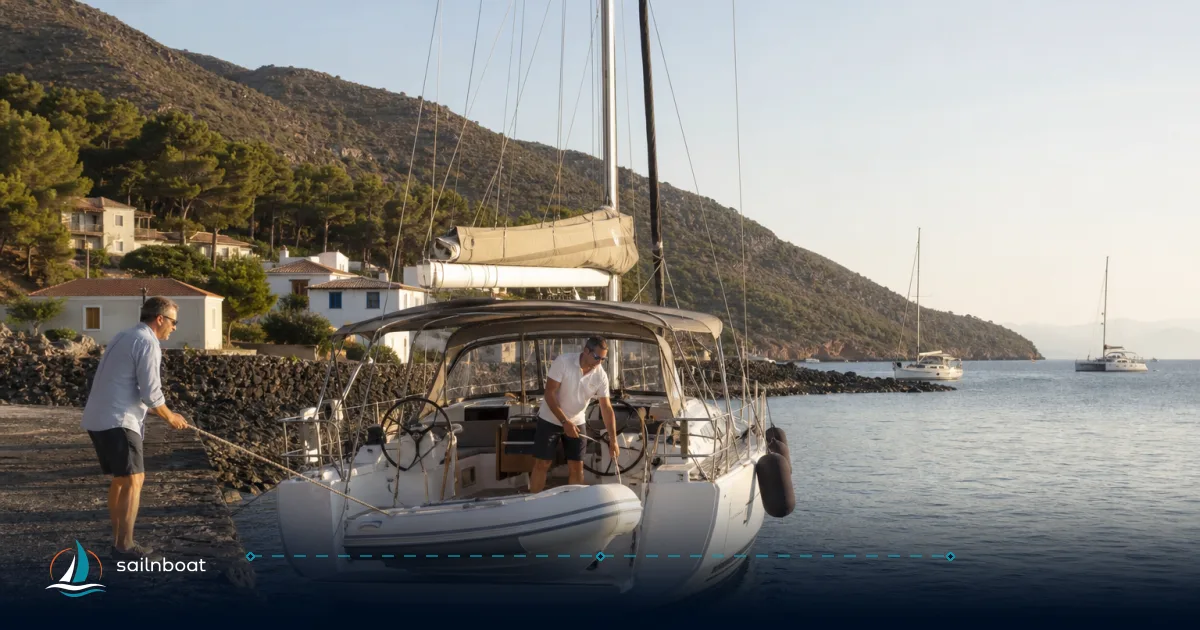
Aegina Methana sailing is an easy, short‑hop week: most passages here are single‑figure hours and let you spend afternoons ashore walking volcanic trails, soaking in thermal waters and eating at small family tavernas. This itinerary starts at the Port of Aegina (a real charter base) and keeps daily legs conservative — ideal if you want slow navigation, frequent stops and time to explore Methana’s craters and springs.
Day-by-Day Sailing Itinerary from Aegina to Methana
Below is a compact seven‑day plan built for an experienced skipper who wants short daily hops and authentic shore time. Distances are approximate sailing miles (nautical miles) for typical coastal routing; local routing, tacks and shelter requirements will change the actual log miles. Where specific harbour depths are quoted, they are given as typical ranges; always check your chartplotter and echo sounder on approach.
| Day | Route (overnight) | Approx. distance (nm) | Typical mooring/anchorage depth (m) |
|---|---|---|---|
| Day 1 | Port of Aegina → Agios Nikolaos (Methana coast) | ~10 nm | 3–5 m (shore quays/roadstead) |
| Day 2 | Agios Nikolaos → Vathy (Methana) | ~8 nm | 4–6 m (small harbour, quay available) |
| Day 3 | Vathy → Kameni Chora (volcanic domes) | ~6 nm | 5–7 m (sandy/rocky holding; careful approach) |
| Day 4 | Kameni Chora → Methana town (main harbour) | ~12 nm | 3–5 m (ferry quay / marina roadstead) |
| Day 5 | Explore Methana (shore day: crater hike + springs) | ashore | n/a — stay on berth or sheltered anchor; shore excursions recommended. |
| Day 6 | Methana → Sfagia (thermal cove / beach) | ~7 nm | 4–6 m (small bay with spring access) |
| Day 7 | Sfagia → Port of Aegina (return) | ~10 nm | 3–5 m (Aegina town quay or Perdika alternative) |
| Total weekly miles (approx.): 53 nm (sum of the daily legs above). |
Notes on the table
- Distances are practical coastal estimates for calm conditions; wind, tacking and local routing around headlands will increase mileage. Ferries and route planners list Aegina ↔ Methana at roughly 10 nm straight‑line as a reference.
- Depth ranges are typical for visiting yachts in these bays: village quays and ferry quays are often 3–5 m; free‑swinging anchorages outside harbours commonly deepen to 5–7 m. Confirm on your chartplotter while approaching — local bottom (rock, sand, weed) changes holding dramatically.
Day 1: Aegina to Agios Nikolaos
Plan the morning check‑in at Port of Aegina, then a short sail west/northwest toward the Methana coast and the small settlement of Agios Nikolaos (where the Pausanias baths are nearby). The approach offers straightforward coast hugging; the roadstead outside the small quay is the usual visitor spot with 3–5 m depth and room to stern‑to or set a single anchor and raft off if the quay is busy. Land and walk to the Pausanias spring and nearby cliffs at a relaxed pace. Ferry references list Aegina–Methana connections that support this short hop as a common itinerary link.
Practical at handover
- Expect stern‑to mooring culture in Aegina and many Saronic quay towns; crew will step ashore from the stern ladder and the shore crew will tend lines.
- If full, Perdika (Aegina’s fishing village) is a practical alternative for a first night ashore and excellent fish tavernas.
Day 2: Agios Nikolaos to Vathy
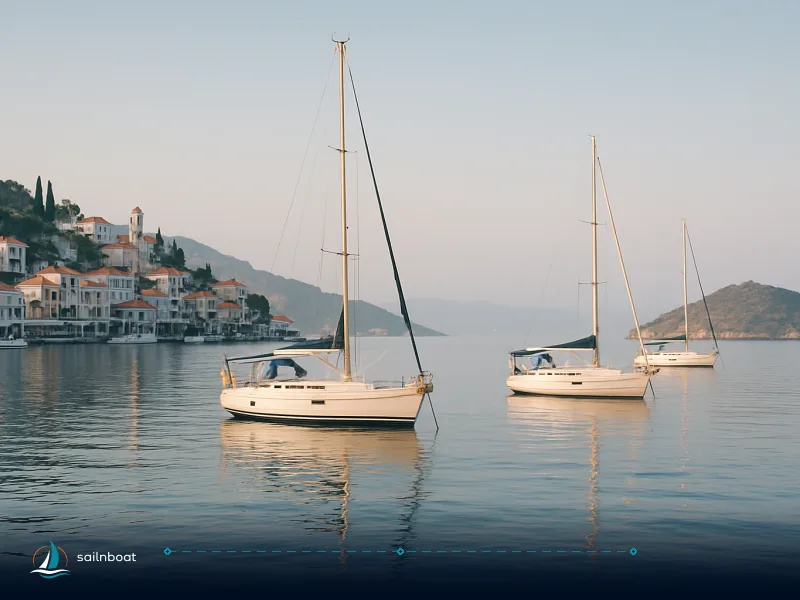
A short coastal run along Methana’s southeastern shore brings you to Vathy — a small working harbour with a quay and a couple of family tavernas right on the water. Depths along the quay tend 4–6 m; many visiting yachts moor stern‑to with the anchor out and use shore power/showers offered informally by tavern owners. Plan an evening ashore: Vathy’s tavernas are highly recommended for fish and home‑cooked meze.
Day 3: Vathy to Kameni Chora
Head around the headland toward the volcanic domes near Kameni Chora. Approaches focus on avoiding the visible lava outcrops and navigating to a sheltered spot for a swim stop or night at anchor; typical depths 5–7 m in the better holding bays. This is the day to plan a late afternoon hike to the Kameni Chora crater domes while the sea is calm. Local hiking notes show well‑trodden moderate trails to the crater rim.
Day 4: Kameni Chora to Methana town
Cross to Methana town for a proper harbour night — the main port offers a ferry quay and limited marina space; depths commonly 3–5 m inside the inlet. If the quay is full, the roadstead close outside provides swinging room but will be busier during high season. Use this night to book a local taxi or driver for the next day’s crater walk and spring visits.
Day 5: Exploring Methana (shore day)
Dedicate a day to the volcanic landscape and hot springs. Hike routes from Methana town or Kameni Chora to the crater domes are moderate and typically 5–10 km round trip depending on start/finish points; the summit views look back over the Saronic and Poros beyond. The Pausanias Baths, plus several smaller spring sites around Sfagia and the Gkouva basin, are accessible by short road or walking routes from the harbours. Note that organised spa facilities have been intermittent in recent years while the spring sites remain visitable.
Practical timing for hiking
- Trail surfaces: volcanic scree, exposed rocky trail in places — sturdy footwear and sun protection are sensible.
- Difficulty: moderate; allow 2–4 hours for a typical crater loop and extra time for transport and soaking.
Day 6: Methana to Sfagia
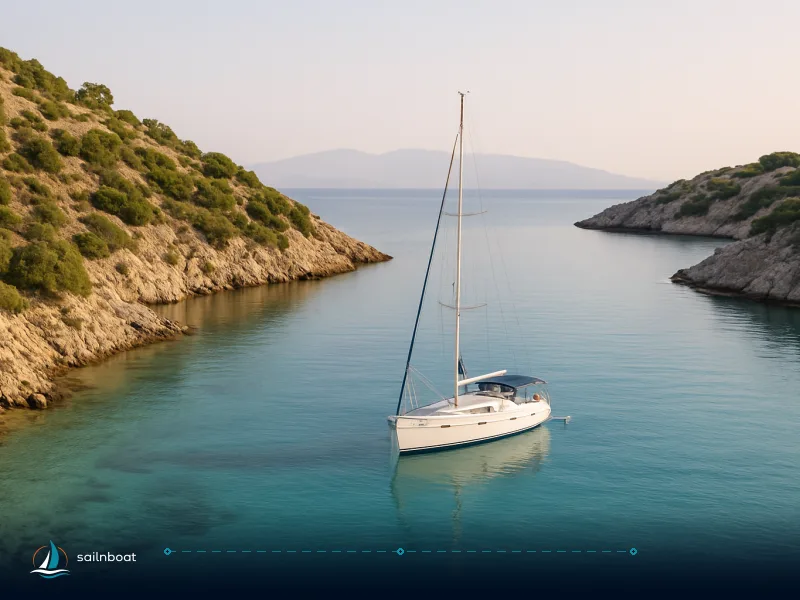
Move to a small cove such as Sfagia (site of sulphuric springs and small beach access) for swimming and an evening at anchor or a tiny quay. This quiet bay is ideal when you want a calm anchorage and easy shore access to thermal water points. Expect 4–6 m in the approach and take care for submerged rocks near the old spring pools.
Day 7: Return to Aegina
Return to Port of Aegina (or Perdika if you prefer a last‑night fish dinner). Tie up stern‑to at the quay or take a berth if available. Final provisioning and a relaxed final evening ashore round off the week. For convenience, ferry links give you options to continue to Piraeus or return to Athens if your travel plans require it.
Local Taverns and Dining Experiences
Eating in the Saronic is local, unfussy and seafood‑led; family tavernas are the norm and service is personal. Below are practical choices and what to order.
Tavernas in Aegina
- Perdika waterfront (Antonis, Nontas, Miltos and other fish tavernas): fresh day’s catch, simple grilled fish, squid, fried small fish and crab meze; seaside tables and relaxed service — a classic first or last‑night option. Expect prices for a seafood lunch to fall into a mid‑range Saronic bracket (typical single‑meal spending around €15–30 per person depending on wine and course choice).
What to try
- Whole grilled fish or simple mixed seafood meze, grilled octopus, local pistachio desserts (Aegina is famous for pistachios).
Tavernas in Methana
- Vathy: Athina & Meletis (family taverna with home‑cooked menus), Jimmy’s Fish Tavern and To Vathi Tavern are reliable for fresh fish, seasonal vegetable dishes and honest portions; service is personal and sometimes includes practical help (showers, electricity) for yachts. Average meals are commonly grouped in the €15–25 per person band depending on wine and courses.
Trade‑offs
- Expect limited printed menus in low season; tavernas often cook to what’s fresh that day. During high season, reserve or arrive early.
Exploring Methana's Volcanic Landscape
Methana is compact volcanic country — you can see domes and old lava flows from the water and reach the trailheads from small harbours.
Hiking Trails to Craters
- Routes: The obvious routes run from the villages of Kameni Chora and Megalochori up to the Kameni Chora / Kasteli domes. Trail lengths depend on your start point but most popular circuits fall into the 5–10 km round‑trip range with moderate elevation gain; expect rocky, uneven ground and short steep pitches near the rim. Allow 2–4 hours for a comfortable experienced‑hiker pace.
Trail tips
- Wear solid shoes; carry water and a wind layer. The volcanic trail gives broad sea views and good photo points; avoid fissure edges and stay on paths where marked.
Thermal Hot Springs
- Sites: The Pausanias Baths (Agios Nikolaos area), smaller sulphur pools at Sfagia and springs near Methana town/Gkouva have historical references and local access. Some organised spa facilities have been closed or intermittent in recent years, but the natural spring points and simple bathing spots are still reachable from the harbours. If you want an organised spa experience, check in advance for openings and seasonal operation.
Accessibility and facilities
- Many spring sites are rustic: basic pools, platforms and simple changing points rather than full spa centres — bring a towel and be prepared for basic on‑shore facilities. Some springs can be reached by a short taxi ride from the harbour if your crew wants a hands‑free option.
Practical Considerations for Sailing in the Saronic Gulf
Weather Patterns (off‑season)
- Wind seasonality: The Aegean’s meltemi/etesian northerlies peak in summer (May–September) and are weaker from autumn onwards; the Saronic is more sheltered than the central Aegean which makes passages shorter and generally milder. Off‑season (late autumn → spring) you’ll see fewer persistent northerlies but more variable synoptic weather and occasional storm systems or Mediterranean cyclones — monitor forecasts.
Typical conditions to plan for
- Autumn/Winter: cooler air temps, more variable wind directions and the occasional strong low‑pressure system; sea state can change quickly.
- Practical rule: plan shorter hops, pick well‑sheltered anchorages and have planned alternates (Poros, Perdika, Alimos) in case a planned quay is crowded or weather deteriorates.
Handling Unexpected Anchoring Issues
Common problems: weed/poor holding, shallow patches, crowded quays, or blocked approaches. Use the following practical steps:
- Approach slowly and verify depths continuously on your echo sounder and chartplotter — many Saronic village quays become shallow close in.
- Prefer stern‑to alongside village quays where local practice and shore services allow; this reduces anchor drag in crowded conditions and makes hauling a dinghy easier. (Many Greek quays expect stern‑to).
- Carry extra scope (use 5:1–7:1 at night), an extra anchor and a heavy snubber; use a trip line if you set the stern anchor and may need to clear wrecks/chain.
- If holding looks marginal (weed, thin sand over rock), set a second anchor at ~45° and check bearings on a fixed shore object over time to detect drag early.
- If a harbour is full, execute the planned contingency: proceed to the nearest alternative harbour (Poros, Perdika, or return to Aegina) rather than anchoring in a marginal position. Local tavern owners often help visiting yachts with shore power, showers or temporary mooring space in small harbours — ask politely on arrival.
Crew brief at night
- Keep a watch on anchor alarm, check tidal set (locally small but relevant in narrow inlets), and reinforce mooring lines ashore if stern‑to.
Final notes and decisions you need to make
- Base choice: Port of Aegina is convenient for skippered or bareboat starts and is a charter base with multiple available yachts; if you prefer immediate food options and a short first hop, choose a berth or stern‑to plan in Aegina town.
- Shore time: Plan at least one full shore day in Methana for hiking and springs — the volcanic landscape rewards a pause rather than a rushed visit.
- Ferry backup: Schedules between Aegina and Methana vary seasonally; if crew rotations or land transfers matter to your plan, confirm operators and times before you leave the base because frequency reduces off‑season.
Plan your week with short legs, at least one shore day for the volcano and springs, and a list of at least two contingency ports if wind or full harbours force a change.
Frequently Asked Questions
Key sheltered stops are Aegina/Perdika (sheltered roadstead and quay), Agios Nikolaos (Methana) near the Pausanias springs, Vathy (small fishing harbour with shore tavernas), Kameni Chora (sheltered anchoring near volcanic domes) and Methana town (harbour/roadstead). Depths typically run 3–7 m depending on the quay or bay — expect shallower water inside village quays and deeper swinging room in the roadsteads.
Ferries operate seasonally; summer sees more frequent daily crossings, while winter drops to a few weekly sailings. Typical direct crossings take roughly 35–60 minutes; many services connect via Piraeus or run only on set days—check operators (Saronic/Magic Sea) for dates and times before you plan.
On Aegina, Perdika’s waterfront tavernas (Antonis, Nontas and others) are long‑standing seafood choices; in Methana, Vathy’s Athina & Meletis, Jimmy’s Fish Tavern and To Vathi Tavern are recommended for fresh fish, home‑made meze and local hospitality. Expect modest prices typical for the Saronic islands.
Trails from the village roads up to the Kameni Chora volcanic domes are moderate in difficulty and typically 5–10 km round trip depending on your route; expect rocky terrain, short steep sections and good viewpoints over the peninsula.
Yes — the historic Pausanias Baths and smaller springs (for example at Sfagia / 'Sphagia' and near Agios Nikolaos) are reachable from the Methana harbours either by a short walk or a quick taxi; organised spa facilities have been intermittent in recent years, though free/primitive spring sites remain accessible.
Carry extra chain and a snubber, prefer stern‑to on village quays, use a trip line if you need to re‑set, keep a second anchor ready for crowded or weedy bottoms, and have contingency berths (Poros/Perdika/Alimos) when weather or full harbours force a change.
Written by
Sailnboat Editorial
The Sailnboat editorial desk covers yacht and boat chartering worldwide — routes, bases, seasons, boat types, paperwork and the practical costs that decide a trip. We are a charter marketplace, not a boat owner or a local agency: what we sell is judgement and support, so our guides are written to help you make a decision, not to sell you a specific boat. Every guide is checked against live operator and marina data before it goes out.
Fact-checked against live operator and marina data, and published under our editorial standards. Last reviewed: .