The Importance of Pre-Charter Briefings: Insights from Industry Pros
A pre-charter briefing is the single most effective prevention step before you leave the dock: it teaches the yacht's systems, sets safety expectations and prevents common disputes.


A pre-charter briefing tells your crew where the kill‑switch is, how the electrical and fuel systems behave, which bays are off‑limits and who to call at 02:00 if the engine alarms. That single meeting — a mix of paperwork, boat walk‑round and hands‑on drills — materially reduces unnecessary risk, prevents later disputes over damage, and sets expectations for the charter.
Understanding Pre-Charter Briefings
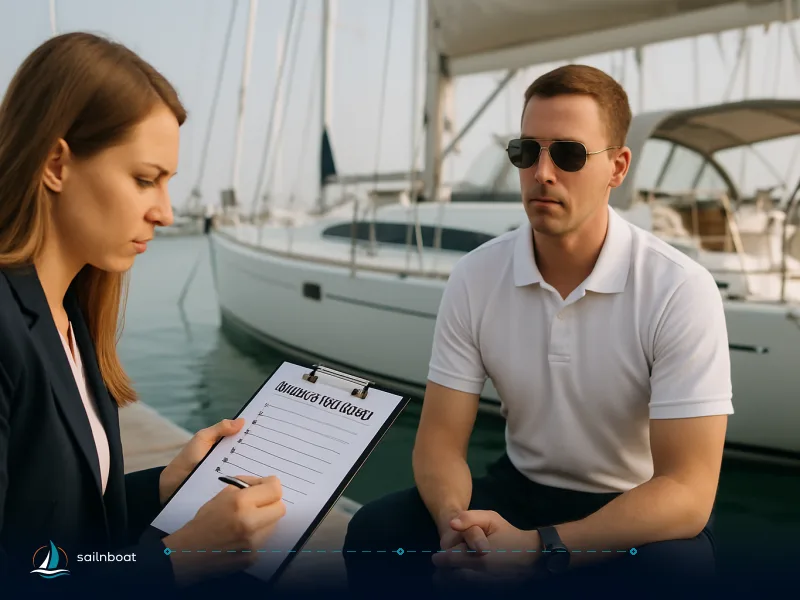
A pre-charter briefing (also called handover or mise en main) is the formal process where base staff inspect the yacht with you, demonstrate key systems, run through safety procedures and explain local restrictions before you accept the boat. Operators commonly link the briefing to condition reports, deposit release and any cruising‑area limits they impose.
Typical Agenda of a Pre-Charter Briefing
Most briefings follow the same logical sequence. Below is a practical agenda you should expect and insist on seeing completed:
- Paperwork and ID check: charter contract, insurance confirmation, skipper qualifications and credit card for security deposit.
- Condition report & inventory: walk the boat, note existing damage, sign the handover acceptance only after you’re satisfied. Early documentation of faults is critical.
- Vessel orientation (systems): engine start/stop, fuel and water system basics, battery management, navigation instruments, windlass and dinghy/outboard operation.
- Safety protocols and emergency drills: lifejackets, EPIRB/VHF use, fire extinguishers, man-overboard procedure and who has emergency authority onboard.
- Local regulations, chart briefing and cruising limits: protected areas, national park moorings, harbour restrictions and common local hazards.
- Practical checks and testing: operate windlass, start the engine, test chartplotter and autopilot, confirm fuel/water readings.
A readable, signed handover sheet that records unresolved defects and initial tank readings is an essential outcome of the briefing.
Client Responsibilities During the Briefing
The briefing is not theatre — it’s where you create evidence about the boat and where your crew gets the knowledge needed to stay safe. Your responsibilities are simple but non‑negotiable.
Active Participation and Information Sharing
- Attend in full and bring your chosen “first mate”: the person who’ll routinely handle lines, provisioning and engine checks. Operators often require at least one crew member to be present.
- Tell the base honestly about your experience and any medical or declarable limitations. This shapes permitted cruising areas or whether an instructor is assigned.
- Ask for hands‑on demonstrations and then perform them yourself: start/stop engine, deploy dinghy, use VHF, set anchor watch. Passive listening is not sufficient for emergencies.
- Photograph the inventory and any pre‑existing damage and keep copies of all signed forms — they protect your deposit and back up later claims.
If you need repeat demonstrations (for example with changing watch teams), request them before you leave the dock — most operators will oblige if you ask.
Benefits of Pre-Charter Briefings
The benefits split into two measurable groups: safety outcomes and operational/satisfaction outcomes.
Safety and Practical Outcomes
National recreational boating statistics repeatedly list operator inattention and operator inexperience among the top contributing factors in accidents; those are exactly the risks a good briefing reduces by ensuring familiarity with the yacht and local hazards. The U.S. Coast Guard recreational boating data show operator inattention and inexperience as leading causes of incidents. Use the briefing to attack those causes directly.
Independent incident investigations also link inadequate familiarization to accidents; investigators consistently highlight failures in handover and familiarization as a causal factor. A thorough briefing and documented checks reduce the chance that avoidable mistakes turn into emergency events.
Satisfaction, downtime and dispute reduction
Operationally, a full handover reduces time lost on day‑two tech calls, lowers the chance of mid‑cruise for‑hire substitutions and limits late‑charter deposit disputes because defects are recorded at handover. Some operators may consider handover quality when assessing on-base performance, but it is not universally tracked as a key KPI for satisfaction.
Common Misconceptions About Pre-Charter Briefings
Several myths circulate among charter clients. Address them so you make the right decision before you leave the quay.
- Myth: "Experienced sailors can skip the briefing." Reality: the systems and idiosyncrasies of each yacht vary; operators commonly give even experienced skippers a systems‑focused briefing and reserve the right to limit cruising area if they believe additional support is needed. Skipping the briefing forfeits that shared understanding.
- Myth: "The briefing is just paperwork." Reality: paperwork is the outcome — the core value is hands‑on familiarization and the clear recording of unresolved defects.
- Myth: "It’s purely the operator’s legal box‑checking." Reality: good operators use the briefing to prevent later issues; it’s a commercial and safety activity, not a perfunctory gesture.
Effective Communication Between Clients and Crew
A briefing sets the tone for onboard communication and authority.
Establishing Clear Communication Channels
- Define command and watch structure: who makes go/no‑go decisions, who is the radio contact with the base, when you will call for technical support. Put it in writing on the acceptance form.
- Agree emergency reporting protocols and who carries the phone/VHF at night. Understand the base’s 24‑hour emergency number and where it’s recorded on the logbook.
- Use the briefing to state expectations about fuel policy, generator use, cleaning and return times — these are common friction points if left vague. Operators often reference these items in their T&Cs.
Short comparison: briefing focus by crew experience
| Topic | Novice crew (focus) | Experienced skipper (focus) |
|---|---|---|
| Systems checks | Step‑by‑step operation, practice runs | Confirmation of systems; troubleshooting details |
| Safety drills | Full practice (MOB, fire, abandon ship) | Quick refresh and equipment locations |
| Local regs & limits | Detailed area‑by‑area guidance | Notices to mariners, chart anomalies |
| Time allotted | Often 60–120 minutes (varies by operator and yacht) | Sometimes 30–60 minutes (varies by operator and yacht) |
| (Sources: operator briefs and base procedures.) |
Preparing for Your Pre-Charter Briefing
You get more value if you arrive prepared.
- Pre‑read any operator manuals or emailed PDFs the base sends; many operators put core safety briefings online in advance.
- Bring originals of skipper qualifications and a credit card for the security deposit — the handover will not proceed without required documents in many bases.
- Prepare a short crew resume: who will skipper, who will handle engines, who is on night watch and any medical info that affects safety.
- Make a short list of non‑negotiables you need covered (e.g., generator operation, refrigeration management, anchor routine) and ask the base to confirm they’ll cover them during handover. Most bases will customise the emphasis if you request it.
Practical checklist to bring to handover:
- Passport/ID and skipper qualification originals.
- Signed crew list and contact numbers.
- Camera/phone for inventory photos.
- List of systems you must see working (engine, windlass, VHF, navigation lights, chartplotter).
What Happens if You Skip the Briefing?
Skipping the briefing is common only among crews that believe they "already know how to sail" — but that belief overlooks boat‑specific systems and local hazards.
- Safety: the USCG data show operator inattention and inexperience among the leading accident causes; not learning the yacht erodes your margin of safety.
- Damage & deposit disputes: operators and insurers treat late‑reported damage with scrutiny; damage logged at handover is much easier to defend as pre‑existing. Reporting early is favourable for both parties.
- Operational restrictions: some operators reserve the right to restrict cruising areas or require a competent skipper to remain on board if they conclude the handover was insufficient; that can change the cost/itinerary.
Final practical checklist — what to insist on before you cast off
- Signed condition and inventory form with photos attached.
- Confirmed emergency contact numbers and the base’s 24‑hour line recorded in the logbook.
- Demonstrated start/stop of engine, windlass test, VHF call and a practiced man‑overboard drill (even a tabletop walkthrough is better than nothing).
- Clear record of any unresolved defects and a written agreement on how they will be handled.
Schedule your pre‑charter briefing early (many bases offer evening orientation plus a full systems briefing the following morning) and treat the handover as the charter’s safety briefing and legal record. A good briefing saves time, reduces risk and protects your deposit — and it gives you the confidence to enjoy the cruise.
Schedule your pre-charter briefing to ensure a safe and enjoyable experience.
Frequently Asked Questions
A briefing normally includes vessel orientation (engine, electrics, galley, heads), safety equipment and emergency procedures, chart/area limits, harbour/anchoring tips and check-in/check-out paperwork and signatures.
Briefings commonly take between roughly 45 minutes and 2 hours depending on yacht size and operator — some larger or complex handovers can run longer.
Many charter companies require a briefing as part of handover; legal requirements vary by country, but operators typically insist on it for safety and liability reasons.
Consequences range from higher safety risk (operator inexperience and inattention are leading accident factors) to disputes over damage found later and possible insurance or deposit complications.
The core topics are the same; experienced skippers usually receive a shorter, systems-focused briefing while novices get extra time on safety routines and basic seamanship.
Yes — most operators will tailor emphasis (e.g., heavy on electronics, on diesel systems, or on local navigation) if you request it in advance.
Written by
Sailnboat Editorial
The Sailnboat editorial desk covers yacht and boat chartering worldwide — routes, bases, seasons, boat types, paperwork and the practical costs that decide a trip. We are a charter marketplace, not a boat owner or a local agency: what we sell is judgement and support, so our guides are written to help you make a decision, not to sell you a specific boat. Every guide is checked against live operator and marina data before it goes out.
Fact-checked against live operator and marina data, and published under our editorial standards. Last reviewed: .