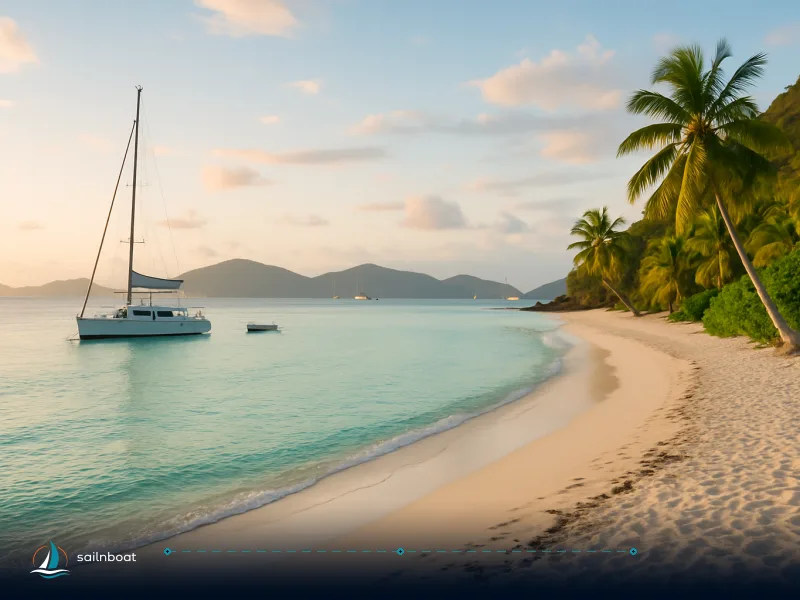
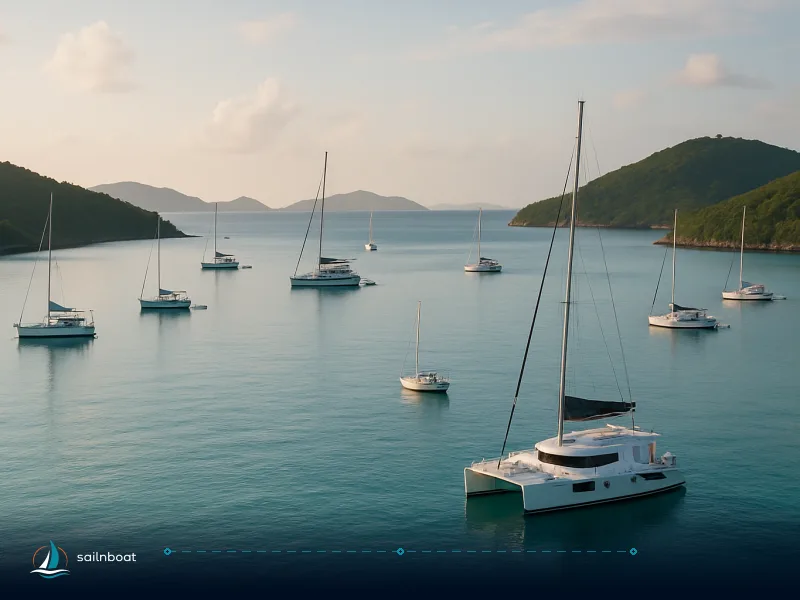
The Most Picturesque Anchorages in the Caribbean for Photography Lovers
A focused guide to the Caribbean's most photogenic anchorages — where to drop the hook, what to expect for depths and fees, and how to shoot the best images at each spot.

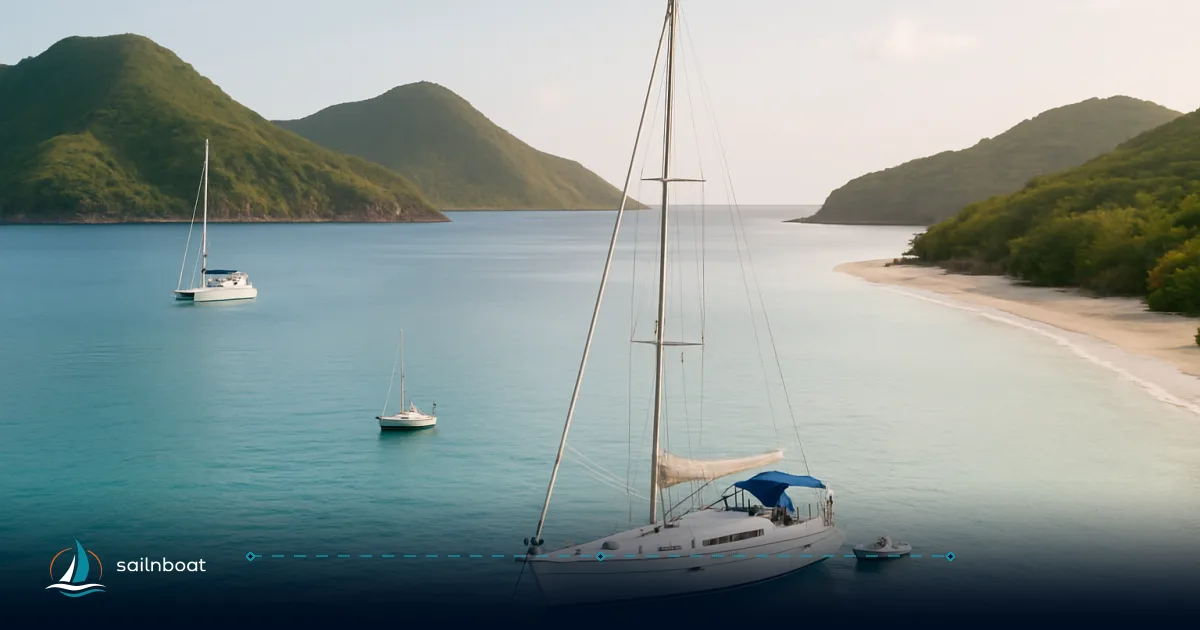
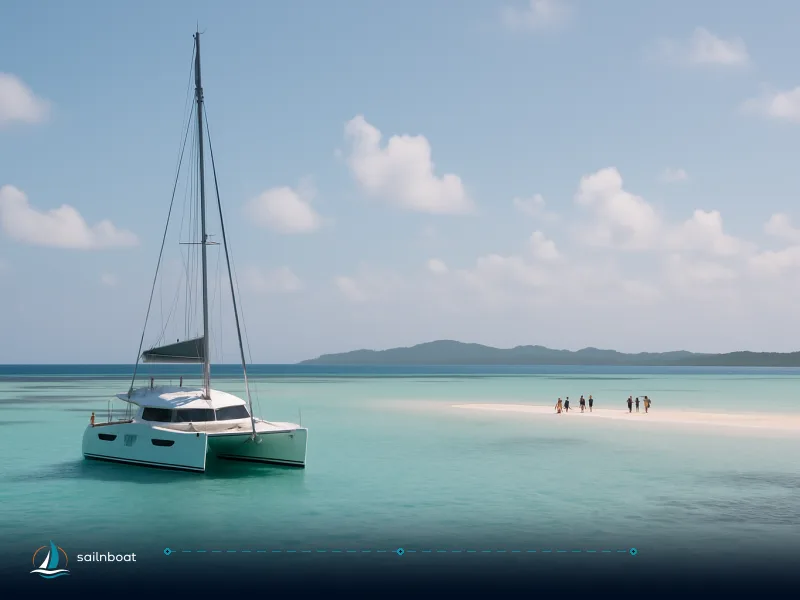
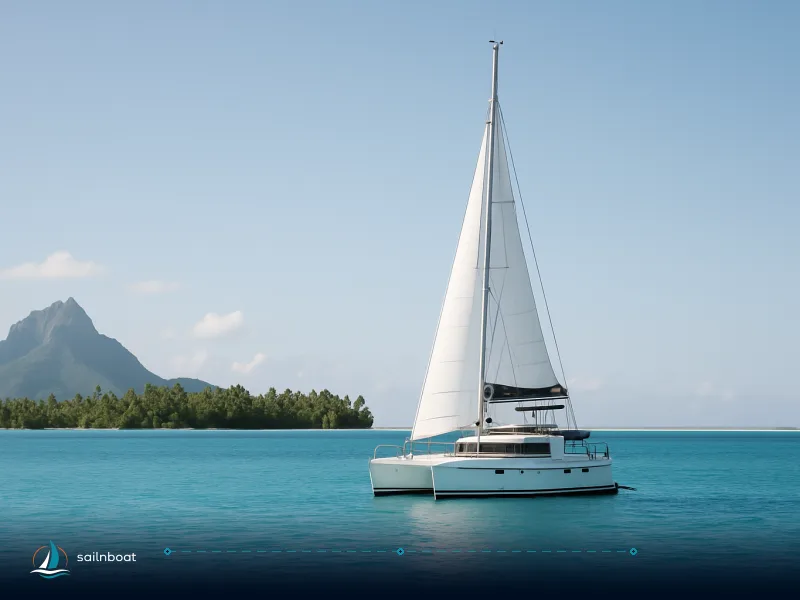
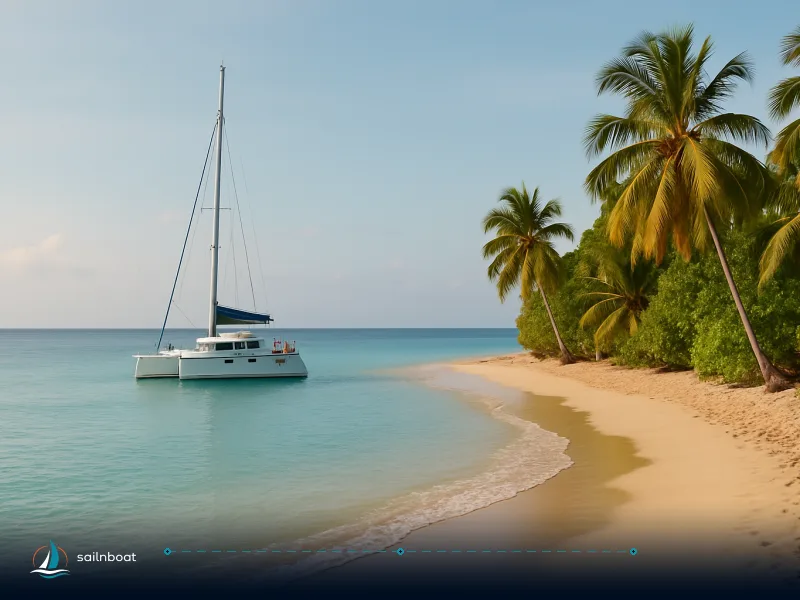
If you want the Caribbean's best picture-making, choose anchorages that offer both landscape variety above water and life below it — turquoise lagoons with snorkeling turtles, granite grottoes, colourful beach life and protected marinas for calm golden hours.
Top Caribbean Anchorages for Photography
Below are five anchorages that consistently deliver strong photographs for sailors. The short summaries give the photographic strengths, anchoring constraints and what to plan for at arrival.
Tobago Cays, St. Vincent & the Grenadines
- Photographic highlights: shallow turquoise lagoon, fringing coral gardens, frequent sea turtles grazing seagrass and classic yacht‑at‑anchor compositions at sunset and from a drone or tender.
- Anchoring & depths: anchoring is permitted on sand inside the reef and moorings are also provided; sheltered lagoon anchor positions are commonly in the single‑figure metre range out to deeper edges — navigational charts and local guidance are essential. Published anchorage guidance cites shallower lagoon anchoring and deeper approach anchorages outside.
- Fees & permits: the Tobago Cays Marine Park charges a per‑person park entry fee and a boat/mooring fee; the park posts current rates (park entry and 24‑hour mooring/anchoring fees). Budget for per‑person and per‑boat charges when planning a stop.
- Trade‑offs: superb underwater subjects but the Cays are busy in high season; if you need solitude, plan weekdays in the shoulder season or get there at first light.
White Bay, Jost Van Dyke, British Virgin Islands
- Photographic highlights: a long sweep of powdery white sand, strong turquoise-to‑deep-blue gradient, lively beach bars (Soggy Dollar), candid people photography and dramatic shallow water reflections at low sun.
- Anchoring & depths: shallow near the beach with variable holding; White Bay is often used as a daytime stopping beach, and some operators advise choosing nearby Great Harbour for overnighting due to variable swell and anchorage conditions. Several charter operators advise choosing nearby Great Harbour for overnighting.
- Fees & permits: no central park fee here, but pay attention to private mooring/harbour rules and local buoy fields; do not anchor on coral or seagrass.
- Trade‑offs: perfect for bar and beach photography in calm conditions; avoid overnighting unless you have local, experienced advice and a sheltered plan.
The Baths, Virgin Gorda, British Virgin Islands
- Photographic highlights: massive rounded granite boulders forming tunnels, grottoes and tidal pools — best photographed in directional light that sculpts texture (early morning or late afternoon inside the formations).
- Anchoring & moorings: mooring buoys are provided to prevent anchor damage to the reef; The Baths is managed and moorings (and permits) are used — overnight mooring in the immediate Baths area is not permitted.
- Trade‑offs: extremely photogenic rockscape but strict access and no overnight anchoring is typically practiced; plan to arrive early for light and to avoid crowding.
Admiralty Bay, Bequia, St. Vincent & the Grenadines
- Photographic highlights: classic harbour shots — lines of locally maintained yachts, fishing boats, village streets and close‑up portraits of working seafaring culture; beaches nearby for low‑angle surf and local life.
- Anchoring & depths: Admiralty Bay offers reliable anchoring with good holding in sand/mud and commonly quoted depths in the roughly 4–15 m band in the main anchorage; it is a primary port of entry with moorings available in season.
- Fees & permits: local mooring fees are charged in some parts of the Grenadines and port/harbour procedures apply when using Bequia as a port of entry; arrive with paperwork and be prepared for a busy January–March season.
- Trade‑offs: dependable shelter and culture-rich shoreside opportunities; in high season expect many boats and reduced swinging room.
Marigot Bay, St. Lucia
- Photographic highlights: rainforest slopes framing a narrow, mirror‑calm inlet — ideal for golden‑hour reflections, marina light studies and rainforest/harbour contrast shots.
- Anchoring & facilities: Marigot Bay is a naturally sheltered harbour with marina berths and full services; the marina publishes berth depths and the inner bay is commonly used as a hurricane hole.
- Fees & permits: marina berthing and local harbour fees apply; facilities make it the practical choice when you need water, fuel or medical access.
- Trade‑offs: excellent shelter and facilities but busier and more developed than remote cays — better for calm-water landscape work than “untouched” seascapes.
Comparison table — at a glance
| Anchorage | Typical anchoring depth (m) | Moorings required? | Overnight recommended? | Fees (typical) | Photographic strengths |
|---|---|---|---|---|---|
| Tobago Cays (SVG) | shallow lagoon to deeper approaches; sand/mud anchoring commonly in single‑figure to low double‑figure metres | Moorings available; sand‑only anchoring inside reef | Yes (in designated sand areas) | Marine‑park entry per person; boat/mooring charge per 24h (park posts rates). | Underwater scenes, turtles, jewel‑blue lagoon compositions |
| White Bay (JVD, BVI) | shallow near beach; uneven holding | Moorings available nearby; many prefer day mooring/anchoring | Generally day‑stop; many operators avoid overnight | No central park fee; local mooring fees possible. | Beach life, bar scenes, sand/sea contrast |
| The Baths (Virgin Gorda, BVI) | shallow lagoon and rocky approaches | Moorings required; no anchoring on reefs | Overnight mooring or anchoring is not typically practiced at the Baths | Managed mooring fees; park/management rules apply. | Granite boulder grottoes, textural rockscapes |
| Admiralty Bay (Bequia, SVG) | ~4–15 m typical in main bay; excellent holding | Moorings available near shore | Yes — recommended (sheltered) | Local mooring fees in season; harbourmaster procedures for port of entry. | Harbour portraits, local life, wide beach fronts |
| Marigot Bay (St. Lucia) | deep, marina depths published (berth depths ~4–5 m MLD at some docks) | Moorings & full marina berthing | Yes — sheltered, often used as hurricane hole | Marina berthing fees apply | Reflections, rainforest slopes, sheltered golden hour shots. |
Best Times to Visit for Optimal Lighting and Weather Conditions
Seasonal considerations
- Window for steady trade winds and the clearest days: roughly December through April. This is the peak charter season for predictable easterly/northeasterly trades, drier weather and excellent underwater visibility — but also the busiest and most expensive period.
- Hurricane season (June–November) increases the risk of tropical storms and squalls; many charter companies reduce fleets and apply stricter insurance and cancellation terms during this period. If you go in summer, plan additional weather contingency days and confirm your contract's named‑storm clauses.
Time of day for best lighting
- Golden hour (the 60–90 minutes after sunrise and before sunset) is the highest‑value time for landscapes and shorelines — the low sun produces longer shadows that sculpt the Baths' boulders and bring out reef textures at the waterline.
- For underwater photography, mid‑morning (roughly 09:00–11:30 local time) is often recommended for good sunlight penetration and visibility, but optimal times can vary with local conditions; adjust your plans based on water clarity and sun angle. Calibrate times to local sunrise/sunset and the seasonal sun angle.
Unique Features and Photographic Opportunities at Each Location
Underwater photography at Tobago Cays
- What to shoot: turtles in seagrass, reef ledges, schools of reef fish and the pale sand patterns that make the lagoon read well in wide‑angle frames. Use a wide‑angle underwater housing and consider strobes to restore colour at depth. The park marks turtle areas and has restrictions to protect the fauna.
Granite forms and light inside The Baths
- The Baths reward texture: shoot low and wide to emphasise the scale of the boulders, and use cross‑page compositions (foreground rock, middle‑distance swimmer/boat, background sky) to show scale. Early morning delivers the soft, directional light that separates boulder faces without crushing shadow detail. Moorings and managed access shape where you can land and when.
Cultural and street photography in Admiralty Bay
- The best pictures are small scenes: fishermen repairing gear, market stalls, dinghy‑to‑shore transfers and evening quay light. Port Elizabeth gives quick access to supply runs and candid portraits — ask permission for close portraits and reward your subject with a print or a nitrile glove if you offer a small barter.
Beach bar portraits at White Bay
- Capture the contrast between pale sand and saturated sea; use a fast prime (35–50 mm equiv.) for shallow‑depth portraits of people at the bar and a polarizer to deepen the sky and reduce surface glare. Mid‑afternoon is perfect for vibrant life-saturated scenes; move earlier or later for more flattering light.
Marigot Bay: reflections and rainforest framing
- Use long exposures at dawn or dusk (ND filter 3–6 stops) to smooth water and amplify reflected rainforest colours; compose vertical frames to include the bay inlet and the rising slopes for a postcard‑style shot.
Practical Considerations: Anchoring, Fees, and Local Regulations
Anchoring conditions and best practice
- Always anchor in sand when reefs or seagrass are present — anchors and chains destroy coral and seagrass more than you realise. Many marine parks mark the allowed anchoring area and provide moorings to prevent anchor damage. Carry adequate scope (commonly 5:1–7:1 in protected anchorages but calculate based on actual depth and conditions) and set an anchor alarm. For busier anchorages, leave a generous swing radius so you don't crowd neighbours.
Fees, moorings and permits (practical rules)
- Tobago Cays: expect a per‑person park entry fee and a boat/mooring fee for a 24‑hour period; the Marine Park publishes a fee schedule and enforces payments. Moorings may be charged at a per‑24‑hour rate.
- The Baths: mooring buoys are used to protect reefs and the Baths restrict overnight mooring in the immediate area — plan on day visits with mooring or a nearby overnight berth; confirm current rules with local authorities.
- Admiralty Bay and Bequia: local moorings are available and the bay operates as the main harbour/port of entry; harbourmaster/immigration procedures apply if you are clearing here.
- Marigot Bay: marina berths and associated fees apply; the bay is widely used as a sheltered harbour and has published marina depths and services.
Note the common pattern: many attractive anchorages either require moorings or restrict anchoring in sensitive areas. Make those distinctions part of your plan rather than an afterthought.
Tips for Capturing the Perfect Shot in Each Anchorage
Equipment recommendations
- Lenses: wide‑angle for seascapes and grotto interiors (16–35 mm full‑frame equivalent), 24–70 mm for general use, and a short telephoto (70–200 mm) for isolating distant subjects and compression at golden hour.
- Filters and accessories: a circular polarizer reduces surface glare and deepens water colour; ND filters let you smooth water for reflection shots; a small tripod or stable surface is crucial for low‑light exposures from the deck.
- Underwater kit: waterproof housing for a wide‑angle lens, an external strobe or powerful video light to restore colour below 3–4 m, and a float for your rig. Rent or test housings before your charter if you do not use them regularly.
Shooting techniques and composition
- Use foreground elements (sand ripples, a bowline, a dinghy) to add depth in wide shots; include a small human figure for scale at The Baths and Admiralty Bay.
- For turtles and reef life, keep movements slow and shoot in bursts — continuous AF plus wide‑aperture short bursts increases keeper rates. Respect the animals: no chasing, no touching.
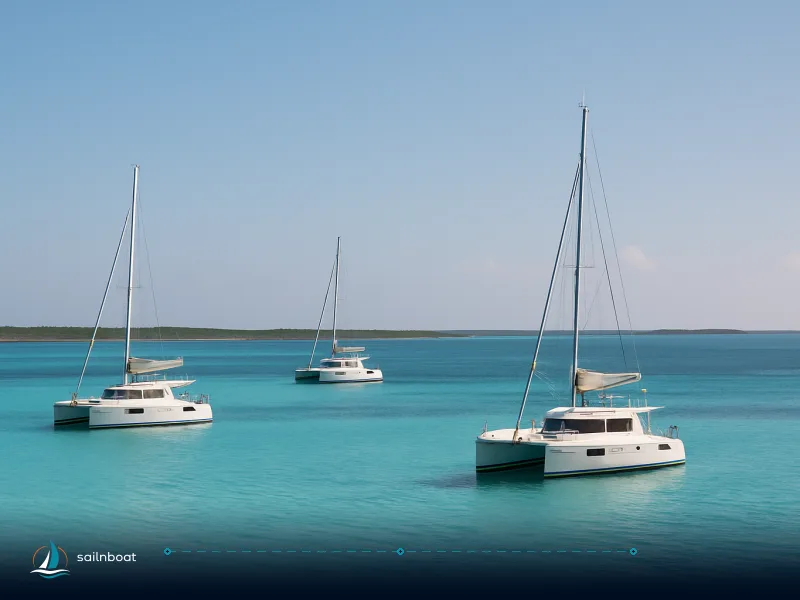
- For crowded bays (Tobago Cays in high season), look up: drone and aerial shots (where permitted) or deck‑level panoramas capture the density and colour of a classic Caribbean anchorage.
Logistics while shooting from the boat
- Plan shooting windows around provisioning and refuelling to avoid missing the best light; bring a dry bag, a power bank and extra memory cards. If you plan to go ashore at night for night‑sky or low‑light work, factor security and a dinghy‑tie plan into your checklist.
Safety, Responsibility and Photo Ethics
- Follow marine‑park rules: avoid anchoring on coral/seagrass, respect marked turtle zones, and hire local guides for dives (many parks require registered operators for scuba). Pay published park and mooring fees — these funds support the reefs you photograph.
- Keep safety simple: carry an anchor alarm, brief your crew on dinghy operations for early light shoots, and monitor weather forecasts during hurricane season using official advisories. If conditions turn, prioritize shelter and crew safety over the shot.
Plan your trip
If you prize clean water, diverse marine life and dramatic shorelines in one short circuit, plan a Grenadines loop that includes Bequia and the Tobago Cays, add Virgin Gorda for The Baths and allocate a calm‑water day for Marigot Bay if you need services. Book peak‑season weeks well in advance, budget for park and mooring fees, and design your itinerary around golden hours at each location.
Final practical checklist (one page to take on board)
- Charts and local pilot notes for each anchorage; ask base staff for last‑mile advice.
- Park/harbour fee cash in local currency and card where accepted (Tobago Cays Marine Park posts per‑person and boat/mooring fees).
- Underwater housing and strobes tested before departure; polarizer and ND filters for landscapes.
- Anchor alarm, shore‑tie plan for dinghy work, and a contingency day for weather.
- Respect for wildlife and reef rules: anchor on sand only, use moorings where provided.
Plan your next shoot with these anchorages in mind and you will be rewarded with a compact but diverse set of Caribbean images — from turtles and coral to granite grottoes and harbour portraits — each requiring a slightly different anchoring and shooting plan.
Frequently Asked Questions
The dry, trade‑wind season from roughly December through April gives the most reliable winds, clearer skies and better underwater visibility; hurricane season runs June–November and brings higher squall risk and rougher seas.
Expect a wide range: Tobago Cays (anchoring areas typically in the shallow lagoon on sand—commonly a few metres to single‑figure depths; deeper approaches exist), Admiralty Bay (about 4–15 m with excellent sand/mud holding), Marigot Bay (deep and sheltered with marina berths), The Baths (mooring buoys only), White Bay (shallow shoals near the beach and uneven holding).
Yes—Tobago Cays Marine Park charges a per‑person entry fee and a boat/mooring fee (the park posts current rates), The Baths uses managed moorings and does not permit overnight anchoring, and some islands operate local mooring fees or harbourmaster rules — check the local park or harbour authority before you go.
Tobago Cays: turtles, reef structure and lagoon aerials; White Bay: white sand contrast with turquoise surf and lively beach scenes; The Baths: granite boulder grottoes and tidal pools; Admiralty Bay: harbour portraits, fishermen and street scenes; Marigot Bay: mirrored water reflections, rainforest slopes and marina compositions.
Anchor on sand only, use established moorings where required, carry a reliable anchor alarm and adequate scope, give other boats room to swing, respect marked turtle/reef zones and pay local fees — follow harbourmaster instructions and the marine‑park regulations.
Written by
Sailnboat Editorial
The Sailnboat editorial desk covers yacht and boat chartering worldwide — routes, bases, seasons, boat types, paperwork and the practical costs that decide a trip. We are a charter marketplace, not a boat owner or a local agency: what we sell is judgement and support, so our guides are written to help you make a decision, not to sell you a specific boat. Every guide is checked against live operator and marina data before it goes out.
Fact-checked against live operator and marina data, and published under our editorial standards. Last reviewed: .