Where to Cliff Jump in Croatia: Safe Spots & Local Etiquette
A practical, skipper-first guide to cliff jumping in Croatia: where to go, how to approach from anchor, how to judge depth and difficulty, and the local etiquette to respect.

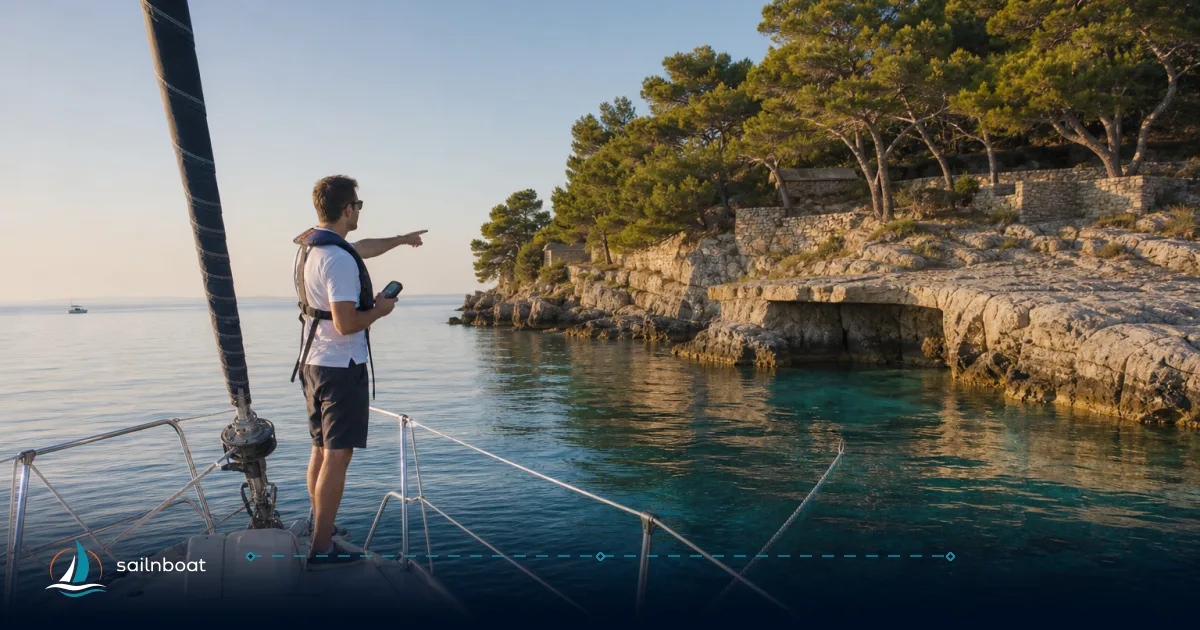
If you want to cliff jump in Croatia, pick sheltered coves with proven deep water and anchor on sand or a numbered buoy — not on Posidonia meadows — and always measure the landing zone yourself before anyone commits to a height. This guide lists the commonly used spots, the practical anchoring approaches for yachts, how to judge difficulty and depth, and the local etiquette your crew will need to follow.
Top Cliff Jumping Spots in Croatia
Below are the most practical, often-used locations for cliff jumping by people arriving under sail or power. For each I note jump-height ranges reported locally, the sensible anchoring approach and the difficulty you should expect. These figures are compiled from local tourist authorities, anchorage guides and on-the-water reports; treat heights as typical ranges and always check depth and obstacles in person before jumping.
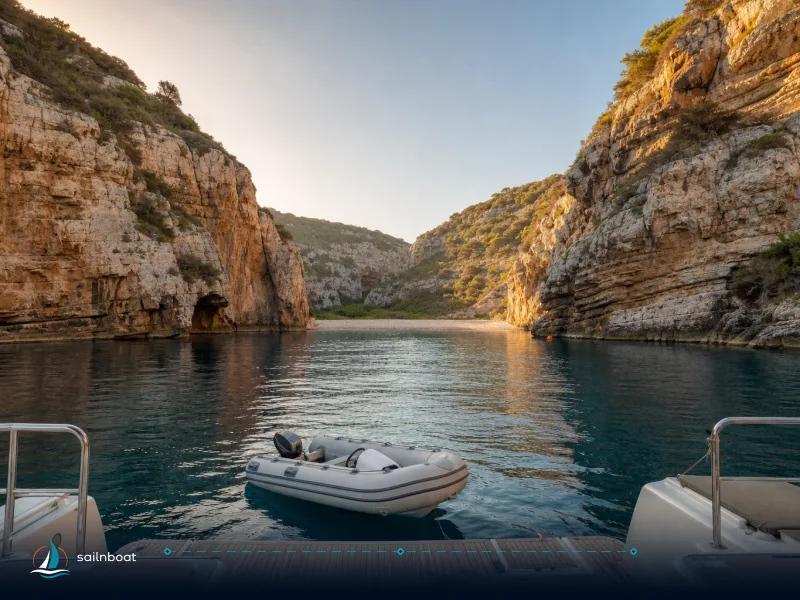
Stiniva Cove, Vis Island
- Jump height (typical): lower ledges 5–8 m; the higher side ledges used by experienced jumpers can be in the 7–10 m range depending on exact ledge selection.
- Why go: enclosed bowl, sheltered from many wind directions when approached from outside the gap; dramatic cliffs create clearwater landings in much of the inner pool.
- Anchoring & approach: anchor outside the narrow slot at the mouth; tender in through the channel to drop swimmers near the beach. Mooring buoys are often managed seasonally — prefer buoys when present; if anchoring, pick bright sand patches and avoid Posidonia. Use an anchor alarm.
- Difficulty & depth notes: depth in the outer and mid cove commonly ranges from about 3–20 m depending on location; that means lower ledges are safe for modest jumps, but higher jumps require a careful depth check across the landing area. Do not assume every spot inside the cove is deep.
Mala Travna Bay, Vis Island
- Jump height (typical): smaller cliffs and shelves around 4–8 m; many jumps are low-to-medium and suitable after a short swim from the yacht.
- Anchoring & approach: drop anchor outside the small beach or take a buoy; Mala Travna is a good lunch stop and often used as a tender-accessible jumping spot — swim in from the yacht rather than beaching the tender in exposed conditions.
- Difficulty & depth notes: generally an easy-to-moderate spot for confident swimmers; seabed can be rocky near the shore so test the intended landing zone by swimming and probing with a line.
Buža cliffs, Dubrovnik (Buža Bar area)
- Jump height (typical): popular ledges range roughly 3–15 m depending on which ledge you use; many local ledges are in the 5–12 m bracket. Buža is a shore-access cliff bar, not a formal jumping site, and operators often discourage jumping because conditions change.
- Anchoring & approach: if you’re arriving by yacht, anchor in nearby bays or use Dubrovnik’s harbour/marinas and ride a tender; Buža is reached on foot through an opening in the Old Town walls — do not attempt to approach the ledges by bringing a boat up to the walls.
- Difficulty & depth notes: shallow shelves and submerged rocks exist near the wall; many guides now recommend observing rather than jumping, especially in high season when ledges are crowded. Confirm a clear, deep landing area before any jump.
Panin Buk, Golubić (near Zadar)
- Jump height (typical): community reports list ranges of 6–12 m for prominent ledges, but documentation is mostly crowd-sourced and varies by season.
- Anchoring & approach: Panin Buk is best approached from a designated mooring area or small bay nearby; if in doubt use a local operator to guide the tender in.
- Difficulty & depth notes: less formally supervised than tourist sites — treat Panin Buk as a community spot and verify depth and bottom composition yourself before jumping.
Telašćica Bay, Dugi Otok
- Jump height (typical): widely used cliff edges and ledges around 5–10 m; there are several named ledges and smaller cliffs on the ocean (west) side of Telašćica used by recreational jumpers.
- Anchoring & approach: Telašćica Nature Park offers official mooring buoys and managed anchorages (Tripuljak and others); using park buoys is often the recommended option and you must pay park entry/buoy fees when applicable. Anchor in designated sandy patches or use the buoy field; the park authority manages buoy use in summer.
- Difficulty & depth notes: the cliffs face the open Adriatic and can be exposed to swell — pick sheltered coves inside the bay when sea state is active. Park signage and rangers will advise on safe jumping spots during your visit.
Premantura / Cape Kamenjak (Istria)
- Jump height (typical): tour operators offer jump choices from 1–7 m on guided trips; there are higher ledges for experienced jumpers on rougher days, but most commercial operators stick to controlled, lower heights.
- Anchoring & approach: if you’re under power anchor off designated bays, use a tender to reach safer points and follow Cape Kamenjak park rules — some entry points require tickets for vehicles and parking but pedestrians/cyclists often enter free; boat fees may apply in summer.
- Difficulty & depth notes: many operators run supervised kayak-and-jump days that are a safer option if you want controlled heights, guides and safety gear.
Kravica Waterfall (Studenci, West Herzegovina — Bosnia & Herzegovina)
- Location note: Kravica is not in Croatia — it’s in Bosnia & Herzegovina near Ljubuški/Mostar — but it’s commonly visited on day trips from Dalmatia and features a large tufa cascade with a wide plunge pool.
- Jump height & approach: the waterfall itself is about 25 m high overall but jumping from the top is not an organised activity for casual visitors; local tours and operators will point out safe lower ledges for bathing and supervised entries. Treat Kravica as a guided or shore‑operator site rather than a yacht-access cliff-jump location.
Table — quick comparison
| Spot | Typical jump height (m) | Anchor / access | Difficulty |
|---|---|---|---|
| Stiniva (Vis) | 5–10 | Anchor outside mouth / seasonal buoys; tender in | Moderate (depth varies inside cove). |
| Mala Travna (Vis) | 4–8 | Small bay anchor / buoy; swim from yacht | Easy–moderate; check seabed. |
| Buža (Dubrovnik) | 3–15 | Harbour/marina + tender/shore access | Moderate–higher risk due to rocks & crowds. |
| Panin Buk (Golubić) | 6–12 (community) | Mooring area / local guidance | Moderate; community spot—verify depth. |
| Telašćica (Dugi Otok) | 5–10 | Park buoys / designated anchorage | Moderate; exposed to swell on ocean side. |
| Kamenjak (Premantura) | 1–7 (tour ops) | Tender/kayak from yacht; park rules | Easy if guided; commercial oversight. |
| Kravica (BiH) | n/a (visit site) | Shore access; boat trips from nearby Croatian towns | Variable; treat as day‑trip and follow staff guidance. |
Assessing Jump Difficulty and Safety
Evaluating Jump Heights
- Practical rule: recreational cliff jumping in natural water needs more depth than pool diving rules imply. Many safety guides recommend at least several metres of additional depth as height rises — for example, a 10 m jump commonly needs 7–8 m of clear, obstacle‑free water in recreational settings (controlled pool usage has lower minimums for trained divers). Always measure depth across the landing zone, not only under the drop point.
- How to check depth: swim and probe the landing area, use a weighted line or depth sounder from the tender, and test by entering feet-first from a low height before any higher jump. Submerged boulders, uneven bed and seasonal water-level changes can falsify expectations.
Weather Considerations
- Wind and swell change both the approach and the safety of a jump: strong gusty bora (bura) events or southerly jugo can generate sudden swell and reduce water clarity. Check local marine forecasts (DHMZ / meteo.hr) and monitor real-time sea-state reports before stopping to jump. In narrow channels swells can focus and increase quickly.
- Visibility and currents: avoid jumping when the sea is stirred up, visibility is poor, or there are cross currents near rock faces.
Local Regulations
- Posidonia and protection: many Croatian bays contain Posidonia meadows — anchoring on these is prohibited and enforcement is active in busy seasons; damaged seagrass results in fines and is often charged to charter clients. In summer some locations implement a beach exclusion zone (commonly reported as 150 m from public beaches during defined months) and national/park buoys manage safe day‑use — respect those systems.
- Park rules and buoys: Telašćica and other protected areas run buoy fields and entry fees; use the park buoys and follow posted instructions rather than dropping anchor over sensitive seabed.
Anchoring and Accessing Cliff Jumping Spots
Best Anchoring Practices for Jump Days
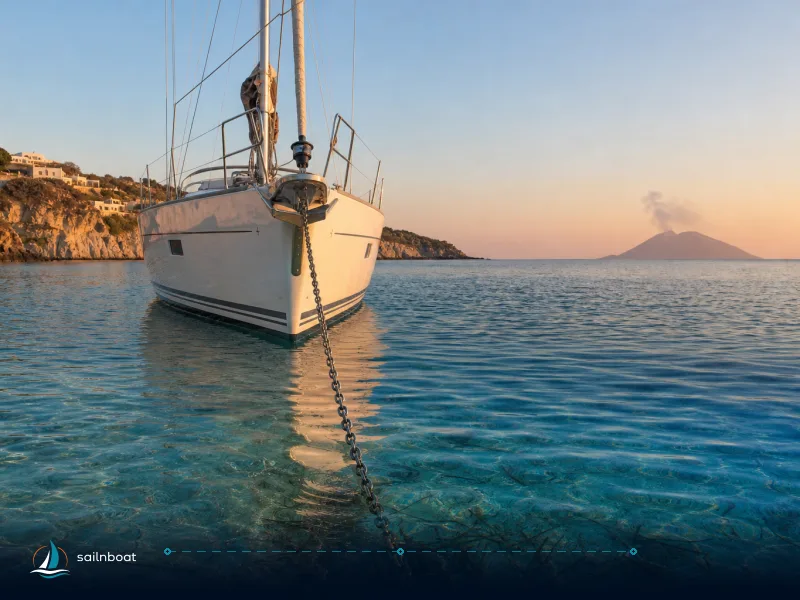
- Pick sand patches or marked buoys: anchor on clearly identifiable sand areas and avoid dark green patches (Posidonia). Buoys are the preferred option in parks and protected bays.
- Scope and holding: for short daytime stops many skippers use a scope of 5:1 or more depending on wind and swell; carry adequate chain/rope and be ready to increase scope if conditions pick up. Use an anchor alarm and assign a crew member to watch. Practical guidance commonly recommends 5:1 as a useful minimum and higher scope in gusty conditions.
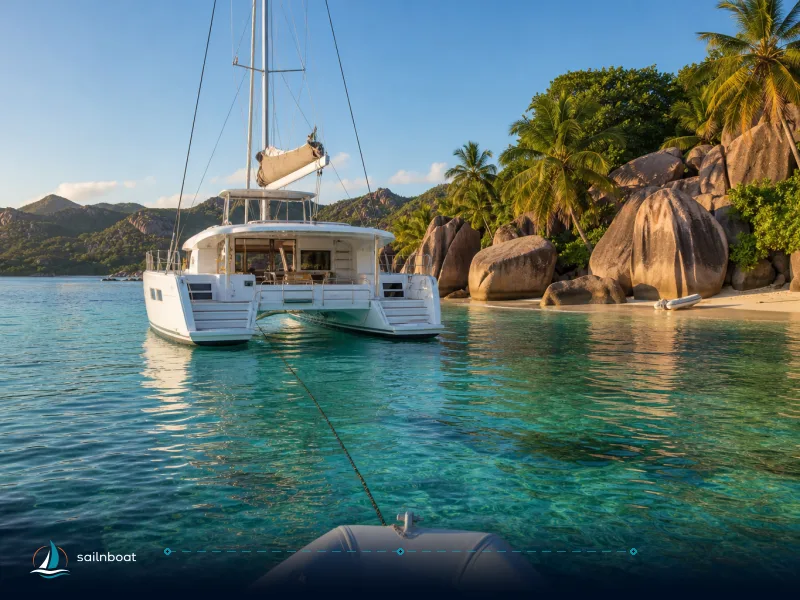
- Stern / kedge anchoring for stability: where appropriate, a stern (kedge) anchor or stern-to approach increases stability and reduces the boat’s swing, particularly in gusty conditions or when swimmers are in the water; Mediterranean-style stern moors are widely used in crowded anchorages. These techniques are part of standard seamanship manuals and are a practical approach for secure day‑stops.
Practical skipper checklist before people go in the water:
- Confirm depth across a 3–4 m diameter landing area with a weighted line or depth sounder.
- Snorkel the landing area to check for boulders or submerged ledges.
- Make a recovery plan and keep the tender ready; brief the crew on signals and an order-of-jump.
- Keep at least one sober spotter in the water during a jump session; never let people jump alone.
Accessing the Jump Site
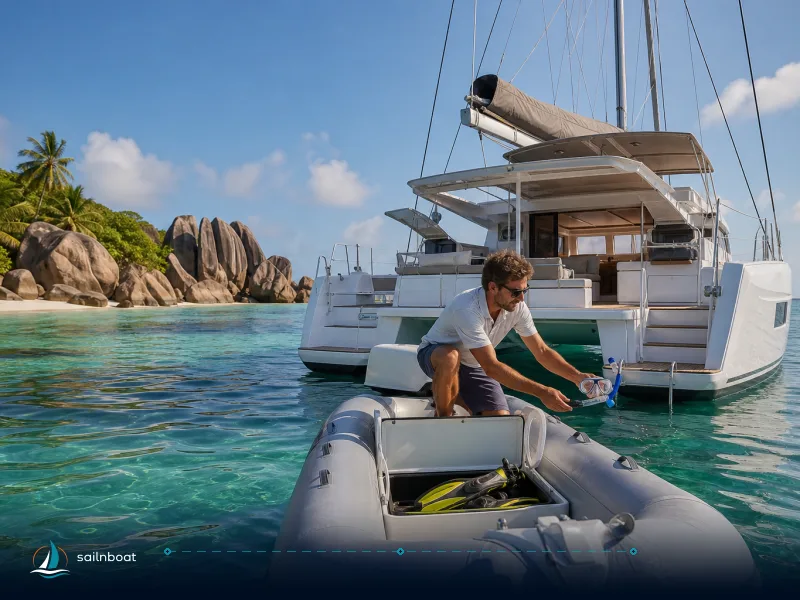
- Tender or kayak: the safest way to reach most cliff-jump ledges is by tender or kayak; it allows you to probe the landing area before anyone jumps and provides a quick retrieval method. Guided kayak trips (Kamenjak, Premantura) combine safe access and local knowledge.
- Shore approach: where shore access is simple (some Kamenjak ledges, Buža from the Old Town), use marked paths and follow local rules; avoid stepping on vegetation or climbing protected cliffs.
Local Etiquette for Cliff Jumping
Respecting Nature
- Do not anchor on Posidonia or drag chain across meadows. Use a buoy when one is provided. Park zones and protected areas typically have entry fees and buoy charges; paying them keeps the areas open and enforced.
- Take your rubbish with you. Avoid using single‑use plastics around cliff sites and beaches where marine debris accumulates.
Jumping Etiquette
- Wait your turn and clear the landing area: one jumper at a time; the jumper signals when clear and the spotter confirms no swimmers are in the impact zone.
- Keep volume down close to villages and private cottages; locals do not appreciate noisy groups climbing cliffs or blocking access paths. Use common sense about timing — early morning and late evening are usually quieter and safer.
- If a local or a commercial operator discourages jumping at a particular ledge, accept their judgement — they see seasonal variation in seabed and currents you will not. Commercial operators and park rangers are good sources of current safety advice.
Alternative Adventure Activities in Croatia
If you want the adrenaline without the uncertainty of informal cliffs, choose one of these operator-led or lower-risk alternatives:
- Guided sea‑cave paddles and swims (Blue Cave, Biševo) — controlled entry times and guides manage the risks.
- Kayak + snorkel + low-ledge jumps (Kamenjak tours) — guides provide life jackets and staged heights.
- Shore or boat dives with dive centres (Kornati, Vis) — trained instructors, measured depths, and compressed-air support.
- Coastal hikes to viewpoints and lower ledges — less impact on marine habitat and a safer way to see classic jumping locations from land.
Plan your crew’s risk tolerance honestly: guided activities let you dial the height up or down without sacrificing the experience.
Plan the jump, don’t improvise it. Use buoys and park infrastructure where available, measure the landing zone yourself, keep one sober spotter in the water at all times and choose tender or kayak access rather than beaching. If conditions, seabed or local advice says “no,” treat that as final.
Plan your cliff jumping adventure in Croatia today.
Frequently Asked Questions
Safer, commonly used spots include sheltered coves on Vis (Stiniva, Mala Travna), cliff ledges in Telašćica Nature Park (Dugi Otok), low-to-medium ledges around Premantura/Kamenjak, and controlled spots near Dubrovnik’s Buža cliffs; Kravica waterfalls are in Bosnia & Herzegovina (near Mostar) and attract day trips. Each spot varies by tide, season and anchoring rules, so approach with local checks and prefer buoys where provided.
Check water depth (measure with a weighted line or depth sounder), look for submerged rocks, test the landing zone by swimming and diving in, observe local currents and swell, and avoid jumping in high winds or when visibility is poor. Recreational guidance recommends significantly deeper water than pool standards for high jumps; always inspect multiple points across the landing area.
Do not anchor on Posidonia seagrass; many bays enforce a 150‑metre beach exclusion in summer and national-park buoy fields and entry fees apply in protected areas — follow park rules and shore signage. Be quiet near villages, wait for your turn before jumping, and never pressure locals or other visitors. Penalties for damaging protected seabeds are routinely passed to charterers.
Anchor in marked sandy patches well outside Posidonia meadows, use a stern or kedge anchor for stern-to or increased security in gusty conditions, deploy an appropriate scope (commonly 5:1 or more depending on conditions) and assign an anchor watch when people are in the water; use the tender or kayak to reach the jump safely.
If cliff jumping feels too risky, choose guided sea‑cave swims (Blue Cave, Biševo), kayak-based cliff-scrambles around Kamenjak, snorkel and shore dives in Kornati/Telašćica, or coastal rock‑hiking routes — all widely available through local operators.
Written by
Sailnboat Editorial
The Sailnboat editorial desk covers yacht and boat chartering worldwide — routes, bases, seasons, boat types, paperwork and the practical costs that decide a trip. We are a charter marketplace, not a boat owner or a local agency: what we sell is judgement and support, so our guides are written to help you make a decision, not to sell you a specific boat. Every guide is checked against live operator and marina data before it goes out.
Fact-checked against live operator and marina data, and published under our editorial standards. Last reviewed: .