12 Best Seychelles Snorkel Spots Accessible from Your Yacht
A practical, yacht-focused guide to the 12 best Seychelles snorkel spots, with mooring options, park fees, seasonal windows, common marine life and safety guidance for your crew.

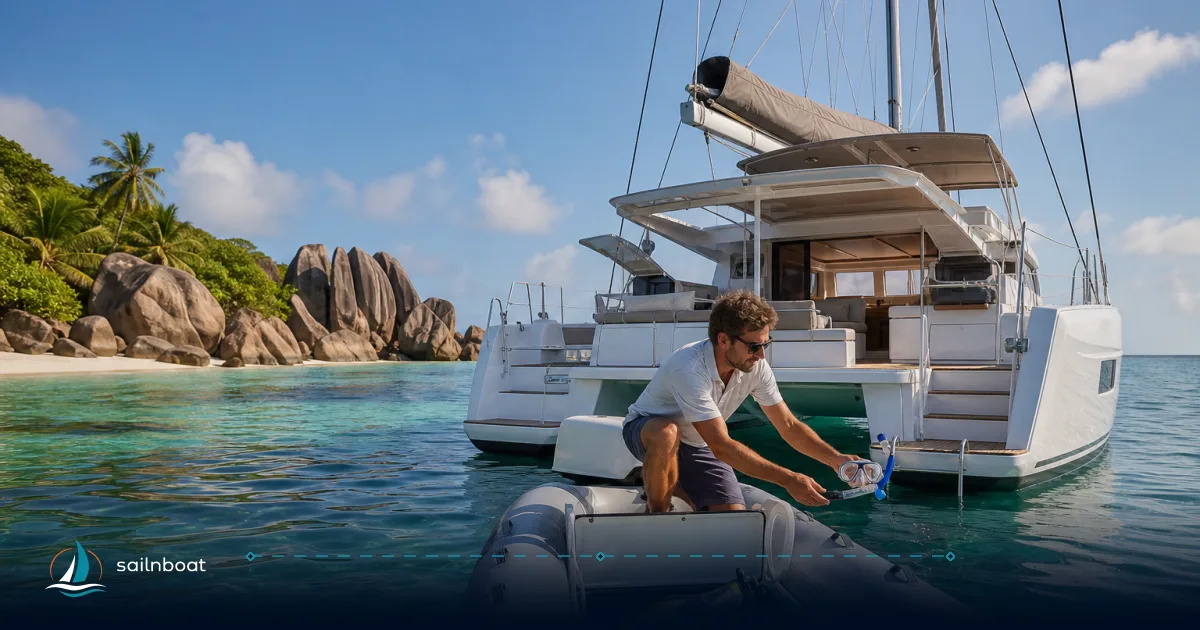
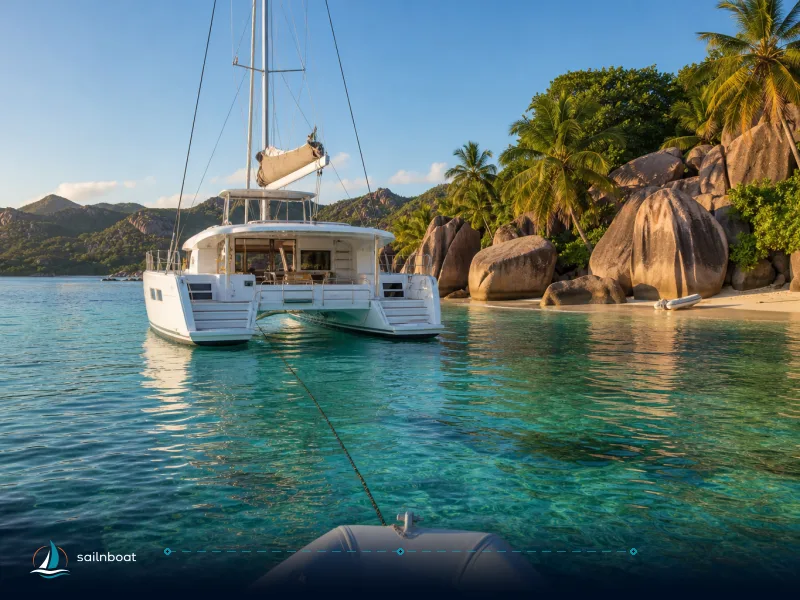
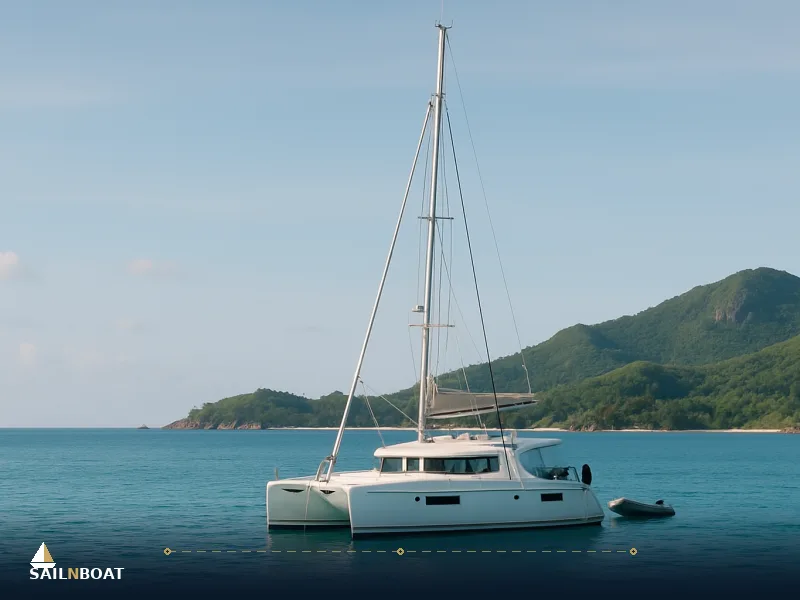
These are the 12 Seychelles snorkel spots you can reach easily from a yacht — chosen for water clarity, marine life and practical access by tender or mooring buoy. If you want decision‑grade planning, this guide lists where to moor (or not), what you will see under the water, the SPGA park fee picture, the seasonal windows to aim for, and the safety items your crew must manage before any guest entry.
Overview of Seychelles Snorkel Spots
The Inner Islands cluster — Mahé, Praslin and La Digue — contains the sites most practical for a 7–14 day yacht cruise: a mix of protected lagoons, granite islets and managed marine parks where SNPA/SPGA mooring buoys exist. Expect two operational realities to shape choices: (1) marine‑park rules and park/overnight fees apply in several places, and (2) wind season strongly affects which coast is sheltered on any given day. SPGA lists non‑resident visitor fees for Ste Anne, Baie Ternay/Port Launay and Ile Cocos (typically SCR 200 per adult) and Curieuse (SCR 300); overnight mooring buoys in SPGA parks are commonly charged at SCR 250 per vessel.
Season planning: the southeast trade wind runs broadly May–September and the northwest (wetter) period November–March; April–May and October–November are the calmer transition windows that most skippers choose for long snorkeling days because visibility and sea state are often best. Use local weather before committing to an exposed pass or outer reef.
Table — at‑a‑glance (site / typical depth / mooring / best window)
| Site | Typical depth for snorkel (m) | Mooring / Access | Best time (general) |
|---|---|---|---|
| Anse Lazio (Praslin) | 3–10 (shore to reef) | Anchor at sand patches; dinghy to shore | Apr–Oct (sheltered months) |
| Anse Source d'Argent (La Digue) | 1–5 (lagoon) | Shallow — shore access recommended | Apr–Nov (calm days) |
| St Pierre Islet (Praslin) | typically 3–10 (clear, rocky) | Short dinghy; boat pick‑up | Apr–Oct / transition months |
| Île aux Cocos (Coco Island) | 3–15 | SPGA islet/moorings; day trip | May–Sep / transition months |
| Curieuse (Praslin area) | 3–10 (near shore) | SPGA mooring buoys; ranger station | Apr–Oct (turtle season overlaps) |
| Anse Sévère (La Digue) | 2–6 | Dinghy from yacht | Apr–Oct |
| Baie Ternay (Mahé) | 3–20 (reef slopes) | SPGA moorings; sheltered | May–Nov |
| Anse Soleil (Mahé) | 2–8 | Dinghy / sheltered anchor | Apr–Oct |
| Anse Royale (Mahé) | 1–10 (reef & lagoon) | Moor or dinghy; visitor shore | Apr–Nov |
| Sainte Anne MNP (Mahé) | 2–20 | Park buoys; regulated landings | Apr–Oct / transitions |
| Anse Takamaka (Mahé) | 2–8 | Dinghy / shallow anchor | May–Nov |
| Anse Forbans (Mahé) | 2–8 | Dinghy access | Apr–Nov |
(Depths and buoy availability are local and can vary by tide and year; treat the table as operational guidance rather than precise charted soundings.)
1. Anse Lazio (Praslin)
Mooring and Access
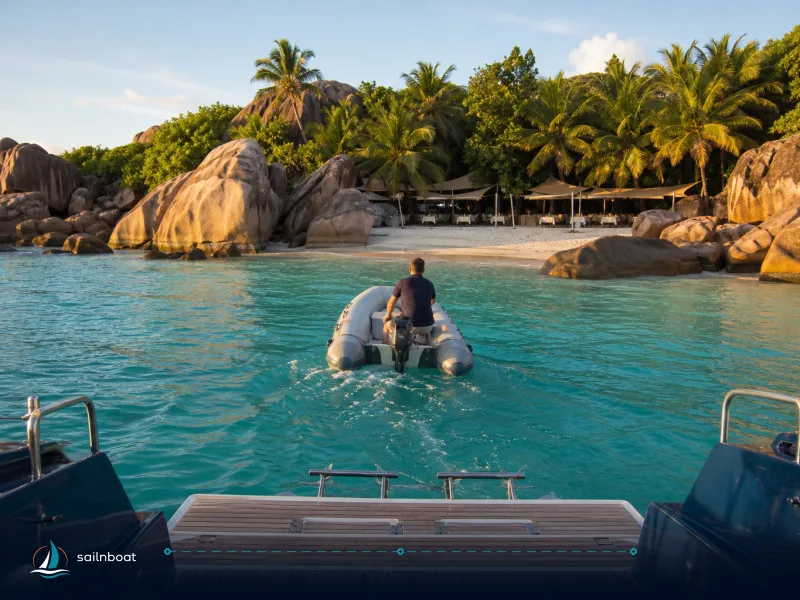
Anse Lazio sits on Praslin’s northwest tip. There are sand patches suitable for a stern anchor or a short tender run to shore; formal SPGA buoys are not normally available inside the main bay. If your vessel draws more than ~1.5 m at low tide, keep well off the beach and pick a sand patch in 4–10 m to avoid the nearshore rocks. Plan a controlled tender landing rather than swimming guests long distances. (Local guides flag shallows and rocky edges for less confident swimmers.)
Marine Life
Expect reef fish, small rays in sandy patches and occasional green or hawksbill turtles. Reef structure is a mix of granite rock and coral growth close to the shore; visibility is often good on calm days.
Best Time to Visit
Choose Apr–Oct for generally favorable seas on the island’s lee side; avoid strong NW swell in the wet season when the bay can become choppy.
Safety / Fees
No SPGA day‑ticket required for the beach itself, but check for local landing or estate fees if you go ashore — many operators prefer paying by card at the small kiosks ashore. Always brief guests on the rocky headlands and tide changes.
2. Anse Source d'Argent (La Digue)
Mooring and Access
The beach sits behind a shallow lagoon and a protected reef — entries are best by tender to the beach; the reef is typically only waist‑deep close in. Shore access (L’Union Estate) requires a small entrance fee for visitors landing on the estate grounds. The best snorkeling is the lagoon and the reef edges reached from the sand rather than by anchoring offshore.
Marine Life
Shallow lagoon species: clownfish, damselfish, small rays and juvenile parrotfish; easy snorkeling for mixed-ability groups.
Best Time to Visit
Calm days between April and November; low tides reduce swim depth so aim for mid to high tide.
Safety / Fees
No SPGA park fee for the beach specifically, but estate access fee applies; avoid surf conditions on exposed days and supervise children closely in the shallow lagoon.
3. St. Pierre Islet (Praslin)
Mooring and Access
A short dinghy run from Côte d’Or/Anse Volbert; the islet is a classic boat snorkel stop where you can swim around expansive granite outcrops. The reef starts shallow and drops off — choose morning entries when seas are calm. St Pierre is widely recommended for short, high‑visibility snorkels.
Marine Life
High fish density (surgeonfish, wrasses, butterflyfish), cleaner wrasse stations and good chances to see turtles; visibility often excellent compared with near‑shore sandy beaches.
Best Time to Visit
Transition months and the leeward side months (Apr–May; Oct–Nov) produce the clearest water.
Safety / Fees
No specific SPGA day ticket for St Pierre itself (it lies within the Curieuse/Praslin marine corridor patterns); follow local anchoring guidance and deploy a snorkel flag.
4. Coco Island (Île aux Cocos, near La Digue)
Mooring and Access
Cocos is an SPGA‑managed islet group popular for snorkeling; boats commonly use designated mooring buoys. Access is by dinghy or organised day trips from La Digue/Praslin. The islet’s reefs are best visited on calm days.
Marine Life
Rich biodiversity — reef fish, occasional reef sharks at slightly deeper edges, and healthy coral gardens where visibility holds.
Best Time to Visit
May–September and transition months for calmer conditions on the leeward sides; watch currents on exposed days.
Safety / Fees
If the islet is within an SPGA park, expect the standard SCR 200 per non‑resident day fee (Ile Cocos is listed among SPGA parks) and SCR 250 for overnight mooring if you remain inside park hours.
5. Curieuse Island (Praslin area)
Mooring and Access
Curieuse is a marine park with marked mooring buoys and a ranger station at Anse Papaie — overnight buoy fees and day entry fees apply (SPGA lists Curieuse entry at SCR 300 for non‑residents; overnight vessel mooring commonly SCR 250). Rangers often visit boats to collect fees.
Marine Life
Seagrass beds and reef flats attract feeding hawksbill turtles; reef slopes hold surgeonfish, wrasse and occasional reef sharks. The island itself is notable for its tortoise sanctuary ashore — a good combined half‑day plan (snorkel + shore visit).
Best Time to Visit
Apr–Oct (lee side depending on wind). Snorkel mornings for better visibility and softer boat traffic.
Safety / Fees
Pay SPGA fees at the ranger station or by card when personnel board; follow the park rules — no fishing, no collecting, and use only designated moorings to protect coral.
6. Anse Sévère (La Digue)
Mooring and Access
A quieter La Digue beach with easy dinghy access from offshore anchorages. The reef is shallow; a tender entry to the near reef is usually the simplest option.
Marine Life
Small reef fish, occasional juvenile turtles and patchy coral — good for shorter swims and mixed-ability guests.
Best Time to Visit
April–October and transition months; pick higher tide for best depth.
Safety / Fees
Shallow reefs mean watch for exposed coral at low water; shore access avoids mooring complexity.
7. Baie Ternay Marine National Park (Mahé)
Mooring and Access
Baie Ternay is an SPGA marine park with installed mooring buoys (SPGA notes buoys in Baie Ternay/Port Launay); it’s a favoured sheltered anchorage on Mahé’s west coast. Expect to pick up a buoy and pay the park entry fee — the combined Port Launay/Baie Ternay entry is commonly SCR 200 for non‑residents.
Marine Life
Seagrass beds, hawksbill turtles, abundant reef fish and morays in granite boulder habitat; visibility is frequently good on calm days.
Best Time to Visit
May–November for leeward shelter during southeast trades; mornings present calmer water for snorkelling.
Safety / Fees
Moor only on marked buoys — SPGA enforces this to protect coral; overnight buoy charges apply.
8. Anse Soleil (Mahé)
Mooring and Access
A west‑facing bay with a short dinghy run from a sheltered anchor. The bottom is sandy with rocky outcrops off the headlands.
Marine Life
Reef and patch sites produce damselfish, wrasse and occasional rays; younger snorkellers find shallow sheltered water.
Best Time to Visit
April–October and transition months when western bays are sheltered.
Safety / Fees
No specific marine-park day ticket here, but check local rules for shore facilities and supervise entries where rocks are present.
9. Anse Royale (Mahé)
Mooring and Access
A shallow lagoon protected by reef with easy dinghy access and short swims to reef outcrops (e.g., Souris Islet). Visitor facilities ashore make it a convenient stop.
Marine Life
Good for anemone/clownfish displays, small reef fish and occasional turtles; shore‑based snorkelling is user‑friendly.
Best Time to Visit
April–November; mornings and high tide improve conditions.
Safety / Fees
Beach is public; lifeguards may be on duty in parts of the bay — still use a buddy system for open water.
10. Sainte Anne Marine National Park (Mahé)
Mooring and Access
Sainte Anne MNP is immediately accessible from Victoria and heavily regulated; SPGA lists an entry charge (commonly SCR 200 for non‑residents) and an overnight mooring fee that applies to buoys inside the park. Mooring buoys are present at many islands in the park and rangers patrol to collect fees.
Marine Life
One of the better inner‑island snorkels: coral gardens, schools of parrotfish, wrasse and frequent turtle sightings. Several small islands in the park are suitable for short reef swims.
Best Time to Visit
Transition months and times when Victoria’s sea state is calm; mornings for quieter water and fewer day boats.
Safety / Fees
Pay the park entry and mooring fees as required; park rules prohibit fishing and damaging coral — rangers will board vessels.
11. Anse Takamaka (Mahé)
Mooring and Access
Southwest Mahé site reachable by short tender; reef and rock structures mean a careful dinghy landing is the routine access method.
Marine Life
Coral patches, reef fish and occasional rays in sand channels.
Best Time to Visit
May–November and calmer transition months.
Safety / Fees
Shallow rocks and surge on exposed days make this a shore‑or‑tender snorkel only.
12. Anse Forbans (Mahé)
Mooring and Access
A quieter bay on Mahé’s south coast accessed by dinghy from a nearby sheltered anchor; good option when other bays are busy.
Marine Life
Patch reefs with reef fish, small rays and occasional juvenile turtles.
Best Time to Visit
Apr–Nov and transition windows; sheltered on lee days.
Safety / Fees
Tidal shallows and hidden rocks at low water—brief guests on bottom conditions.
Practical crew guidance: managing entries, tickets and safety
- Park fees & mooring: carry card payment options and have SCR in small amounts when possible; rangers may board to collect park and overnight mooring fees (typical non‑resident fees: SCR 200 per adult for Ste Anne/Baie Ternay/Port Launay/Ile Cocos, SCR 300 for Curieuse; overnight buoy SCR 250 per vessel). Keep receipts for manifesting.
- Tender operations: always position the tender upwind of swimmers when retrieving guests; use a stern pickup procedure and keep an engine cut‑off lanyard on. Fly a dive/snorkel flag near the yacht and the tender.
- Entry brief: current, exit points, buddy pairs, maximum swim time (e.g., 30–45 minutes depending on fitness), hand signals and surface‑to‑boat recovery plan. Use an observer ashore or on the flybridge when multiple groups are in the water.
- Crowd & day‑boat traffic: popular buoys and St Pierre/Cocos get heavy day‑boat traffic — pick quieter mornings or alternative nearby islets for a better guest experience.
- Health & environment: encourage reef‑safe sunblock, remind guests not to touch coral or chase turtles and keep a first‑aid and emergency oxygen kit accessible.
Quick comparison table (short)
| Site | Best for | Buoys / Park | Suggested entry |
|---|---|---|---|
| St Pierre | Clear water, fish density | No formal park fee (local) | Dinghy circular snorkel |
| Curieuse | Turtles, seagrass | SPGA park — buoys, fee SCR 300 | Buoy pick up; morning snorkel |
| Sainte Anne | Variety of reefs | SPGA park — buoys, fee SCR 200 | Buoy + short dinghy hops |
| Anse Source d'Argent | Shallow lagoon, easy | Shore entry; estate fee | Shore snorkel at mid tide |
| Baie Ternay | Sheltered, bigger reefs | SPGA buoys — SCR 200 | Buoy + reef swim |
Final operational checklist for your charter
- Check SPGA park fees and have SCR 200–300 per adult available and SCR 250 per vessel for overnight buoys. Plan to pay rangers who visit at anchor or to the SPGA office on Ile Du Port.
- Review wind and sea forecasts the evening before each snorkel day; favour mornings and transition months for best visibility.
- Brief guests, deploy flags, use a buddy system, and keep the tender ready with a trained crew member for recoveries.
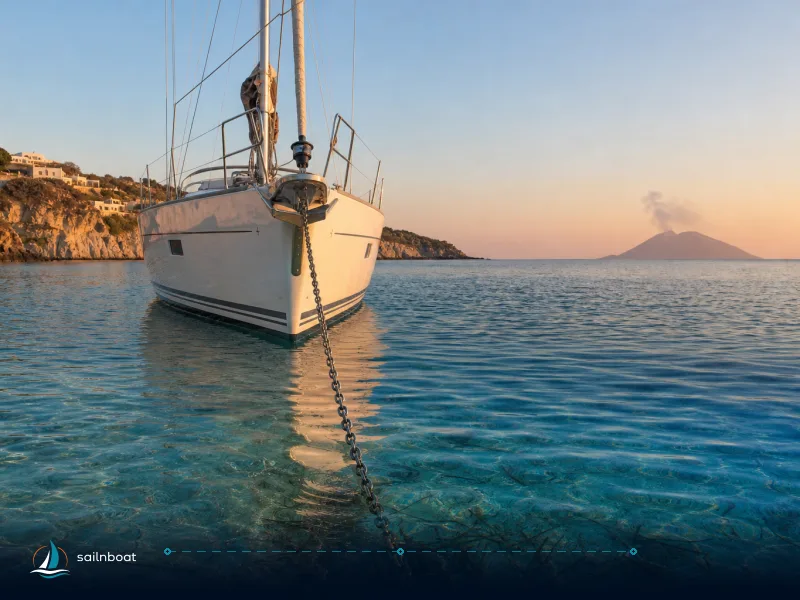
- Use park moorings where provided — they exist in Sainte Anne, Baie Ternay/Port Launay, Curieuse and several islets — and avoid anchoring on coral or seagrass.
Plan your day‑loop around sheltered bays first (Sainte Anne or Baie Ternay from Mahé; St Pierre or Curieuse from Praslin), then move to the outer islets if conditions allow. With simple discipline on fees, buoying and guest briefings, these 12 Seychelles snorkel spots will reliably deliver memorable marine encounters without unnecessary risk.
Plan your yacht charter to explore these top snorkeling spots.
Frequently Asked Questions
Twelve top sites: Anse Lazio (Praslin); Anse Source d'Argent (La Digue); St Pierre Islet (Praslin); Coco Island (Île aux Cocos, near La Digue); Curieuse Island (Praslin area); Anse Sévère (La Digue); Baie Ternay Marine Park (Mahé); Anse Soleil (Mahé); Anse Royale (Mahé); Sainte Anne Marine National Park (Mahé); Anse Takamaka (Mahé); Anse Forbans (Mahé).
Most are reachable by short dinghy runs; many marine parks provide numbered mooring buoys you must use instead of anchoring. Some beaches (Anse Source d'Argent, Anse Lazio) are shallow and better reached by dinghy/shore. Bring a tender and plan for busy day‑boat traffic at popular buoys.
Expect reef fish (parrotfish, surgeonfish, butterflyfish), hawksbill and green turtles, rays, occasional reef sharks, and healthy hard/soft coral assemblages around the granite islets; Curieuse also has nearby seagrass feeding grounds for turtles.
The clearest, calmest windows are the transition months (April–May and October–November). The southeast trade winds (May–September) and northwest winds (November–March) change which coasts are sheltered; pick protected bays accordingly.
Yes — SPGA marine parks charge non‑resident day entry (commonly SCR 200; Curieuse SCR 300) and overnight mooring is typically SCR 250 per vessel; some beaches collect a small estate/landing fee for shore access.
Brief guests on currents, use the buddy system, avoid touching coral, monitor tide and wind forecasts, deploy a dive flag, keep a tender standing by, and restrict entries near boat lanes.
Wind direction and strength determine which coast is sheltered and the visibility; transition months give best overall conditions while trade‑wind months favour sheltered bays on the lee side of each island.
Many sites allow direct snorkelling from the yacht when anchored or on a buoy (St Pierre, Curieuse, Sainte Anne, Baie Ternay); some (Anse Source d'Argent, Anse Lazio) are best accessed ashore for their shallow lagoon reefs.
Written by
Sailnboat Editorial
The Sailnboat editorial desk covers yacht and boat chartering worldwide — routes, bases, seasons, boat types, paperwork and the practical costs that decide a trip. We are a charter marketplace, not a boat owner or a local agency: what we sell is judgement and support, so our guides are written to help you make a decision, not to sell you a specific boat. Every guide is checked against live operator and marina data before it goes out.
Fact-checked against live operator and marina data, and published under our editorial standards. Last reviewed: .