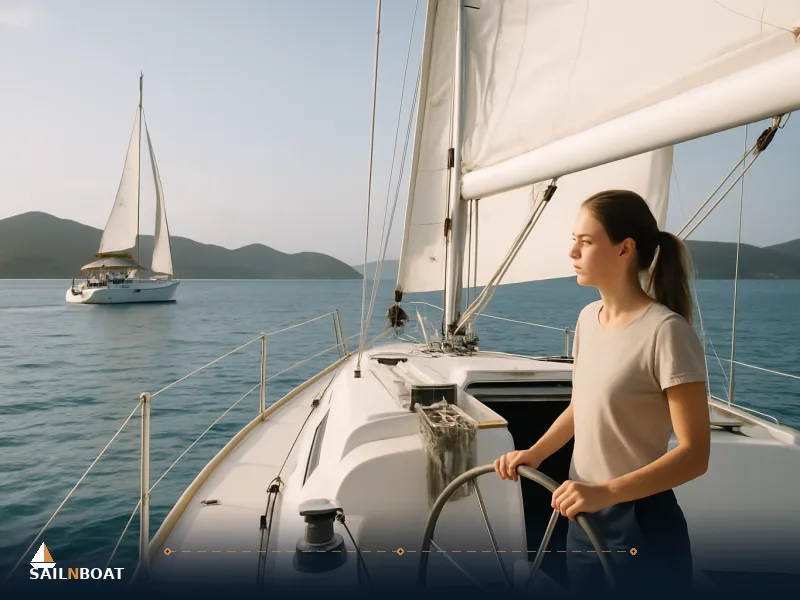
Sailing the Seychelles: A Complete Yacht Charter Guide
A practical, decision-ready guide to yacht charter in the Seychelles: when to go, which base to choose, route distances, wind patterns, marina and marine-park fees, and what licence operators expect.

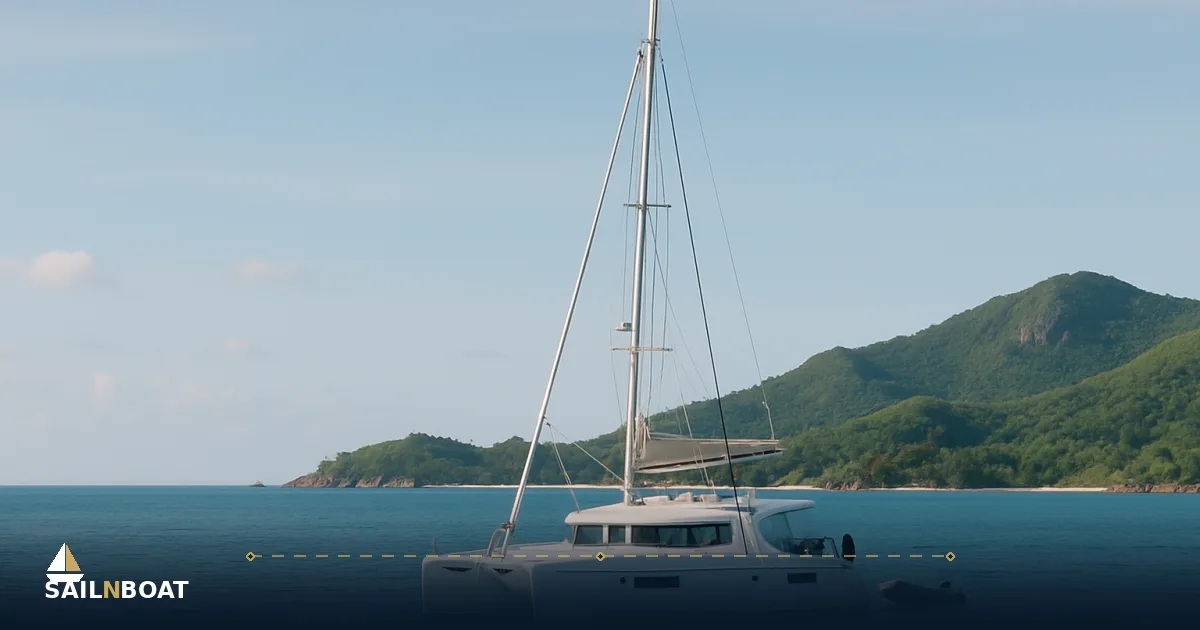
Plan a yacht charter in the Seychelles for calm anchorages and short day sails between Mahé, Praslin and La Digue — the classic one‑week loop is compact, practical and achievable for an experienced crew.
Optimal Sailing Seasons in the Seychelles
The practical decision: when to book
-
Best months (shoulder seasons). The two inter‑monsoon windows — broadly April–May and October–November — are widely regarded as the easiest for a yacht charter: seas are calmer, winds are moderate, diving/snorkel visibility is at its best and rainfall is lower than in the main wet months. Several recent charter guides and season summaries identify these windows as the top choice for a one‑week island loop.
-
Trade‑wind season (May–September). From late May through September the southeast trade winds establish. Typical mean winds during this season cluster in the low‑ to mid‑teens of knots onshore (commonly quoted averages ~10–18 kt at island weather stations), with regular stronger gusts and occasional days into the mid‑20s. The wind is steady, which makes for reliable passages but increases sea-state on exposed eastern coasts; the western leeward anchorages (and sheltered bays) remain calm. Expect regular sea chop and plan sheltered anchorages for evenings.
-
Northwest monsoon / wet season (December–March). From about November/December through March the wind regime shifts and becomes more variable and humid; rainfall increases and the northwest monsoon can bring unsettled weather — not ideal for a tight 7‑day schedule. This is also the cyclone season for parts of the southwest Indian Ocean (Seychelles islands are mostly outside the principal cyclone belt but weather can be less predictable).
What this means for you
- For a crewed or bareboat 7‑day loop where you want predictable day sails, aim for April–May or October–November. If you deliberately want stronger, consistent wind for downwind sailing or kitesurfing, May–September delivers that but expect choppier seas on exposed coasts.
Ideal Bases and Marinas for Yacht Charters
Primary base: Mahé Island and Eden Island Marina
-
Why Mahé? Mahé is home to Seychelles’ international airport (SEZ), full provisioning, customs/harbour control and the largest marina infrastructure — all practical reasons to start or finish there. Most charter operators run their Seychelles base from Eden Island on Mahé.
-
Eden Island Marina specifics. Eden Island is a purpose‑built marina complex linked to Mahé by bridge; it handles visiting yachts up to very large sizes, provides shore power, fuel and provisioning within a short transfer of the airport, and offers sheltered stern‑to berthing. The marina basin depths reported in berth guides show deep water in the basin (15–20 m) while the approach channel is shallower (roughly 5 m): take the marina’s pilot notes for your boat's draft. Berth availability is limited in peak periods and lead times can be several weeks for larger yachts.
Moorings, marine‑park fees and marina costs
-
Marine‑park overnight moorings. The Seychelles Parks & Gardens Authority (SPGA) publishes an overnight vessel mooring fee of SCR 250 per vessel per night for SPGA marine parks (this is the fee for staying inside a park between 17:00 and 08:00 as currently posted by SPGA). That fee is payable locally in the currency requested by the park custodians. In recent exchange‑rate terms SCR 250 converts to roughly €15 (rates vary). Plan to carry local cash for island landing or mooring payments.
-
Marina berth costs. Commercial marina berth rates at Eden Island and visitor marinas on Praslin vary with season, vessel length and services used; charter operator briefings often provide berth/visitor‑mooring guidance in the €45–75/night band for a provisioning berth, but actual rates vary significantly by vessel size, season, and services; confirm current rates with your operator. Expect higher charges for shore power, fresh water and pump‑out extras, and treat berth costs as variable by season and vessel size.
Practical base notes (what to expect at handover)
- Bases normally require skipper documentation (see the licensing section), a crew list and payment of any local tourism levies before departure; submit certificates in advance if your operator asks for them. Handover typically includes a boat systems walk‑through, chart briefing for the week and a run‑through of protected/no‑landing zones for parks. Many operators brief environmental rules and park fees as part of check‑in.
Recommended Cruising Routes and Distances
The decision: how farwill you push each day or keep short hops? For most teams the sensible answer is short hops — the islands are close, visiting beaches and reserves costs time on shore, and reef navigation rewards patience. Below is a practical 7‑day itinerary, realistic distances, and what each leg requires in hours and seamanship.
7‑Day Loop Itinerary
Overview and assumptions
- Typical total distance: plan for roughly 80 nautical miles for a compact Mahé → Praslin → La Digue → Mahé loop; allowances for detours to Curieuse, Félicité or Cousin will push that toward 100–120 nm. The exact mileage depends on where you anchor in Mahé (north vs south) and whether you transit inside or outside the outer islands.
- Typical cruising speeds: monohulls commonly average ~6–8 knots; catamarans commonly average ~7–10 knots under sail or power. Use your vessel’s cruising speed to estimate passage hours.
- Navigation: many passages are reefed; daylight transits and local pilotage notes make reef avoidance straightforward. Avoid night reef passages unless you have local guidance and excellent electronics.
Suggested day‑by‑day sample (compact, decision‑ready)
- Day 1 — Mahé (Eden Island) to Sainte Anne Marine Park / Anse Royale: short repositioning leg to test systems, 6–12 nm depending on your berth; 1–2 hours at 6–8 kt. Anchor on a park buoy or neighbour a visitor mooring; clear park rules and pay park fees if staying overnight. Use this day to provision and finalise briefings.
- Day 2 — Sainte Anne to Praslin: longer passage, commonly the longest day; Mahé to Praslin is typically in the 35–40 nm band depending on departure point — at 7–8 kt expect 5–6 hours; plan a midday departure for calmer conditions. Approach Praslin’s Baie Sainte Anne and use visitor moorings or head to a marina berth if available.
- Day 3 — Praslin: rest day ashore, visit Vallée de Mai (if you plan to land), or move a short hop to Anse Lazio for swimming and sheltered anchoring; short repositioning 5–10 nm max.
- Day 4 — Praslin to La Digue: short coastal hop — commonly 7–10 nm — 1–2 hours. La Digue has limited marina infrastructure; expect to raft against other charter vessels or use approved buoys. Plan for dinghy access or short walks — La Digue operates more by bicycle and foot than by car.
- Day 5 — La Digue to Curieuse / Cousin (optional): very short hops between islands in the 2–8 nm range; useful for turtle parks and nature reserves. Curieuse requires staying on designated moorings — the park fees and limited mooring supply mean you should aim to arrive early.
- Day 6 — Island‑hopping (Félicité / Cousin) or back to Praslin for provisioning: plan multiple short sails, each under 10 nm, and allow time ashore for sights and dive/snorkel. Many crews choose to return to Praslin to top up supplies and use a marina shower/wash facilities.
- Day 7 — Return to Mahé: La Digue/Praslin back to Mahé is another longer transit similar to Day 2 — plan for 5–6 hours at cruising speed, and arrive with time to return the boat in daylight and complete the check‑out process.
How the math adds up
- Example mileage (typical): Mahé→Praslin 36 nm + Praslin→La Digue 8 nm + La Digue→Mahé 36 nm = 80 nm. Add short hops and detours (Curieuse, Félicité) and the total commonly reaches 95–120 nm for a more exploratory week. Use the vessel's cruising speed to convert distance to passage hours when planning watches and provisioning.
Trade-offs and choices
- Shorter legs = more time ashore and easier reef navigation, but more anchoring/marshalling and potential mooring fees. Longer single passages reduce time spent moving but increase weather dependency and fatigue.
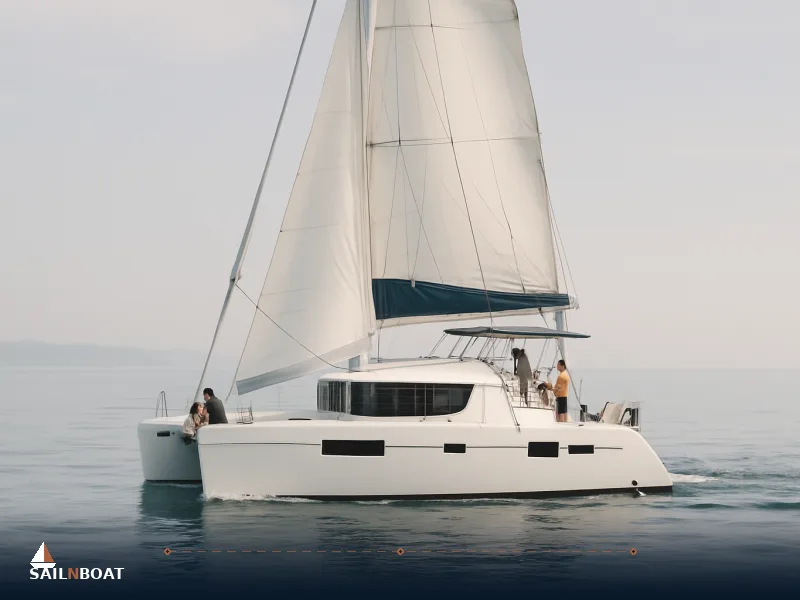
- Catamarans give quicker passage times and shallower drafts for some anchorages; monohulls often point higher to windward and can handle chop differently — choose the platform that matches your crew’s comfort and the itinerary you want.
Anchoring, moorings and marina strategy
- Marine‑park buoys are available at many popular anchorages (Sainte Anne, Curieuse, Anse Lazio has anchoring but not park buoys) and can be limited in number; arrive early in high season. Expect to pay park mooring fees as noted earlier and carry small local currency.
- Marinas and visitor berths on Praslin and Mahé take limited numbers of visiting yachts; if you require a berth for water or shore power, reserve in advance through your operator. Overnight visitor contacts at Eden Island handle larger yachts and may charge berthing fees in a tiered structure by LOA.
Provisioning and fuel
- Provisioning options are best on Mahé and Praslin; La Digue has limited shops. Fuel is available at some marinas but not every island — plan your fuel legs so you can refuel on Mahé or specific service stations indicated by your operator. Operators typically show fueling points on their handover brief.
Wind Patterns and Weather Conditions
What the trades do to your plan
- Southeast trades (May–September). These winds establish a predictable pattern and are the backbone of Seychellois sailing: many operators and experienced skippers report sustained periods of steady wind during these months. Typical conditions give consistent sailing days, but they also produce a longer fetch on exposed eastern shores; anchor in leeward western bays for calm evenings. While average day‑to‑day speeds are often in the low‑to‑mid tens of knots, stronger gusts into the higher teens or low‑20s can occur on exposed passages.
- Northwest monsoon / inter‑monsoon variability (December–March). Winds are lighter overall but more changeable, with increased cloud, showers and occasional squalls. The reduced wind strength can make sails less effective and encourage more motoring; water visibility for diving can also change with runoff following heavy rain.
- Shoulder months (April–May and October–November). Wind strength moderates and patterns are less extreme; these windows are widely selected for balanced sailing, calm anchorages and good underwater visibility.
Sea state, swell and current considerations
- Swell exposure differs by island side. Eastern and windward coasts are prone to swell and choppier seas during the trades; western leeward anchorages are calmer. Plan your overnight anchorage on the leeward side of the island string when the trades are established.
- Tides in the inner island group typically have a modest range compared with continental coasts; this reduces but does not eliminate tidal complications when entering shallow channels or reef passes. Local pilot notes and charts will show exact depths at passage channels — follow them and make daylight transits where possible.
- Visibility for diving and snorkelling tends to be best during the shoulder months and can reduce during the height of the trade season due to plankton blooms; many operators report underwater visibility dipping to around 10–15 m during plankton peaks.
Weather windows and passage planning
- Book your flights and charters with a weather window in mind: if your schedule is inflexible, favour the shoulder months where possible. For longer transits or when weather systems are active, allow one or two reserve days in your plan — the islands are compact, and a cancelled sail day ashore is an acceptable insurance policy.
- Always brief your crew on squall procedures, reef navigation, and man‑overboard drills; seas can build quickly in the trades and sheltered coves are best for evenings.
Licensing Requirements for Yacht Charters
What most charter companies expect
- Standard requirement. Many charter operators in the Seychelles require a recognised skippering qualification: RYA Day Skipper, ICC, IYT/IPC or a national equivalent are commonly accepted. Operators will look for evidence of competence and seamanship as part of the booking and handover process.
- Logged experience. It is common for companies to ask for evidence of logged miles and recent experience; a frequently cited threshold for independent charters is around 500 logged nautical miles plus experience on similar yachts, but requirements vary by operator and should be confirmed directly with your chosen charter company.
Radio and safety certificates
- VHF competence. Many operators require a recognised VHF qualification (SRC or equivalent) or confirm that you have practical VHF experience; this is widely requested, especially where operators expect you to use channel procedures and make calls into harbour control.
- Safety and insurance. Missing expected qualifications does not automatically make a booking illegal, but it can affect insurance and how liability is apportioned after an incident; charter companies will state their requirements in the charter agreement. If you lack the requested certificates, the typical solution is to take a skipper through the operator or book a crewed charter.
Handover checks and operator protocols
- What operators check at handover: identity documents, skipper license and VHF certificate, proof of sailing experience (logbook or sea time statement), crew list, and payment of local fees and deposits. Expect a boat inventory, systems briefing and a chart/passage plan session that details protected zones and park rules.
- Deposits and APA: for crewed charters operators often request an Advance Provisioning Allowance (APA) — many companies use a typical APA range of about 20–30% of the charter fee to cover provisions, fuel and on‑board expenses; exact practice varies. For bareboat charters you will generally pay a security deposit or hold on a card and be charged for damages beyond fair wear.
If you don’t meet the minimums
- Hire a skipper. If you lack the requested certification or hours, the practical and common choice is to hire a local skipper. This resolves operator concerns, gives local knowledge on reefs and anchorages, and removes insurance ambiguity. Skippers are often available for half‑day to full‑charter bookings and rates vary with season and vessel size.
Practical checklist before you leave
- Documentation: passport for all crew, skipper certification and VHF certificate in your name, crew list, proof of insurance and emergency contacts.
- Money: local currency for small fees and park charges; credit cards for marina berths where accepted.
- Provisioning: top up on Mahé or Praslin for a week; La Digue has limited grocery options.
- Fuel planning: identify service stations on Mahé/Praslin; don’t assume every island sells diesel.
- Electronics: up‑to‑date charts, AIS, working handheld VHF, and a charged GPS. Paper back‑ups are sensible for reef passages.
- Safety: lifejackets for everyone, adequate spare fuel, and a first‑aid kit suited to tropical injuries and stings.
- Environmental rules: respect marine‑park restrictions — many islands restrict anchoring and require mooring buoys for overnight stays.
Plan your yacht charter in the Seychelles today.
Frequently Asked Questions
The two shoulder windows — April–May and October–November — give the calmest seas, best underwater visibility and the easiest sailing for a 7‑day island loop.
Mahé is the main base: Eden Island Marina (Mahé) is the primary charter hub; smaller visitor berths and moorings exist on Praslin and La Digue.
A standard Mahé → Praslin → La Digue → return loop will usually total between about 80 and 120 nautical miles, depending on side trips to islands such as Curieuse, Cousin or Félicité.
From about May to September the steady southeast trades bring the best consistent sailing (typical averages around 10–20 knots with gusts higher), making leeward western anchorages calm while exposing some eastern coasts.
Charter companies generally require a recognised skipper certificate (RYA Day Skipper, ICC, IYT/IPC or national equivalent) and evidence of experience; larger yachts or longer passages may demand higher qualifications or several hundred logged miles.
Written by
Sailnboat Editorial
The Sailnboat editorial desk covers yacht and boat chartering worldwide — routes, bases, seasons, boat types, paperwork and the practical costs that decide a trip. We are a charter marketplace, not a boat owner or a local agency: what we sell is judgement and support, so our guides are written to help you make a decision, not to sell you a specific boat. Every guide is checked against live operator and marina data before it goes out.
Fact-checked against live operator and marina data, and published under our editorial standards. Last reviewed: .