Yacht Sewage Rules: Essential Guide for Charterers
A practical, region-aware guide explaining yacht sewage rules, how to manage holding tanks and MSDs, find pump‑out facilities, avoid fines and brief your crew.

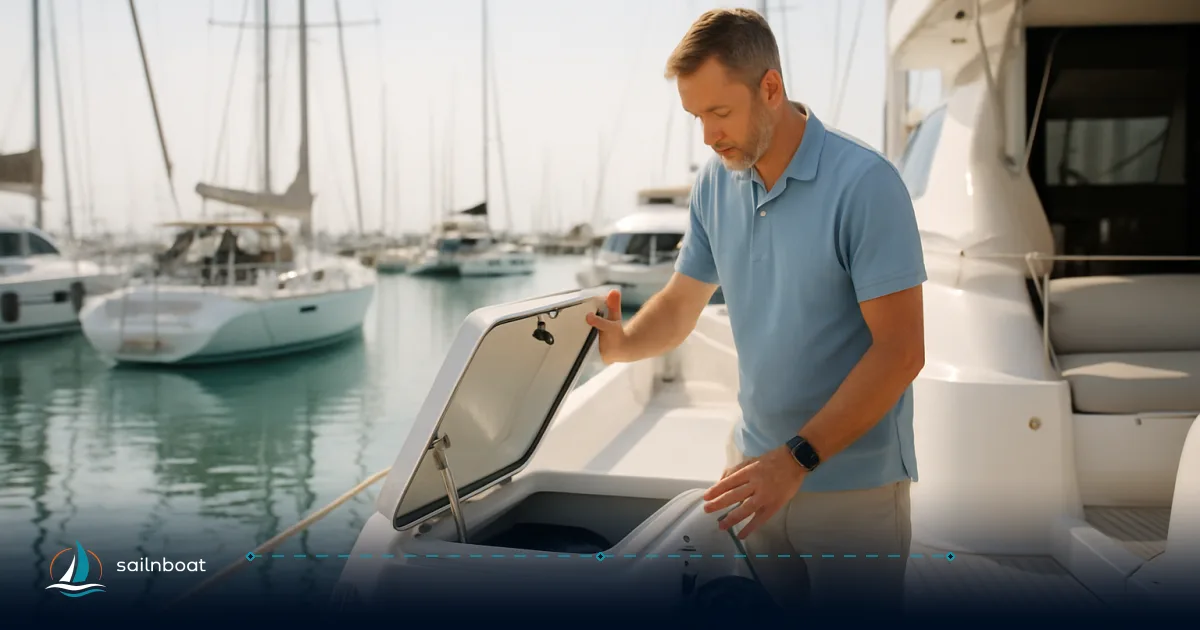
Yacht sewage rules define where you may discharge blackwater and greywater, what equipment the vessel must carry, and how to secure discharges in protected waters — getting them right keeps your charter on schedule and out of trouble. Follow MARPOL and national rules by using holding tanks or approved MSDs, locking valves in No‑Discharge Zones, and planning pump‑outs into your itinerary.
Overview of Sewage Discharge Regulations
Sewage regulation is layered: international standards (MARPOL Annex IV) set the baseline, national authorities adopt and extend those rules, and many states or local authorities declare No‑Discharge Zones (NDZs) that ban any treated or untreated sewage discharge. MARPOL Annex IV restricts sewage discharge relative to nearest land and requires ships to meet equipment/record‑keeping standards; its amendments since 2011 affect how coastal states and ports apply rules.
In the United States the Clean Water Act and EPA administer NDZs; the EPA maintains a list and map of state‑designated NDZs and the administrative process for approving new ones. Where NDZs are in force, discharges (treated or untreated) are prohibited and you must retain sewage onboard until a pump‑out is possible.
The U.S. Coast Guard enforces MSD (marine sanitation device) requirements for any vessel with installed toilets; many national administrations have comparable enforcement practices. Expect boarding inspections for MSD certification, valve position and visible securing in NDZs.
Quick regional comparison
| Region | Legal framework | NDZs & special areas | Pump‑out coverage (typical) |
|---|---|---|---|
| Mediterranean | MARPOL Annex IV + national rules; some ports add local bans | No single NDZ map; Baltic Sea and other special areas have phased requirements under IMO | Many marinas provide pump‑out; availability varies by island/harbour. |
| Caribbean | National laws vary; MARPOL applies to commercial ships | NDZs fewer and uneven; local rules differ by territory | Pump‑outs are patchy outside major islands—call ahead or plan for holding. |
| United States & Canada | Clean Water Act + EPA NDZs; USCG enforces MSDs | Numerous NDZs (state petitions via CWA §312) and some large systems (Great Lakes) are NDZs | Good pump‑out network in many states; some programs provide free pump‑outs (Clean Vessel Act). |
| Northern Europe / Baltic | EU / MARPOL rules; Baltic Sea special area implementation | Baltic Sea and other special areas have tightened rules under IMO resolutions | High pump‑out coverage at marinas and ports in developed areas. |
(Use local port notices and official NDZ maps for the exact limits on your charter route; don’t assume uniform rules across a single sea area.)
Holding Tank Capacities and Maintenance
A Type III MSD (holding tank) stores blackwater for shore disposal. Production yachts and charter boats show a wide range of tank sizes: small coastal boats often carry dozens of litres per tank, typical 40–150 L blackwater tanks are common on 40–50 ft yachts, while larger yachts routinely have tanks in the several‑hundred to thousands‑of‑litres range. Use the tank capacity printed on the boat’s spec sheet and plan your itinerary around it.
How to choose size and plan usage
- A commonly cited planning figure is 10–25 litres of blackwater per person per day, depending on flushing system and guest habits; some guides and operators use ~21 L/person/day for longer transits, but actual figures may vary and should be confirmed with your charter operator or yard. Larger boats carrying many guests should plan accordingly.
- If you charter a boat, ask the base for the actual blackwater and greywater tank volumes, and whether the galley/shower drains are routed to greywater tanks (many yachts send greywater directly overboard unless local rules require retention).
Routine tank maintenance (practical checklist)
- Inspect vent lines for blockages and keep the vent filter clear; a blocked vent causes slow pump‑outs and odour.
- Carry spare macerator spare parts and a pump‑out hose adaptor; in a charter the base should supply working equipment but bring basic spares on longer trips.
- Use enzyme or aerobic products sparingly if used at all — read product guidance and the MSD manufacturer's advice; overuse or incompatible chemicals can damage systems and produce smells.
- Avoid overfilling: plan pump‑outs before the tank is full. Overfilled tanks increase the risk of blockages during pump‑out and can foul deck equipment.
Pump-Out Facilities: Locations and Availability
Finding pump‑outs
- Apps and directories: Pumpout Nav (mobile) and state or national pump‑out maps (Clean Vessel Act maps in the U.S.) are the quickest way to locate pump‑out stations, mobile pump‑out boats and dump stations. BoatUS and many state boating programmes maintain searchable lists. Always call ahead.
- Local marina offices are reliable: many marinas publish service lists indicating whether blackwater and greywater pump‑outs are available and whether service is by appointment. High‑season opening hours vary.
Typical fees and service types
- Fees vary by country and marina: in parts of the Mediterranean, a single pump‑out service may be around €15–30, though fees vary and should be confirmed with local marinas; some marinas and regional Clean Vessel Act programmes in the U.S. offer free pump‑outs to recreational boaters. Expect mobile pump‑out boats to charge extra. Remember fees and opening hours can change by season and operator.
Operational tips when using a pump‑out
- Have the deck pump‑out fitting and vent accessible; remove any covers and present clear access to staff.
- Secure the vessel while the pump‑out is underway — most stations require a crew member on deck.
- Supervise the pump‑out to stop the pump immediately in a clog or backflow event; know where the tank‑vent and pump emergency shutoffs are.
- Keep a log of pump‑outs on the vessel’s paperwork (date, location, operator) — useful if a dispute or inspection arises.
Compliance and Avoiding Fines
What inspectors look for
- An operable MSD with the correct certification/label (Type I/II labels or documentation for treatment units; Type III holding tanks must be present if toilets installed).
- A visible, tamper‑evident securing method on any Y‑valve or overboard discharge when in an NDZ.
- Evidence of pump‑out capability on board (deck fitting) and records of where/when pump‑outs occurred are helpful in an inspection.
Potential fines and consequences
- Penalties vary hugely by jurisdiction. At the local level many authorities issue administrative fines from a few hundred euros upward; EU member states set administrative/criminal penalties that can reach tens of thousands in serious matters. The European Commission documentation shows a wide spread in how member states handle ship‑source pollution and penalties.
- In the U.S. civil penalties under the Clean Water Act can reach tens of thousands of dollars per violation day, while criminal prosecution under APPS (implementation of MARPOL) has produced multi‑million dollar fines in high‑profile ship pollution cases; consequences can include fines, vessel detention and criminal records for willful violations. For the charterer this can also mean charter contract penalties, loss of deposit and being refused future charters.
How to stay compliant (simple rules)
- Treat every harbour or anchorage on your route as potentially restrictive; plan pump‑outs rather than gambling on open‑sea discharge.
- If the MSD has a Y‑valve or overboard option, secure it visibly in the holding‑tank position when inshore or in NDZs (use a non‑releasable wire tie, padlock or remove the handle). Law enforcement expects a tamper‑evident method.
- Keep proof of pump‑outs and the vessel’s MSD paperwork on board and show them if asked.
Best Practices for Crew Briefings
A focussed, short briefing prevents most sewage incidents. Cover these points at the start of every charter and after any crew change:
- MSD basics: which toilets route to which tanks, how to operate the Y‑valve, where the deck pump‑out fitting and vent are. Demonstrate the physical actions.
- Securing procedure: show how you secure the Y‑valve (zip‑tie, padlock or handle removal) and keep spare ties in the head. Explain that the tie must be visibly broken to change the valve.
- Use and limits: request economy in flushing and greywater use in crowded anchorages; show where onshore toilets are available in ports.
- Odour, leak and emergency protocol: who to notify, where to find spares and what to do if a pump or seacock fails.
- Record keeping: log pump‑outs and any maintenance action in the vessel book.
Example crew briefing checklist (one page)
- Location of MSD label/documentation
- Demonstrate head and Y‑valve operation
- Show and fit two non‑releasable zip ties; store extras
- Name pump‑out stations for first 48 hours and their phone numbers
- Explain emergency shut‑offs and who calls the base
Planning Your Itinerary Around Pump-Out Facilities
Make pump‑outs part of the route plan — not an afterthought. Use this practical approach:
- Before you fly: request actual tank volumes, a map of the nearest pump‑outs, and any marina fees from your charter base. If the boat’s tanks are small and your route includes long island hops or protected marine parks, insist the base confirms pump‑out availability.
- Map your pump‑out windows: plan to reach a mainland marina or large harbour every 2–4 days depending on tank size and guest count; for busy charters with many guests aim for more frequent pump‑outs. (Estimate tank endurance using the boat’s stated tank volume and expected litres/person/day.)
- Have fallbacks: identify two alternative pump‑outs near each overnight stop and note mobile pump‑out boat contacts where available.
- Communicate with marinas: call 24–48 hours before arrival in high season to book a pump‑out slot; some busy marinas require appointments.
Sample route planning table (how to think about pump‑outs)
| Day/Leg | Distance (nm) | Expected guests | Tank remaining estimate | Pump‑out planned at |
|---|---|---|---|---|
| 1 — Base → Island A | 20 nm | 6 | 75% after day | Island A marina (booked) |
| 2 — Island A → Protected bay | 15 nm | 6 | 50% after day | Overnight — no pump, next at Port B |
| 3 — Protected bay → Port B | 35 nm | 6 | 20% after day | Port B marina — pump‑out booked |
(Use the boat’s actual tank numbers to compute the “Tank remaining estimate” — the table shows how to fold pump‑outs into navigation planning.)
Final practical notes
- If you’re chartering commercially (non‑captained), confirm the charter contract assigns responsibility for compliance and ask whether the operator includes pump‑out fees or APA items for waste removal; some companies deduct fines or damage claims from security deposits.
- Err on the conservative side: where rules are unclear, holding the waste for pump‑out ashore is the safest legal and reputational choice.
Plan your charter with confidence by making sewage management a routine: confirm tank sizes at booking, map pump‑outs before you leave, secure MSDs visibly in NDZs, and brief the crew. Those three steps — know your capacity, know your pump‑outs, and secure your discharge — prevent most operational problems and keep fines off the bill.
Frequently Asked Questions
Internationally MARPOL Annex IV sets baseline rules; many regions add local NDZs or stricter rules—check IMO/MARPOL and the local port or EPA/authority guidance for the charter area.
Base it on crew size, intended days between pump‑outs and water usage; many production yachts carry ~80–300 L blackwater tanks, while larger yachts hold several hundred to thousands of litres.
Use pump‑out locator apps and state or marina directories (Pumpout Nav, BoatUS, state Clean Vessel Act maps); call the marina ahead to confirm hours and service.
Lock or visibly secure the Y‑valve or overboard discharge in the holding‑tank position using a non‑releasable wire tie, padlock, or by removing the valve handle; inspectors expect a visible tamper‑evident method.
Fines vary by jurisdiction: local administrative fines are commonly hundreds to thousands of euros, while national enforcement (e.g. under the US Clean Water Act or APPS) can bring much larger civil or criminal penalties.
Explain MSD operation and limits, where to secure valves, pump‑out procedure and locations, no‑discharge areas on the route, and how to report and respond to any leak or smell promptly.
Written by
Sailnboat Editorial
The Sailnboat editorial desk covers yacht and boat chartering worldwide — routes, bases, seasons, boat types, paperwork and the practical costs that decide a trip. We are a charter marketplace, not a boat owner or a local agency: what we sell is judgement and support, so our guides are written to help you make a decision, not to sell you a specific boat. Every guide is checked against live operator and marina data before it goes out.
Fact-checked against live operator and marina data, and published under our editorial standards. Last reviewed: .