A Week Around Guana Island: Sailing the BVI's Hidden Gems
A practical, day-by-day bareboat account of sailing around Guana Island: where to anchor at White Bay, how to provision in Road Town, the best snorkels at Monkey Point and how we handled one rainy, squally night.

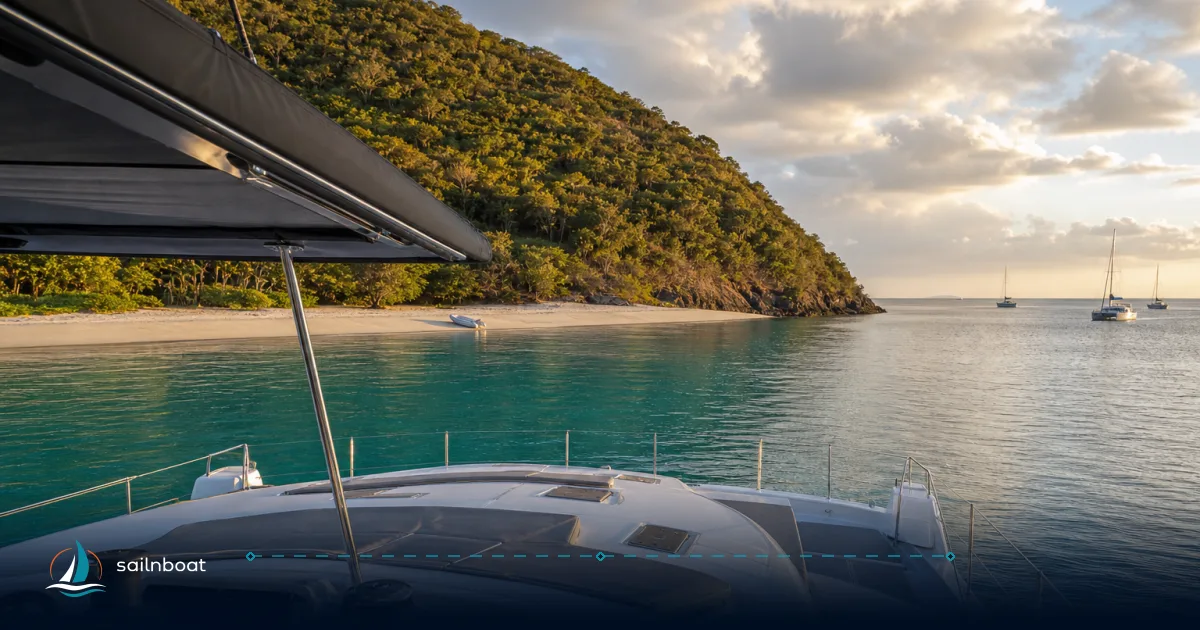
On a seven-day guana island bvi sailing trip you can anchor at White Bay, snorkel Monkey Point, provision in Road Town and sail short, sheltered hops while expecting at least one easterly squall in November.
Your 7-Day Itinerary Around Guana Island
This is a practical, single-handrail week for a bareboat (13–16 m typical charter) leaving from Road Town and looping Guana Island and the immediate neighbours. Legs are short: most hops are under 10 nm and deliberate — arrive early to secure moorings/anchorages that fill fast.
Day 1: Arrival and Provisioning in Road Town
Plan to arrive to your charter base with a shopping list. Major supermarkets and provisioning services in Road Town that handle full-boat deliveries include RiteWay, Bobby’s Marketplace and OneMart; they stock fresh produce, frozen meats, ice and basic boat staples and will deliver to most marinas. Order perishables for delivery the afternoon before you cast off to avoid same‑day shortages. For bakery/fresh fish check opening hours on arrival — smaller vendors can close earlier than supermarkets.
Practical checklist before you leave:
- Confirm your final shopping/delivery window and specify your berth or travel-to-dock drop.
- Buy extra bottled water and ice if your boat’s water tank is low — marina ice shops restock quickly but evenings are slower.
- Collect spare fuel or confirm nearest fuel dock (your base will advise).
Day 2: Setting Sail to White Bay
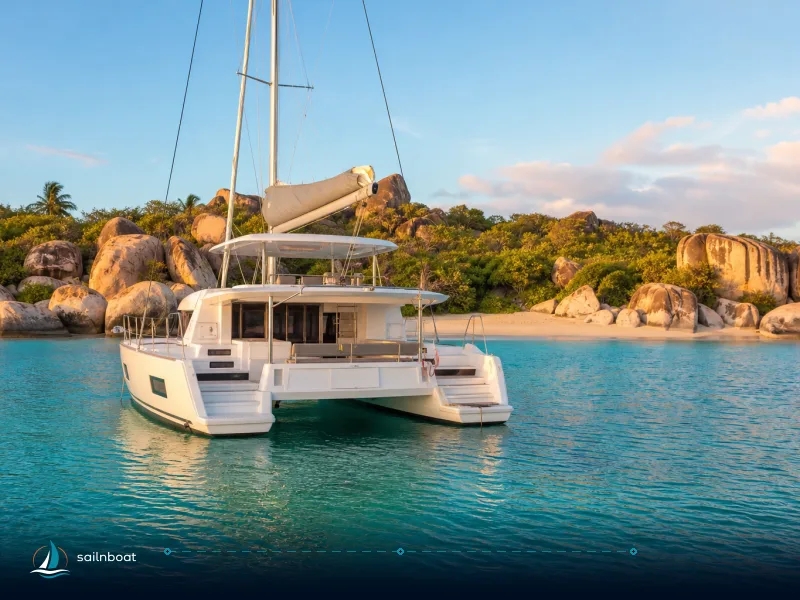
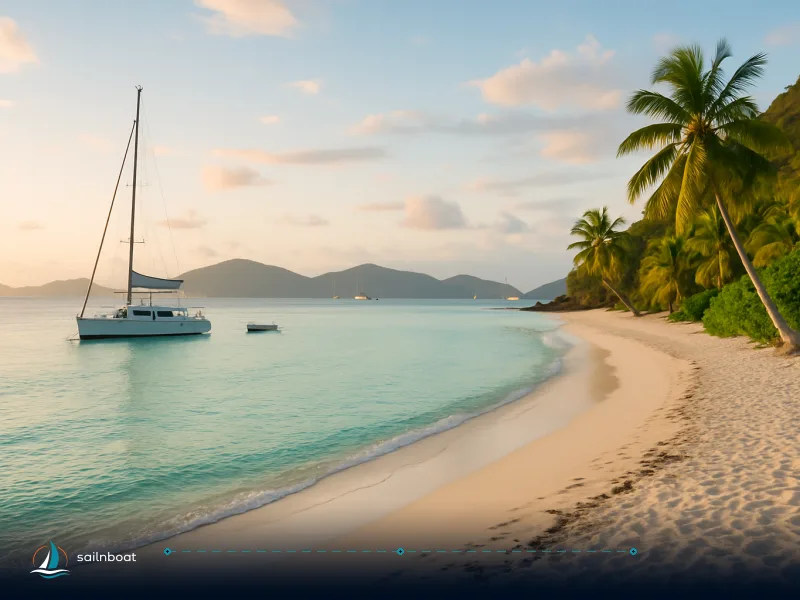
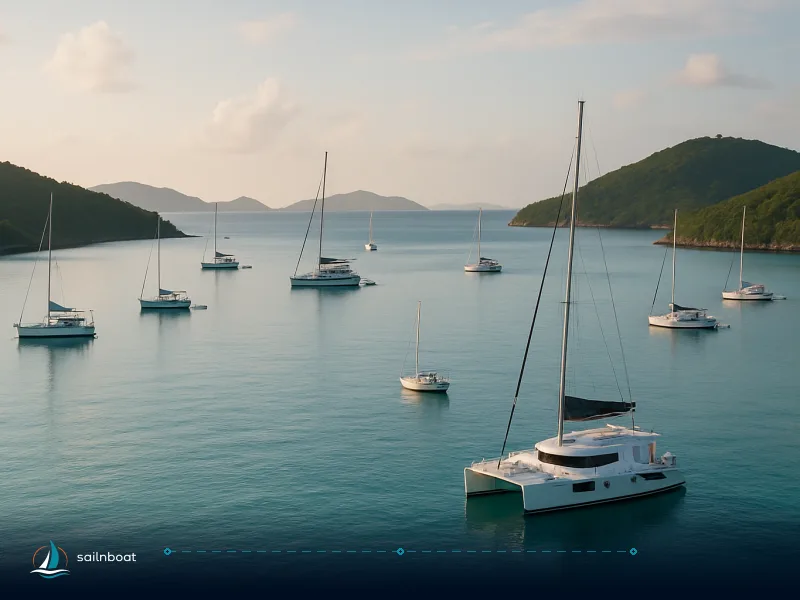
Depart early (first light) for White Bay on Guana — an easy sail of under an hour from most Road Town berths, depending on your base. Arrive with 60–90 minutes of daylight to spare so you can choose a ball or anchor with space to swing. White Bay operates principally on a first-come, first-served basis; there are a limited number of mooring balls (and some NP buoys nearby), and many operators still report anchoring is allowed behind the reef. Guana Island itself is private — shore access is for registered guests only. Plan to anchor or take a public (red NP) buoy rather than using private docks.
On arrival:
- Check the depth as you enter and stay outside reef-cut zones; aim for sand patches if anchoring.
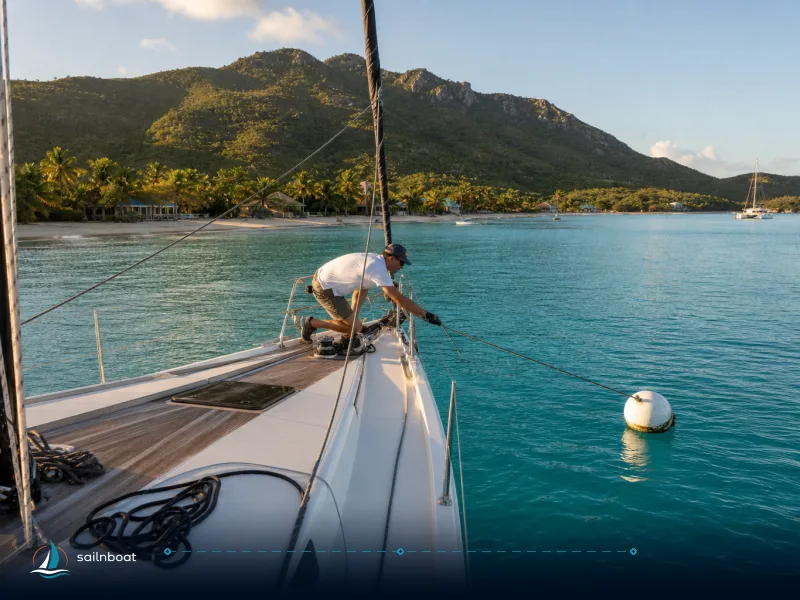
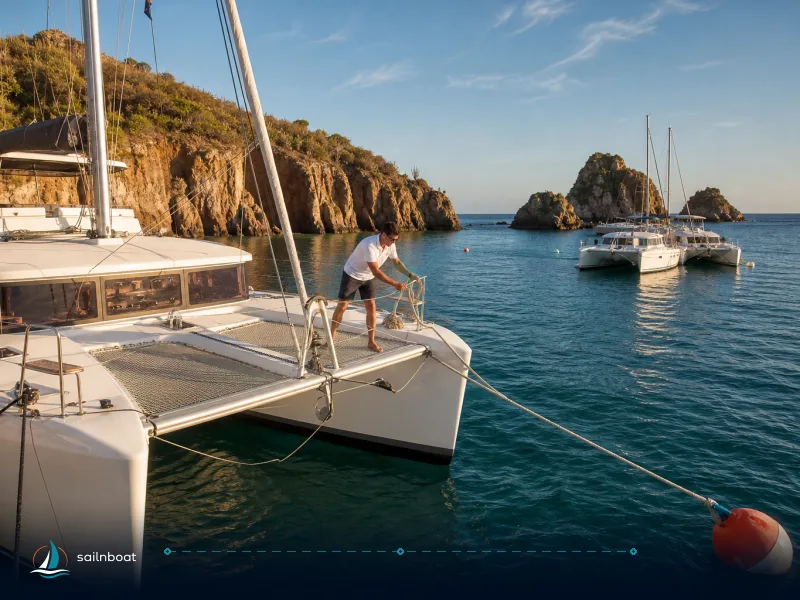
- If using a mooring buoy, approach slowly into the wind and follow the buoy-handling steps your crew practised at check-out.
- When anchoring, allow extra scope overnight — see Anchoring section below for technique.
Spend the afternoon swimming off the stern, walking the beach (public areas only) and watching the sunset over St. Thomas on good evenings. If you’re a guest at the resort, there are additional dining options; otherwise, plan a simple cockpit dinner aboard.
Days 3–4: Snorkeling at Monkey Point
Monkey Point sits at the southern tip of Guana and is a short hop from White Bay (about 0.7 nm). It’s the best single snorkel near the island: clear water over rocky reef, regular sightings of reef fish and turtles, and depths dropping to roughly 30 ft in places — good for both shallow and slightly deeper snorkels. Be vigilant for fire coral on the rockier sections and use reef‑safe sunscreen.
How we ran snorkel ops:
- Tie stern-to on a day‑use NP buoy where available, or anchor in 8–12 m (check your depth sounder). Use a short, secure bow anchor scope and stern lines if swing is constrained.
- Dive times: mornings usually have the best visibility; avoid peak sun glare mid-afternoon.
- Safety: one snorkeler in water at a time with a dedicated tender on the swim ladder; log everyone’s in/out times.
Days 5–6: Exploring Nearby Coves
Use Guana as a base to hop to Scrub Island, Marina Cay and the small coves on Tortola’s eastern side. These are short hops; keep daylight arrivals a priority because many small bays have limited swinging room and moorings. When a bay reports National Park buoys, prefer them for reef protection; anchor only in sandy patches away from seagrass and coral heads. Mooring turnover is common — if you arrive mid‑day there is often a turnover of boats heading to the next snorkel spot.
Activities to plan:
- Short hikes on Scrub/Marina Cay.
- Sunset cocktails on the lee side when swell is minimal.
- A dinghy evening run for a simple meal ashore where permitted.
Day 7: Return and Reflection
Return to Road Town with time to fill fuel and top up water if needed. Leave the boat as you found it: tanks topped, garbage bagged and waste disposed per base instructions. Final debrief: note any gear issues, log fuel used and confirm marina departure procedures with your operator before handing keys back.
Anchoring at White Bay: What You Need to Know
Mooring Options and Fees
White Bay (Guana Island) is typically first‑come, first‑served with no paid public mooring system — though there are a small number of mooring balls and National Park buoys in nearby snorkel areas. Overnight stays using the public/NP system are common, but do not assume a guaranteed ball. The island is private and there is no public marina or dock for non‑guests. If you plan to go ashore, understand that private‑island access rules may restrict you to certain beach areas.
Best Practices for Anchoring
- Arrival timing: show up early (late morning to early afternoon) to claim a ball or pick the best anchor spot.
- Depths: inside White Bay the water near the sand can vary — approach slowly and use your echo sounder; Monkey Point has deeper water (roughly 30 ft in snorkel areas).
- Scope: use a longer scope overnight — typically 5:1–7:1 depending on conditions — and add a snubber/bridle if you are on chain to reduce shock loading.
- Swing room: anchor well clear of mooring buoys and coral heads; check for other boats’ swing arcs before committing.
- Environment: avoid anchoring on seagrass or coral; use moorings where they exist to protect the bottom.
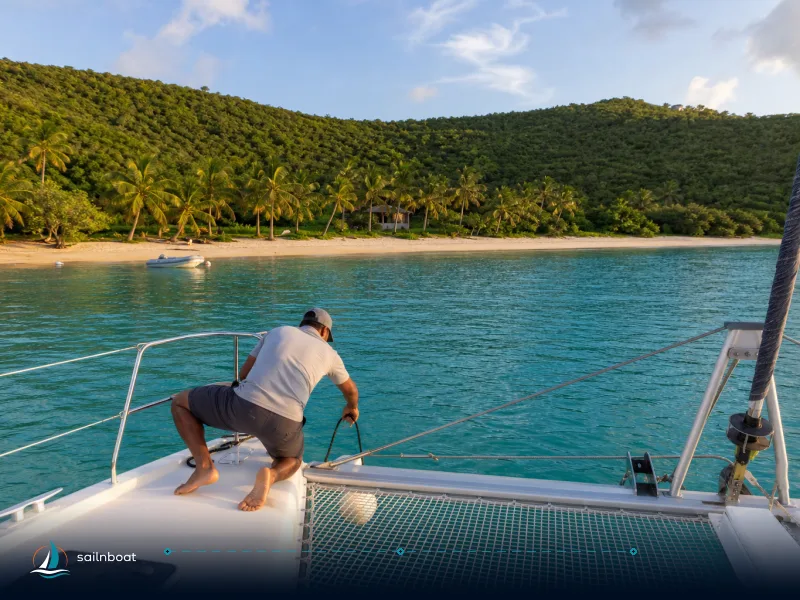
Practical rigging tip: carry a stern anchor or use stern lines when the bay is crowded or when passing swell makes your stern lift and swing. Lash dinghy to davits or tie it down — beaching dinghies on a private resort beach is often restricted.
Provisioning in Road Town: Tips and Resources
Local Markets and Availability
Road Town has a handful of dependable provisioning outlets: RiteWay (largest chain), Bobby’s Marketplace and OneMart all offer online ordering and deliveries to marinas. For specialty items or gourmet frozen meals many charterers use boutique provisioning services recommended by their base. Fresh produce is available but quality and selection can fluctuate seasonally — order sooner rather than later for specific items.
When to buy:
- Fresh fish/bakery: buy the same morning you leave if possible.
- Frozen goods, bulk beverages and dry stores: buy the day before and store in the boat’s fridge/freezer.
- Alcohol: duty‑free at arrival can be cheaper, but local liquor stores and supermarkets are perfectly serviceable.
Provisioning Services
Most provisioning services will deliver directly to your berth and will accept orders 24–48 hours ahead. Use the base’s recommended providers — they know marina logistics and delivery windows. If you have strict dietary needs, place orders at least two days in advance and include brand names.
Weather Patterns Around Guana Island
November Weather Overview
November sits in the wet/transition part of the year in the BVI: the northeast trade winds generally prevail but rainfall and short-lived squalls are more likely than in the dry season. Expect easterly to east‑northeast trades most days with speeds varying; November can still bring brief heavy downpours as tropical activity tapers off late in the month. Monitor the hurricane season calendar — it runs through November — and check up‑to‑date forecasts before departure.
Handling Unexpected Squalls
Squalls in the BVI are usually fast‑moving convective lines: heavy rain, wind gusts and reduced visibility for a few hours. Practical preparation:
- Reef early — reduce sail before conditions appear marginal.
- Use reliable short‑range weather (GRIBs, official metocean services and local VHF forecasts) and keep a handheld VHF to receive marine warnings.
- Secure loose deck items, lower solar panels/awnings if they can catch gusts, secure the dinghy and check lines.
- If at anchor: add scope, set a snubber, consider a stern anchor or moving to a more sheltered mooring if forecast worsens.
When we had one rainy night, the squall arrived after dark; we reefed immediately, tightened chain snubbers, launched stern lines and rode it out on a mooring buoy — the squall passed in less than two hours but the precautionary lashings and readiness to slip an extra line were what kept sleep possible.
Top Snorkeling Spots Around Guana Island
Monkey Point
Monkey Point is the premier snorkel — clear water, mixed reef and rocky walls, with depths down to about 30 ft and regular turtle sightings in the seagrass inshore. Use day‑use NP buoys when available and stay off fragile coral; watch for fire coral on the rock faces. Approach from the north or west to avoid reef cuts and check local depth readings. Snorkel in small groups and mark your exit point to avoid drifting.
Other Notable Spots
- Western stretches of White Bay: shallow sand and reef edges good for relaxed swims and spotting rays/turtles.
- Nearby small reefs towards Marina Cay and Scrub Island: quick boat rides and often less crowded.
Comparison table — quick reference
| Site | Typical depth range | What to expect | Best time |
|---|---|---|---|
| Monkey Point (Guana) | ~8–30 ft | Rocky reef walls, varied fish, turtles; fire coral present | Morning |
| White Bay (shore reefs) | 2–10 ft near shore | Sand flats, seagrass, occasional rays/turtles | Early morning/late afternoon |
| Nearby small reefs (Scrub/Marina Cay) | 6–20 ft | Coral patches, quieter; good combo with beach stop | Morning to midday |
(Depths and features are typical observations from local cruising guides and park descriptions.)
Plan your passages with conservative arrival times, provision in Road Town early, and treat White Bay as a valuable but limited resource — arrive early, respect the private‑island rules, and use NP buoys to protect the bottom. Plan your sailing trip around Guana Island today.
Frequently Asked Questions
White Bay is generally first-come, first-served with no standard mooring fee; note that Guana Island is private and only registered guests are permitted ashore.
Use Road Town supermarkets (RiteWay, Bobby’s, OneMart) or local provisioning services that will deliver to your marina; order fresh items a day ahead when possible.
Expect easterly to east‑northeast trade winds most days, warm temperatures and a realistic chance of passing squalls — November is within the wet/transition season.
Monitor short-range forecasts, reef early, have a secure overnight plan (mooring or well-set anchor), and lash down loose gear — squalls are usually brief but intense.
Monkey Point (southern tip) is the standout; the west side of White Bay and nearby reef outcrops also offer good snorkeling and frequent turtle sightings.
Written by
Sailnboat Editorial
The Sailnboat editorial desk covers yacht and boat chartering worldwide — routes, bases, seasons, boat types, paperwork and the practical costs that decide a trip. We are a charter marketplace, not a boat owner or a local agency: what we sell is judgement and support, so our guides are written to help you make a decision, not to sell you a specific boat. Every guide is checked against live operator and marina data before it goes out.
Fact-checked against live operator and marina data, and published under our editorial standards. Last reviewed: .