Best Anchorages in the Echinades Islets: A Sailor's Guide
A compact, practical guide to the best anchorages in the Echinades Islets — Lamprinos, the channel between Lamprinos & Sofia, Provati, Drakonera and One House Bay — with depths, seabed notes and navigation tips.

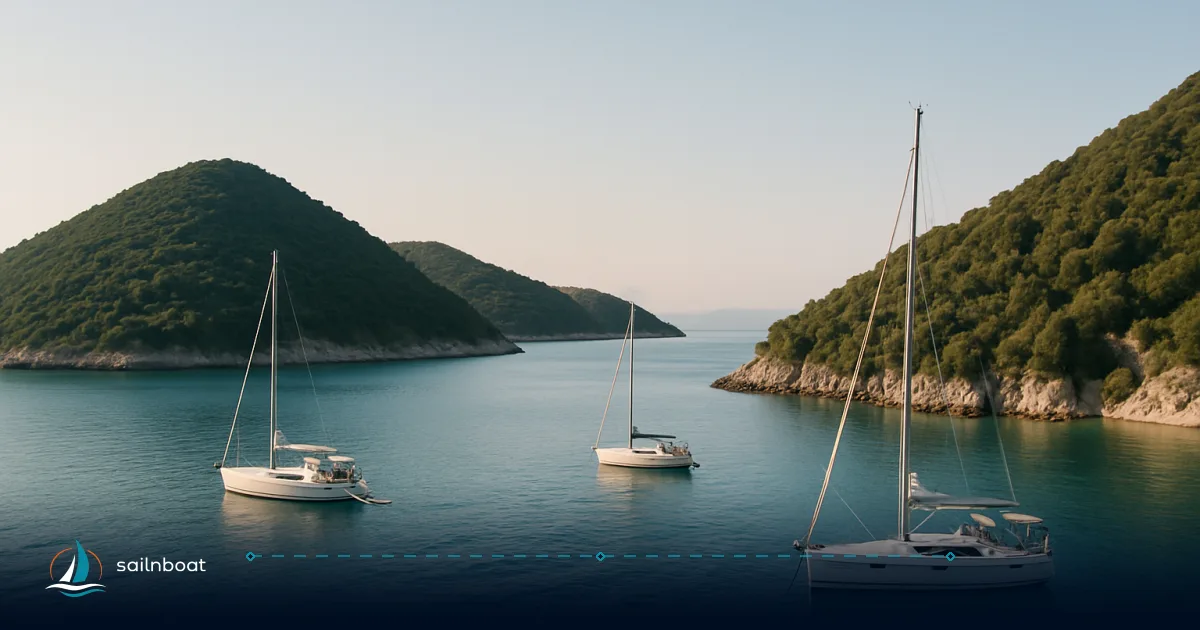
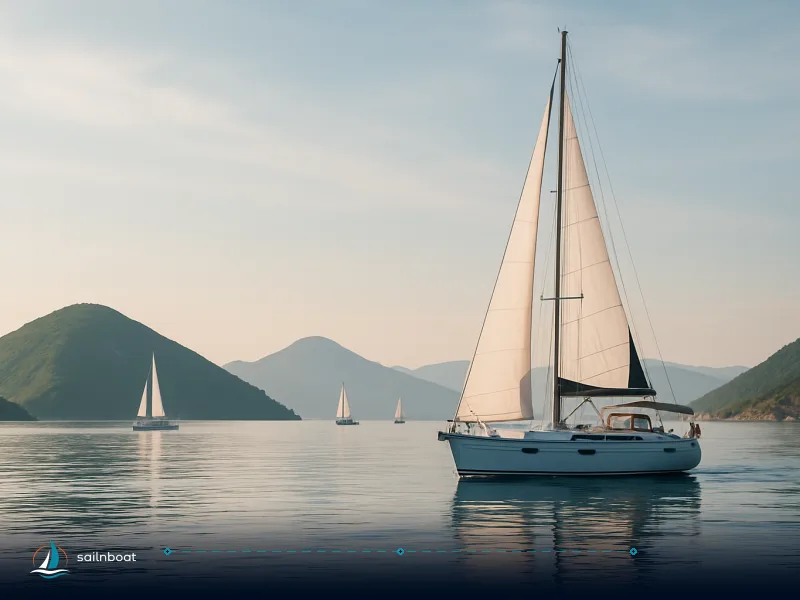
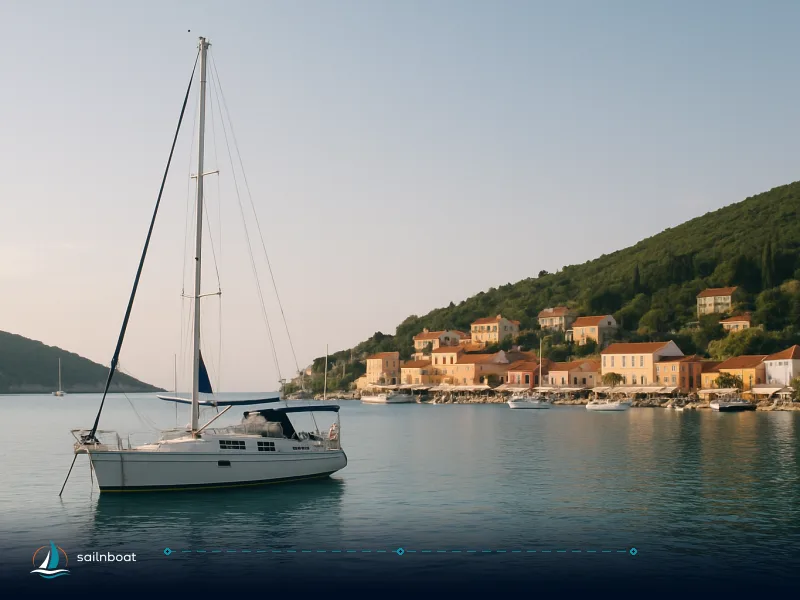
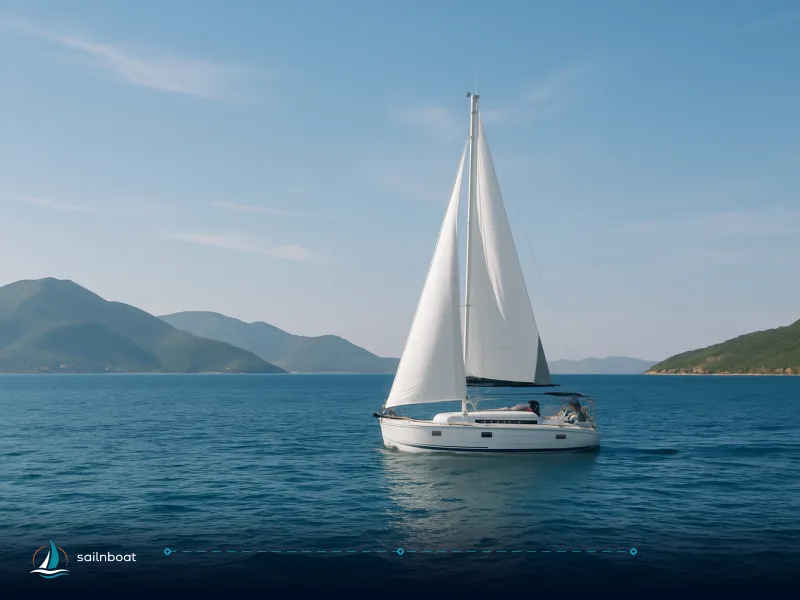
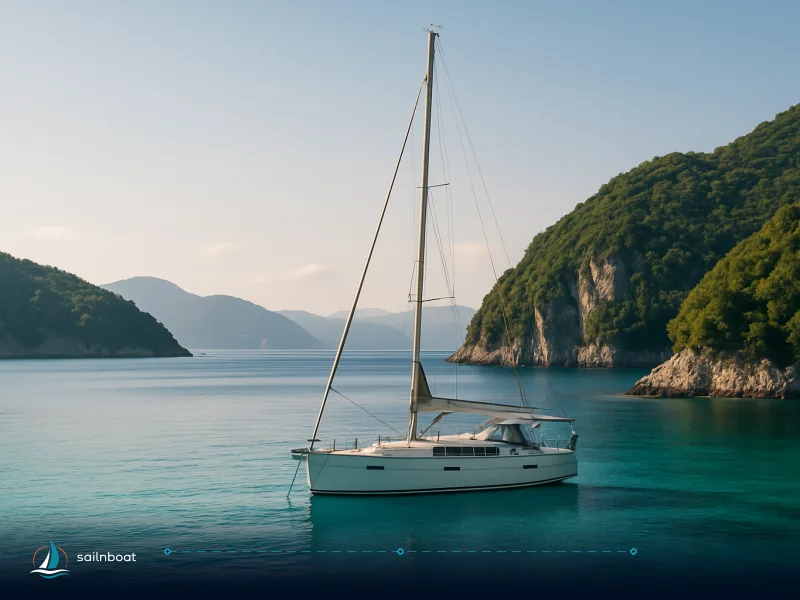
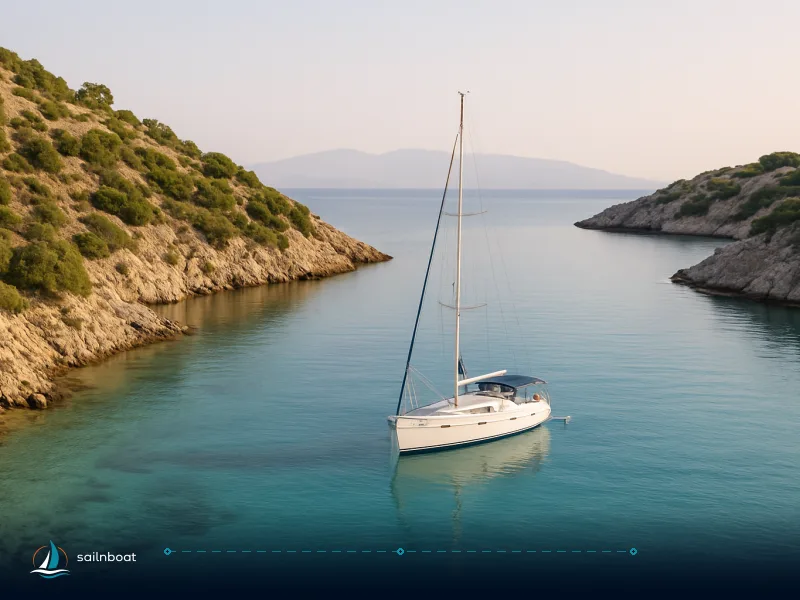
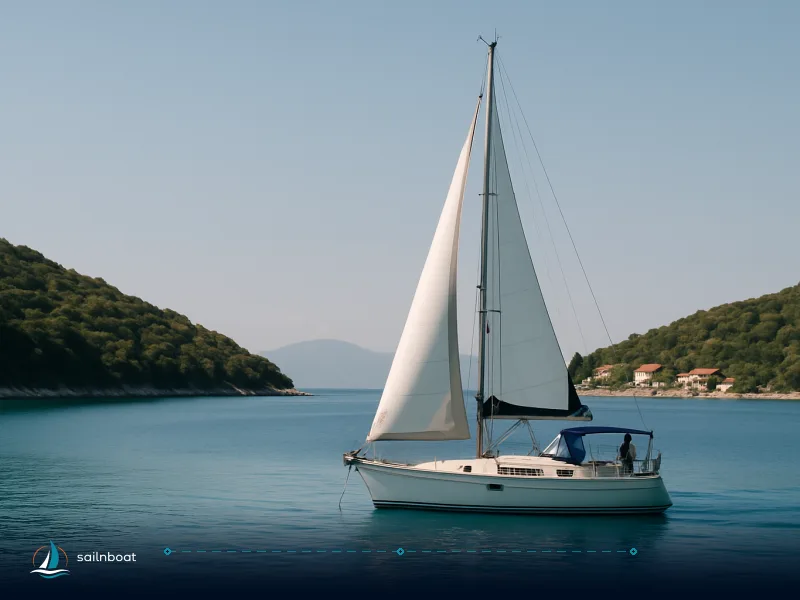
The Echinades Islets anchorages that work for cruising yachts are concentrated in the northern cluster — chiefly Lamprinos, the channel between Lamprinos and Sofia, Provati and Drakonera — with Atokos’ One House Bay as the best-known nearby option. These spots offer good holding in sand and mixed seabeds but very limited swinging room, so you should plan approaches, anchor scope and stern lines before you arrive.
Overview of the Echinades Islets
The Echinades lie at the mouth of the Acheloos (Achelous) River between the Ionian Sea and the entrance to the Gulf of Patras, forming a low, sparsely inhabited archipelago whose shape and shoals have been actively altered by river sediment over millennia. The group is split into northern and southern clusters; most practical anchorages sit among the northern islets.
Geographical Features
- Position: off the Acarnanian coast, east of Ithaca and northeast of Cephalonia; most practical anchorages are among the northern islets.
- Landscape: low limestone islets, many uninhabited; shoreline and bathymetry change locally because of Acheloos sedimentation — charts can lag reality.
- Protection: the Echinades are part of larger protected wetland and Natura areas associated with the Acheloos delta and Messolonghi–Aitoliko lagoon; that brings both conservation value and the possibility of site-specific restrictions. Plan to check local notices before making landings.
Sailing Conditions
- Typical pattern: mornings are often calm; a prevailing NW/NNW sea breeze commonly builds through the afternoon in summer, but the Echinades are less exposed to the full strength of the Aegean etesians — local topography and the river delta modify winds and gusts. Expect variable gust patterns in confined coves.
- Best season: late spring to early autumn for predictable fair weather and milder seas; outside that window winds and frontal passages make the area less hospitable.
- Sea state: shallow shelves and mud/sand bottoms can make the water look murky even on calm days; tidal ranges are modest but local currents near the river mouth and lagoon channels are possible.
Key Anchorages in the Echinades Islets
Below are the anchorages you will most often consider. Each entry gives the practical approach, typical depths and seabed, what it protects from, and the operational advice you need for an overnight stop.
| Anchorage | Typical depths (m) | Seabed type | Protection | Space / best for |
|---|---|---|---|---|
| Lamprinos (southern cove) | ~6–9 m (typical) | Mixed sand, seagrass, scattered rock | Sheltered from N, NE and NW | 1–2 boats; good for sheltered overnighting. |
| Between Lamprinos & Sofia (channel) | ~4–15 m (varies by position) | Sand patches with seagrass | Moderate protection; generally calm | Several boats across the channel; best for quiet lunch or overnight. |
| Provati (south cove) | Inner bay ~4 m to entrance ~15–17 m | Mix: sand, seagrass, mud, scattered rock | Very sheltered once set | Small; 1–3 boats if stern‑lined; very secluded. |
| Drakonera (southeast cove) | Around 8 m (typical) | Sand (good holding) | Very sheltered from W and NW | Extremely limited — comfortably 1 boat, maybe 2. |
| One House Bay (Atokos, east coast) | Commonly reported 7–15 m; anecdotal reports ~9–13 m | Pebble beach, sand patches | Sheltered from prevailing NW | Popular and can be crowded in high season; two main bays on Atokos. |
Notes on the table: those depth ranges are the commonly reported values in cruising guides and skipper logs; local depths shift with sediment, so always approach slowly and confirm with your echo sounder.
Lamprinos
- What to expect: a small southern cove with a clear sandy patch in the middle and mixed bottom elsewhere. Best in calm conditions or when you need protection from northerly winds. Holding is generally good if you land the hook on sand; weed and rock patches are present so check scope and set. Stern lines to rocks are often used.
Between Lamprinos & Sofia
- What to expect: an open but quiet channel anchorage with a chapel onshore used as a visual reference. Depths vary rapidly — you can anchor comfortably in 5–7 m close to shore or set in deeper sand patches if you need more swing room. The spot is ideal for solitude and for staging short hops to Ithaca, Cephalonia or the mainland.
Provati
- What to expect: a narrow, well‑sheltered bay that offers secure nights if you rig stern lines. Inner parts shoal to around 4 m; the entrance steepens to mid‑teens. Holding is a mixed bag; anchors set in sand patches hold well, but weed and mud patches require vigilance. Space is tight — organise a stern line ashore if you plan to stay overnight.
Drakonera
- What to expect: a tiny cove on Drakonera's south‑east coast with good sand holding and very limited swinging room. Best for single‑boat privacy and maximum shelter from W–NW. Plan stern lines and only enter in calm to moderate conditions.
One House Bay (Atokos)
- What to expect: often called One House Bay on the east coast of Atokos — outside the main Echinades nucleus but commonly visited by yachts cruising the area. It offers pebble beach access and a chapel; depths reported in skipper logs vary (reports commonly in the 7–13 m band). The bay is popular and can fill up quickly in high season. Respect local conservation rules: Atokos and nearby islets lie within sensitive natural areas.
Navigational Challenges in the Echinades Islets
The Echinades reward careful planning rather than improvisation. Treat the area as a precision pilotage zone, not a casual anchoring playground.
Common Hazards
- Shifting seabeds, shoals and shallow flats near the river mouth — charts may not show recent changes. Use your echo sounder and approach at slow speed.
- Very limited swinging room in coves — many anchorages only comfortably take one boat; adjacent yachts should stern‑line.
- Mixed bottoms — sand, seagrass, mud and scattered rock mean an anchor might have to be reset; weed fouling is common.
- Visibility traps: river sediment can make water murky and hide close shoals; in low light or swell approach only if you have local knowledge or good electronic fixes.
Tips for Safe Navigation
- Charts and local info: carry up‑to‑date paper or electronic charts and compare them with recent cruising guides or pilot logs; local variations are frequent so treat online satellite images as indicative, not definitive.
- Approach slowly, echo deep frequently: enter coves at tickover or under control power and confirm depths as you go. Run a stern line to shore or use a second anchor from the stern if the cove is narrow and the wind may shift.
- Anchoring technique: aim for sand patches where guides report holding; let sufficient scope, check the set, then run a stern line to shore where rock and layout permit. If you pick up weed, weigh and reset — a badly set anchor in these bays is a common cause of uncomfortable nights.
- Communications: VHF range can be patchy; plan check‑in times and carry a reliable handheld radio and AIS. Cellular signal is often absent in the most secluded coves.
- Protected areas and restrictions: because the islands sit within wetland/Natura sites around the Acheloos delta some landings, fishing or anchoring in specific bays may be limited seasonally — consult the local port authority or official nautical publications before making landings.
Historical and Cultural Context
Historical Significance
-
Myth & river dynamics: ancient authors linked the Echinades to the river god Acheloos — the river’s sedimentary action has long altered these islands’ sizes and shapes; historically, parts of the archipelago have accreted to the mainland. The geological and literary history are why the islands are often referenced in classical sources.
-
Modern ownership notes: several islets (notably Oxia) attracted private buyers in recent years, which received attention in the press; ownership has not, in the main, translated to broad navigation bans but it does influence local access and development debates. Expect private property markings in places and respect any posted limits.
Local Heritage
- Low human footprint: most islets are uninhabited or have tiny seasonal use (shepherds, chapels). Cultural traces are limited to small chapels, shepherd paths and occasional seasonal visits by local fishers or caretakers. Keep landings low‑impact.
- Conservation vs. tourism: the Echinades’ protected status and role in the Acheloos delta ecosystem mean tourism impact is a current management topic — local authorities and conservation managers monitor activity, especially around breeding bird sites and near lagoons. Plan low‑impact visits and follow posted rules.
Final operational checklist before you go
- Update charts and download recent pilot reports for Lamprinos, Provati, Drakonera and Atokos.
- Plan approaches at idle, use echo sounder while entering, and bring spare warps for stern lines.
- Pack a grapple or light shore kit if you plan to run a stern line over rocky ledges — rocks can be sharp; wear protective gloves and shoes ashore.
- Check with the local Port Authority/Port Police and consult Hellenic Hydrographic Service Notices to Mariners and any posted local notices for seasonal restrictions before landing ashore.
(Plan your crossings to Ithaca, Cephalonia or the mainland from these anchorages as short hops — distances are local and dependent on your chosen start point; use your chartplotter for exact mileages and bearings.)
Enjoy the silence, but approach the Echinades as a navigation task: small coves, shifting bottoms and conservation rules mean a little preparation yields large rewards — a quiet night at anchor and a clear morning departure.
Frequently Asked Questions
The most practical anchorages are Lamprinos, the channel between Lamprinos and Sofia, Provati and Drakonera; Atokos' One House Bay (often called One House Bay) is also a reliable option just off the Echinades chain.
Seabeds are typically mixed — sand, mud, seagrass and scattered rock — with depths commonly from about 4 m near the inner coves to 15–17 m closer to entrances, varying by anchorage and tide/season.
Late spring through early autumn offers the calmest conditions and warm weather; expect generally calmer mornings with NW sea breezes building in the afternoon during summer months.
Yes — shifting seabeds, unmarked shallows and very limited swinging room in coves; approach slowly, check current charts and use stern lines where space is tight.
The Echinades are part of Natura/protected wetland complexes around the Acheloos delta and Messolonghi–Aitoliko lagoon; protection can mean site-specific rules and seasonal limits, so check local notices before visiting.
Written by
Sailnboat Editorial
The Sailnboat editorial desk covers yacht and boat chartering worldwide — routes, bases, seasons, boat types, paperwork and the practical costs that decide a trip. We are a charter marketplace, not a boat owner or a local agency: what we sell is judgement and support, so our guides are written to help you make a decision, not to sell you a specific boat. Every guide is checked against live operator and marina data before it goes out.
Fact-checked against live operator and marina data, and published under our editorial standards. Last reviewed: .