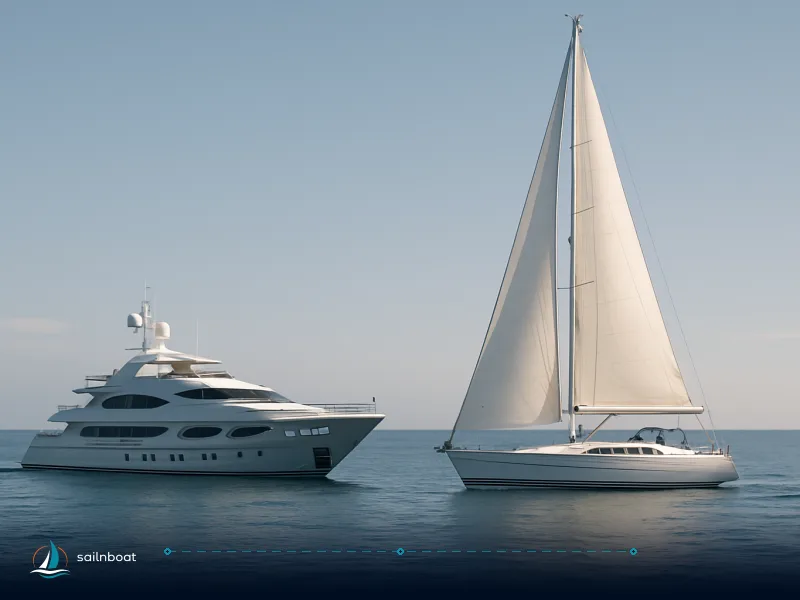
Best Motorsailers for Charter: Speed, Comfort, Reliability
Motorsailers blend the endurance of displacement power with true sail capability; this guide explains why they suit long passages and mixed-wind itineraries, and which models work best for charter.

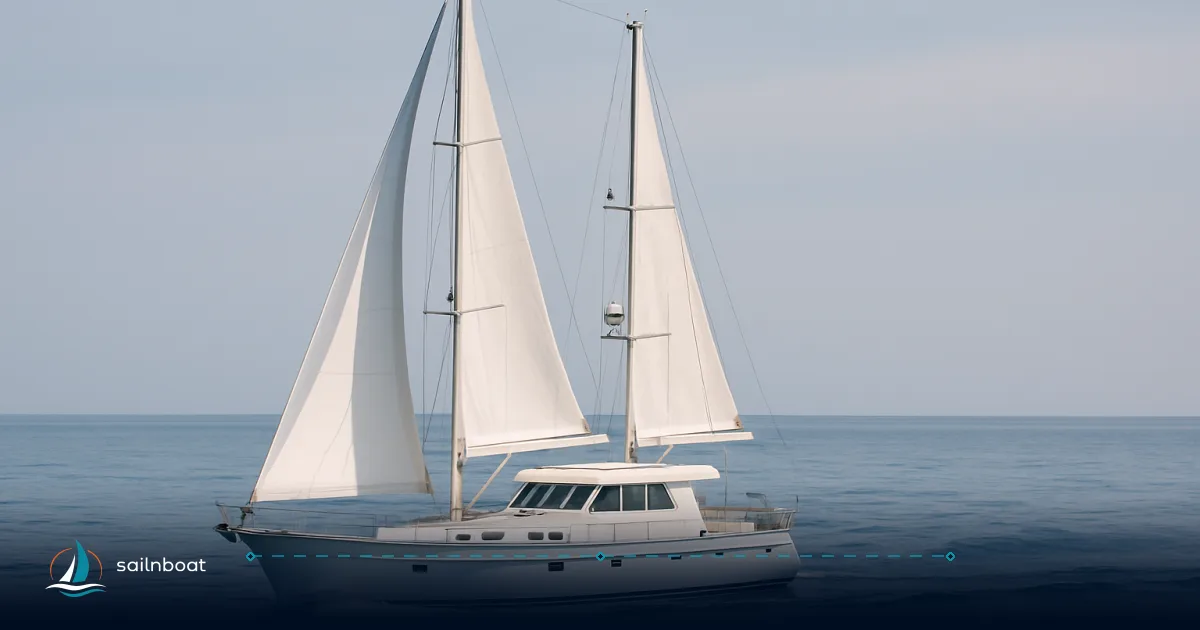
Motorsailers fill a clear need for charterers who want reliable daily progress, weather protection, and generous living space—without the fuel bills of a pure motor yacht. If your itinerary values schedule certainty and comfort, the best motorsailers for charter offer a practical middle ground: you move when you need to, relax underway, and avoid the extremes of both ends of the yachting spectrum.
Understanding Motorsailers
What is a Motorsailer?
A motorsailer is built to operate efficiently under both sail and engine power. Compared to a standard sailing yacht, you get:
- A larger, more robust engine—often sized to run near hull speed for sustained periods.
- Heavier displacement and a hull form that supports comfortable motoring.
- More interior volume, often with an enclosed pilothouse or raised saloon for all-weather navigation.
Motorsailers range from compact 10–12 m pilothouse boats to bluewater 15–17 m ketches and trawler-style hulls. Your choice depends on the route, group size, and whether you want bareboat flexibility or prefer a professional crew.
Motorsailers vs. Traditional Sailboats and Motor Yachts
- Performance in Mixed Winds: Motorsailers keep you moving when light airs would sideline a pure sailing yacht. Their engines are sized for long, economical runs—not just docking or emergencies—so you can stick to your planned schedule.
- Comfort and Space: Compared to same-length sailing yachts, motorsailers offer more headroom, larger galleys, and often a protected helm. Against motor yachts, they cruise slower but burn far less fuel at displacement speeds.
- Trade-offs: You give up some light-air sailing performance and pointing ability. There are also more mechanical systems to maintain than on a simple sailboat.
Motorsailer Charter Comparison Table
| Feature | Motorsailer | Traditional Sailboat | Motor Yacht |
|---|---|---|---|
| Typical Cruise Speed | 7–9 knots | 5–8 knots | 15–25 knots |
| Fuel Burn (12–15 m) | 5–15 L/hr | 2–5 L/hr | 30–100+ L/hr |
| Interior Volume | Higher | Moderate | Highest |
| Weather Protection | Pilothouse/Enclosed Helm | Open or semi-enclosed | Enclosed Bridge |
| Bareboat Availability | Moderate (varies by size) | Common | Rare (often crewed) |
| Mooring Fees | Moderate | Moderate | Higher (due to size/beam) |
Advantages of Motorsailers for Charter
Long Passages
If your charter covers multiple days at sea or long coastal stretches, motorsailers offer more consistent daily mileage. Many 12–16 m models cruise comfortably at 7–9 knots under power, so you can plan daylight arrivals and reduce unexpected overnight stops. This is especially valuable in regions where anchorages are scarce or the weather is variable.
Mixed Wind Conditions
Motorsailers let you use sail power when it helps, and switch to the engine when needed—minimizing sail changes and crew fatigue. They're especially practical for routes with tidal gates, narrow channels, or variable wind. Many models also dampen roll better than pure powerboats, improving comfort on long engine runs.
Comfort and Reliability
The pilothouse or deck saloon is a major asset in cooler or rainy weather, and the extra volume makes a difference on longer charters. With both sail and engine options, you have more redundancy if one system fails.
Crew Requirements for Motorsailers
Skippered Charters
For larger or more complex motorsailers, most operators supply a professional skipper and crew. These captains are familiar with displacement hull handling, engine management, and the additional systems (like gensets and heating). A typical check-in covers:
- Engine and generator checks
- Fuel and water state
- Safety gear and passage planning
- Chartplotter and engine documentation
Expect a more thorough handover than with a simple monohull. On many powercats and larger motorsailers, skippered/crewed charters are the norm due to insurance and operational complexity.
Bareboat Charters
Bareboat motorsailer charters are most common for boats under about 15 m, with straightforward systems. In the Mediterranean, charter companies usually require a recognised certificate of competence (ICC, RYA, ASA), plus a VHF operator’s certificate (SRC or equivalent) in many countries. Requirements can vary—always confirm what your specific base needs.
At least one crew member should have recent experience helming motorsailers, as handling and engine management differ from both pure sailboats and planing powerboats.
Operational Costs of Motorsailers
Fuel Consumption Rates
Fuel burn depends on hull type, displacement, and cruising speed:
- Displacement/trawler-style motorsailers (10–15 m): Typically 5–15 L/hr at efficient speeds. Older or twin-engine models may be at the higher end.
- Modern powercats and large motor yachts: Expect 30–100+ L/hr at higher speeds.
If fuel cost is a concern, ask the operator for real cruise-burn numbers for your specific boat and route. Using sails to assist can make a noticeable difference.
Mooring and Berthing Fees by Region
Mooring fees are a significant part of your charter budget—especially in high season and popular destinations. Here’s a quick comparison:
| Region | 12–14 m Motorsailer | 15–17 m Motorsailer | Notes |
|---|---|---|---|
| Western Med | €60–120/night | €90–180/night | High season rates, book marinas in advance |
| Croatia | €50–100/night | €70–140/night | Lower in shoulder season |
| Greece | €30–60/night | €50–100/night | Municipal quays less expensive, limited services |
| Caribbean | $1.50–$4/ft/night | $2–$5/ft/night | USD pricing, varies by island and marina |
| Turkey | €30–70/night | €50–110/night | Discounts for longer stays, med-mooring common |
- Booking Process: In the Med, advance reservations are strongly advised in high season. Some marinas require payment up front. In the Caribbean, first-come-first-served is more common, but premium slips in popular harbours may need booking.
Maintenance and APA Costs
Motorsailers have both sailing and engine systems, so maintenance is more involved than a pure sailboat. For charterers, the main concern is the APA (Advance Provisioning Allowance) on crewed charters—which typically covers fuel, marina fees, food, and incidentals.
- APA Range: Many operators set the APA at 20–35% of the base charter fee, depending on the vessel and route. This covers variable costs and is reconciled at the end of the charter.
- Key Questions: Ask about the last service date, major maintenance, and whether a fuel consumption log is available. This helps avoid unwanted surprises during your trip.
Insurance and Deposit Requirements
Bareboat Charters
Most operators require a security deposit—typically €2,000–€5,000 for midsize motorsailers, held as a pre-authorisation or temporary charge. Insurance is included in the charter; typically you are liable up to the security deposit/excess for covered losses. If a loss is excluded by the policy (e.g., gross negligence or specified exclusions), coverage may not apply and you could be liable beyond the deposit.
- Insurance Waivers: Some bases offer a non-refundable damage waiver (often €200–€400/week) that reduces or replaces the deposit. This adds cost but lowers your risk exposure.
- Qualification Impact: Missing or inadequate skipper qualifications can affect how an insurance claim is handled and may leave you personally liable.
Skippered/Crews Charters
On crewed charters, the insurance is managed by the operator. You may still be responsible for damage or loss caused by guests, but the skipper handles navigation and systems risk. APA covers operational costs, but not willful damage or gross negligence.
Regional Differences
- Mediterranean: Bareboat charters are common and most operators accept ICC or RYA qualifications, with SRC for VHF. Deposits and waivers are standard.
- Caribbean: Certificates are less commonly required, but experience is still assessed. Deposits and insurance practices are similar, but always check with your operator.
- Other Regions: Requirements can vary widely; confirm with your charter advisor.
Seasonal and Weather Planning for Motorsailer Charters
Choosing the Right Season
- Mediterranean: High season runs June–September. Expect higher marina fees and crowded anchorages. Shoulder seasons (May, October) offer quieter ports and more flexible bookings, but weather can be less predictable.
- Caribbean: Peak season is December–April, with stable trade winds and little rain. Hurricane season (June–November) brings higher risk; many operators restrict charters or require contingency plans during this period.
Weather Windows and Passage Planning
Motorsailers are less dependent on wind than pure sailing yachts, but seasonal weather still matters:
-
Med: Summer brings prevailing northerlies (Meltemi, Mistral) in certain regions, which can affect comfort and passage planning. Motorsailers let you make headway when lighter boats would wait it out.
-
Caribbean: Trade winds are steady in season, but squalls and tropical depressions can appear. Motorsailers’ power lets you clear exposed areas quickly if needed.
-
Tides and Currents: Some areas (e.g., English Channel, Bristol Channel) have strong tidal flows. In the Mediterranean, tidal streams are generally weak; plan for local wind-driven currents and strait effects (e.g., Euripus, Dardanelles). A motorsailer’s engine power is a safety net for timing gates and channel crossings.
-
Checklist: Always review the local weather patterns, marina booking requirements, and pilot guides for your route before finalising your dates.
Recommended Motorsailer Models for Charter
Below are established models you’ll regularly find in charter fleets. Use this as a starting point for discussions with your broker or base—availability and bareboat eligibility vary by region and operator.
| Model / Family | LOA (approx) | Mission / strengths | Typical cruise speed | Typical fuel burn | Charter suitability |
|---|---|---|---|---|---|
| Beneteau Evasion series (Evasion 32–36) | 9–11 m | Classic pilothouse, simple systems, easy for small crews | ~6–8 kt | 4–10 L/hr | Often bareboat in smaller sizes |
| Nauticat (33–44) | 10–13 m | Pilothouse, bluewater capable, traditional comfort | ~6–8 kt | 5–12 L/hr | Skippered or experienced bareboat |
| Cheoy Lee 46 LRC / 52 Motorsailer | 14–16 m | Long-range, robust, suited to extended passages | ~7–9 kt | 10–25 L/hr | Typically skippered or crewed |
| Amel (Super Maramu, Amel 54) | 15–17 m | Bluewater deck saloon, built for shorthanded long passages | ~7–8 kt | Varies, confirm model | Usually skippered; rarely bareboat |
| Nauticat 515 / Nordhavn 56 Motorsailer | 13–17 m | Modern motorsailer, long-range, comfortable pilothouse, bluewater capable | ~7–9 kt | 10–20 L/hr | Typically skippered or crewed |
Note: Actual cruise speeds and fuel burns vary by hull, load, and condition—always confirm with the operator for your specific booking.
Picking a Motorsailer for Charter
- Bareboat Simplicity: Choose smaller pilothouse motorsailers (Beneteau Evasion, Nauticat 33) and verify that your certificates are accepted.
- Longer Passages: Cheoy Lee or Amel models offer space and range—expect to need a skipper.
- Speed & Space: Powercats like Fountaine Pajot MY series provide fast transfers and social areas, but higher fuel bills and APA.
Skippered vs. Bareboat Recommendations
- Bareboat: Favour proven hulls with straightforward systems (Evasion 32–36, Nauticat 33). Make sure your charter company lists the model as bareboat-eligible and clarify certificate requirements.
- Skippered/Crews: Opt for larger motorsailers or powercats where a professional manages systems, planning, and guest service. Accept higher APA and crew costs for increased comfort and range.
Mooring, Insurance, and Regional Practice Quick Reference
| Topic | Mediterranean | Caribbean | Notes |
|---|---|---|---|
| Mooring Fees | €30–180/night (size, location) | $1.50–$5/ft/night | Higher in high season, advance booking advised |
| Insurance | Deposit €2,000–€5,000 or damage waiver | Deposit or waiver, similar range | Waiver reduces liability, adds cost |
| Certificates | ICC/RYA + VHF SRC often needed | Experience check, less formal | Always confirm with your base |
| Seasonality | High season Jun–Sep | High season Dec–Apr | Shoulder seasons cheaper, weather varies |
Seasonal Planning and Weather Windows
- Plan for the prevailing wind and possible strong weather events in your region.
- Reserve marinas in advance during high season, especially in the Med.
- Check insurance and APA terms for interruptions due to weather or force majeure.
- Allow margin in your itinerary for weather delays—even motorsailers are not immune to heavy conditions.
Quick-Reference Checklist for Your First Motorsailer Charter
- Confirm your skipper certificate and VHF/SRC requirements for your region and operator.
- Ask for real cruise speed and fuel consumption for the exact model you’re booking.
- Check mooring fees for your intended stops and ask about booking procedures.
- Clarify insurance, deposit, and APA terms before signing.
- Review recent maintenance and service history for your charter vessel.
- Plan your route with seasonal weather and marina availability in mind.
- Discuss with your charter advisor which models are available bareboat vs. skippered for your dates.
Consulting with Charter Companies
Before booking, request these three pieces of information:
- Real-world cruise speed and fuel burn for your specific hull.
- Bareboat or skippered eligibility and exact certificate requirements.
- Typical APA or weekly fuel/marina spend for your route.
Ask for recent service records and a sample fuel log if available. These details can materially affect your costs and your experience.
If you want a shortlist of motorsailers available from charter bases that accept your qualifications and fit your route, we can provide live availability and APA estimates for your dates. Talk to a Sailnboat advisor to build a plan that matches your priorities—speed, comfort, and cost control.
Frequently Asked Questions
Motorsailers deliver reliable passage speed in light winds, larger protected pilothouses and more living space for longer trips, and the option to switch to efficient motoring when conditions demand.
They sit between the two: better seakeeping and lower fuel burn than planing motor yachts, more interior room and motoring range than equivalent-length cruising sailboats; however they are typically slower under sail than pure cruisers and slower under power than planing motor yachts.
Small to mid-size displacement motorsailers (10–15 m) commonly burn roughly 5–15 L/hr at cruising speed; large powercats and motor yachts burn tens to hundreds of litres per hour—expect wide variation by hull type and engine package.
Look at Beneteau’s Evasion series and Nauticat 33–44 for classic motorsailers, Cheoy Lee 46–52 for spacious long-range options, and Fountaine Pajot MY power cats when you want multi‑hull stability and higher transit speed (often skippered).
Operating and maintenance costs vary by size and age but are commonly in the low double‑digit percent of vessel value annually for owner‑operators; charter budgeting focuses on fuel, berth fees and APA rather than ownership-level refit lines.
Charter companies typically expect a recognised competency certificate (for Europe the ICC or an RYA equivalent is widely used) plus a VHF radio certificate; exact requirements depend on country, operator and yacht size.
Written by
Sailnboat Editorial
The Sailnboat editorial desk covers yacht and boat chartering worldwide — routes, bases, seasons, boat types, paperwork and the practical costs that decide a trip. We are a charter marketplace, not a boat owner or a local agency: what we sell is judgement and support, so our guides are written to help you make a decision, not to sell you a specific boat. Every guide is checked against live operator and marina data before it goes out.
Fact-checked against live operator and marina data, and published under our editorial standards. Last reviewed: .