Best Sailing Destinations for Couples: Romantic Getaways
Seven carefully chosen sailing destinations for couples with the practical details you actually need—mooring options, typical fees, best months and the experiences that make each place romantic.

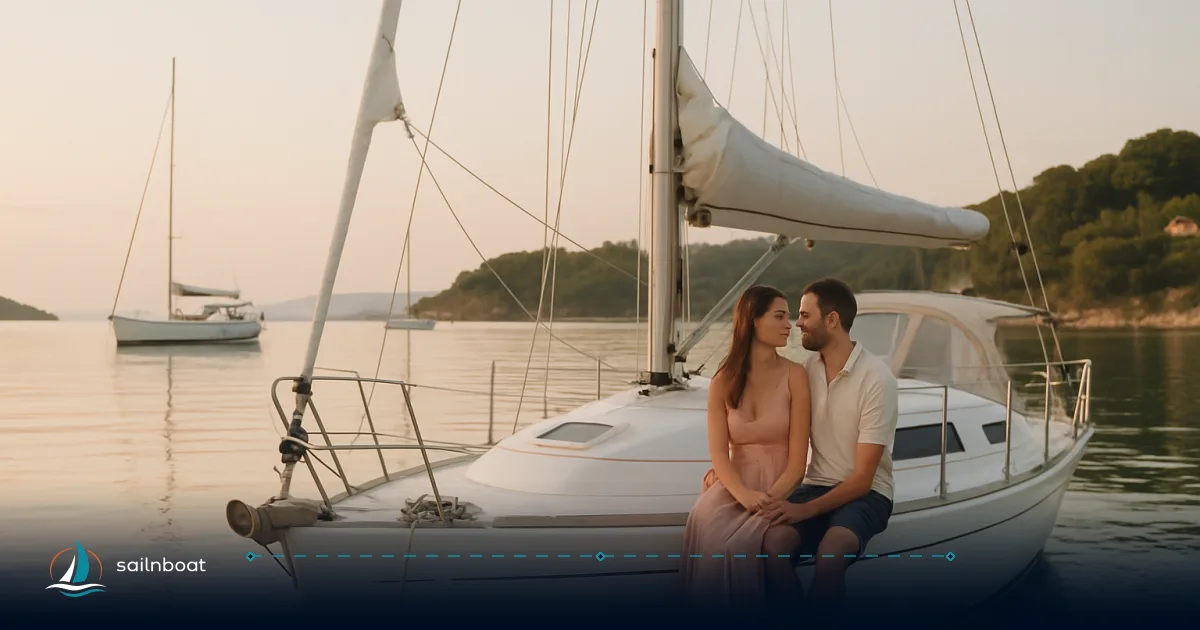
For couples who want a short, intimate charter with shoreline restaurants, secluded beaches and easy anchorages, the best sailing destinations for couples are Amalfi, Santorini, the French Riviera, the British Virgin Islands, Croatia’s Dalmatian coast, Phuket and the Whitsundays — each delivers a different romance: cliff-top dinners, caldera sunsets, glamorous harbours or private sandbars.
Top Sailing Destinations for Couples
Amalfi Coast, Italy
What makes it right for couples: intimacy by the mile — short hops between villages, cliffside restaurants with tables that face the water, and a coastline that reads like a dinner reservation list. Handover and short sails from Naples or Salerno let you sleep late and still reach Positano for sunset. Moorings and fees: formal berths are limited; mooring buoys and private marina berths (Positano/Amalfi/Marina di Amalfi) are common and peak-season buoy or berth rates can be high (buoy services and private moorings often run in the tens to low hundreds of euros per night, with larger boats and peak dates much more expensive). Booking ahead is usual in July–August. Best months: May–June and September — pleasant temperatures, fewer crowds than July–August and more reliable marina availability.
Santorini, Greece
What makes it right for couples: the caldera sunset, cliff-top hotels and the volcanic coastline make for cinematic evenings ashore; a short sunset cruise or private overnight on a permitted mooring is a classic romantic choice. Moorings and fees: the caldera is deep, so anchoring is challenging and yachts often use port-authority mooring buoys (Fira/Oia) or the sheltered Vlychada Marina on the south coast for alongside berthing; municipal/private berths and caldera buoys show significant seasonal price increases—expect higher rates in peak summer. Best months: late May–early June and September–early October to avoid the strongest Meltemi winds and the cruise-ship crowds.
French Riviera, France
What makes it right for couples: short coastal hops, elegant harbours (Nice, Antibes, Cannes, Saint‑Tropez), great restaurants ashore and a cosmopolitan mix of beaches and culture. Dock-side dinners and town promenades are easy to time from an evening berth. Moorings and fees: marinas price by length and beam; transient berths in places like Cannes, Antibes and Saint‑Tropez can be expensive in summer — expect significant spikes in July–August, with calmer pricing in May–June and September. It pays to compare port price lists and book early for peak events (Cannes, Monaco, Voiles). Best months: May–June and September (September often gives the best balance of warm water and fewer crowds).
British Virgin Islands (BVI)
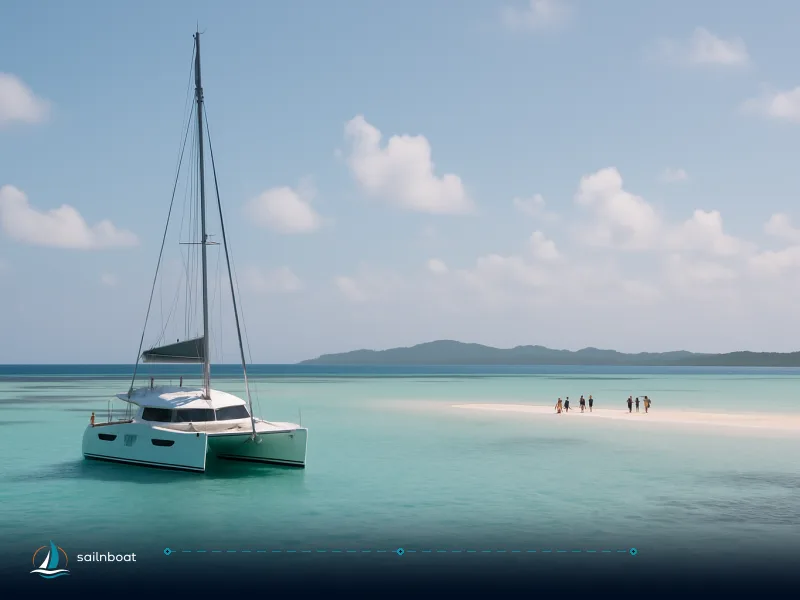
What makes it right for couples: very short passages between beaches and bays, world-class snorkeling and private sandbars where you can feel dropped off on your own island for an afternoon. For couples who want privacy, overnight mooring balls at quieter anchorages work well. Moorings and fees: many national-park moorings are run by park authorities or local operators; typical overnight mooring-ball fees in national-park anchorages are commonly in the $30–$45/night range, paid via on‑site kiosks or mobile apps in some locations. Reserve early in high season (Dec–Apr) and arrive early for popular bays like White Bay. Best months: December–April (dry trade-wind window and the most reliable sailing conditions).
Croatia’s Dalmatian Coast
What makes it right for couples: medieval towns, quiet island anchorages, short scenic hops and easy dinghy excursions into stone-paved harbours—good for couples who want a mix of cultural evenings ashore and calm anchorages by day. Moorings and fees: Croatia’s ACI and private marinas are plentiful; fees vary by marina, boat size and season — popular marinas can be pricey in July–August while shoulder months are markedly cheaper. Expect a wide range: modest fees in smaller ports, substantial daily rates in peak-season ACI/privately run marinas for mid-size boats. Best months: May–June and September — warm water, reliable Maestral afternoon breeze and fewer crowds than mid-summer.
Phuket, Thailand (Ao Po/Phang Nga)
What makes it right for couples: dramatic limestone karsts, sheltered anchorages, private beaches and easy access to island restaurants and spas — combine an overnight yacht with a shore dinner and a morning snorkel. Moorings and fees: Ao Po Grand and the Phuket marinas provide full services; marina rates in Phuket are often charged per foot and are generally lower in cost than top-season Mediterranean marinas (daily rates vary by marina and season; some charter operators include base-berthing at Ao Po for their yachts). Expect marina-per-foot pricing and utility surcharges. Best months: November–April (dry season; calmer seas and reliable weather).
Whitsundays, Australia
What makes it right for couples: private anchorages close to famous beaches (Whitehaven), protected reef moorings and short transfers ashore for beach walks or a guided reef snorkel—ideal for privacy-focused couples. Moorings and fees: the Great Barrier Reef and Whitsundays use a public mooring network managed under GBRMPA and QLD parks; mooring classes define vessel limits, time limits and booking rules—some moorings require bookings or permits and time-limited day/mooring rules apply. Fees vary by site and operator; check park notices for specific sites before you go. Best months: May–October (drier winter window, lower cyclone risk than the Australian summer).
Unique Experiences for Couples
Culinary Adventures
- Amalfi: cliff‑top restaurants, limoncello tastings and small local wineries within short taxi rides ashore.
- Santorini: wines from volcanic soils and private caldera dinners; some island restaurants and cooking classes cater to small groups.
- French Riviera: seaside Provençal markets, Michelin restaurants and sunset rosé on a quay in Nice or Antibes.
Water Activities
- Snorkel or pick a mooring buoy and swim from the cockpit in the BVI; the mooring network makes day-to-night stops easy.
- Scuba or boat to fringing reefs in the Whitsundays and central Great Barrier Reef; day trips and guided snorkel tours are widely available.
- In Phuket, day sails to Koh Phi Phi for snorkeling and private beach lunches are routine.
Cultural Experiences
- Croatia: evening strolls through Hvar or Dubrovnik’s old towns and impromptu live music in small squares.
- French Riviera: combine a harbour-side promenade with an evening at a small coastal gallery or festival (Cannes/Monaco event calendar spikes prices and demand).
Practical Considerations: Mooring and Fees
Mooring Options
- Public marinas: full services (water, electricity, fuel, chandlery) and fixed berths; price by length/beam and season.
- Private marinas/harbour quays: sometimes premium fees and event surcharges (regatta or festival windows).
- National-park mooring buoys: day and overnight rules, pay points or app payments are common (BVI, Whitsundays and parts of Greece use managed moorings).
- Anchoring: free where permitted, but many iconic spots (such as coral areas in GBR) restrict anchoring and encourage or require use of moorings; in Santorini caldera, anchoring is difficult due to depth and yachts typically use moorings or marinas.
Typical Fees
- Mediterranean marinas: highly variable — smaller towns may be modest; premium harbours (Saint‑Tropez, Port Vauban, central Amalfi) can reach several hundreds of euros per night in high season for larger yachts. Expect a meaningful seasonal premium in July–August.
- BVI mooring balls: commonly around $30–$45/night for national-park moorings; private marinas cost more.
- Whitsundays/Great Barrier Reef: many public moorings are managed (class-based limits and time rules); fees and booking rules depend on the permit holder—don’t assume universal free mooring.
- Phuket: marinas typically charge by foot (daily/monthly) and add utility surcharges; some charter fleets include base-berthing.
Table — Quick comparison at a glance
| Destination | Best months | Typical mooring fee (night) | Mooring type | Ideal couple profile |
|---|---|---|---|---|
| Amalfi Coast (Italy) | May–Jun, Sep | €80–€250+ (peak/size-dependent) | Buoys, small marinas | Couples who want cliff-top dinners & short hops. |
| Santorini (Greece) | May–Jun, Sep | €100–€260+ (caldera/season) | Caldera buoys (anchoring challenging), Vlychada marina | Sunset-focused, photo‑centric couples. |
| French Riviera (France) | May–Jun, Sep | €50–€300+ (by length & event) | Marinas, town quay | Glamour + dining ashore; event timing matters. |
| British Virgin Islands | Dec–Apr | $30–$45 (park moorings) | Mooring balls, anchorages | Couples wanting private beaches + snorkeling. |
| Croatia (Dalmatia) | May–Jun, Sep | €40–€200 (wide range by marina & size) | ACI/private marinas, anchorages | History & calm anchorages with cultural evenings. |
| Phuket (Thailand) | Nov–Apr | Variable (per ft/day; typically lower than Med hotspots) | Marina berths, sheltered anchorages | Couples combining island day trips with dinner & spa. |
| Whitsundays (Australia) | May–Oct | Variable (park/permit rules) | GBR public moorings, private marinas | Secluded beaches & reef snorkel days. |
(Fees are shown as typical ranges — exact price depends on boat length, season and local policy.)
Weather Conditions and Best Times to Sail
Seasonal weather patterns (short compass)
- Mediterranean (Amalfi, French Riviera, Croatia, Santorini): best shoulder-season windows are May–June and September–early October; July–August is hottest and busiest and the Aegean can see strong Meltemi winds in mid‑summer.
- Caribbean (BVI): classic dry trade‑wind season runs December–April; hurricane season officially runs June 1–Nov 30 with highest risk Aug–Oct. Plan alternatives or insurance if travelling in the summer.
- Indian Ocean / Andaman Sea (Phuket): November–April is the dry season and the most consistent sailing window; monsoon months bring heavier rain and rougher seas.
- Whitsundays / GBR: public moorings and protected anchorages are available most of the year, but the drier (and lower cyclone-risk) window is roughly May–October; check GBRMPA site for site‑specific access rules.
Safety tips
- Check the local port authority and park web pages for mooring maps and no‑anchor zones before arrival. Use official marina price lists for budgeting.
- In regions with known seasonal winds (Meltemi in the Aegean; Mistral in southern France; trade winds in the Caribbean), plan shorter days and have a harbour fallback for the afternoon.
- For tropical destinations, confirm insurance and cancellation terms for hurricane/monsoon season; many charter companies suspend standard operations through the seasonal peak.
Planning Your Romantic Sailing Trip
Choosing the right yacht
- Privacy and comfort: a small crewed yacht or a 40–50ft catamaran gives a stable platform and separate cabins; a 35–42ft monohull is intimate and typically cheaper. Balance cabin count against privacy: fewer cabins usually means more privacy.
- Budget items to include: charter base price, APA (Advance Provisioning Allowance), marina fees, fuel, skipper/crew day rates (if any), provisioning and activities ashore. APA is normally expressed as a percentage of the charter fee — commonly 20–35% for crewed charters depending on yacht and itinerary; skipper wages in Europe are commonly in the €150–€200/day band (range varies by country and season).
Itinerary planning — a practical template
- 7‑day example (Mediterranean couple who want balance): Day 1 handover/short hop to a quiet cove; Day 2 island exploration and dinner ashore; Day 3 town visit with late dinner; Day 4 longer sail to the headline island/harbour; Day 5 beach day and water activity; Day 6 reserve for weather or an extra romantic night ashore; Day 7 return and check‑out. Keep daily legs under ~3–4 hours to avoid a rushed holiday.
- Reserve your headline nights early (the “must‑do” restaurant or that special marina slip on a Saturday). For high‑demand ports (Saint‑Tropez, Amalfi, Santorini caldera buoys) make bookings where possible well in advance.
Final checklist before you book:
- Confirm berth/park mooring availability and the exact price for your boat length and dates.
- Budget APA at ~20–35% of a crewed charter fee; budget skipper/crew wages where applicable.
- Check seasonal weather windows and insurance/cancellation terms for your travel dates.
Start planning your romantic sailing getaway today. Consider the experience you want (dinner ashore vs total privacy), pick a season that matches it, and lock the key nights early — the right slip or mooring can define the trip.
Frequently Asked Questions
The best choices are the Amalfi Coast, Santorini, the French Riviera, the British Virgin Islands, Croatia’s Dalmatian coast, Phuket (Thailand) and Australia’s Whitsundays—each offers a different balance of scenery, services and privacy.
Think cliffside dinners and lemon groves on Amalfi, caldera sunsets in Santorini, glamorous harbours on the Riviera, secluded sandbars in the BVI, medieval towns in Croatia, limestone karsts in Phuket, and Whitehaven Beach in the Whitsundays.
Options are public marinas, private marinas, national-park mooring buoys and open anchoring. Fees vary by region and season—Mediterranean marinas often charge by boat length (€50–€300/night in peak spots), while BVI park moorings commonly run around $30–$45/night.
Mediterranean: May–June and September–October (avoid full August crowds); BVI: December–April (dry trade-wind season); Phuket: November–April (dry season); Whitsundays: May–October (drier winter window).
Match space and privacy to your trip: a 40–50ft catamaran gives stability and social cockpit space; a small monohull is intimate and cheaper; for concierge service choose a crewed yacht and budget APA and crew fees.
Written by
Sailnboat Editorial
The Sailnboat editorial desk covers yacht and boat chartering worldwide — routes, bases, seasons, boat types, paperwork and the practical costs that decide a trip. We are a charter marketplace, not a boat owner or a local agency: what we sell is judgement and support, so our guides are written to help you make a decision, not to sell you a specific boat. Every guide is checked against live operator and marina data before it goes out.
Fact-checked against live operator and marina data, and published under our editorial standards. Last reviewed: .