Top Sunset Sailing Spots Around the World
A curated list of the world's best sunset sailing spots, with practical timing, local mooring notes and operator suggestions so you can book the right evening sail.

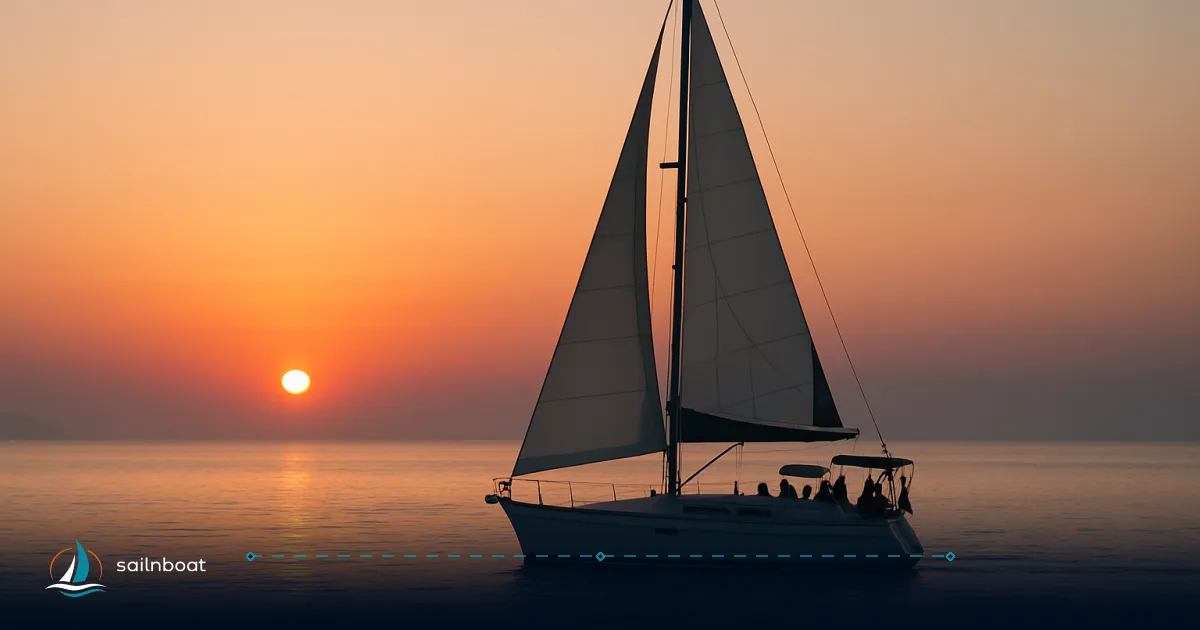
Sunset sailing spots work because they align three things: good light, safe shelter and a simple exit plan so you’re back before dark or prepared for night running. Below are the world’s best places to time an evening sail for two — operational details first (season, how boats tie up, what to expect), then short operator recommendations and practical planning tips so you can book confidently.
Top Sunset Sailing Destinations
Key West, Florida
Key West is as reliable for an evening sail as it is for its Mallory Square sunset celebration — short harbor runs, many two‑hour catamaran and schooner options, and a large cluster of operators at the Historic Seaport. For couples who want a sailing feel without a long passage, 90–120 minute sunset sails depart nightly and typically include drinks or light bites; private schooner charters are also common. If you prefer to watch shore-side, Mallory Square’s free nightly Sunset Celebration starts roughly two hours before local sunset and runs to dusk.
Operational note: boats load from the Historic Seaport/Key West Bight; expect a short motor or sail to the sunset track so the trip finishes at dusk and returns by nightfall. Popular local operators (examples) include Danger Charters, Sebago/Sunset Sail providers and larger catamaran lines — check each operator’s departure pier and cancellation policy. Pricing for public sunset sails typically runs in tiers (budget catamarans up to dinner-style or schooner experiences), so compare inclusions rather than only the headline price.
Santorini, Greece
Santorini is a special case: the caldera rim at Oia and Fira creates the iconic silhouette you want to see from the water, but the caldera is deep and yachts do not anchor to the seabed — they take permitted mooring buoys or remain underway. Most captain‑led caldera cruises reserve a buoy or operate a short sunset run off Oia; private charters for sunset caldera work are widely available but numbers and buoy access are controlled by port authorities. Best visiting window for comfortable sailing and predictable weather is the Mediterranean warm season (roughly April–October), with the shoulder months offering thinner crowds.
Operational note: if your plan is an anchored sunset dinner beside Oia, expect to pay for handling of buoys or a private-caldera cruise; many operators advertise half-day or sunset packages (private caldera cruises are commonly priced at a premium). Book early in high season because buoy space and berth reservations fill quickly.
Sydney, Australia
Sydney Harbour gives two advantages: dramatic city skyline (Opera House and Harbour Bridge) and protected water that makes evening sails comfortable even in a fresh sea breeze. Summer months (Southern Hemisphere: roughly December–February) are popular, but the harbour is busy year-round — private charters and scheduled dinner/sunset cruises run daily. Harbour marinas and berths vary in depth and size; inner‑harbour marinas and visitor berths are well serviced for short evening cruises. For larger dinner cruises and formal sunset services, established operators such as Captain Cook Cruises run scheduled departures.
Operational note: because the harbour is busy with commercial traffic, pick operators familiar with harbour navigation and established boarding piers; a harbour pilot/skipper who knows the light plan and shelter options is beneficial.
Barcelona, Spain
Barcelona’s sunset sails are short, social and inexpensive compared with long‑haul charters — catamarans and smaller private yachts leave from Port Vell or Port Olímpic for 1.5–3 hour sunset runs along the coast as the skyline lights come on. Operators range from large catamarans with music and tapas to smaller 12‑passenger boats for a quieter evening. Marina berth policies and published rate frameworks are controlled by the Port of Barcelona and Port Olímpic; berth and service fees can be significant in high season. Book early for prime sunset time slots.
Operational note: the sea state outside the breakwater is normally gentler for catamarans than monohulls; if you want to swim at sunset look for operators that include a mid‑sea stop but be aware the water cools rapidly after dusk.
British Virgin Islands (BVI)
The BVI is the classic sunset‑sailing archipelago: short island hops, protected anchorages and a high density of mooring balls and marina berths intended for the charter fleet. Because many prime beach bars and restaurants sit immediately off mooring fields, crews routinely pick a mooring ball before sunset. Expect per‑use mooring or buoy fees and a suite of local port or park charges; a typical mooring-ball cost range cited by charter sources is approximately $25–$55 per night, plus occasional marine-park or visitor levies. High season runs December–April when trades steady and water is clear; shoulder months like late April or November reduce crowding.
Operational note: if you are on a bareboat in the BVI, arrive at the mooring field well before sunset to claim your ball — fields fill fast on busy days. Many charter bases prepay first and last day berth fees but expect nightly mooring or marina charges during the cruise.
Unique Sunset Sailing Experiences for Couples
Eagle Beach, Aruba
Eagle Beach and the western coast of Aruba host calm, shallow evening runs and a high volume of sunset catamaran cruises that depart from Palm Beach or the Cruise/Renaissance area. Operators run small private charters and more social open‑bar catamarans; the island tourism board and multiple private operators list sunset cruises as a standard evening product. Aruba’s high season runs mid‑December to mid‑April, but sunset sails operate year‑round because Aruba sits outside the worst of the Atlantic hurricane tracks.
Operator note: your best couple experience is a private 2–3 hour catamaran or small-sail private charter; reputable local operators include Tranquilo, Tropical Sailing and established catamaran lines that advertise sunset dinner options. Book a private boat for privacy or a smaller scheduled cruise for lower cost.
Zadar, Croatia
Zadar’s waterfront sunsets have a local twist — the Sea Organ (an installed, music‑producing shoreline instrument) and the Greeting to the Sun provide a memorable sound-and-light backdrop for evening sails. Small private yachts and group sunset tours run from Zadar harbour into the channel; the best sailing windows are late spring and early autumn when winds are moderate and crowds are lower. Sunset cruises commonly include a short coastal run around the old town with wine or local snacks.
Operational note: Croatia’s coastal wind patterns (including local bora or mistral-like gusts in certain seasons) can change quickly; choose an operator with local knowledge and a skipper who can reposition into a protected cove if the breeze picks up.
Negril, Jamaica
Negril’s Seven Mile Beach sunsets are famous for cliffside shows at Rick’s Cafe, but couples can get an intimate sunset catamaran cruise for a quieter evening on the water. Shared catamaran sails with drinks and light snacks run daily from beaches near Negril; private charters are available for more privacy. Operators list evening pickup points near the main beaches and typically run 90–150 minute sails that return after dusk.
Operational note: check whether an operator runs an adults‑only or private sunset service if you want a low‑noise experience; party boats and shared sails are common and can be lively.
Maui, Hawaii
West‑facing coasts of Maui (Lahaina, Kaanapali, Maalaea) produce consistently excellent Pacific sunsets. Maui runs a wide range of sunset cruises: simple cocktail sails, dinner cruises, and sailing catamarans that genuinely leave the harbour under sail. Late spring through early autumn gives calm water windows, though Maui is a year‑round destination for sunset sails; departure harbours and the number of daily sunset trips vary by port. For couples, choose a small sailing catamaran departing Lahaina or Kaanapali for a true sailing feel.
Operator note: check whether the advertised trip is actually under sail (some large “cruises” motor) — a true sailing catamaran will list sailing time and vessel type.
Best Times and Seasons for Sunset Sailing
Seasonal Variations
- Mediterranean (Santorini, Barcelona, Zadar): best April–October for calm water and long evenings; shoulder months (May, September–October) reduce crowds.
- Caribbean / BVI / Negril: high season December–April for steady trades, low rain risk and clearer seas; rates and crowds peak then — late April and November are shoulder windows.
- Aruba: tourism high season mid‑December to mid‑April but year‑round sailing is common because Aruba’s climate is consistently dry and warm compared with many Caribbean islands.
- Pacific (Maui, Sydney): best windows depend on desired conditions — Hawaii’s calmer water windows often fall May–September; Sydney’s summer (Dec–Feb) is lively but the harbour works year‑round.
Practical sunset-timing note: local sunset clock changes strongly with season and latitude (for example, Santorini summer sunsets can be around 20:30 local time while Key West in late September sets around 19:18); check local sunset time for your date when booking boarding times.
Weather Considerations
Always check a reputable marine forecast the day of the sail; harbour conditions can be calm while open water picks up. Operators make weather calls for safety — on many scheduled public sails you’ll get a free rebooking or refund if the operator cancels for sea state. In regions with steady trade winds (the Caribbean) expect a predictable late-afternoon breeze; in the Med seasonal meltemi or local bora events can change sea state rapidly.
Practical Tips for Planning a Sunset Sailing Trip
Choosing the Right Operator
- Match boat size to atmosphere: small 6–12 passenger catamarans or private monohulls for intimacy; 40–80+ passenger catamarans for a social vibe. Review recent trip reviews for how operators handle weather and cancellations.
- Ask what “sunset” actually means for that operator (some depart well before golden hour and return in night): confirm boarding time, duration, included drinks/food and whether the boat actually sails or motors. Most operator pages list the itinerary and what is included.
Mooring and Fees
-
Mooring policy varies: Santorini uses port‑assigned buoys for caldera work, Barcelona marinas publish tariff frameworks, and the BVI makes widespread use of paid mooring balls. Expect per‑use mooring fees in many island destinations and higher berth/marina rates in major ports. Wherever you charter, budget for mooring or marina fees in addition to the charter rate.
-
Example ranges (reported by local sources): BVI mooring balls are commonly quoted around $25–$55 per night; Barcelona day/berth prices and service fees are set via Port of Barcelona/Port Olímpic published tables and vary by length and season; Santorini caldera sunset private cruises commonly command premium pricing (private caldera cruises and catamaran sunset packages are often in the high hundreds of euros for small groups). Use these figures as planning ranges rather than firm quotes.
Table — quick comparison at a glance
| Destination | Best months | Typical evening conditions | Mooring/booking notes | Example operator/type |
|---|---|---|---|---|
| Key West (USA) | Year‑round; winter high season | Short harbour runs, sheltered waters | Departure from Historic Seaport; many 90–120 min public sails; private schooners available. | Danger Charters, Sebago; schooners & catamarans. |
| Santorini (Greece) | Apr–Oct (shoulders quieter) | Caldera views; moored to port buoys or stand‑off | Buoys controlled by port authority; private caldera cruises popular and premium‑priced. | Santorini catamarans, private caldera charters. |
| Sydney (Australia) | Year‑round; summer busy | Protected harbour; skyline close | Harbour navigation requires experienced skipper; scheduled dinner cruises common. | Captain Cook Cruises, private harbour charters. |
| Barcelona (Spain) | Apr–Oct (summer busiest) | Calm off-breakwater; urban skyline | Port de Barcelona / Port Olímpic publish berth and service rates; book early in summer. | Orsom, BlueMagicCat, private charters. |
| British Virgin Islands | Dec–Apr (peak) | Protected island hops; steady trades | Mooring balls common, per‑use fees apply; arrive before sunset to claim a ball. | Numerous local charter operators and bases (Tortola, Virgin Gorda). |
Safety Considerations During Sunset Sailing
Navigational Safety
-
Night and close‑to‑dark sailing require functioning navigation lights, a charted plan to a port or mooring, and a skipper experienced in local traffic patterns. Regulations on lights and watchkeeping are set by national authorities and COLREGs; ensure your vessel’s lights are in working order and that someone stays on the helm with a good long‑range watch as daylight fades.
-
Equip the boat with at least one working VHF (DSC recommended), a charged handheld torch/headlamp per person, and a plan for emergencies — night calls reduce reaction time and increase reliance on navigation aids. Many operators provide a short safety briefing before departure; treat it seriously.
Crew Preparedness
-
Brief your guests before boarding: where lifejackets and safety harnesses are stowed, who to call in an emergency, and how to move safely on deck as lights and temperatures change. If anyone is uneasy with motion, plan to sit mid‑ship and request calmer seats. Bring a light layer for post‑sunset chill.
-
For small private charters, insist the operator shows current insurance details and local licence or certification if required by the charter region; remember that operator requirements and local law differ between countries (charter practice and legal requirements are separate topics and each operator will explain what they need at booking).
Final booking checklist
- Exact boarding time vs. advertised “sunset” — ask operator for local sunset time on the cruise date.
- Confirm whether the trip will be under sail or motoring, and whether dinner or open bar is included.
- Ask for policies on weather cancellation, rebooking windows and refunds.
- Budget for mooring/port fees if you plan to occupy a buoy or berth at sunset; include local levies where applicable.
Plan your sunset sailing around the light, not just the location: aim to be on the water at least 45–90 minutes before local sunset to find position, settle in and enjoy the golden hour; then decide whether you want to return with the dusk or be equipped for night navigation. If you prefer privacy, reserve a small private boat and ask the operator for a calmer anchorage or a late‑return option.
Plan your sunset sailing trip today with Sailnboat: use these practical checkpoints to pick the right operator, budget for moorings, and choose the season that suits your crew — then book the evening that matches both the light and your appetite for sailing.
Frequently Asked Questions
Classic picks include Key West, Santorini, Sydney, Barcelona and the British Virgin Islands; each offers a distinct combination of light, shelter and evening services.
It depends on the region: Mediterranean April–October, Caribbean/ BVI December–April (dry season), Hawaii and much of the Pacific favour late spring to early autumn; local shoulder months give lower crowds.
Conditions range from protected harbours (Sydney Harbour) to open-island hops with steady trades (BVI); plan for local wind patterns and shorter passages for sunset timing.
Yes: some places use paid mooring buoys (BVI, Santorini), marinas publish berth tariffs (Barcelona); expect per-use mooring fees or marina rates and factor them into the budget.
Examples: Danger Charters and Sebago in Key West; Santorini Catamarans and local caldera operators in Santorini; Captain Cook Cruises in Sydney; Orsom/BlueMagicCat in Barcelona; multiple charter operators and mooring services across the BVI.
Written by
Sailnboat Editorial
The Sailnboat editorial desk covers yacht and boat chartering worldwide — routes, bases, seasons, boat types, paperwork and the practical costs that decide a trip. We are a charter marketplace, not a boat owner or a local agency: what we sell is judgement and support, so our guides are written to help you make a decision, not to sell you a specific boat. Every guide is checked against live operator and marina data before it goes out.
Fact-checked against live operator and marina data, and published under our editorial standards. Last reviewed: .