Best Sailing Yachts for First-Time Charterers: A Comparative Analysis
A practical, decision-grade guide to choosing the best sailing yachts for first-time charterers — mono vs. cat, ideal sizes, safety and a short model comparison you can use at booking.

Best Sailing Yachts for First-Time Charterers: A Comparative Analysis
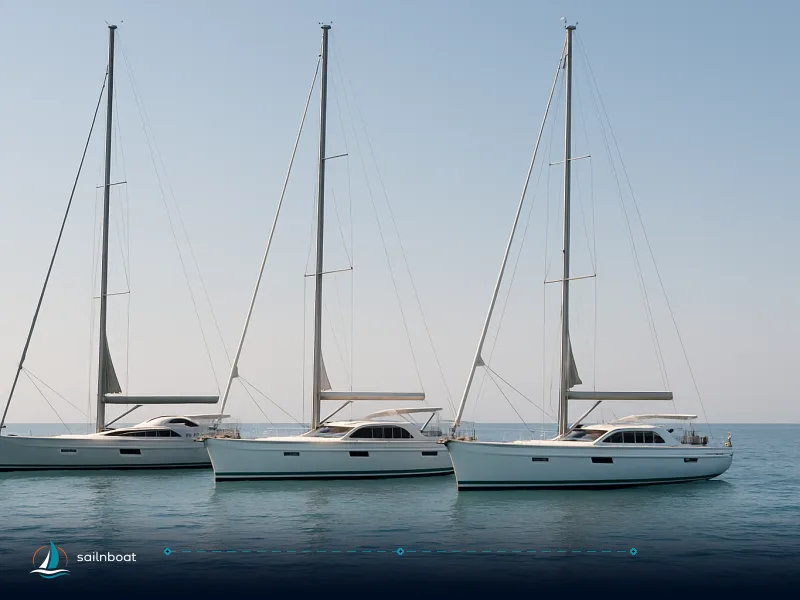
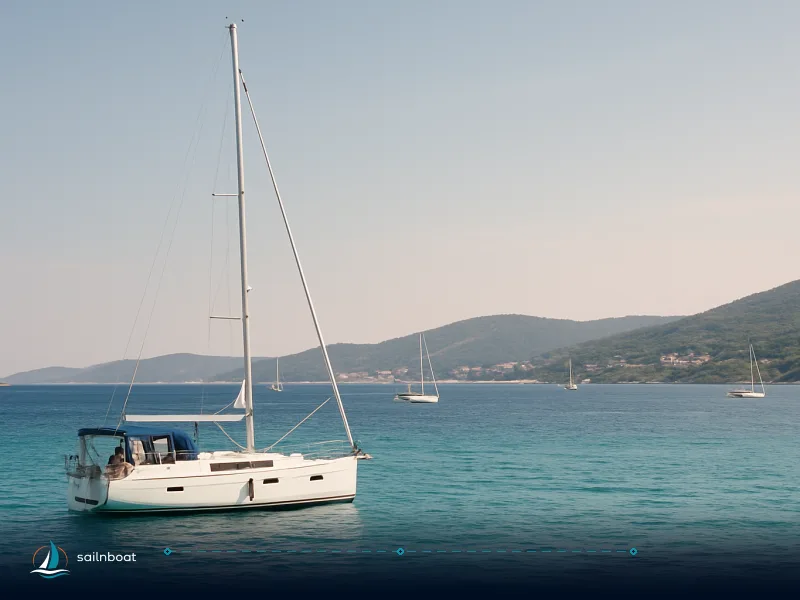
Your choice of yacht—type, size, and layout—will shape every aspect of your first charter: how manageable the boat feels, the comfort of your crew, the marinas you can use, and what you pay. For most first-time charterers, the best sailing yachts fall in the 30–40 ft range for monohulls or 38–42 ft for catamarans. This balance gives you manageable handling without sacrificing comfort or safety. Below, you’ll find a practical comparison of real-world options, cost factors, what to expect from operators, and how to avoid common first-timer pitfalls.
Monohull vs. Catamaran: Which Sailing Yacht Is Best for Beginners?
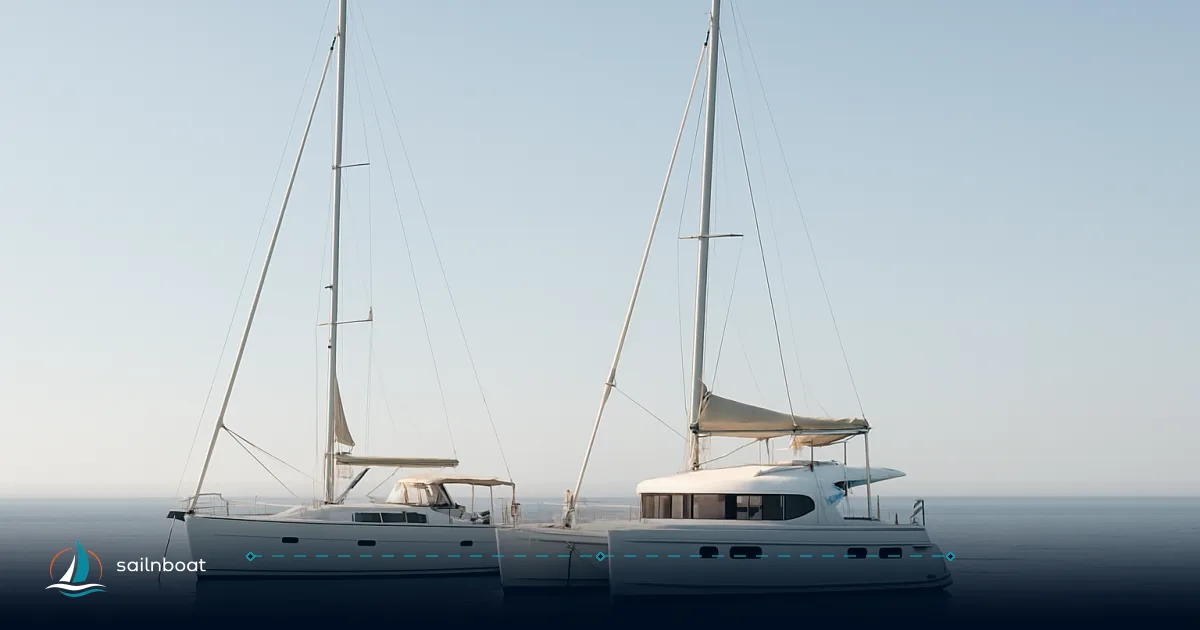
Choosing between a monohull and a catamaran depends on your group’s needs, the cruising area, and your own comfort with boat handling. There isn’t a universal “better” choice—each comes with concrete advantages and trade-offs.
Stability and Handling
- Motion and comfort: Catamarans remain level under sail and at anchor, which can help reduce seasickness and keep less-experienced crews comfortable. Monohulls heel under sail—a classic sailing experience that some find reassuring, but others may find unnerving at first.
- Docking and manoeuvring: Catamarans, with twin engines, can pivot efficiently and are generally forgiving for docking, especially in tight spots. Monohulls, being narrower, fit into more berths, but require more practiced handling in crosswinds or current.
- Heavy weather: Monohulls are typically more forgiving in strong winds and can recover from knockdowns. Catamarans require disciplined weight distribution and awareness of wave action; they can pitch or slap in chop, which may surprise new sailors. Match your hull type to the expected weather and your crew’s comfort level.
Space and Comfort
- Living space: Catamarans offer wide saloons, private cabins, and a stable platform—ideal for families or mixed-age groups. Monohulls feel more compact but often sail upwind more efficiently for their length.
- Marina costs and access: Catamarans’ extra beam can mean higher marina fees and fewer available berths, especially in busy Mediterranean ports. Monohulls fit more easily into standard berths, usually at lower nightly rates. Some marinas apply a surcharge for catamarans, sometimes close to double the monohull rate for equivalent length, but this varies by location and season—ask the base or marina for current figures.
Essential Features for First-Time Charter Yachts
Certain equipment and layout features can dramatically improve safety and confidence for a first-time skipper.
Ease of Handling
- Lines led aft: Modern charter yachts often have sheets, halyards, and reefing lines led to the cockpit, so you can handle most sail controls from the cockpit, though you’ll usually step away from the helm to work the clutches and winches.
- Roller furling: Roller-furling headsails and mainsails with in-mast or slab reefing simplify sail handling. Many newer yachts offer electric winches, making sail trim easier for crews with less experience.
- Engine assistance: Bow thrusters on monohulls or twin engines on catamarans make docking less stressful. Most bases will demonstrate docking and anchoring if you ask during handover.
Safety Equipment
- Inventory to check: Expect lifejackets (various sizes), harnesses, a throwable buoy, working VHF (often with AIS), in-date flares, fire extinguishers, and a first aid kit. If offshore sailing is allowed, there should be a serviced liferaft and, where appropriate, an EPIRB (or PLBs) in addition—EPIRBs complement but do not replace a liferaft.
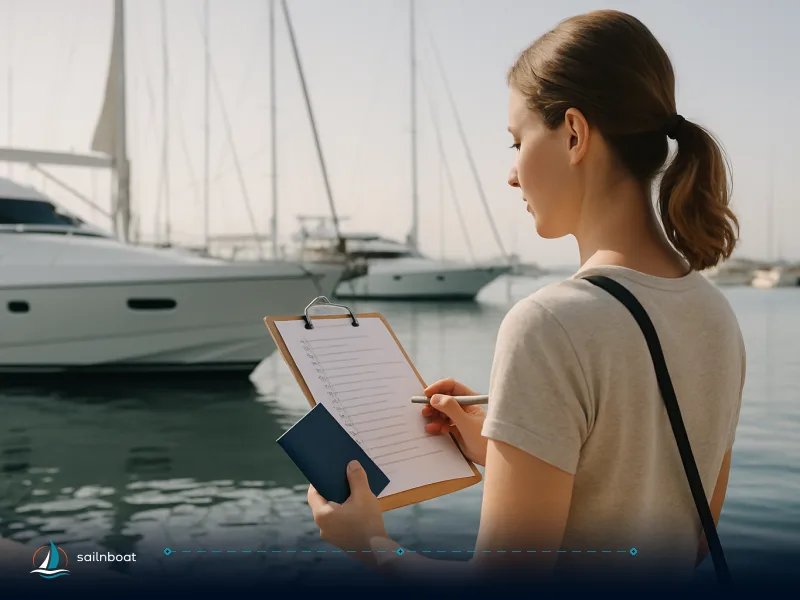
- Best practice: Review the inventory sheet at handover and sign off on any pre-existing damage. Before leaving the dock, fit lifejackets and practice a basic man-overboard drill; many bases will guide you through this if you request it.
Recommended Yacht Sizes for Novice Sailors
Yacht size directly affects handling, comfort, and costs.
Ideal Length
- Practical range: For monohulls, 30–40 ft is the sweet spot for first-time charterers—large enough for 4–6 people, small enough to handle comfortably. Compact catamarans in the 38–42 ft range offer similar accommodation, with greater stability, but require more attention to marina beam limits.
- Crew size and layout: Most 30–40 ft monohulls have 2–3 cabins, suitable for 4–6 people. For 6–8 crew, or if you want more privacy and stability, a catamaran at the upper end of this range is worth considering.
Draft and Beam Considerations
- Draft: Shallower draft (typically 1.5–2.3 m for 30–40 ft yachts) increases your anchoring options in both the Mediterranean and Caribbean. Many production boats offer shoal-draft versions—always confirm the actual draft with your operator, as it affects both marina and anchorage choices.
- Beam: Catamarans’ wider beams (often 6.5–7 m for a 40 ft boat) provide stability and space but can increase marina fees and restrict berth availability. Always match your planned berths to your yacht’s beam.
Top Sailing Yacht Models for First-Time Charterers
Here’s a comparison of models commonly found in charter fleets, balancing ease of use, comfort, and availability:
| Model | Type | LOA (approx) | Draft (approx) | Beam | Why it works for beginners |
|---|---|---|---|---|---|
| Jeanneau Sun Odyssey 440 | Monohull | 13.0 m (43 ft) | 1.6–2.3 m | 4.29 m | Dual-helm, ergonomic cockpit, shoal keel option, forgiving layout |
| Dufour 360 Grand Large | Monohull | 10.3 m (34 ft) | 1.55–1.90 m | 3.54 m | Compact, easy handling, lines led aft, good for 4–6 crew |
| Beneteau Oceanis 38.1 | Monohull | 11.5 m (38 ft) | 1.65–2.10 m | 3.99 m | Modern, roomy, manageable sail plan, widely available |
| Lagoon 40 | Catamaran | 11.7 m (38.5 ft) | 1.35 m | 6.76 m | Stable, spacious, very popular with charter families |
| Bavaria C42 | Monohull | 12.4–12.9 m (41–42 ft) | 1.7–2.1 m | 4.30 m | Easy handling, wide cockpit, accessible systems |
Note: Always confirm the exact draft, beam, and layout with your operator before booking, as models may vary.
Cost Considerations for First-Time Charterers
Budgeting for your first charter involves more than the weekly rate. Expect additional costs for extras, insurance, and marina fees, all of which can vary by region, season, and operator.
Charter Fees
- Base weekly rates: Charter prices depend on region, yacht size/age, and the season. In the Mediterranean, a four-cabin catamaran might be advertised from under €7,000 per week in shoulder season, rising to well over €12,000 in peak summer for a newer model. Monohulls of similar size are generally available at lower rates, with older boats costing less.
- Extras and budgeting: Mandatory extras (such as transit logs, final cleaning, and damage deposits), provisioning, fuel, and marina fees can add a substantial amount—sometimes 30% or more to the base rate, though this uplift varies widely by operator, country, and whether you charter bareboat or with crew.
- What’s included/excluded: Many operators include bed linen, towels, a dinghy with outboard, and sometimes WiFi in the base rate. Extras like SUPs, water toys, or advanced electronics are typically charged separately. Always check the full inclusions/exclusions list before committing.
Insurance and Deposit
- Security deposit: Most operators require a refundable security deposit, commonly ranging from €1,000 to €3,500 for monohulls, with catamarans usually at the higher end or above. This is typically paid by credit card at check-in, but policies vary.
- Damage waiver/insurance: Some operators offer a non-refundable damage waiver (often €150–€400 per week) to reduce or avoid the deposit. Terms and limits differ—read the details carefully.
- Liability and coverage: Charter insurance usually covers major hull damage and third-party liability. Personal accident or travel insurance is not included—consider arranging your own for medical coverage and trip cancellation.
Mooring Costs
- Berth fees: Marina fees differ by country, season, and location. For a 12 m monohull, municipal harbours in the Mediterranean may charge from €20–40 per night, while premium marinas in peak season can exceed €100 per night. Catamarans and wide yachts often attract surcharges—sometimes close to double the monohull rate for the same length, but this is not universal. Always factor in extra charges for electricity, water, and local taxes.
- Anchoring: In many areas, anchoring is free, but some regions levy anchoring or environmental fees—ask your base for local rules.
Seasonal and Regional Differences
- High vs. low season: Charter rates, marina availability, and weather can change sharply with the season. In the Mediterranean, July–August is high season—expect higher prices, crowded marinas, and lighter winds. Shoulder months (May–June, September–October) offer better value and more reliable breezes.
- Weather windows: First-timers should avoid periods of strong meltemi (Aegean, July–August) or hurricane risk (Caribbean, June–November). Some operators restrict charters or require more experience outside the main cruising season.
Regional Comparison Table
| Region | Seasonality | Typical Weather | Marina Fee Range (12m monohull) | Licensing Required |
|---|---|---|---|---|
| Mediterranean | May–Oct (peak: Jul–Aug) | Light to moderate, meltemi in Aegean | €20–100+/night | ICC, RYA Day Skipper, VHF |
| Caribbean | Dec–Apr (peak: Feb–Mar) | Trade winds, hurricane risk Jun–Nov | $30–90/night (varies by island) | Proof of experience/competence (operator-assessed); certificates (e.g., ASA/RYA) often accepted but not mandatory in most islands; VHF/SRC may be required by the operator. |
Licensing and Documentation
Legal Requirements vs. Charter Company Policy
- Legal requirements: Most Mediterranean countries require the skipper to hold an internationally recognised certificate—such as the ICC (International Certificate of Competence), RYA Day Skipper, or an equivalent national license. In the Caribbean, requirements are often more relaxed, but some islands and charter operators still require proof of experience or a certificate.
- Charter company policy: Many operators also request a VHF/SRC operator certificate. Requirements vary—always check both the legal and operator policies for your cruising area.
- At check-in: Bring your original certificates, passports, and any documents requested by the charter company. Most bases will copy these at check-in. If in doubt, ask your broker or base staff well before departure.
Check-In and Check-Out: What to Expect
Understanding base procedures can help you plan your arrival and departure, and avoid unnecessary stress.
Typical Schedule
| Procedure | Time (varies by base) | Details |
|---|---|---|
| Check-in | Usually 15:00–18:00 | Documentation, safety briefing, inventory, damage check |
| Handover/briefing | After check-in, before sunset | Systems demo, safety equipment, sailing area review |
| Check-out | Usually 8:00–9:00 final day | Fuel/water check, inventory, damage inspection, deposit return |
- Early boarding: Some operators offer early boarding (by noon) for a fee—ask in advance, as this can give you more sailing time.
- Late return: Returning after the agreed time can result in extra fees. Always confirm the exact schedule with your operator.
Example Scenario: How the Choices Play Out
A family of six (two adults, four children) plans a week-long charter in Croatia in July. They select a 40 ft Lagoon catamaran for stability and space. The base rate is €9,000 for the week. After adding cleaning (€200), transit log (€150), outboard engine (€100), fuel (€200), and marina fees (averaging €70/night for catamaran berths in the region), the total climbs to approximately €11,000. The skipper provides an ICC and VHF certificate at check-in, and the base offers a half-hour docking demonstration. The family finds marinas busy but enjoys easy anchoring thanks to the catamaran’s shallow draft and space. The main trade-off: higher marina fees and more advance berth reservations needed compared to a monohull, but greater comfort for the kids.
If Something Goes Wrong
- Mechanical issues: Contact the base immediately—most provide a 24-hour support number. They will often send a technician or arrange a replacement if needed.
- Damage or accident: Document with photos, notify the base, and fill out any required forms. If another vessel is involved, collect contact and insurance details.
- Missed return: If you’re delayed, notify the base as soon as possible. Late returns often incur extra fees and can affect the next charter’s start.
Final Decision Checklist — Book with Confidence
- Confirm yacht size and layout match your crew’s needs and comfort.
- Prioritise handling features: lines led aft, roller furling, bow thruster/twin engines.
- Ask the operator for exact draft and beam—verify against your planned marinas/anchorages.
- Budget for the base rate plus extras, which can significantly increase the total cost.
- Clarify what is included (linens, outboard, WiFi) and which extras attract fees.
- Understand deposit/insurance options and their implications for your liability.
- Bring the required skipper and radio certificates for your cruising area.
- Review check-in/check-out times and procedures—plan your travel accordingly.
Choosing the best sailing yacht for your first charter is about matching your comfort, group needs, and cruising area—not just picking the biggest or newest boat. If you’re unsure, talk to your charter consultant or operator—they can clarify what’s required for your destination and help you avoid surprises.
Frequently Asked Questions
Monohulls give a traditional sailing feel, usually fit more berths and are simpler to handle in tight marina slips; catamarans are far more stable at anchor and offer larger living spaces but require wider berths and can cost more to dock.
Priority features are simple sail handling (roller furling, lines led to cockpit), assisted systems (electric winches, bow thruster or twin engines), clear instrumentation, and a complete safety inventory (lifejackets, VHF, flares, first‑aid, liferaft where appropriate).
Most first‑timers find a 30–40 ft monohull or a compact catamaran in the high 30s to low 40s (ft) offers the best balance of manageability, accommodation and range.
Good beginner-friendly monohulls include Jeanneau Sun Odyssey 440, Dufour 360 Grand Large and Beneteau Oceanis 38.1; compact catamaran picks include Lagoon 40 and production 40–42 ft cats like the Bavaria C42‑sized monohulls for multihull-style comfort.
Catamarans resist heeling and feel steadier at anchor; monohulls heel under sail and offer different feedback through the helm. Handling differs in close quarters—cats use twin engines for precise manoeuvres, monohulls rely more on sailor technique.
Written by
Sailnboat Editorial
The Sailnboat editorial desk covers yacht and boat chartering worldwide — routes, bases, seasons, boat types, paperwork and the practical costs that decide a trip. We are a charter marketplace, not a boat owner or a local agency: what we sell is judgement and support, so our guides are written to help you make a decision, not to sell you a specific boat. Every guide is checked against live operator and marina data before it goes out.
Fact-checked against live operator and marina data, and published under our editorial standards. Last reviewed: .