Boating License in California: A Practical Cost Breakdown
A clear, numbers-first look at the California Boater Card: the $10 lifetime state fee, typical $20–$50 course costs, exemptions and whether hiring a skipper makes sense for your charter.

A California Boater Card costs $10 for the lifetime state credential; add a typical approved-course fee of roughly $20–$50 and you have the direct out‑of‑pocket cost most prospective charterers face when budgeting.
Understanding the California Boater Card
What is the California Boater Card?
-
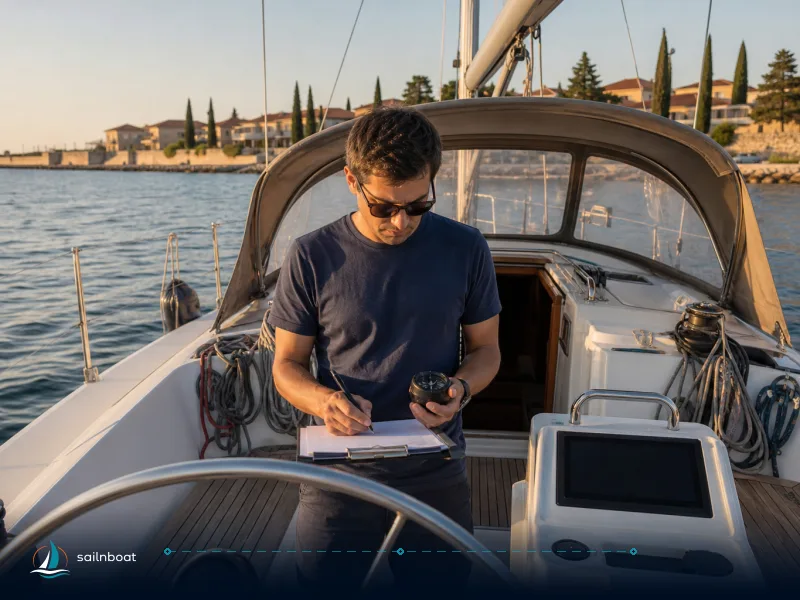
The California Boater Card is the state-issued proof that an operator has completed an approved boating safety course and (where required) the state application process. It is required for operators of motorized recreational vessels on California inland and coastal waterways.
-
The card is issued as a permanent credential — the Boater Card is valid for life once issued. The state sets a modest issuance fee for the card.
Cost Breakdown for Obtaining a Boater Card
Initial Fees
-
State issuance fee (one‑time): $10. That is the official, one‑time state charge to have a California Boater Card issued in your name. (Some application flows show a small service or processing charge applied by the portal or provider; see verifying steps below.)
-
Typical approved-course fees: $20–$50. Many approved providers price their California‑approved online or classroom courses in this band. A number of reputable organisations (BoatUS Foundation, Coast Guard Auxiliary, university or non‑profit programmes) also provide low‑cost or donation‑based options; others have paid packages that include proctoring or extras. Budget the course separately from the $10 state fee.
-
Small application/service charges: some providers and the state application portal reference a minimal service or transaction fee (commonly around $1) when you complete the online application or request the printed card. Treat that as incidental.
Quick cost summary (typical)
- State Boater Card fee: $10.
- Approved-course fee: usually $20–$50, though free/donation options exist.
- Small portal/service fee: commonly nominal (appears in some application flows).
Renewal Fees
-
The California Boater Card is a lifetime credential; there is no regular renewal fee for the Boater Card itself. Once you have the card, you typically do not pay the state again to 'renew' it. (This is different from vessel registration or other state fees that do have periodic renewal cycles.)
-
Why this matters: because the cost is front‑loaded, frequent charterers amortize the expense very quickly — the course + $10 is a one‑time outlay, not an annual cost.
Exemptions to the Boater Card Requirement
Who is Exempt?
California law lists several explicit exemptions; the most relevant for charterers are:
-
Operators of rental vessels (a defined exemption that covers many short‑term rental customers). Note however a rental company can set its own requirements (in‑dock checkout, minimum age, deposit, insurance conditions).
-
Operators under the direct supervision of an adult (18+) who holds a California Boater Card.
-
Non‑resident operators temporarily in California who meet their home‑state (or home‑country) requirements for short stays (statutory limits apply).
Practical note: rental‑vessel exemption vs rental company policy
- Even though the law exempts many rental operators from having a Boater Card, most rental companies require an on‑site checkout and can refuse to rent if you do not satisfy their standards. Accept that "exempt" does not always mean "no screening at all."
Comparing Costs: Boater Card vs. Hiring a Skipper
How to compare: treat the Boater Card + course as a one‑time investment and skipper labour as a recurring per‑charter cost.
Typical cost ranges used in the comparison
- Boater Card + course (one person): roughly $30–$60 total in most cases (state $10, course $20–$50, small service fees possible).
- Skipper/day for local skippered charters: expect a common local range of about $150–$400 per day depending on boat type, location, and whether food/travel are included; delivery or professional captain day rates for longer passages are often higher. Use local quotes for precise planning.
Comparison table (examples)
| Scenario | One‑time Boater Card & course | Typical skipper/day (labour only) | Practical verdict |
|---|---|---|---|
| Single‑day, casual rental | $30–$60 | about $150–$400 (one day) | Hiring a skipper is often cheaper for one short day if you do not plan to keep chartering. |
| Weekend (2–3 days) | $30–$60 | about $300–$1,200 | If you charter more than once a year, card + course becomes economical after a couple of skippered days. |
| Frequent charterer (several times/year) | $30–$60 (one‑time) | about $150–$400 per day each trip | Owning the card saves money and removes daily labour charges. |
Worked example — a simple breakeven:
- If a single skippered day costs $200 and your card+course costs $50, you “break even” after the first charter if you otherwise would have hired a skipper for that one day — but the real comparison is: for multiple charters, the one‑time card cost divided across trips becomes negligible while skipper fees repeat every time.
Other trade‑offs (non‑financial)
- Skill and confidence: getting your card requires a course that covers rules, safety and navigation; competence matters when you take control of a boat.
- Liability and insurance: hiring a professional skipper may change who is responsible for operation in practice; rental contracts and insurers have specific rules — check the charter contract carefully.
Budgeting for Your Boater Card
Steps to budget
- Choose an approved course. Compare price, format (online vs classroom), test proctoring, and whether the provider submits completion directly to the state (many do). Typical course cost: $20–$50, but free/donation options exist.
- Add the state $10 issuance fee. Include a small online service/transaction fee if the portal shows one.
- Allow time: most online courses take a few hours; plan an extra day for the application and to print or receive the temporary card.
- If you’ll charter with others, decide whether everyone needs their own card (many charters expect at least one qualified operator who can handle the boat and emergencies).
Verifying fees and the process
-
Start at the official California Boater Card application/course directory and the Division of Boating and Waterways (DBW) pages for the current application steps and any service fees. Approved providers are listed there or on the official portal; compare prices directly on the provider’s site before paying.
-
Keep proof of course completion: many providers send completion records directly to the state when you provide your application ID; others give you a certificate that you upload with your application. Follow the provider instructions carefully to avoid delays.
Practical checklist before paying
- Confirm the provider is listed as an approved California course.
- Confirm whether the provider forwards your completion to DBW or whether you must upload proof.
- Ask about proctoring, retest fees, and whether the provider issues a temporary certificate immediately.
Final decision points and recommendations
-
If you expect to charter more than once a year (or plan to captain small trips for family/friends), getting the Boater Card is almost always the better financial and practical choice. The one‑time cost is modest and gives you independent access to many bareboat or owner‑skippered options.
-
If you need a single day on the water and prefer not to study or pass a course, hiring a skipper for that day may be simpler. Get a written skipper quote that itemises daily rate, travel and food per diem, and whether the skipper’s insurance is provided. Expect local day rates commonly in the range of about $150–$400; delivery or professional captain rates can be much higher depending on the job.
-
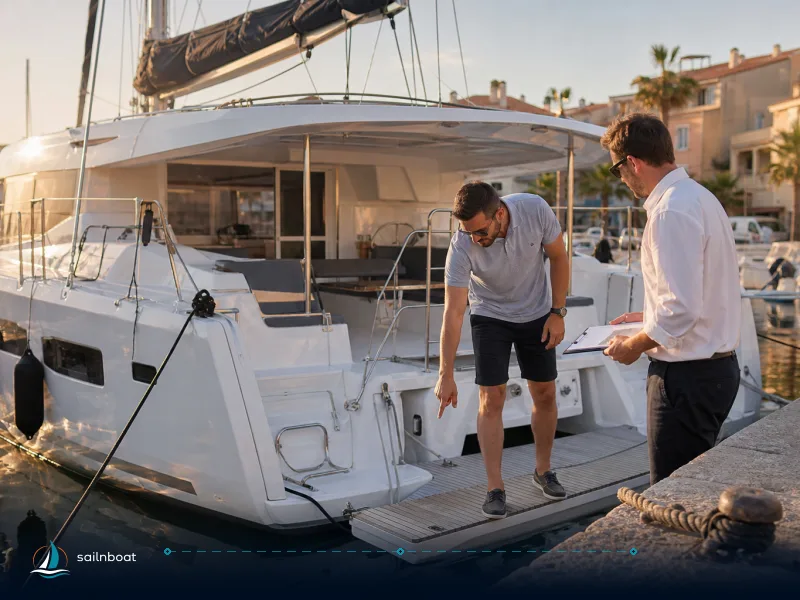
If you plan to use rental companies: remember the rental exemption exists, but rental operators normally insist on an in‑dock checkout and may require minimum age or additional documentation. Budget the time for the company’s own safety briefing.
Start planning your charter by choosing an approved course, confirm the provider’s current price, and complete the short application — the $10 Boater Card and a single course session will put you in control of your next California charter.
Frequently Asked Questions
The state charges $10 for the lifetime California Boater Card; add an approved-course fee (typically $20–$50). There is usually a small online service charge applied by the application portal in some cases.
Course pricing varies by provider and format: some national providers offer donation-based or free courses, while structured online courses or classroom options commonly charge $20–$50 and occasionally more for proctored or in-person formats.
Yes—California law exempts operators of rental vessels and several other categories (supervised operators, short-term out-of-state visitors, commercial fishing license holders, certain certificate holders).
The California Boater Card is issued as a lifetime card; there is no periodic renewal fee for the Boater Card itself.
A one‑time Boater Card plus course typically costs roughly $30–$60 (most people); skippered charters commonly add labor at roughly $150–$400 per day for local day charters and substantially more for delivery or long-range captains, so a Boater Card usually pays off after a few charters.
Start with the California Boater Card official portal and the Division of Boating and Waterways (DBW) materials; then check prices directly with the approved course provider you choose.
Research approved providers and their current prices, allow for the state $10 application charge and minor service fees, decide whether you need printed card delivery, and compare that total to skipper-day rates for the length of your planned charter.
Written by
Sailnboat Editorial
The Sailnboat editorial desk covers yacht and boat chartering worldwide — routes, bases, seasons, boat types, paperwork and the practical costs that decide a trip. We are a charter marketplace, not a boat owner or a local agency: what we sell is judgement and support, so our guides are written to help you make a decision, not to sell you a specific boat. Every guide is checked against live operator and marina data before it goes out.
Fact-checked against live operator and marina data, and published under our editorial standards. Last reviewed: .